REVIEW · NEW DELHI
6-Day Golden Triangle Tour with Ranthambore Tiger Safari
Book on Viator →Operated by My Dream India Tour · Bookable on Viator
Tigers, temples, and Mughal monuments. This 6-day private tour from New Delhi pairs classic Golden Triangle highlights with an included Ranthambore tiger safari, plus time for local markets and shopping in Jaipur.
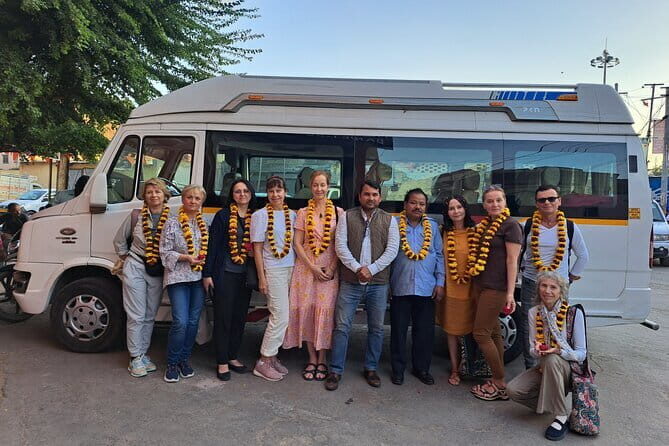
I especially like the door-to-door pick-up and AC vehicle between cities. I also like the government-certified guide, and the added touch of story-driven guiding that helps you connect the dots fast—names you might hear include Mukhesh (spelled Murkesh by some) and Busquets.
One key consideration: hotel nights and monument entry fees aren’t included, and meals are also on you. That means your final trip budget depends on where you stay and what you choose to eat.
In This Review
- Key Highlights You’ll Actually Feel on the Trip
- How This Tour Works: A Private Mix of Icons and Safari Time
- Delhi First: India Gate, Qutub Minar, and the Lotus Temple Reset
- Old Delhi by Rickshaw, Red Fort Views, and a Transfer to Agra
- Sunrise Taj Mahal and Agra Fort: Two Ways to See One Era
- Jaipur Arrives: Hawa Mahal, City Palace, and Jantar Mantar
- The Day That Changes Everything: Ranthambore Tiger Safari
- Jaipur Shopping Time and the Return to Delhi
- Price and Value: What $381.95 Covers (and What It Doesn’t)
- Who This Tour Is Best For (and Who Might Want Something Else)
- Should You Book This Golden Triangle + Ranthambore Tour?
- FAQ
- Is pickup and drop-off included?
- Are hotels included for the overnight nights?
- Are monument entrance fees included?
- Are meals included during the trip?
- Is the Ranthambore tiger safari included?
- Is this a private tour?
- What is the cancellation policy?
Key Highlights You’ll Actually Feel on the Trip
- Ranthambore tiger safari is included as a full day focus, not a rushed add-on
- Sunrise Taj Mahal timing for early light and calmer pacing
- Old Delhi in motion with a rickshaw ride through Chandni Chowk
- UNESCO-heavy route including Qutub Minar, Red Fort, Agra-area sites, Fatehpur Sikri, and Jantar Mantar
- Private tour for just your group, with the option to adjust stops
- Jaipur shopping built in (Johari, Tripolia, and Bapu areas) for handicrafts, jewelry, textiles, and pottery
How This Tour Works: A Private Mix of Icons and Safari Time
This is a classic Golden Triangle format—Delhi, Agra, Jaipur—built around a single big swing: a Ranthambore National Park safari. That combination matters, because it gives you two travel moods in one trip: the human-scale world of palaces, mosques, and markets, and then the wildlife-on-the-ground day where you’re watching for tigers in real landscape conditions.
You’ll have AC transportation for sightseeing days, plus bottled water and help from a government-certified guide for the stops covered in the route. It’s also explicitly a private tour, so your pacing and priorities are easier to manage than on a crowded group bus.
The biggest practical upside is that you’re not juggling transit between cities on your own. The biggest practical caution is that you still need to handle the two big “extras” that aren’t included: hotel accommodation and monument entrance fees (plus meals).
A few more New Delhi tours and experiences worth a look



Delhi First: India Gate, Qutub Minar, and the Lotus Temple Reset
Delhi Day 1 is a smooth intro: you start with landmarks that are easy to picture even if you’ve never been to India before, then you end with a calmer architectural stop.
India Gate
India Gate is a war memorial you can stroll around at an unhurried pace. It’s a straightforward opening: good photos, easy orientation for the city, and a chance to see how monumental Delhi’s scale can feel.
Parliament House (drive past)
You don’t sit in; you mainly drive by Rashtrapati Bhavan and see Parliament as part of the skyline story. It’s short time, but it helps you understand the layout—this city is built in layers, and these “government centers” are part of that.
Qutub Minar
Qutub Minar is one of Delhi’s signature UNESCO sites, with a 73-meter tall tower featuring intricate carvings. You’ll get about an hour here, which is enough time to enjoy the details without turning it into a checklist race. Admission isn’t included, so keep an eye on the ticket cost when you plan your budget.
Lotus Temple
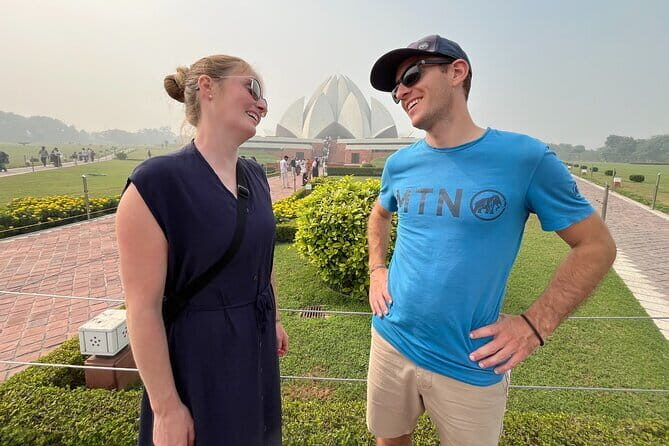
Then you switch gears to the Lotus Temple, a Bahá’í House of Worship known for its flower-like design. It’s free entry, and it’s also the kind of stop that acts like a reset button after busy streets—time to slow down, breathe, and regroup before the next day’s Old Delhi rush.
My practical tip: for Qutub Minar and the Lotus Temple, plan for some walking and standing around. Even when entry is free, you’ll still want comfortable shoes.
Old Delhi by Rickshaw, Red Fort Views, and a Transfer to Agra
Day 2 is built on contrast: imperial power and grand architecture in the morning, then market streets and active city life, then a long drive to Agra.
Red Fort
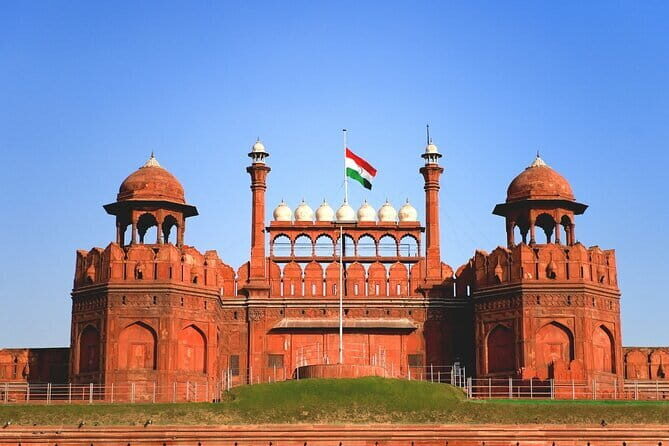
You’ll spend about an hour at the Red Fort, a UNESCO World Heritage Site tied to Mughal emperors as a main residence for nearly 200 years. This stop is historically heavy on purpose. Admission isn’t included, so factor that into what you’ll pay once you arrive.
Chandni Chowk and the rickshaw ride
The standout here is the rickshaw ride through Chandni Chowk. It’s about movement—spice, sweets, and traditional goods in tight lanes where you feel the city’s everyday energy. Tickets aren’t included, but the tour states admission is free for this stop, which makes it a good value moment.
Jama Masjid
You then visit Jama Masjid, one of India’s largest mosques, built by Shah Jahan. You’ll get about 45 minutes, with time to appreciate the Mughal architecture and courtyards. If you have extra time, you might also see panoramic views from viewpoints your guide suggests, but don’t count on it as guaranteed.
Drive to Agra (3–4 hours)
After Old Delhi, the tour shifts into logistics mode: you travel to Agra, check in, and decompress. Meals aren’t included, so you’ll want a plan for dinner once you reach your hotel.
What I like about this structure: you don’t try to cram Old Delhi and Agra into one long day without a break. That transfer is where the schedule breathes.
Sunrise Taj Mahal and Agra Fort: Two Ways to See One Era

Day 3 is where the Golden Triangle reputation hits. It’s also where timing matters, because the Taj Mahal is scheduled for sunrise.
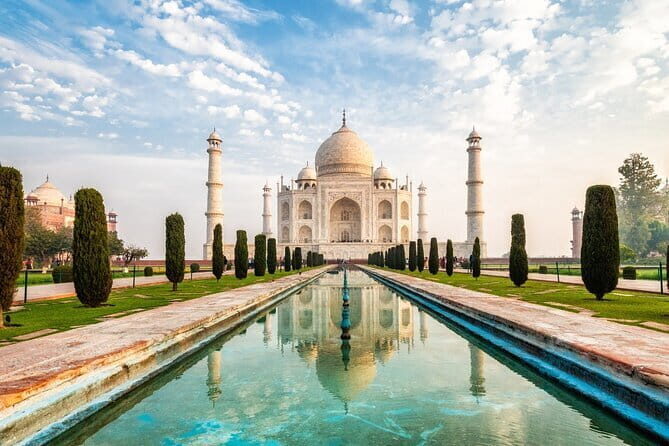
Taj Mahal at sunrise
You’ll have about two hours at the Taj Mahal. It’s UNESCO-listed and built by Shah Jahan in memory of Mumtaz Mahal, so your guide will likely give you the human story behind the architecture. Admission isn’t included, so you’ll pay the official entry ticket separately.
Sunrise scheduling can help you with comfort and photo conditions—early light changes how stone looks. Even if you’re not a sunrise person, this timing usually makes the visit feel less crowded and more focused.
Agra Fort
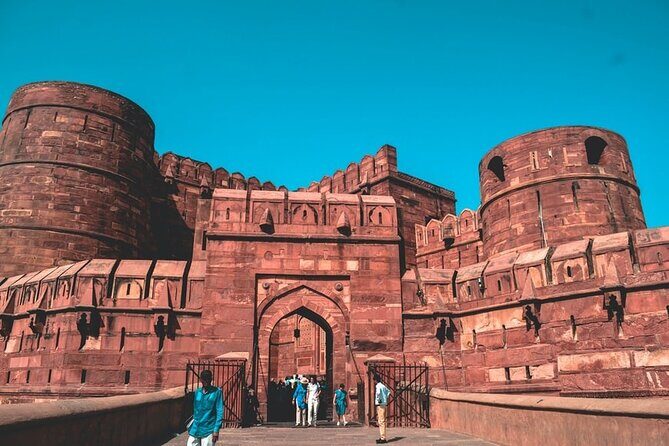
Next is Agra Fort, another UNESCO-listed Mughal power center. You’ll spend about an hour here, moving through courtyards, palaces, and mosques. Admission isn’t included, but the fort is a strong companion to the Taj because it shows the same era through a different lens: governance and defense, not just love and memorial.
Fatehpur Sikri en route to Jaipur
On the way to Jaipur, you stop at Fatehpur Sikri—an abandoned Mughal city and UNESCO World Heritage Site. You’ll have about 1.5 hours, including well-preserved palaces and mosques and a famous landmark called Buland Darwaza. Admission is listed as free for this stop in the tour details, which is a nice budget win.
Arrive Jaipur and check in
Then you reach Jaipur after about a 3-hour drive and settle in for the night.
Practical note: This day is packed with “big” sites. I’d keep expectations realistic: you’ll enjoy each place more if you pause to look closely rather than trying to read everything.
Jaipur Arrives: Hawa Mahal, City Palace, and Jantar Mantar
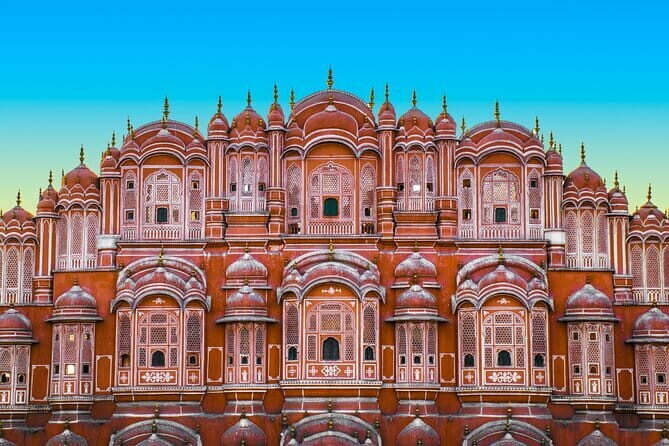
Day 4 is Jaipur architecture day, with three major stops that help you understand why Jaipur is often called the Pink City.
Hawa Mahal (Palace of Wind)
Hawa Mahal is the iconic pink sandstone façade with 953 lattice windows, built in 1799 for royal women to observe daily life. You’ll have about an hour. Admission isn’t included, so again, ticket costs are your responsibility. Even without going “inside” in detail, the exterior and design logic are the point.
City Palace of Jaipur
Then you visit City Palace, a complex with royal artifacts, traditional costumes, and architecture tied to Jaipur’s history. Plan for about 1.5 hours. Admission isn’t included, but it’s one of the best places to connect visual art with royal daily life.
Jantar Mantar
Next is Jantar Mantar, a UNESCO World Heritage Site built in the 18th century by Maharaja Sawai Jai Singh II. You’ll spend about 1.5 hours around its nineteen architectural astronomical instruments. Admission isn’t included, but the site is one of those rare attractions where math meets place.
Markets to close the day
To finish, you get about two hours of market time in Jaipur. The tour description points you toward handicrafts, traditional jewelry, and textiles. Since this part is free in the tour details, it’s a good place to manage your spending—browse first, then buy if you find something you truly want.
Guide tip from the travel experience in the reviews: the best moments in Jaipur tend to happen when your guide explains the “why” behind the designs. People highlighted Mukhesh (Murkesh) and his ability to bring history to life with human stories rather than turning everything into dates.
A few more New Delhi tours and experiences worth a look




The Day That Changes Everything: Ranthambore Tiger Safari
Day 5 is the big wildlife focus at Ranthambore National Park. The tour schedules a safari block of about 6 hours, and the wildlife focus is explicit: tigers, leopards, deer, and exotic birds.
Here’s the key value point: you’re not just “going out for a short look.” The day is structured around the safari, with the guide supporting you through the experience. The tour lists the safari admission as included, which makes this portion of the trip feel like it’s been planned rather than added at the last minute.
After the safari: return to Jaipur
You then drive back to Jaipur for your overnight stay.
How to get the most out of safari day: keep your expectations flexible. Wildlife sightings depend on conditions, and tiger safari days often reward patience over control. Pack patience along with your camera.
Jaipur Shopping Time and the Return to Delhi

Day 6 keeps things practical and gives you a chance to leave with souvenirs that actually feel local.
Jaipur bazaars for shopping (about 3 hours)
The tour points to Johari Bazaar, Tripolia Bazaar, or Bapu Bazaar for jewelry, textiles, handicrafts, and pottery. Shopping is optional, but it’s built into the schedule, so you’re not scrambling at the end. Since personal purchases aren’t included, set aside budget for whatever you decide to bring home.
Drive back to New Delhi (about 4 hours)
After shopping, you head back to Delhi and your driver drops you at your preferred location.
My advice: on the last day, shop with your travel reality in mind. Think about weight and packing space. Also, if you’re buying jewelry or ceramics, ask your guide what to do for safe handling—your vendor will often advise, but you’ll want to keep it simple.
Price and Value: What $381.95 Covers (and What It Doesn’t)
At $381.95 per person, this tour can be good value if you like having your days organized and guided. Here’s what’s covered: hotel/airport/railway pickup and drop-off, AC transportation, fuel, parking, tolls and interstate taxes, bottled water, government taxes (GST), and a government-certified guide for the tour portion. The safari is also listed as included, plus you get a mobile ticket.
The two big budget gaps are clear:
- Hotel accommodation isn’t included (overnights are on you)
- Monument entrance fees and meals aren’t included
So the real “cost to travel” depends on where you choose to sleep and what you pay at ticket counters. If you pick comfortable mid-range hotels and keep meals reasonable, you’ll often still feel like the structure is paying off, because you’re buying time savings, transport, and professional guidance.
Where you’ll feel the value most: if you want someone to explain the significance of Qutub Minar, Red Fort, the Taj, City Palace, and Jantar Mantar without you needing to research every detail ahead of time. The reviews you provided also highlight guides who adapt to what you want—Busquets and Mukhesh/Murkesh came up for listening and for turning history into something more human and easier to remember.
Who This Tour Is Best For (and Who Might Want Something Else)
This tour fits best if you want:
- a private plan (your group only)
- a balanced mix of major monuments plus one true adventure day
- guided storytelling rather than self-guided “read it yourself” travel
You might reconsider if:
- you’re on a tight budget and don’t want to pay separately for hotels, meals, and entrance tickets
- you prefer slow travel and long stops, because some days are structured around multiple landmark visits
It also suits people who like markets but don’t want shopping to eat the whole trip—here, it’s scheduled, optional, and manageable.
Should You Book This Golden Triangle + Ranthambore Tour?
Yes, if you want a smooth, guided route that covers the big-name sights in Delhi, Agra, and Jaipur—plus a serious safari day in Ranthambore. The biggest reason to book is the way the tour combines transport + certified guidance + a safari block into one package, so you spend your energy seeing and learning instead of coordinating.
Before you book, do two quick checks:
- confirm your hotel plan for the two overnight stops (Agra and Jaipur)
- budget for monument entry tickets and meals, because those are not included
If you’re okay managing those add-ons, this is the kind of trip that leaves you with wide-ranging memories—from lattice windows at Hawa Mahal to the quiet intensity of a sunrise Taj Mahal, and then a full day searching for tigers in Ranthambore.
FAQ
Is pickup and drop-off included?
Yes. The tour includes hotel/airport/railway station pick-up and drop-off.
Are hotels included for the overnight nights?
No. Hotel accommodation is not included, so you’ll book your own overnight stays.
Are monument entrance fees included?
No. Monument entrance fees are not included for the sites listed in the tour.
Are meals included during the trip?
No. Lunch, dinner, and additional snacks are not included.
Is the Ranthambore tiger safari included?
Yes. Ranthambore Tiger Safari is included in the tour.
Is this a private tour?
Yes. It’s a private tour, and only your group participates.
What is the cancellation policy?
You can cancel for free up to 24 hours in advance for a full refund. If you cancel less than 24 hours before the start time, the amount paid is not refunded.