REVIEW · NEW DELHI
Private Golden Triangle Tour 5 Nights/6 Days – All Inclusive
Book on Viator →Operated by KD Taxi Pro · Bookable on Viator
Golden Triangle done privately feels like a cheat code. You get a private AC car with a professional tour guide, plus two airport stops at TWG Tea Boutique that make the days start and end with something familiar.
What I like most is the way the route mixes major monuments with everyday culture: Gurudwara Bangla Sahib adds calm and meaning right away, and Chandni Chowk gives you that full-on street level Delhi energy. You also get real time savings by rolling from site to site instead of playing taxi roulette all day.
The main thing to think about is the pace. This is a 6-day sprint with a lot of walking and standing, and the materials note a strong physical fitness level. Also, some stops are listed as having entry included and some not, so you’ll want to confirm what’s actually covered for your dates.
In This Review
- Key highlights at a glance
- Why This Golden Triangle Tour Works for a First India Trip
- Day 1: Airport TWG Tea and Bangla Sahib’s Quiet Reset
- Day 2: Delhi’s Big Monuments, Markets, and a Lot of Major Names
- Jama Masjid, then Chandni Chowk for full-sense Delhi
- Red Fort and Raj Ghat: power followed by memory
- India Gate, Parliament House, then Humayun’s Tomb and Qutub Minar
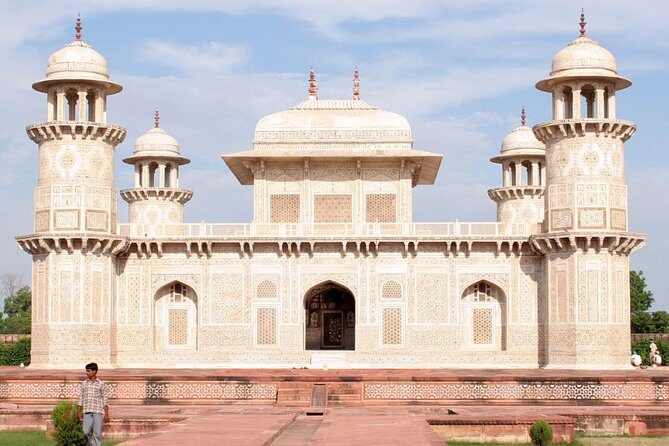
- Day 3: Agra Fort, Baby Taj (Itmad-ud-Daula), and a Sunset Garden
- Day 4: Taj Mahal, Fatehpur Sikri, and the Push to Jaipur
- Jaipur arrival includes a temple stop
- Day 5: Hawa Mahal Exteriors, Jantar Mantar, City Palace, and Monkey Temple
- A quick exterior-photo stop first
- Hawa Mahal for those famous windows
- Jantar Mantar and the City Palace weight
- Albert Hall Museum and Galtaji Monkey Temple
- Day 6: Last Airport Stop and the Drive Back to Delhi
- Price and What’s Included (and What You Should Double-Check)
- Who This Tour Suits Best
- Should You Book This 5-Night Golden Triangle Tour?
- FAQ
- How long is the Private Golden Triangle Tour?
- What group size is this tour for?
- Where does the tour pickup happen?
- Is transportation included?
- Are monument entry tickets included?
- What is the cancellation policy?
Key highlights at a glance
- Door-to-door pickup from Hyatt Regency Delhi saves your first-day stress
- TWG Tea Boutique at the airport twice, so you get an easy arrival and a smoother departure
- Mix of faiths and eras: Sikh gurdwara, Mughal power, Hindu temples, and modern monuments
- Agra sights beyond the Taj: Agra Fort, Itmad-ud-Daula (Baby Taj), and Mehtab Bagh
- Jaipur photo-focused route with big exteriors like Hawa Mahal plus key palaces and museum time
- Private group (up to 3) means the guide can slow down—or speed up—based on your needs
Why This Golden Triangle Tour Works for a First India Trip
If it’s your first time in India, the Golden Triangle format is hard to beat. Delhi gives you layered identity and politics. Agra brings the Mughal masterpieces into focus. Jaipur shows the big, theatrical side of Rajasthan design.
This particular version adds a layer of comfort and clarity: you’re not doing this as a bus circuit. You travel in a private AC car for the whole tour, and you have a guide to connect the dots between what you’re seeing and what it meant when it was built. I also like that you get mineral water and the practical stuff handled (taxes and parking are covered), which keeps your day from turning into a constant “where do I pay next?” game.
The value angle is simple. At the listed group price (up to 3 people), you’re paying for transportation, guiding, and lodging with breakfast—not just entry fees. For many people, that’s the difference between enjoying the sights and spending your energy negotiating logistics.
You can also read our reviews of more private tours in New Delhi


Day 1: Airport TWG Tea and Bangla Sahib’s Quiet Reset
Your tour starts at Hyatt Regency Delhi for pickup, then begins right at the airport with a stop at TWG Tea Boutique at Indira Gandhi International Airport. It’s a small touch, but it matters. After a flight, you get a structured start and an easy first moment to get your bearings.
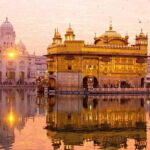
From there, you head to Gurudwara Bangla Sahib, one of Delhi’s best-known Sikh gurdwaras. Plan for a slower mood here. Gurdwaras run on community and service, so the feeling isn’t “see and leave.” You’ll have time inside to take in the atmosphere around the holy pond and the broader spiritual setting. The tour lists admission here as free, which is a nice bonus.
A practical tip: wear comfortable shoes. Even when you don’t realize it, day-one sites can add up in walking time, especially if you’re stopping for photos and moving between areas.
Day 2: Delhi’s Big Monuments, Markets, and a Lot of Major Names
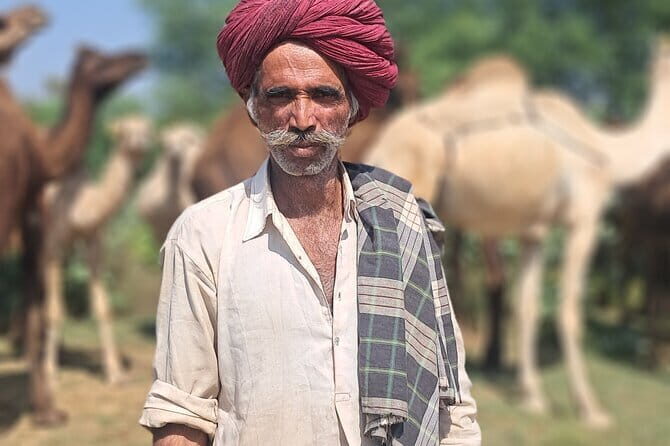
Day 2 is the Delhi classic: Mughal power, political symbolism, and a serious market hit. It’s also the day where you’ll feel the “private car” advantage the most. Instead of stitching together multiple modes of transport, you’re driven between stops.
Jama Masjid, then Chandni Chowk for full-sense Delhi
You begin at Jama Masjid, described as a major landmark and one of the most important mosques in India. The tour schedule keeps the stop shorter than some others, so think of this as a “get your bearings” visit. It’s still a top visual—big-scale architecture and a sense of historic importance.
Next comes Chandni Chowk, and this is where the city goes from monument mode to street life mode. The tour gives you around 1.5 hours here, which is enough to walk, browse, and understand why this is famous. If you enjoy street scenes, you’ll love the sensory overload: shop fronts, crowd movement, and quick stops for snacks or just watching how the neighborhood works.
Red Fort and Raj Ghat: power followed by memory
Red Fort takes you straight into Mughal-era Delhi. You get a focused visit window, so don’t expect a long, slow museum-style day inside. Instead, look at the fort as a statement of how rulers displayed control, wealth, and permanence.
Then you shift to Raj Ghat, the memorial complex dedicated to Mahatma Gandhi. This is where your day changes tone. The tour gives you about a half hour here, which is enough to absorb the setting and reflect without feeling rushed through.
A few more New Delhi tours and experiences worth a look




India Gate, Parliament House, then Humayun’s Tomb and Qutub Minar
After that, you move into New Delhi’s political and monumental zone:
- India Gate for the World War I memorial symbolism
- Parliament House for the Imperial-style circular colonnaded design
- Humayun’s Tomb for an early Mughal garden tomb example
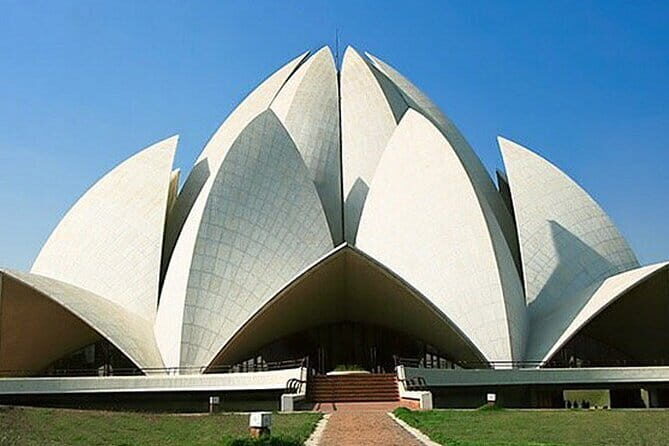
Then you add two more religious/architectural icons: Lotus Temple (Bahá’í House of Worship) and Qutub Minar. The schedule lists several admissions as not included, so again: confirm what you’re paying for in advance. Even if tickets are not covered for certain sites, the sites themselves are worth it.
If you want the best experience on this day, don’t try to “collect facts.” Instead, let your eyes do the work: watch how architecture shifts from Mughal to modern planning, and notice how each site sets the mood—formal, spiritual, or ceremonial.
Day 3: Agra Fort, Baby Taj (Itmad-ud-Daula), and a Sunset Garden
Agra is where the Golden Triangle starts to feel more cinematic. You get Agra Fort first. This UNESCO-listed fort (per the description) was home for Mughal rulers before the capital moved to Delhi. The stop is short, so prioritize key views and take time to walk through the most iconic angles.
Then it’s Itmad-ud-Daula, often nicknamed the Baby Taj. The tour description highlights how it predates the larger Taj Mahal and shows fine white marble work. This is one of those places where a short visit can still feel satisfying because the craft is visible right in front of you.
After that, you’ll see Mehtab Bagh, a Charbagh-style garden near the Taj Mahal area. Even without a long stay, gardens like this help you understand the planning logic behind Mughal architecture. You’re not just looking at a building; you’re seeing how water, symmetry, and sightlines were part of the design.
You finish the day with a drive back to your hotel and an overnight in Agra. That’s important. This route is busy, and having a night in Agra lets you reset instead of packing and immediately racing onward.
Day 4: Taj Mahal, Fatehpur Sikri, and the Push to Jaipur
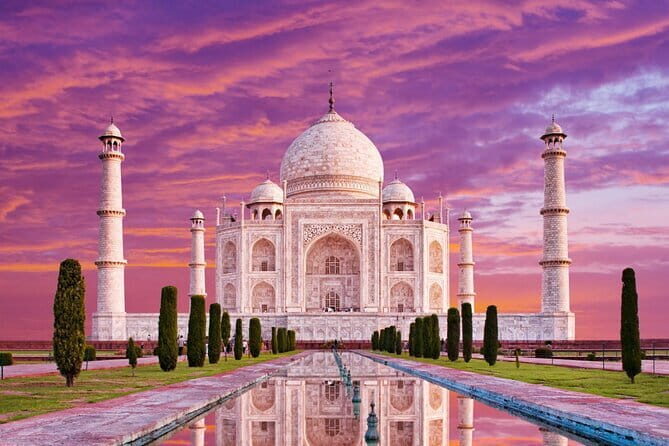
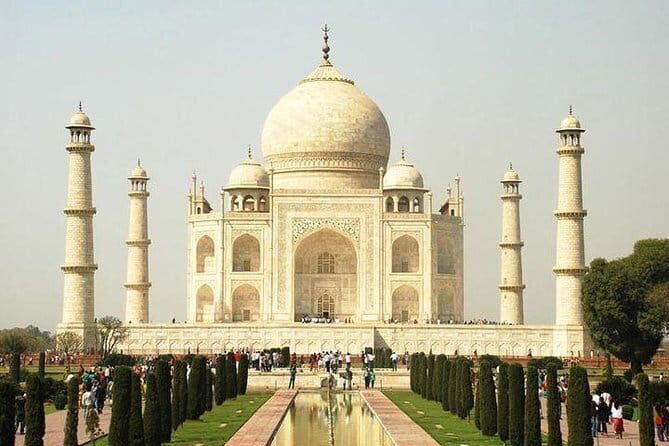
This day starts with Taj Mahal. The schedule gives you about 2 hours. That’s long enough to see the front view, notice the marble details, and get a couple of good photo angles. Just remember: Taj Mahal time always feels different. The scale is huge, but the emotional hit comes from symmetry and craftsmanship, not from busyness.
Next is Fatehpur Sikri, about 37 km from Agra. This was Akbar’s planned capital, and water constraints shaped what happened next. The tour keeps this to around 2 hours, which fits because you’ll be walking across a complex site with multiple key buildings. Focus on understanding why it was planned, and then why it didn’t last as a living capital.
Then you get a detour toward Abhaneri, which the description frames as a more offbeat Rajasthan stop beyond the usual tourist trail. You’ll have a brief visit here, so think of it as a contrast stop—proof that the Golden Triangle can include places that feel less like checklist items.
Jaipur arrival includes a temple stop
On the way into Jaipur (and during the same day’s route), the tour includes Birla Mandir Temple. It’s described as a modern Hindu temple built in 1988 and known for its significance to Lord Vishnu and Goddess Laxmi. Even if you’re not a temple person, it’s a nice palette cleanser after centuries of Mughal architecture.
Then you reach Jaipur with hotel drop and the day continues with more city-time on later days. A big practical advantage here: you get the driving done first, so the subsequent Jaipur sightseeing doesn’t feel like it’s stacked on top of a chaotic transfer.
Day 5: Hawa Mahal Exteriors, Jantar Mantar, City Palace, and Monkey Temple
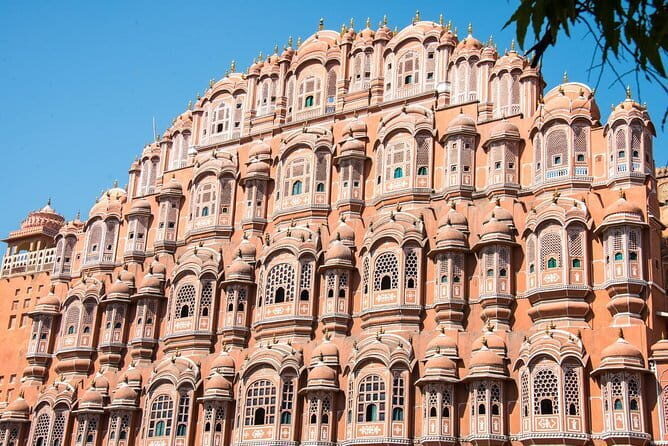
Jaipur is a city that rewards the camera, even if you’re not a photographer. Today’s schedule leans into recognizable shapes and must-see civic spaces.
A quick exterior-photo stop first
The day starts with a description that mentions a man-made structure shaped like a leg, with a palace inside but no visiting inside—outside photos and then pass by while driving. Since there’s no specific site name given here, treat it as a brief stop to enjoy a quick exterior moment before the bigger sights.
Hawa Mahal for those famous windows
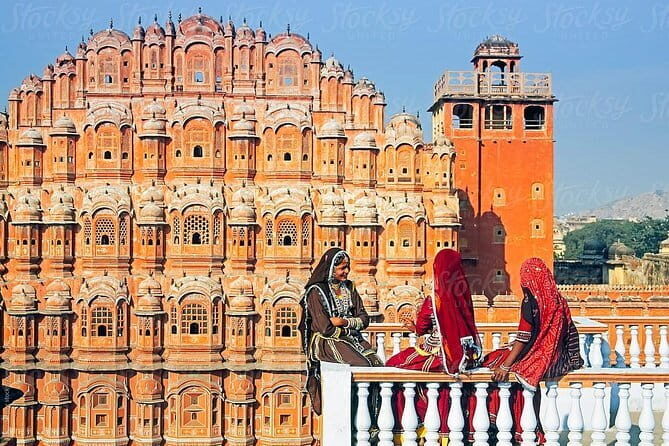
Next up: Hawa Mahal, known as the Palace of Breeze. This is the kind of place you can enjoy even with limited time because the value is in the exterior facade and the window grid. The stop is about 15 minutes, so make them count: look for the symmetry and line up your photos quickly.
Jantar Mantar and the City Palace weight
After Hawa Mahal, you go to Jantar Mantar (the schedule says it was built by Maharaja Jai Singh II of Jaipur in 1724, and it lists the stop around 44 minutes). This is where Jaipur’s “science and planning” side shows up. You’ll see instruments designed for measuring time and celestial patterns. You don’t need a physics degree to enjoy it—just take the time to read what’s being measured and then try to imagine it in use.
Then City Palace for about 1 hour. This is a royal residence and former administrative headquarters. Even if you skip some details inside (the entry notes say not included here), the palace setting gives you a strong sense of Jaipur’s ruling legacy and how power was displayed.
Albert Hall Museum and Galtaji Monkey Temple
You also have time at Albert Hall Museum for about 30 minutes. The description highlights Indo-Saracenic architecture and an assortment of artifacts. A short museum visit can still be worthwhile because it anchors the city’s crafts and materials in one place.
Finally, you end with the Monkey Temple (Galtaji area, described as about 10 km from Jaipur in Khania-Balaji). The description frames it as a Hindu pilgrimage site. Expect a lively environment; just keep an eye on your personal items and don’t act surprised if you see monkeys around.
Day 6: Last Airport Stop and the Drive Back to Delhi
On day 6, the route takes you back to Delhi, with an airport stop again at TWG Tea Boutique at Indira Gandhi International Airport. It’s the same idea as day 1: a calm endpoint with something simple before you board.
The driving time from Jaipur to Delhi is described as about 4.5 to 5 hours (around 270 km). That’s a long enough transfer that you’ll appreciate having it handled in a private car with pick-up and drop-off built in.
Then your tour ends at the airport, with a mobile ticket mentioned as part of how access is provided.
Price and What’s Included (and What You Should Double-Check)

The tour price is listed as $337.07 per group (up to 3), booked on average about 19 days in advance. For a private Golden Triangle with AC transport across multiple cities plus guiding and a hotel with breakfast, that’s not a random number—it reflects the cost of doing this privately instead of DIY.
Here’s the value math that helps you decide: your effective per-person cost drops as you fill the group (up to 3). Even at two people, you’re often getting a better deal than if you paid separately for private car, guide time, and hotels.
What’s included:
- Pickup and drop-off
- Private AC car for the whole tour
- Professional tour guide
- Mineral water bottle
- All taxes and parking
- Accommodation with breakfast
- Monument entry tickets
What’s not included:
- Personal expenses
One practical consideration: the day-by-day stop notes mark some monuments as admission included and others as not included. That doesn’t automatically mean you’ll pay extra at every single site, but it does mean you should confirm what’s actually covered for each stop. The last thing you want is to be standing in line with a card out, wondering if it was supposed to be included.
Who This Tour Suits Best
This tour fits you if:
- you want the Golden Triangle highlights without constant transit decisions
- you like having a guide connect history and meaning to what you’re seeing
- you’re comfortable with a fairly packed schedule and some walking
It may feel intense if:
- you prefer slow sightseeing with long free time
- you hate standing in crowds or moving quickly between monuments
- you want a lot of inside access at every single stop (the schedule includes several short external or limited-time visits)
And a bonus for planning: because it’s a private tour/activity, you’re not sharing the schedule with strangers. If your group wants a few extra minutes at a viewpoint, you’ll have a better chance of getting it.
Should You Book This 5-Night Golden Triangle Tour?
I think this is a strong booking choice if you value convenience and guidance over total independence. The combination of private AC transport, a structured route through Delhi–Agra–Jaipur, and lodging with breakfast is exactly how you protect your vacation time. The airport tea stops are also the kind of small, practical detail that makes the start and finish feel organized.
Before you book, do one quick check: verify which specific monument admissions are included versus not included for your exact dates. Once that’s clear, you can go with confidence. If you’re the type who wants to see the major sights and still keep your day from turning into logistical chaos, this one is worth your time.
FAQ
How long is the Private Golden Triangle Tour?
It runs for 6 days, with 5 nights.
What group size is this tour for?
It’s a private tour for your group, with up to 3 people.
Where does the tour pickup happen?
Pickup starts at Hyatt Regency Delhi Ring Rd, Bhikaji Cama Place, Rama Krishna Puram, New Delhi, Delhi 110066, India.
Is transportation included?
Yes. The tour includes pickup and drop-off and a private AC car for the entire tour activity.
Are monument entry tickets included?
The included list says monument entry tickets are included, but some specific stops are marked as admission ticket not included. It’s smart to confirm what’s covered for each site on your dates.
What is the cancellation policy?
Free cancellation is offered. You can cancel up to 24 hours in advance for a full refund, and changes within 24 hours of the start time aren’t accepted.