REVIEW · NEW DELHI
6 Days Golden Triangle Tour
Book on Viator →Operated by Creative India Holidays · Bookable on Viator
This tour is a tight India sampler. I like the private vehicle setup because it keeps the trip moving between Delhi, Agra, Fatehpur Sikri, and Jaipur without getting stuck in local logistics. I also love the Taj Mahal sunrise plan paired with a second Taj-view moment at Mehtab Bagh, so you get more than one mood of the monument. The one drawback to plan for: the schedule is full, with long driving days and plenty of walking at forts and historic sites.
Delhi works well over two days, hitting the biggest landmarks like India Gate, the Parliament and President area, Raj Ghat, Jama Masjid, Humayun’s Tomb, and Qutub Minar. I like having a professional private guide here because each stop makes more sense when someone explains what you’re seeing instead of you piecing it together on your own. It is still a lot of sights in a short window, so wear comfortable shoes and keep your water bottle handy.
Hotels and meals are handled by your chosen package, and if you book with accommodations you get 5 nights on twin sharing with breakfast. The Taj Mahal stays closed on Fridays, so double-check your travel dates before you fall in love with a sunrise plan. The structure is straightforward: hotel pickup and drop-off, a start time around 8:00am, and a final drive back to Delhi on day 6.
In This Review
- Key highlights to know before you go
- Six Days Through Delhi, Agra, Fatehpur Sikri, and Jaipur
- Delhi Two-Day Plan: India Gate to Qutub Minar
- Taj Mahal: Sunrise Visit and Sunset at Mehtab Bagh
- Agra Fort and Baby Taj After the Main Event
- Fatehpur Sikri and the Long Ride into Jaipur
- Jaipur Highlights: Amer Fort, Hawa Mahal, and Jantar Mantar
- Private Car, Drivers, and the Value of a Real Guide
- Price, Options, and the Practical Stuff You Should Check
- Should You Book This 6-Day Golden Triangle Tour?
- FAQ
- What cities are included on the 6-day Golden Triangle tour?
- What time does the tour start each day?
- Is transportation private and air-conditioned?
- Does the price include hotels and meals?
- Are monument entrance fees included?
- Is the Taj Mahal open every day?
- Can I cancel and get a refund?
Key highlights to know before you go
- Two Taj Mahal viewpoints: sunrise timing plus a sunset-style option at Mehtab Bagh
- Real private pacing: air-conditioned car with hotel pickup/drop-off each day
- Delhi on two beats: major Mughal and imperial-era sights across day 2
- Fatehpur Sikri stop: the “Ghost City” layout on the way to Jaipur
- Jaipur essentials: Amer Fort, Jal Mahal, Hawa Mahal, Jantar Mantar, and City Palace
- Driver quality can make a difference: guests mention standout people like Rakesh, Sanjay, Manoj, Raju, and Foran Singh
Six Days Through Delhi, Agra, Fatehpur Sikri, and Jaipur
This is the classic Golden Triangle route, built for people who want big-name India in a short amount of time. You’ll spend your days in a comfortable, air-conditioned private vehicle, with hotel pickup and drop-off to reduce friction. The upside is speed and convenience; the trade-off is that you’re mostly on the move, not lingering slowly.
The rhythm is simple. Day 1 begins when you arrive at Delhi Airport and get transferred to your hotel. Days 2 through 5 focus on sightseeing in Delhi, Agra, Fatehpur Sikri, and Jaipur, then day 6 is the ride back to Delhi to end the tour. Distances aren’t tiny—expect about 4 hours from Delhi to Agra, around 5 hours to Jaipur (via Fatehpur Sikri), and another roughly 5 hours back to Delhi.
I like this structure because it lets you see a lot without guessing. You’ll still want to be realistic about early mornings and afternoon heat, but the trip is organized so you spend less time figuring out transport and meeting points.
A few more New Delhi tours and experiences worth a look


Delhi Two-Day Plan: India Gate to Qutub Minar
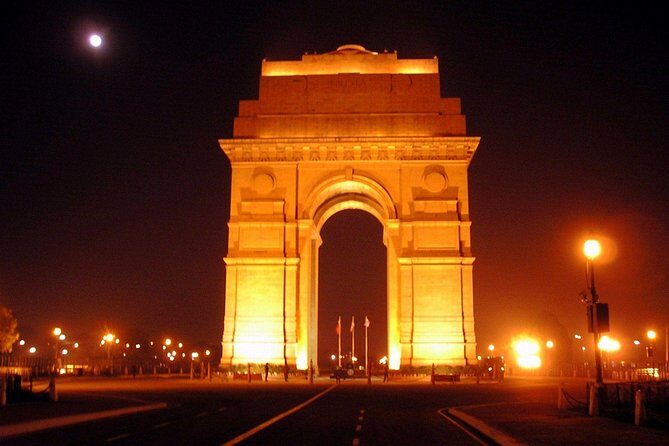
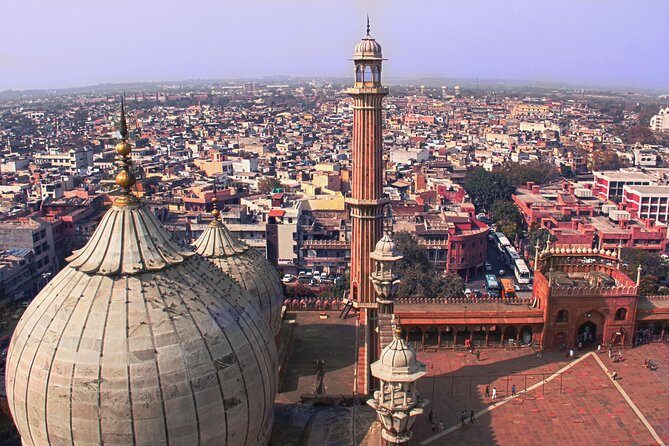
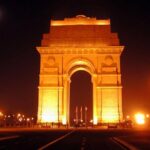
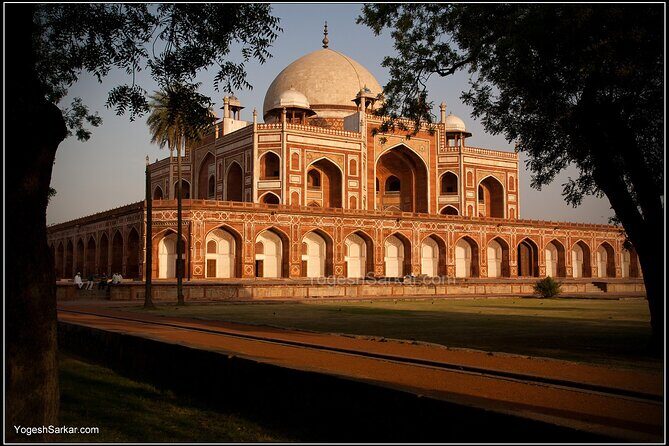
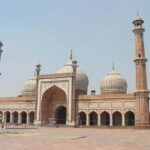
Delhi gets the right kind of attention here: not just one sightseeing day, but two days that cover different eras and styles. Day 2 is packed with famous landmarks such as India Gate, the Parliament House and President House area, Raj Ghat, Jama Masjid, Humayun’s Tomb, and Qutub Minar, plus time to move between them in a private vehicle.
What I like is that the itinerary doesn’t treat Delhi like a single checklist. With a private guide, you can connect the meaning of the places: Jama Masjid and Humayun’s Tomb point you toward the Mughal imprint, while Qutub Minar brings you into the older Dehli Sultanate story. India Gate and the government buildings ground you in modern Delhi.
Practical note: you’re doing a lot of walking around monument areas. I’d plan to keep your schedule light the evening you arrive on day 1, then start fresh for day 2 with a good breakfast. You also might want to bring a scarf or light layer—forts and memorial sites can feel cool in the morning and warm later.
Taj Mahal: Sunrise Visit and Sunset at Mehtab Bagh
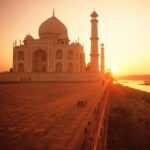
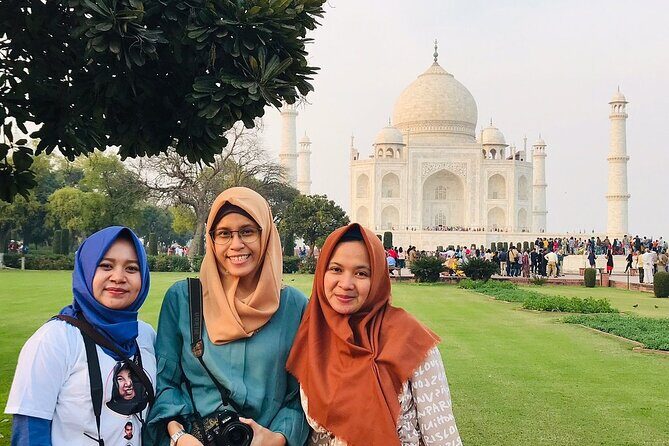
If the Taj Mahal is the reason you’re coming, this tour gives you more than one chance to see it. One day is built around a very early morning visit for sunrise—timed so you don’t miss the magical lighting window. On another day, you get an evening-friendly viewpoint at Mehtab Bagh, which is a strong complement because it changes the angle and feel of the monument.
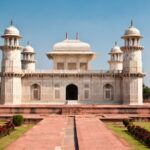
Day 3 is when you head to Agra, and you also get time for Itmad-Ud-Daulah, often called the Baby Taj, plus Mehtab Bagh for the sunset view. Day 4 brings you back to the Taj Mahal for sunrise again, then you continue into Agra’s other major sights.
Two big reasons this is worth caring about:
- You’re not stuck on one photo moment. Different lighting reveals different details in the marble and surrounding landscape.
- You break the Taj up with other Agra stops. That helps your brain stay engaged rather than only chasing the next “must-see.”
One essential heads-up: the Taj Mahal remains closed for all visitors on Fridays. If your trip lands on a Friday, expect your timing to shift, so confirm plans early.
Agra Fort and Baby Taj After the Main Event
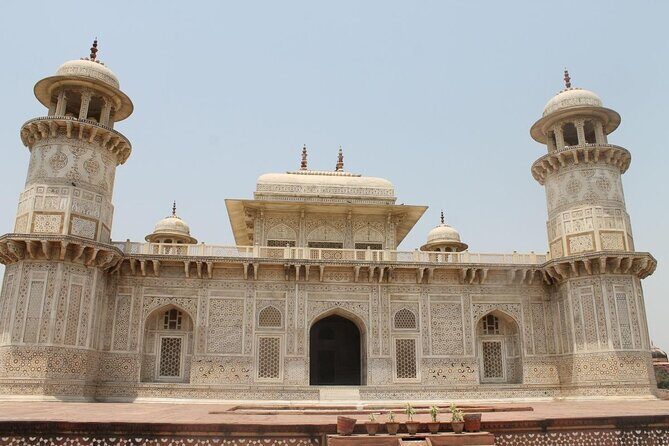
Agra can feel like a one-monument town if you only focus on the Taj Mahal. The tour avoids that trap by scheduling other historic highlights alongside the big attraction. On day 3, Itmad-Ud-Daulah is a smart add-on because it’s smaller and easier to slow down in than the Taj area. If you like detailed marble work and the feel of Mughal-era craftsmanship, Baby Taj is the kind of stop that makes your Taj visit land better.
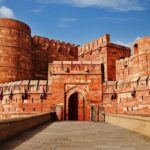
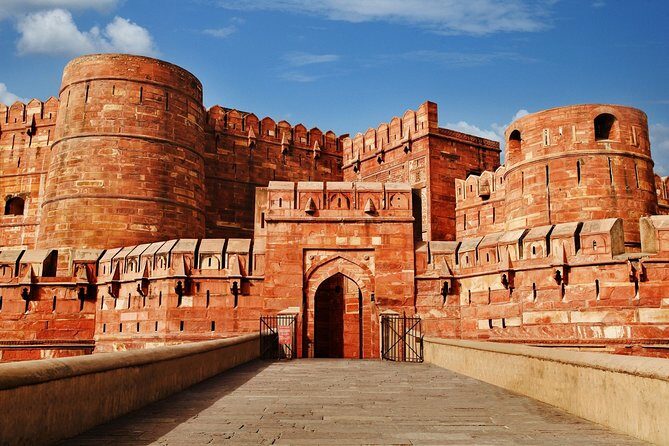
On day 4, after the sunrise Taj Mahal visit and breakfast time, you go to Agra Fort after lunch. Agra Fort is a great contrast to the white-marble romance of the Taj—this is about power, walls, and the scale of the city’s rulers. It also gives you a chance to spend time inside a fort complex rather than only moving between one main courtyard and exit lanes.
I also appreciate that the tour builds in actual recovery time: you’re back to a hotel for dinner on day 3 and you return to hotels after each sightseeing block. Still, you should expect some stairs and uneven ground around forts and tomb areas, so go with shoes that won’t make you regret your life choices by afternoon.
Fatehpur Sikri and the Long Ride into Jaipur
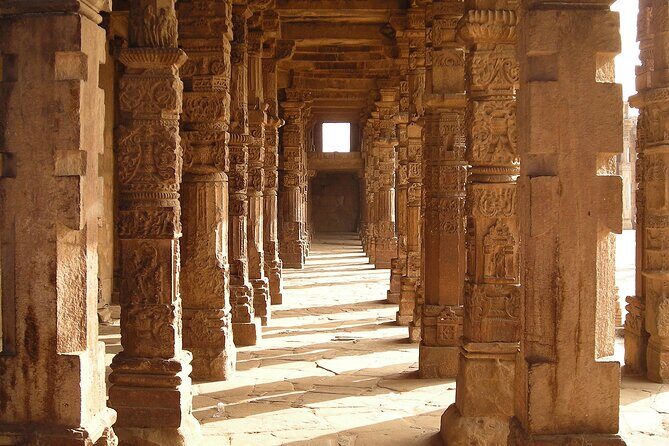
The drive from Agra to Jaipur is long enough that it becomes part of the itinerary, not a footnote. You travel roughly 240 km and about 5 hours, usually comfortable in an air-conditioned car. On the way, you stop at Fatehpur Sikri, often described as the Ghost City—less about scary stuff and more about the dramatic, abandoned feel of the site.
This stop works because it gives your Golden Triangle story a different chapter. You’ve already been in the Mughal world with the Taj and Baby Taj; Fatehpur Sikri feels like a broader cultural snapshot, and the layout makes it easy to imagine how it once functioned. You can also catch the contrast between grand architectural ambition and the quieter, empty spaces that linger after centuries.
Because lunch and dinner aren’t included, I suggest planning for food timing on travel days. You’ll likely want water on hand, and you might prefer to snack when you can rather than waiting for a proper sit-down meal. The tour’s advantage is that your transportation is handled; your body still needs support during long road hours.




Jaipur Highlights: Amer Fort, Hawa Mahal, and Jantar Mantar
Jaipur is where the tour becomes a visual hit list—in a good way. Day 5 focuses on Amer Fort, Jal Mahal, Hawa Mahal, Jantar Mantar, and City Palace, all in one coherent day. It’s the kind of lineup that covers different interests: fort views, palace design, street-level landmark energy, and the city’s scientific heritage.
Amer Fort is usually the anchor. It’s worth mentally switching modes here: you’re no longer only looking for iconic photos, you’re exploring a fortified complex with history built into the walls and courtyards. Jal Mahal adds a calmer moment—less about marching through rooms and more about landscape and reflection. Then Hawa Mahal brings you back to the façade side of Jaipur: the facade is striking, and the structure is tied to how the palace functioned.
Jantar Mantar and City Palace complete the day. Jantar Mantar is all about instruments and geometry, while City Palace ties the day together with royal-era power and design. You will walk, and you may climb, so plan for comfort.
If you care about Jaipur hotel choice, do one extra check. One guest specifically called out the Fern Habitat hotel in Jaipur as a weak point in their experience, so I recommend confirming the exact hotel name and what it offers before you lock anything in.
Private Car, Drivers, and the Value of a Real Guide
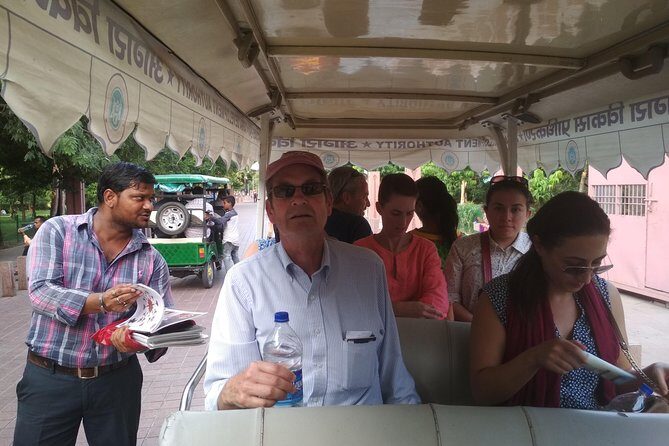
The tour is set up as a private experience, meaning it’s just your group. That matters in North India because you’re not sharing a vehicle or dealing with constant regrouping. You get a professional private tour guide and hotel pickup/drop-off, and the transport is air-conditioned—an underrated comfort when your day includes long drives.
What also comes through in guest accounts is that driver personality changes everything. People have praised drivers such as Rakesh, Sanjay, Manoj, Raju, and Foran Singh for promptness, smooth driving, and friendly professionalism. If you’re booking and you can request preferences, it’s worth asking the provider whether you can be assigned one of the drivers who’s been consistently strong.
Guide quality matters too. One account highlighted Abdul in Agra, and others mentioned guides named Sujal, Manish, and Ragu across locations. The same accounts also emphasized safety and the use of government-registered tour guides, which is exactly what you want to hear when you’re spending days on the road.
My practical takeaway: if you care about depth, ask your guide one or two specific questions each day. For example, ask what to look for first at each site. A good guide will turn a monument visit into something you remember.
Price, Options, and the Practical Stuff You Should Check
At $208 per person for 6 days, this tour can be good value—especially because private vehicle transport, hotel pickup/drop-off, and a professional private guide are part of the deal. But the real value depends on which package option you choose. Accommodation and meals are available with or without hotels, and the included items list says 5 nights on twin sharing with breakfast only if you book the option that includes hotels.
Entrance fees are also not automatically universal. Monument entrance fees are included only if you pick the option that includes admissions. Lunch and dinner are not included, and drinks aren’t included either, so your food budget should be part of your planning.
Also note the tour includes “all taxes” and offers group discounts and mobile tickets. These sound like small items, but they cut down on hassle—less arguing over who pays what, and fewer ticket headaches.
Before you book, I’d confirm three things:
- Whether your $208 is the base tour only or tied to the hotel package you want
- Whether monument entrance fees are included in your chosen option
- The hotel name in Jaipur (since at least one guest had a negative experience with Fern Habitat)
Should You Book This 6-Day Golden Triangle Tour?
I’d book it if you want structure, speed, and a private setup that gets you from Delhi to Agra to Jaipur without transport headaches. The best reason is the way it handles the Taj Mahal—sunrise viewing plus a second Taj viewpoint at Mehtab Bagh. Add the Baby Taj contrast and the Fort stop, and you get more than a single-photo day.
Skip it (or rethink) if you hate packed schedules. This itinerary moves fast, and you’ll walk in big historic sites and spend a lot of time in transit. Also, if your travel dates fall on a Friday, the Taj Mahal closure can shift your expectations, so confirm your exact plan early.
If you like planning your trip with a guide but still want comfort, this works. If you prefer slow travel and lots of free time, you might feel boxed in.
FAQ
What cities are included on the 6-day Golden Triangle tour?
The tour is based in New Delhi and includes Delhi, Agra, Fatehpur Sikri, and Jaipur, with a return drive back to Delhi on day 6.
What time does the tour start each day?
The start time is listed as 8:00am. The itinerary begins with airport arrival transfer on day 1 and then continues with sightseeing days from there.
Is transportation private and air-conditioned?
Yes. All transfers and sightseeing are by air-conditioned private vehicle, with hotel pickup and drop-off included.
Does the price include hotels and meals?
Packages are available with or without accommodation and meals. If you book the option including hotels, you get 5 nights of twin-sharing accommodation with breakfast. Lunch and dinner are not included, and drinks aren’t included.
Are monument entrance fees included?
Monument entrance fees (admission tickets) are included only if you choose the option that includes them.
Is the Taj Mahal open every day?
No. The Taj Mahal remains closed for all visitors on Friday.
Can I cancel and get a refund?
You can cancel up to 6 days in advance of the experience for a full refund. If you cancel 2–6 days before, the refund is 50%, and within 2 days there’s no refund.