REVIEW · NEW DELHI
Holy North India & Nepal Journey
Book on Viator →Operated by Incredible Real India Tours · Bookable on Viator
First light on the Ganges and Taj Mahal days is a winning combo. What makes the Holy North India & Nepal Journey special is the mix of major sites and day-to-day comfort, with airport pick-ups and private driving built in, plus the kind of on-the-ground help that can turn logistics into a smooth story. I also really liked the human touch, especially when our guide Sandeep helped explain what we were actually seeing, not just what to photograph.
The main thing to watch is pace. You’re packing a lot of moving parts across India and Nepal, and some mornings start early, so this works best if you like structured days more than unplanned wandering. Also, monument entry details aren’t all bundled, so you’ll want to plan for extra tickets that aren’t marked as included.
In This Review
- Key highlights I’d plan around
- Price and logistics: what $2,556 covers (and why it matters)
- First nights in Delhi: airport pick-up, Qutb Minar, and major faith stops
- Rajasthan without the bus-rush: Mandawa heritage walks and Jaipur forts
- Agra and the Taj Mahal timing problem (and how this tour handles it)
- Varanasi at first light: Ganges boat ride, ghats life, and Sarnath
- Lumbini’s Buddha trail: Maya Devi Temple, Ashoka links, and nearby Kapilvastu
- Chitwan National Park: elephants, jeep safari, and canoe time
- Pokhara’s lakeside reset: boat transfer, Fewa Tal time, and Sarangkot sunrise
- Kathmandu’s Durbar Squares and Thamel markets: art, temples, and street life
- Nagarkot’s Himalayan views from 2,000 meters: panoramic trail time
- Back to Delhi with a buffer: keep your energy for the flight home
- Who this tour fits best (and who should rethink it)
- Should you book Holy North India & Nepal Journey?
- FAQ
- How long is the Holy North India & Nepal Journey?
- What cities are included in the trip?
- Are airport pick-ups included?
- Are flights included?
- Is a guide and local driver included?
- What major activities are included?
- How are meals handled on the trip?
- Are monument tickets included?
- Is the booking refundable if plans change?
- What if the minimum traveler requirement isn’t met?
Key highlights I’d plan around
- Private comfort and quick arrivals: airport pick-ups with your name sign, air-conditioned vehicle, and WiFi on board to keep travel days easier.
- Ganges sunrise + evening ritual boat ride: start early for ghats life, then end with sunset prayers on the river.
- Chitwan National Park by jeep and canoe: a true wildlife-focused day using a private jeep safari and canoe time.
- Buddha pilgrimage days in Lumbini: you visit major temple sites plus Ashoka-related heritage and nearby Kapilvastu-area stops.
- Himalaya views from Nagarkot: clear viewpoint time with a panoramic hiking trail option and huge-range visibility.
- A guide who explains the why: the trip is strongest when your guide helps you connect culture, religion, and architecture.
Price and logistics: what $2,556 covers (and why it matters)
At $2,556 per person, the value comes from what’s already locked in. Flights are included for the India-to-Nepal arc (Delhi to Varanasi) and the return leg (Kathmandu to Delhi). You also get about 20 nights in selected accommodation on single or double occupancy, with daily breakfast included (listed as 20 breakfasts).
Then there’s the “time-saving” bundle: a private car for your group, plus a native English-speaking local driver and private guide. You’re not just moving between cities; you’re moving with someone who can handle timing, entrances, and translations. On top of that, government taxes (including a 5% GST) and tolls/parkings are included, which removes that annoying layer of surprises.
One more thing: private safari and boat rides are often where tours quietly cut corners. Here, those core experiences are explicitly included, including a private jeep safari in the jungle and a sunrise boat ride on the Ganges, plus a sunset boat ride for evening prayers.
You can also read our reviews of more tours and experiences in New Delhi.

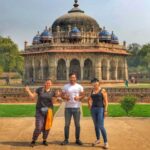

First nights in Delhi: airport pick-up, Qutb Minar, and major faith stops
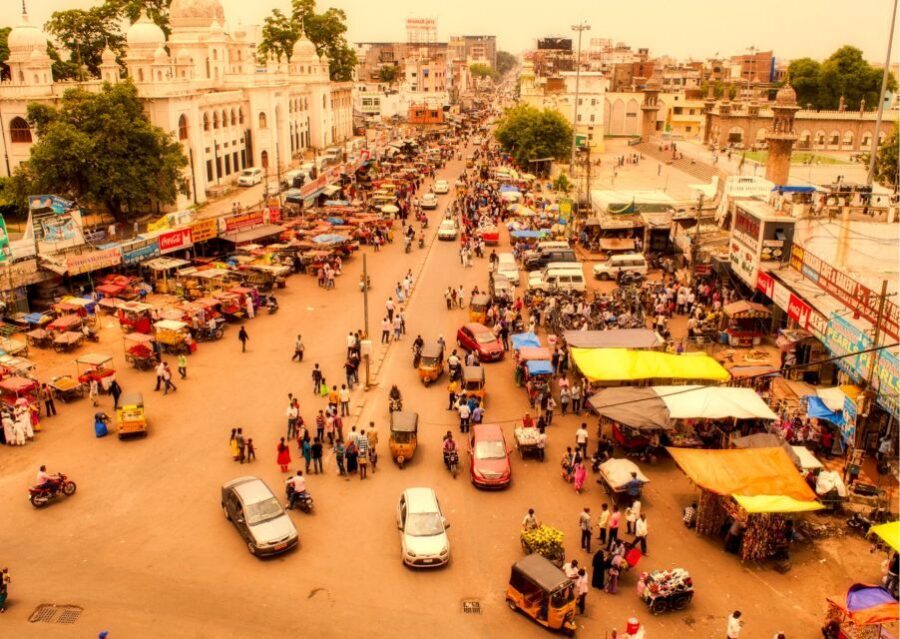
Your trip begins at Indira Gandhi International Airport. You’re met with a signed board under your name and transferred to your hotel. That matters in Delhi, because arriving without a clear plan can waste your first evening.
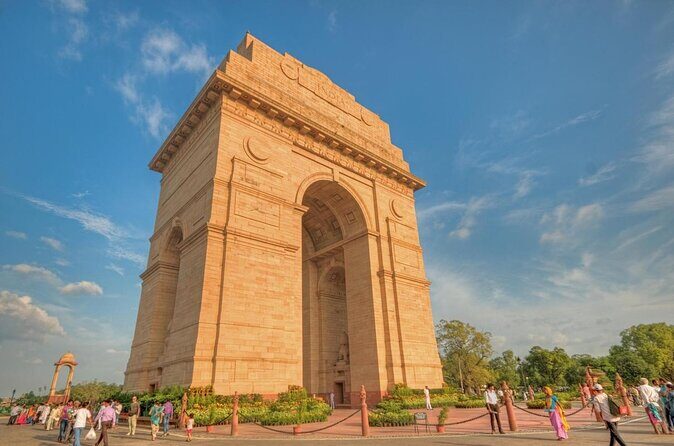
On day one and two, you get classic Delhi landmarks in a logical sweep. You start with the Qutb Minar area, part of the UNESCO Qutb complex. It’s one of those spots where you can feel the scale even if you’re not a monuments nerd.
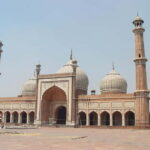
Then you shift into Mughal-era big hitters: Humayun’s Tomb, Red Fort, and Jama Masjid. Even if you’ve seen pictures, these places hit differently when you’re standing next to the architecture and watching real worship and city life.
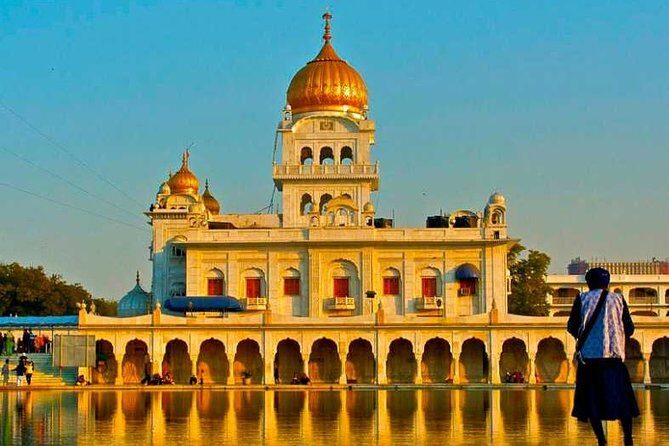
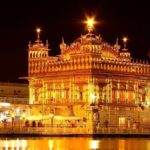
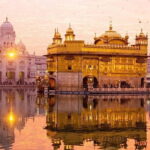
The trip also includes a Hindu spiritual-cultural campus stop at Swaminarayan Akshardham. You’ll also visit Gurudwara Bangla Sahib, known for its sarovar (holy tank) within the complex. If you like understanding how different faiths shape daily rhythms, this mix is a strong start.
Practical note: expect a couple of long sightseeing blocks on foot and in crowds. Delhi days are about endurance, not museum-lane strolling.
Rajasthan without the bus-rush: Mandawa heritage walks and Jaipur forts
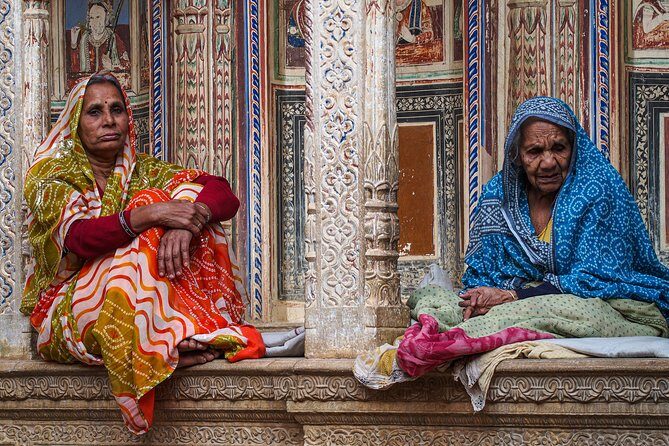
After Delhi, you head to Rajasthan’s Shekhawati region and the town of Mandawa. This part of the journey feels more human scale. Mandawa is known as an outdoor museum thanks to painted mansions (havelis). You also get a heritage walk focused on those silk-route-era mansions.
It’s a nice break from the “big monument” pattern because the details are smaller and more personal. Instead of one iconic building, you get many corners of architecture and mural work.
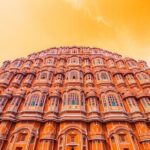
In Jaipur, the trip leans into royal and fort architecture. You’ll visit the City Palace, then move to Amer/Amber Palace, known for its fort layout and commanding views. From there you’ll also see Hawa Mahal, the Palace of Winds, built of red and pink sandstone—one of those buildings that looks like a design trick until you see the real façade.
Jaipur isn’t only forts. You also get scenic and defensive viewpoints with Jaigarh Fort and Nahargarh Fort, plus the Royal Gaitor tomb complex. It feels like the trip is asking you to look outward as much as inward, which is great if you enjoy panoramic city context.
If you want a more local-culture texture beyond palaces, you’ll appreciate temple stops too: Albert Hall Museum, Birla Mandir (white marble and Lakshmi-Narayan dedication), and Galtaji Temple with its hillside crevice setting.
Possible drawback: Jaipur days can feel packed. If you’re the type who likes long café breaks between sights, you’ll need to build that downtime yourself around scheduled stops.
Agra and the Taj Mahal timing problem (and how this tour handles it)
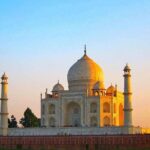
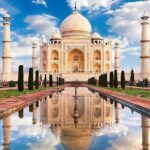
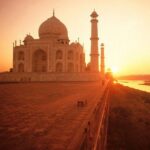
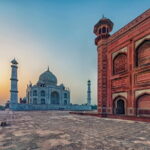
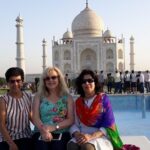
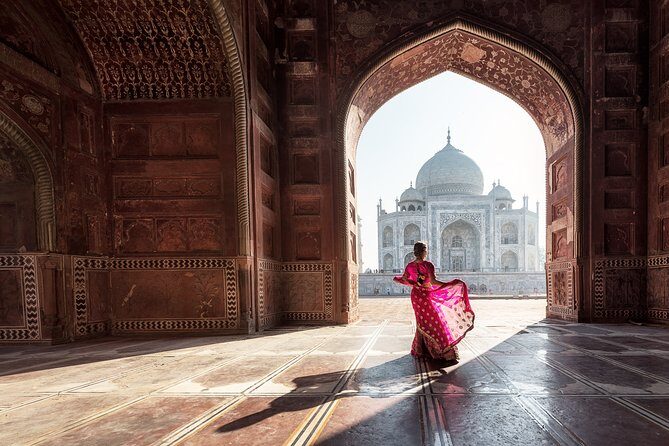
Agra brings the big one: the Taj Mahal. The way this trip approaches Agra is smart because it builds in options. If your day lands on Friday, be aware the plan notes closures around that day. It also suggests an alternative timing approach—either a sunset Taj Mahal view from the back side by the Yamuna, or a sunrise Taj visit the next morning if time doesn’t allow.
So you’re not stuck hoping. You get a practical way to work around closures and daily limits.
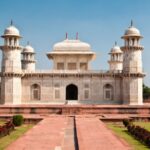
Beyond the Taj Mahal, you’ll also see Agra Fort and the Tomb of Itimad-ud-Daulah, often described as a jewel-box style precursor to the Taj. That tomb stop is valuable if you find the Taj too overwhelming in one sitting. You can compare details and craftsmanship in a calmer setting.
There’s also a Dayal Bagh Temple stop. It’s different from the Mughal tone, and it gives the day some spiritual variety.
Tip for your photos: even if you don’t care about camera gear, time-of-day matters a lot at the Taj. If you get a sunrise option, take it.
Varanasi at first light: Ganges boat ride, ghats life, and Sarnath
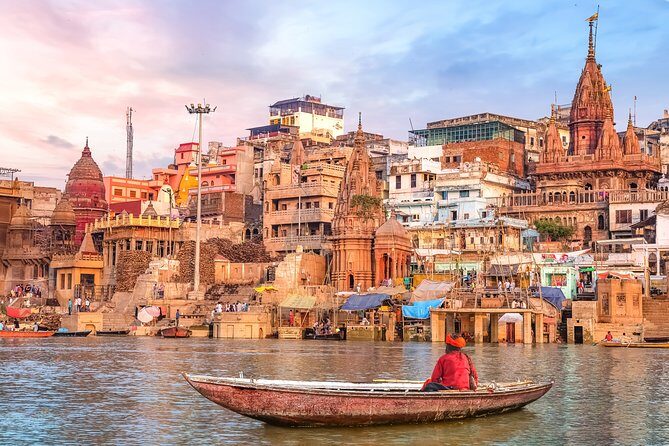
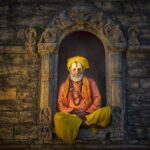
Varanasi is where the trip turns from “historic sites” into “lived culture.” You’ll fly into Varanasi and then start your day before sunrise for the Ganges ghats. The plan includes a morning boat ride pulled manually by hand, aimed at showing daily life: bathing, rituals, and the rhythm that’s hard to catch any other way.
Then you’ll step along Banaras ghats, where the city has many ghats and the day splits into bathing and prayer spaces, plus separate cremation sites. This is not a sightseeing “stop and pose” place. You’ll want to move respectfully, give people space, and let the moment breathe.
After that, the tour includes Sarnath, the Buddhist site connected to the wider story of Buddha’s teachings. It’s a useful counterpoint to the river-front intensity, and it helps the trip’s India-to-Nepal theme feel more coherent.
If you’re sensitive to crowds and early mornings: Varanasi will still be worth it, but plan for sensory overload and bring patience.



Lumbini’s Buddha trail: Maya Devi Temple, Ashoka links, and nearby Kapilvastu
The Nepal leg starts with Lumbini, traditionally connected to the birthplace story of Gautama Buddha. You visit the Sacred Garden and the Maya Devi Temple, described as the main temple at Lumbini. You’ll also see the Ashoka Pillar listed as a World Heritage site, and you’ll visit Shakya Tank and remnants of older monasteries and chaityas built over centuries.
This portion works well because it doesn’t try to force everything into one photo stop. You get a full set of sites: temple, heritage markers, and archaeological leftovers that show the long timeline of Buddhist devotion.
You also take an excursion to Tilaurakot, tied to Kapilvastu and the Shakya dynasty story. The plan includes Zone Monastery and Lumbini village as part of that exploration.
In the next Lumbini day, you visit the Chinese Temple, built in pagoda-style architecture with a calm internal courtyard. You’ll also see the World Peace Pagoda, a Buddhist stupa intended as a symbol for peace across races and creeds.
If you like your travel tied to meaning, this is one of the most grounded parts of the trip.
Chitwan National Park: elephants, jeep safari, and canoe time
Chitwan is the break from temples and monuments into nature and animals. The tour includes time focused on wildlife, with an emphasis on elephants. You’ll do open jeep safaris through mud tracks and also traverse streams on canoes.
What I like here is the variety of movement. Jeep safari gets you the “spotting” energy, while canoe time can slow things down enough that you notice how the jungle feels, not only what you can see quickly.
Value note: a private jeep safari is often where pricing differences show. This one explicitly calls it out as included, which means the safari experience is a central part of your money, not an optional upgrade.
Pokhara’s lakeside reset: boat transfer, Fewa Tal time, and Sarangkot sunrise
Pokhara is a mental reset after Chitwan. You transfer by boat ride and spend time around Fewa and Barahi Lakes. This is where the trip’s “big cultural circuit” slows into softer scenery.
You’ll also drive and spot views of Mount Machhapuchhare among other peaks, then you get a sunrise experience that’s a highlight on its own. The plan includes sunrise over the mountain array and an additional spectacular sunrise on the way to Sarangkot.
Then you get more lakeside and monastery stops. On the next day: Phewa Tal, Matepani Gumba (a monastery on a hill), and Begnas Lake. Even if you’re not a hardcore hike person, this day helps you feel Pokhara as a place, not just a transit point.
Kathmandu’s Durbar Squares and Thamel markets: art, temples, and street life
In Kathmandu, the tour moves into the Kathmandu Valley’s core heritage. You visit Durbar Square, described as the Court of Royalty, plus history and art scene elements. You also get time in colorful bazaars and market squares in Thamel, with its lively nightlife.
On the next Kathmandu day, you visit Kathmandu Durbar Square again as a UNESCO-listed heritage zone, and then you explore Hanuman Dhoka, a complex that includes the Royal Palace of the Malla kings and also the Shah dynasty structures. It’s spread across five acres and is named after a stone image of Hanuman near the main entryway.
This gives you layered context: royal power, art, and living neighborhood energy all in one trip block. It’s also a practical way to end the Nepal story before moving into viewpoint country.
Nagarkot’s Himalayan views from 2,000 meters: panoramic trail time
Nagarkot is the “look up” day. You drive there to a height around 2,000 meters, and the focus becomes the Himalaya views. The plan also includes a Nagarkot Panoramic Hiking Trail, famous for Himalayan views visible from the comfort of a hotel balcony.
The big selling point here is clarity: the itinerary notes eight ranges visible, including Annapurna, Manaslu, Ganesh Himal, Langtang, Jugal, Rolwaling, Everest, and Numbur (weather matters, but you’re at a prime viewpoint).
This day is a good fit for travelers who like a slower pace at the end. After multiple cities, the view-based approach feels like reward.
Back to Delhi with a buffer: keep your energy for the flight home
You return to Delhi and get a flexible last sightseeing day. One option is to prep for departure and rest at your hotel. The other option is a quick Delhi day if you want markets and extra walking.
Then on the final day, a driver takes you to the airport according to your flight schedule. That buffer is more than convenience. It helps you avoid the classic “last day panic” when you’re crossing time zones and starting home travel tired.
Who this tour fits best (and who should rethink it)
This trip is a strong match if you want a private, structured experience across major India and Nepal highlights, and you value having a guide to connect the dots between religions, architecture, and daily life.
It also suits couples and small groups who want private vehicles, not shared buses, and who appreciate early starts when they unlock better experiences—especially for Varanasi and sunrise options.
If you’re the type who hates a packed schedule, or you want lots of unplanned time in just one city, you might find the pace demanding. In that case, you could consider breaking this into separate India and Nepal trips.
Should you book Holy North India & Nepal Journey?
I’d book this if you want two things at once: big-ticket cultural sights (Delhi, Jaipur, Agra) and meaningful Nepal pilgrimage and nature time (Lumbini, Chitwan, Pokhara, Kathmandu, Nagarkot). The inclusion list is where it earns trust—especially Ganges boat rides, private jeep safari, airport transfers, and the guide + driver setup.
I would hesitate only if you strongly prefer flexible, slow travel with lots of downtime. This one is built to move, and it will ask you to show up on schedule, including early mornings.
FAQ
How long is the Holy North India & Nepal Journey?
It’s listed as 21 days (approx.).
What cities are included in the trip?
The journey includes Delhi, Mandawa, Jaipur, Agra, Varanasi, Lumbini, Chitwan National Park, Pokhara, Kathmandu, and Nagarkot.
Are airport pick-ups included?
Yes. You get pick-up from Delhi Airport and Varanasi Airport, and later from Kathmandu with transfers described in the plan.
Are flights included?
Yes. Flights are included for Delhi to Varanasi and Kathmandu to Delhi.
Is a guide and local driver included?
Yes. The tour includes a native English-speaking local driver and private guide, plus an air-conditioned vehicle.
What major activities are included?
Included activities include a private jeep safari in Chitwan and sunrise boat ride on the Ganges, plus a sunset boat ride for evening prayers.
How are meals handled on the trip?
Breakfast is included (20), and lunch (2) and dinner (3) are included as specified.
Are monument tickets included?
Not all are included. The plan notes that some admissions are included while others are free, and it also states monument tickets and camera fees are not included (plus tips and meals unless specified).
Is the booking refundable if plans change?
No. The experience is non-refundable and cannot be changed for any reason.
What if the minimum traveler requirement isn’t met?
If it’s canceled because the minimum isn’t met, you’ll be offered a different date/experience or a full refund.