REVIEW · NEW DELHI
4 Days Private Golden Triangle Tour Delhi-Agra-Jaipur.
Book on Viator →Operated by Delhi Sightseeing Tour · Bookable on Viator
One word: momentum. In four days, this private Golden Triangle route strings together Delhi, Agra, and Jaipur with a real plan and a local guide at the key stops.
What I like most is that you get private transport with a driver (plus WiFi and bottled water), so you spend less time figuring things out and more time looking up at monuments.
The only real drawback to plan for is the extras: monument tickets and food aren’t included, so your final cost depends on what you choose to pay for once you’re there.
In This Review
- Key Points I’d Highlight Before You Go
- Why This 4-Day Golden Triangle Feels Less Like Running and More Like Seeing
- Day 1 in Delhi: Old Delhi to Qutb Minar Without Missing the Main Story
- Jama Masjid: Mughal grandeur first
- Chandni Chowk: A classic market run, with a rickshaw ride
- Gandhi Smriti: A short stop with big emotional weight
- India Gate and Rashtrapati Bhavan: National landmarks, photo-friendly stops
- Gurudwara Bangla Sahib: Peace, free entry, and the langar tradition
- Qutb Minar: UNESCO sight that anchors South Delhi
- Day 2 in Agra: The Taj Mahal and Agra Fort, Held to a Reasonable Frame
- Taj Mahal: The icon, with guided meaning
- Agra Fort: A bigger, historical counterpoint
- Day 3 to Rajasthan: Chand Baori’s Geometry and Birla Mandir’s White Marble Calm
- Chand Baori: A thousand-year-style stepwell for photos and wonder
- Birla Mandir Temple: White marble, free entry, and a clean view of devotion
- Day 4 in Jaipur: Amber Fort, Jal Mahal, City Palace, Jantar Mantar, and Hawa Mahal
- Amber Fort: Rajput architecture you can actually read
- Jal Mahal: A quick look at the water palace
- City Palace: Where royal administration and ceremony meet
- Jantar Mantar: 19 instruments and a stone sundial showstopper
- Hawa Mahal: The 953-window facade
- What’s Included (and Why It Matters): Car, Driver, Guide, WiFi, and Water
- Monument Tickets and Food: The Budget Piece You’ll Want to Plan For
- How to Get More From Your Guide (Without Becoming Exhausting)
- Who Should Book This Private Golden Triangle Tour?
- Should You Book This 4-Day Private Golden Triangle?
- FAQ
- What’s included in the tour price?
- Are monument tickets included?
- Is pickup available?
- Do you include food and drinks?
- Is this a private tour or a shared tour?
- What if plans change and I need to cancel?
Key Points I’d Highlight Before You Go
- Private Delhi-to-Jaipur transport with driver, WiFi on board, and daily bottled water.
- Old Delhi sampling done right, including a market walk and a rickshaw ride in Chandni Chowk.
- Big-name sights with guided context, from the Taj Mahal to Jaipur’s Jantar Mantar.
- Sikh, Mughal, and Rajput stops in one loop, so the cultural story doesn’t feel one-note.
- Monument tickets are extra, meaning you should budget for entrances ahead of time.
- A guide can make or break the day, and this tour’s feedback repeatedly credits strong, English-speaking guiding.
Why This 4-Day Golden Triangle Feels Less Like Running and More Like Seeing
The Golden Triangle is famous for a reason: you get three different “faces” of India in one trip. Delhi is politics, markets, and Mughal-era architecture. Agra gives you the icon. Jaipur adds the Rajput skyline and geometry.
What makes this particular 4-day plan practical is that it’s set up as a private tour with a driver and guide plus local orientation at the destinations. That matters because these cities move fast. Without structure, it’s easy to waste time on transport confusion, long ticket lines, or trying to understand what you’re actually looking at.
This route also keeps the pacing focused. Instead of cramming every possible sight into each city, it concentrates on landmarks that are both recognizable and meaningful. You’ll still have travel time between cities, but you won’t feel like every hour is spent commuting.
You can also read our reviews of more private tours in New Delhi



Day 1 in Delhi: Old Delhi to Qutb Minar Without Missing the Main Story
Day 1 is where Delhi shows its layers. You start with Mughal scale, then slide into market life, then swing to modern national memory and back to another major heritage cluster. It’s a full sampler platter, but it’s sequenced in a way that helps you connect the themes.
Jama Masjid: Mughal grandeur first
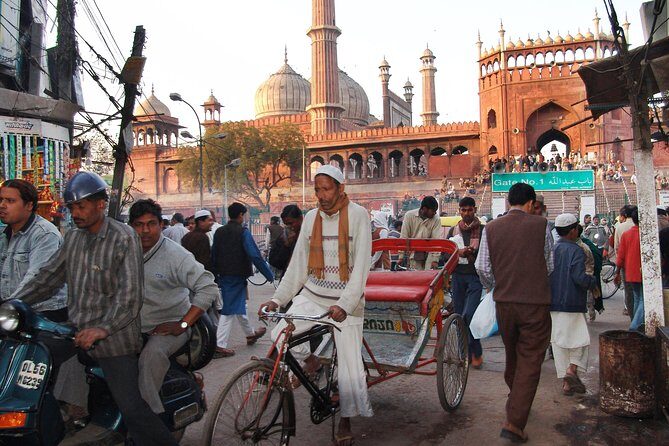
You’ll visit Jama Masjid, one of India’s largest mosques, built by Emperor Shah Jahan between 1650 and 1656. It also functioned as the imperial mosque for Mughal rulers until the empire faded in 1857.
What’s great here: the scale hits you quickly, and a guide can help you understand what makes the design feel so intentional.
A watch-out: admission isn’t included, so if you want to go inside, plan for the ticket. Also, dress and footwear rules are common at religious sites—keep that in mind so you’re not caught off guard.
Chandni Chowk: A classic market run, with a rickshaw ride
Next comes Chandni Chowk, one of Old Delhi’s oldest and busiest markets. You get both time to walk and a rickshaw ride, which is a smart combo. Sitting on a rickshaw gives you a moving snapshot of the lanes, while the walk lets you slow down for details and photos.
What’s great here: it’s one of the best ways to feel how everyday Delhi works—shops, street life, and the density that makes the city what it is.
A watch-out: this area is busy and can be tiring. Wear comfortable shoes, and expect that you’ll want to pause more often than you think for pictures and storefront details.
Gandhi Smriti: A short stop with big emotional weight
At Gandhi Smriti, you’re in the museum dedicated to Mahatma Gandhi, including the location where he spent his last 144 days and where he was assassinated on 30 January 1948. Entry is free.
What’s great here: it gives you a calmer, reflective break between sensory-heavy sites. Even if you don’t know every detail already, the guide can help stitch the story together.
A watch-out: the visit is scheduled for about 30 minutes, so keep your questions ready if you want deeper context.
A few more New Delhi tours and experiences worth a look



India Gate and Rashtrapati Bhavan: National landmarks, photo-friendly stops
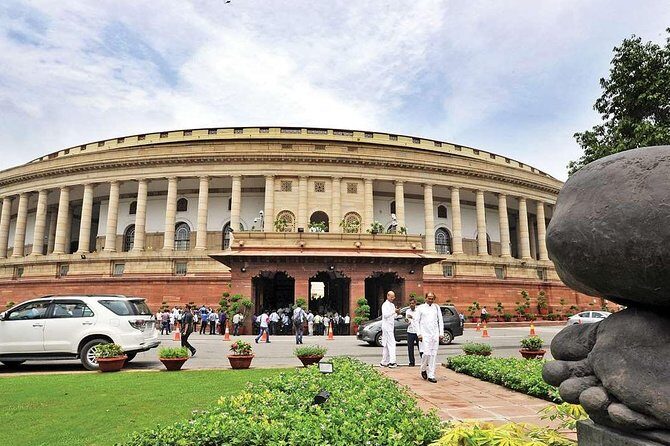
You’ll also have time around India Gate, a war memorial connected to the First World War, and near Rashtrapati Bhavan, the presidential residence designed by Lutyens.
What’s great here: these are easy wins for photos and for understanding why the “imperial planning” style still shapes Delhi today.
A watch-out: these are primarily exterior or area-focused moments in this style of tour. You’re not paying for a long, ticketed experience at every stop here—your time is more about seeing the landmark and getting the story.
Gurudwara Bangla Sahib: Peace, free entry, and the langar tradition
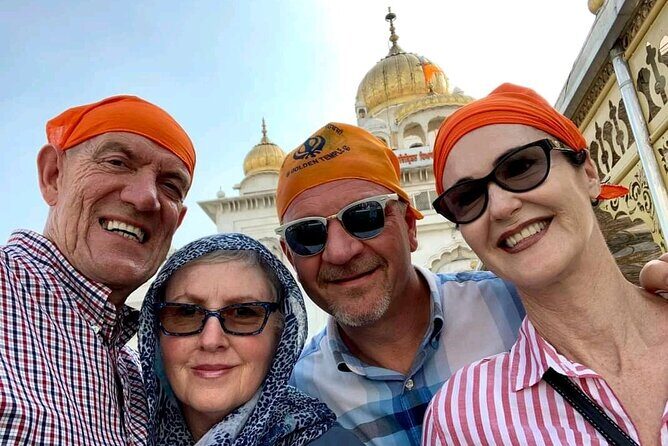
Gurudwara Bangla Sahib is one of Delhi’s prominent Sikh places of worship. The complex includes a holy pond and the kitchen system known as langar, where people of all backgrounds may share a meal. Admission is free.
What’s great here: it’s a reset button in the middle of a packed day. The atmosphere often feels gentler than the street-scene stops.
A watch-out: gurdwaras require respectful behavior. Follow local guidance and be ready to dress appropriately.
Qutb Minar: UNESCO sight that anchors South Delhi
Finally, you’ll end Day 1 at Qutb Minar, a UNESCO World Heritage Site built mainly between 1199 and 1220.
What’s great here: it’s a powerful visual anchor for what you’ve been learning about Mughal and earlier architectural influence in Delhi.
A watch-out: admission isn’t included, so if you want full access, keep ticket timing in mind. Also, this is usually the kind of stop where you’ll want a few extra minutes for photos if crowds allow.
Day 2 in Agra: The Taj Mahal and Agra Fort, Held to a Reasonable Frame
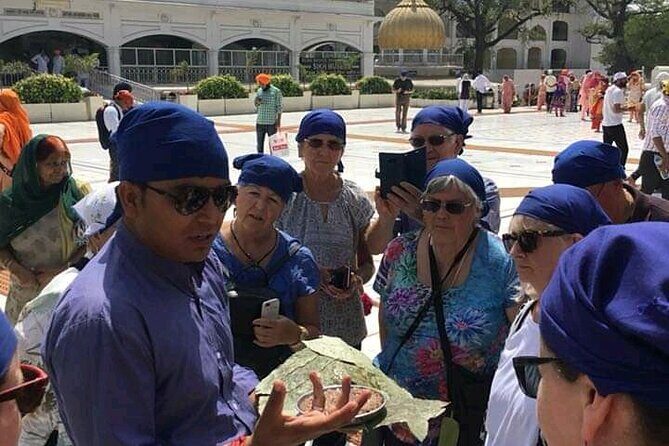
Agra is the day most people come for, and this plan gives you time where it counts.
Taj Mahal: The icon, with guided meaning
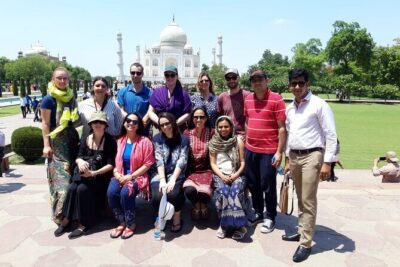
You’ll visit the Taj Mahal, designated a UNESCO World Heritage Site in 1983. The tour includes about two hours there, and admission isn’t included.
What’s great here: two hours is enough to see the building properly, not just rush around. With a guide, the story becomes less like a famous postcard and more like an explained monument—why it looks the way it does, what it represents, and how that shows up in the surrounding design.
A watch-out: tickets are extra, so double-check whether your guide times the entrance to reduce waiting.
Agra Fort: A bigger, historical counterpoint
Then it’s Agra Fort, a historical fort, also UNESCO-inscribed (1983). You’ll have about one hour, and tickets aren’t included.
What’s great here: Agra Fort helps you see that Agra isn’t only one monument. It broadens the picture toward fortifications, power, and the built environment around ruling life.
A watch-out: the fort can involve more walking than you expect in short time. If you’re sensitive to heat or distance, wear breathable clothes and slow down during transitions.
Day 3 to Rajasthan: Chand Baori’s Geometry and Birla Mandir’s White Marble Calm
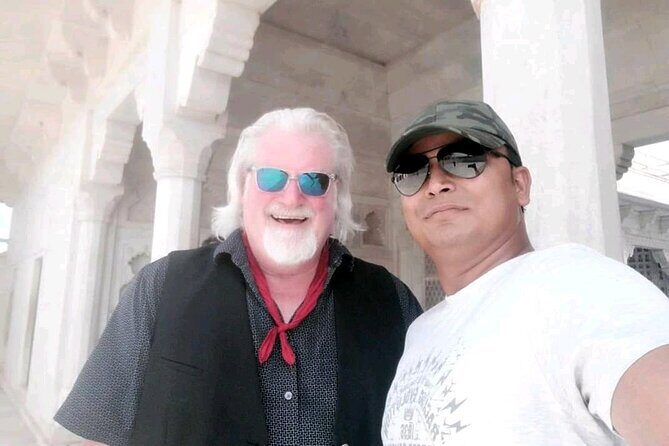
Day 3 is your break from the biggest name sights and your chance to appreciate architecture in different forms. One stop is underground-looking and rhythmic. The other is bright, modern, and peaceful.
Chand Baori: A thousand-year-style stepwell for photos and wonder
You’ll go to Chand Baori in Abhaneri. This stepwell is over a thousand years old and is one of the largest in the world, and also known for its beauty. Admission isn’t included.
What’s great here: it’s not a typical monument. The repeating steps create lines and patterns that feel almost scientific, and it’s genuinely fun to look at from different angles.
A watch-out: since tickets aren’t included, plan entrance costs. Also, stepwell areas can feel cooler or more enclosed depending on the season—dress layers if you’re sensitive to temperature shifts.
Birla Mandir Temple: White marble, free entry, and a clean view of devotion
Next is Birla Mandir, also called Lakshmi Narayan Temple in Jaipur. It was built in 1988, made of white marble, and dedicated to Lakshmi and Vishnu (Narayan). Admission is free, and you’ll have about 30 minutes.
What’s great here: it’s a lighter-feeling stop after a visually intense site. The white marble and the calm setting help you reset.
A watch-out: this is a shorter stop. If you want time for questions about symbols or the deities, save your best questions for your guide early.
Day 4 in Jaipur: Amber Fort, Jal Mahal, City Palace, Jantar Mantar, and Hawa Mahal
Jaipur is where the Golden Triangle feels like art direction. You get forts, palaces, astronomical instruments, and that signature honeycomb facade.
Amber Fort: Rajput architecture you can actually read
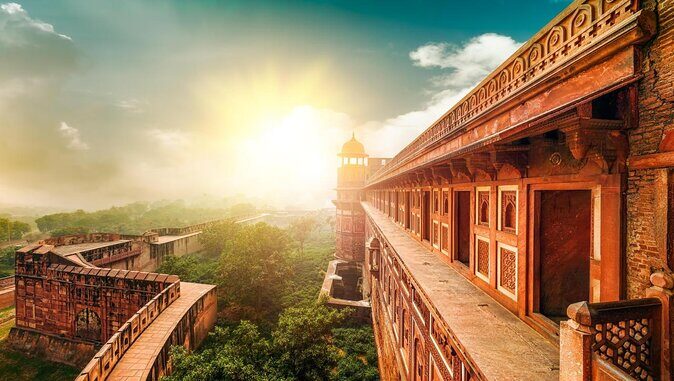
You’ll visit Amber Fort, a key example of Rajput architecture. The fort began under Raja Man Singh, then expanded by Jai Singh I, with changes made by successive rulers over the next 150 years. You’ll have about two hours, and admission isn’t included.
What’s great here: with a guide, Amber doesn’t just become a backdrop. It turns into a story you can walk through—how power, design, and protection met in one place.
A watch-out: since tickets aren’t included, budget for entry. Also, forts involve surfaces that can be uneven, so good shoes matter.
Jal Mahal: A quick look at the water palace
Next is Jal Mahal, the Water Palace in the middle of Man Sagar Lake. It was originally constructed in 1699, with later renovations and enlargements in the 18th century under Maharaja Jai Singh II of Amber. Admission isn’t included, and the scheduled time is brief (about 10 minutes).
What’s great here: Jal Mahal is the kind of place that works best for a quick photo and a short explanation. It adds variety to the fort-and-palace rhythm.
A watch-out: 10 minutes is short. If you’re the type who wants to linger, you’ll need to balance photos with time so you don’t lose momentum later.
City Palace: Where royal administration and ceremony meet
Then you’ll head to the City Palace of Jaipur, established when Jaipur was founded by Maharaja Sawai Jai Singh II, who moved his court to Jaipur from Amber in 1727. It remained the ceremonial and administrative seat of the Maharajas until 1949. You’ll have about 1.5 hours, and admission isn’t included.
What’s great here: City Palace gives context to the rest of Jaipur. It helps you understand why Jaipur’s architecture has such a strong sense of planning and authority.
A watch-out: this isn’t a passive stop. If you want the story to click, ask questions rather than just snapping photos.
Jantar Mantar: 19 instruments and a stone sundial showstopper
You’ll visit Jantar Mantar, Jaipur’s astronomical site with 19 instruments built by Sawai Jai Singh II. It was completed in 1734 and includes the world’s largest stone sundial. It’s a UNESCO World Heritage site. You’ll have about 45 minutes, and admission isn’t included.
What’s great here: it’s a reminder that math and astronomy were part of statecraft. You don’t need a science background to enjoy it—your guide can translate what the shapes are doing.
A watch-out: this stop rewards patience. If you’re rushing, the instruments feel like random stone structures.
Hawa Mahal: The 953-window facade
The final Jaipur highlight is Hawa Mahal, designed by Lal Chand Ustad. The facade is five floors with 953 small windows (jharokhas) featuring intricate latticework. The original intent was for royal ladies to observe street life and festivals without being seen.
What’s great here: it’s one of those buildings that makes sense instantly once you understand the design idea.
A watch-out: this stop’s schedule time isn’t listed. Treat it as a classic quick-hit unless your guide offers extra time on the day.
What’s Included (and Why It Matters): Car, Driver, Guide, WiFi, and Water
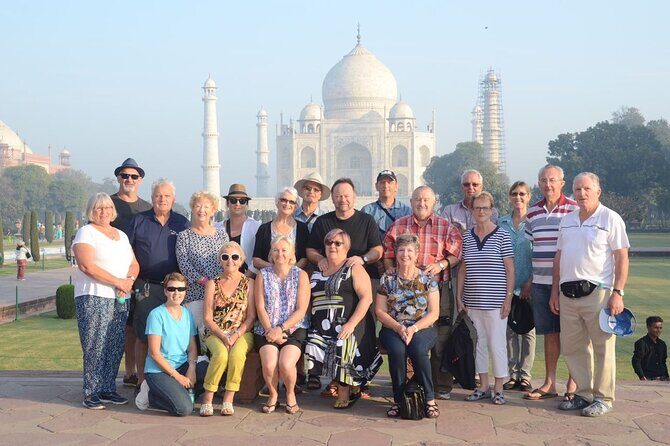
At around $250 per person for 4 days, what you’re buying isn’t just transportation. You’re buying fewer headaches.
You get an air-conditioned private vehicle, a driver, and guide services, plus WiFi on board and two water bottles each person every day. GST is included, and you also have the option for group discounts. You’ll also receive a mobile ticket, which is convenient in a region where carrying paper everywhere is one more thing to manage.
Here’s what that translates to day-to-day:
- You can keep moving without hunting for local transport solutions.
- You’ll spend less time explaining where you’re going, since the driver handles logistics.
- You get on-the-ground explanations so the sights don’t feel like disconnected photos.
Monument Tickets and Food: The Budget Piece You’ll Want to Plan For
This tour lists monument tickets as not included and food and drinks as not included. That’s normal for many structured tours, but it’s still the biggest variable in your final trip cost.
My practical advice: think of the tour price as the cost of transport + guides, not entrances. Then treat entrances as a separate layer you’ll pay as you go based on what you want to include fully. If you’re the type who hates surprises, ask your guide early in the day which stops require tickets that day and what the ticket situation looks like.
For food, you’ll be on your own. Since the schedule includes crowded market moments like Chandni Chowk and long museum-and-fort segments, you’ll feel the difference if you eat too late or skip water. This tour’s bottled water helps, but you should still plan for regular meals.
How to Get More From Your Guide (Without Becoming Exhausting)
The most repeated theme in the trip’s feedback is that the guide—often mentioned by name as Prashant Upadhyay / Prashant—adds the human layer. People mention that he shares stories about history, local area, people, and religion, and he’s flexible and accommodating. They also mention his English and that he answers questions.
You’ll get the most value if you use that format:
- Ask one or two questions that connect the sites. For example, how does a Mughal mosque like Jama Masjid connect to what you see later in Agra?
- If something feels confusing on-site (like why an instrument is shaped a certain way), ask for the simple version first. Your guide can then tailor the details.
- If you have dietary needs, mention them. The feedback includes examples of the guide helping with care.
Also, because this is a private tour, you can set a comfortable tempo. If you want more photos at Chandni Chowk, you might shorten time elsewhere.
Who Should Book This Private Golden Triangle Tour?
This tour fits best if you want:
- A structured route across Delhi, Agra, and Jaipur without planning every leg.
- A guide-led experience at major landmarks, not just walking through crowds.
- The comfort of private air-conditioned transport with WiFi and a driver.
It might not be ideal if you:
- Want to fully self-direct every decision and don’t care about guided context.
- Have a very low tolerance for ticket extras. Monument entrances are a separate cost here.
Should You Book This 4-Day Private Golden Triangle?
I’d book it if your priority is getting from A to B smoothly and having explanations that make famous monuments easier to understand. The best “value” here is not the number of stops—it’s the fact that you get a private driver, a guide, and a plan that keeps the day moving without turning sightseeing into chaos.
If you like wandering markets and you also care about architecture and cultural context, this route hits a sweet spot. Just budget for monument tickets and plan for meals on your own, and you’ll be in good shape.
FAQ
What’s included in the tour price?
The tour includes an air-conditioned vehicle, WiFi on board, GST, private transportation, a driver, guide services, and two water bottles each person every day.
Are monument tickets included?
No. Monument tickets are not included. The tour notes that admission is not included for several major sites.
Is pickup available?
Yes, pickup is offered, and the meeting point is listed as near public transportation.
Do you include food and drinks?
No. Food and drinks are not included, so you’ll need to plan meals on your own during the trip.
Is this a private tour or a shared tour?
This is a private tour/activity. Only your group participates.
What if plans change and I need to cancel?
You can cancel for a full refund up to 24 hours in advance of the experience start time. If you cancel less than 24 hours before the start time, there is no refund.