REVIEW · NEW DELHI
Private 4-Day Golden Triangle Tour – Delhi Agra and Jaipur
Book on Viator →Operated by Private Driver In India · Bookable on Viator
A Golden Triangle sprint can feel chaotic, but this one stays organized. It’s built for first-timers who want the big hits—Jama Masjid, the Taj Mahal, and Jaipur’s forts and palaces—without wrestling buses or trains. What I like most is the door-to-door hotel pickup paired with private, local guides in every city, and the way you get to see landmarks at the right moments, like the sunrise Taj Mahal. One possible drawback: it’s a packed plan, so you’ll want comfortable shoes and a flexible attitude when the day runs ahead of schedule.
I also like that you can choose a package with hotels or without, which helps you match the tour to your budget and arrival timing. The driving is handled by an English-speaking driver in a private, air-conditioned car, and that matters more than it sounds when you’re moving between Delhi, Agra, and Jaipur traffic. If you’re traveling on a Friday, keep in mind the Taj Mahal has a weekly closure for general viewing.
In This Review
- Key things that make this tour worth your attention
- Why this private Golden Triangle setup is practical for first-timers
- Delhi on day one: Mughal power, memorials, and two UNESCO stops
- Tip for this Delhi day
- Agra’s highlights: sunrise Taj, fort views, and the “Baby Taj”
- One practical consideration
- Jaipur day three: City Palace, Jantar Mantar, and the Palace of Breeze
- Day four around Jaipur: Gaitor, Jal Mahal, a stepwell, and Amer
- Price and value: what $270 actually buys you
- How the best drivers make the difference in India
- Tips to make this tour feel smooth instead of rushed
- Who should book this Golden Triangle tour
- Should you book this Private 4-Day Golden Triangle?
- FAQ
- How long is the Private 4-Day Golden Triangle Tour?
- Where does the tour start?
- Does the tour include a private vehicle?
- Are guided tours included in each city?
- Is hotel accommodation included?
- Is breakfast included?
- Are monument entrance fees included?
- Is the Taj Mahal open every day?
- What is the cancellation policy?
Key things that make this tour worth your attention
- Private hotel pickup and drop-off: less stress, fewer logistics mistakes, more time looking at things.
- Local guides in each city: you get explanations that make the monuments easier to understand.
- Sunrise Taj Mahal: better light and a cooler start than typical midday visits.
- A real mix of major sights and extras: from Qutub Minar to stepwell and Amer.
- Driver tips that help you dodge peak trouble: timing advice is part of the service vibe.
Why this private Golden Triangle setup is practical for first-timers
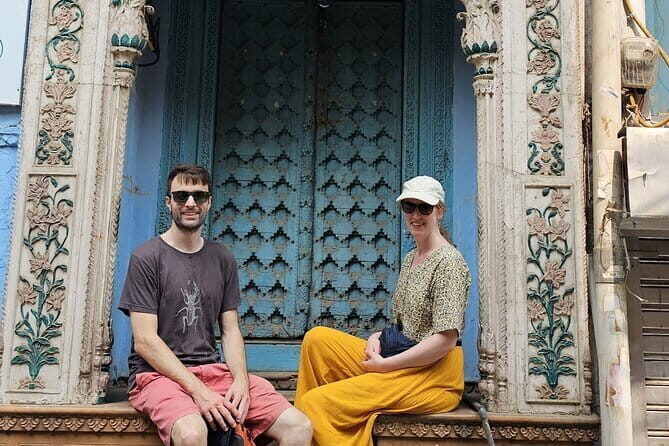
The Golden Triangle sounds simple on paper: Delhi, Agra, Jaipur. In real life, getting between cities plus navigating each area can become a full-time job—especially if you’re doing it on public transit. This private format handles the hard part: you’re collected from your hotel and moved around in an air-conditioned vehicle with an English-speaking driver, so your day stays focused on sights instead of schedules.
The second big win is private, local guiding. Seeing the Taj Mahal is one thing; understanding why the gardens, marble inlays, and layout matter is another. The tour is designed so you’re not just dropped off at each stop with a map and a prayer.
Finally, the service tone you’ll likely experience fits the route: drivers named Ajit, Manoj, Vinodh, Deepu, and Amit Kasana come up in the feedback as polite and professional, with an emphasis on punctuality and comfort. That’s not just nice—it directly affects how smooth your photos, entry lines, and timing feel from day to day.
You can also read our reviews of more private tours in New Delhi


Delhi on day one: Mughal power, memorials, and two UNESCO stops
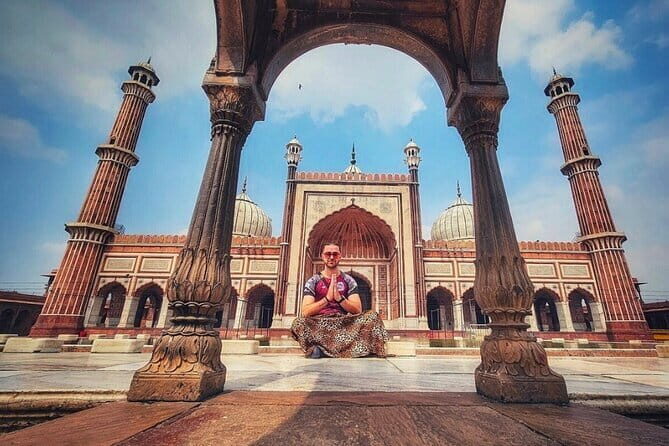
Your Delhi day is built to cover major “first sight” landmarks across both Old and New Delhi. It starts in Old Delhi at Jama Masjid, one of the largest mosques in India, built under Shah Jahan between 1644 and 1658. The scale hits fast, and the architecture gives you an immediate sense of Mughal-era ambition and craftsmanship. The visit is time-boxed (about 30 minutes), so you’ll be walking with purpose rather than wandering all day.
Next is Raj Ghat, the memorial marking where Mahatma Gandhi’s ashes were kept after his assassination in 1948. This stop is short, but it’s a pause that changes the energy of the day—simple black marble, an eternal flame, and a feeling of quiet gravity. If you’re prone to monument “fatigue,” this one is a reset button.
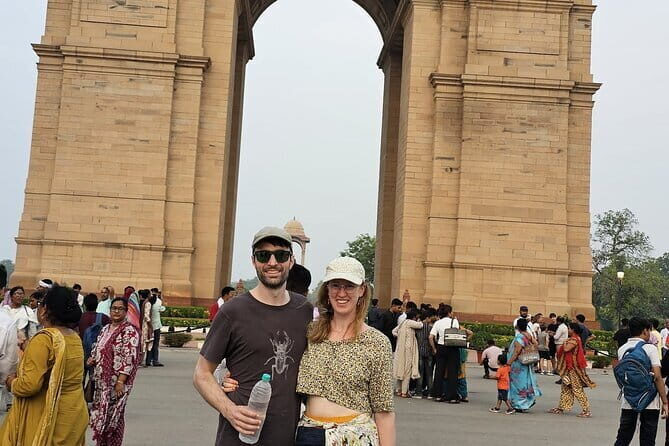
Then you swing into New Delhi with India Gate, the 42-meter war memorial inscribed with names of more than 13,000 soldiers. It’s a quick photo-and-stretch moment (around 15 minutes), but it helps anchor you in the city’s modern axis and ceremonial spaces. From there, you’ll also see Rashtrapati Bhavan and the Parliament House as major architectural landmarks designed by British-era architects Sir Edwin Lutyens and Herbert Baker, both completed in the 1920s. These are mostly viewed from the outside, but they’re worth it because they explain how central Delhi’s layout was built.
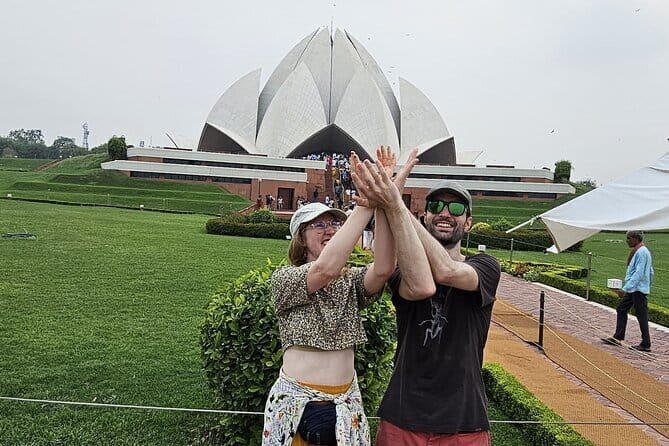
The UNESCO rhythm continues at Humayun’s Tomb, a Mughal tomb built in 1565 with Persian-style gardens and a grand dome. You get about 45 minutes here, enough to appreciate the garden plan and the tomb’s symmetry without rushing. After that comes the striking modern counterpoint of the Lotus Temple, a Bahá’í House of Worship completed in 1986, shaped like a lotus flower with 27 marble petals. It’s open to all religions for worship, and even a short stop feels calming after the busier streets.
Your final Delhi stop is Qutub Minar, a UNESCO World Heritage site and the tallest brick minaret in the world at 73 meters. The 45-minute visit gives you time to notice how Indo-Islamic design shapes the complex around it, not just the tower itself. Then, the day ends with the drive to Agra, generally around three hours via the Yamuna Expressway. You’ll arrive ready to sleep, not ready to explore.
Tip for this Delhi day
Plan your mental pace. Delhi can be visually intense, and the tour is structured with short, meaningful time windows rather than long hangs in one place. That’s a feature: you see more, and you don’t get stuck in one area when the day is moving.
Agra’s highlights: sunrise Taj, fort views, and the “Baby Taj”
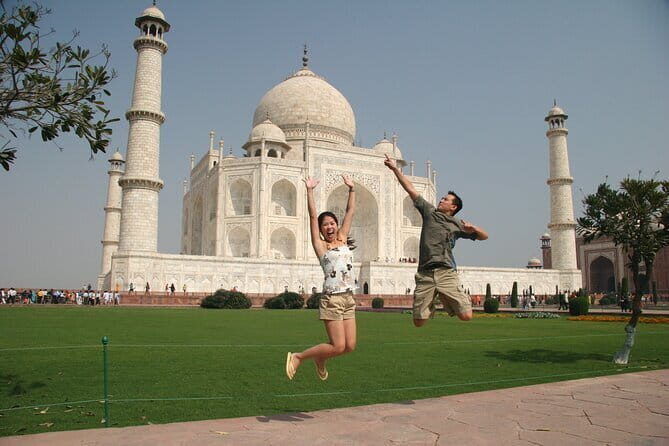
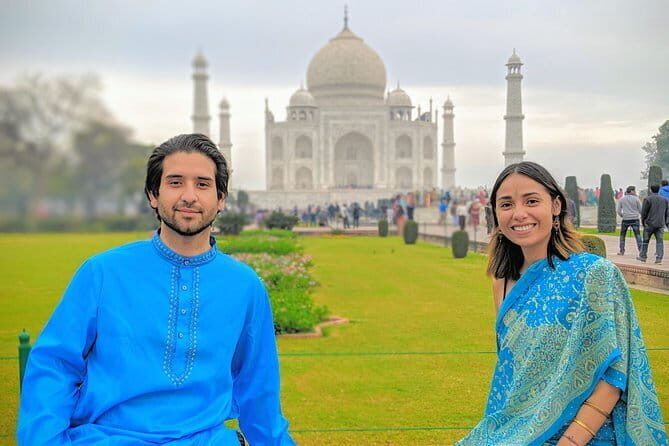
Day two is where the tour earns its name: the sunrise Taj Mahal. You’ll start with the Taj Mahal at sunrise, then get a guided tour inside for about two hours. The guided portion matters because the monument is so famous that it can turn into a “check the box” stop. With a local guide, you can follow the story of Shah Jahan’s commission, the marble detailing, and the layout that makes the Taj feel staged from every angle.
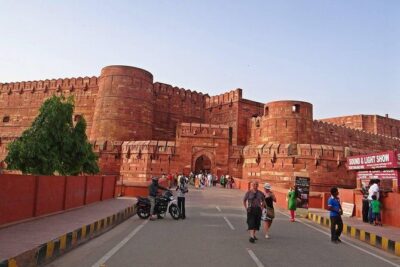
After the Taj, you move to Agra Fort, a UNESCO site that served as the main residence of Mughal emperors. Expect about an hour here, which is enough to focus on palaces, balconies, and gardens rather than getting lost in every corridor. The fort visit pairs nicely with the Taj because it shows a different side of imperial power—less romance, more authority.
Next comes Itmad-ud-Daula, often called the “Baby Taj.” This Mughal mausoleum is a precursor in style and design to the Taj Mahal, so it works like a visual bridge between the two stops. The guide-led hour helps you notice why this one feels detailed and precise even when it’s less famous.
You then travel to Fatehpur Sikri, a UNESCO World Heritage site built by Emperor Akbar in the 16th century. It served as the Mughal capital for a brief stretch, so you’ll be seeing a whole political world that was planned and then moved away from. The stop is about two hours, which is the right amount of time to walk key architectural areas without needing days to “figure it all out.”
After that, you drive to Jaipur and check in to your hotel to unwind. This is the moment where the tour design makes sense: you save the softer arrival into Jaipur for after the heavier history stops in Agra and Fatehpur Sikri.
One practical consideration
The Taj Mahal is closed on Fridays for general viewing. If your travel dates land on a Friday, you’ll need to double-check how your provider handles the substitution plan before you pay.
A few more New Delhi tours and experiences worth a look




Jaipur day three: City Palace, Jantar Mantar, and the Palace of Breeze
Jaipur day three focuses on symbols you can spot from a distance, then pieces you have to study up close. You start at City Palace, built in 1721, once the administrative and ceremonial seat of the Maharaja. The visit is about an hour, so it’s not trying to exhaust every gallery—it’s trying to give you the layout and key themes so you can connect it to the rest of Jaipur.
Then comes Jantar Mantar, a UNESCO site built in 1734 with nineteen astronomical instruments designed by Sawai Jai Singh II. This stop is only about 45 minutes, but it’s a great way to understand Jaipur as a scientific city, not only a decorative one. The guide can make the instruments feel logical instead of random stone math.
Next is Hawa Mahal, the Palace of Breeze. This five-story pyramidal façade made of red and pink sandstone was built in 1799, and it’s famous for the windowed design. You’ll likely spend around 45 minutes, long enough for photos and a quick understanding of how the façade’s shape supports ventilation and viewing.
Finally, you visit Albert Hall Museum, Rajasthan’s oldest museum, built in 1876. The stop is about an hour, and it helps balance the “outside architecture” focus of earlier sites by showing how Jaipur and Rajasthan presented art, textiles, sculptures, and artifacts. If you like context, this is a solid way to end the Jaipur day.
Day four around Jaipur: Gaitor, Jal Mahal, a stepwell, and Amer
Your last day shifts from major headline monuments to places that feel more human-scale and scenic. You start with the Royal Gaitor Tumbas at the base of the Aravalli Hills, featuring royal cenotaphs with intricate marble and sandstone work blending Rajput and Mughal influences. This is about an hour, and it often feels calmer than the biggest tourist magnets.
Then you get a quick look at Jal Mahal, the palace appearing to float on Man Sagar Lake. This stop is short—around 15 minutes—but it’s visually strong. Even when you can’t spend ages here, the moment is enough to understand why it’s one of Jaipur’s signature views.
After that is Panna Meena ka Kund, a stepwell built in the 16th century. You’ll spend about 30 minutes and focus on its geometric design and multiple stair levels leading down to water. Stepwells are one of those things people rush through unless someone points out the function and structure—so having a guide here pays off.
The day’s big finale is Amer, a historic town near Jaipur with heritage buildings, temples, havelis, and scenery in the Aravalli Hills. You’re given about two hours here, plus it’s listed with the sense of “go see the town,” not just “walk to one viewpoint.” If you want your last day to feel like you left Jaipur with real texture, Amer is where you do it.
Price and value: what $270 actually buys you
The tour price is listed at $270 per person for roughly four days. What makes that number feel reasonable is that you’re not only paying for transportation. You’re paying for private, guided sightseeing across multiple cities, plus pickup and drop-off, and in many cases hotel-inclusive services.
Here’s what’s included in the package as stated:
- Private local guides for sightseeing tours
- Hotel or airport pickup and drop-off
- Transport in a private, air-conditioned vehicle with an English-speaking driver
- Breakfast included for three days if you book the option including hotels
- Three nights accommodation if you select the hotel-included option
- Monument entrance fees
- Mobile ticket
Not included:
- Meals (the plan lists meals as not included)
One important detail to confirm before you lock it in: the tour’s day-by-day stop notes list many monuments with admission ticket not included. At the same time, the package description says monument entrance fees are included. That contradiction means you should ask one clear question at booking: are Taj Mahal and other paid sites included under your exact package, or will you pay tickets on arrival?
Also worth noting for value: this is private, meaning it’s only your group. That matters if you’re traveling as a couple, a family, or a small group and want a schedule that fits you.
How the best drivers make the difference in India
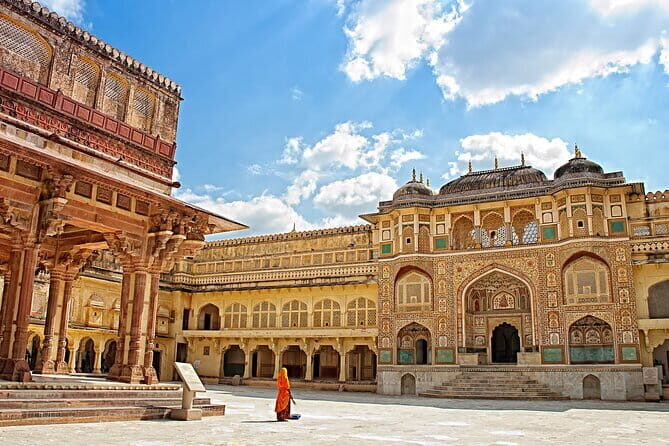
On this route, traffic and timing can either ruin your day or make it smoother than you expect. The tour’s private driver setup gives you flexibility that public transit never will. In the feedback, drivers are repeatedly described as thoughtful and professional—one of the recurring themes is suggesting timing changes to avoid peak trouble.
That can be as simple as shifting order by minutes, not hours. It might also mean recommending where to eat when you’re between sights, or pointing you toward small craft-related stops that help you understand what you’re seeing. Names that come up include Manoj and Vinodh for that calm, helpful approach, and Amit Kasana and Ajit for punctual, friendly service. Deepu is also named for a strong overall experience.
So here’s my practical take: if your schedule has any “must-do” (like extra time at one monument or a longer stop for photos), tell your driver early. Private service works best when you communicate preferences early, not when you improvise at the entrance gate.
Tips to make this tour feel smooth instead of rushed
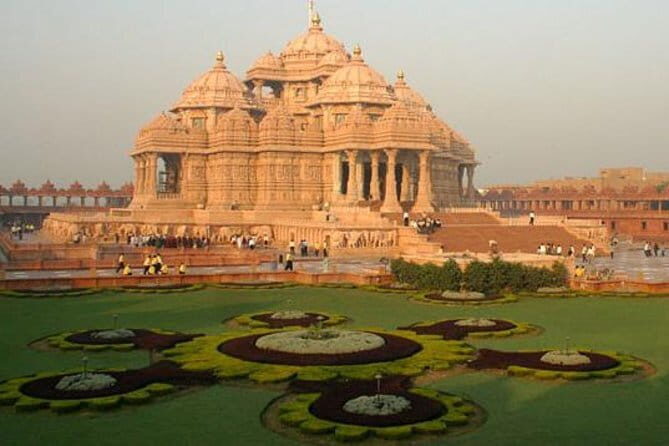
Because the plan is efficient, you’ll get more done—but only if you prepare for the pace.
First: wear shoes that can handle uneven stone and lots of walking. Even the shorter stops add up over four days. Second: hydrate early. Delhi and Agra can feel hot and bright, and the Taj sunrise start is cooler, but the day still warms quickly.
Third: keep your expectations realistic about “inside” time. Some sites get guided time, and others are more about photos and key facts. If you go in wanting the quick, guided highlights, you’ll feel like you’re winning. If you want long hours in every building, you may feel compressed.
Fourth: bring a backup plan mindset for weather and Friday closures. The Taj Mahal closure is the major one listed, but weather can also affect comfort and how long you want to be outdoors.
Who should book this Golden Triangle tour
This tour is a good fit if:
- You’re first-time in India and want major sights without navigating transit.
- You prefer a private schedule with an English-speaking driver.
- You want guided context, not just landmarks.
- You’re traveling as a couple or small group and value convenience over maximum freedom.
It may be less ideal if:
- You hate packed days and prefer slow travel.
- You want lots of downtime built into the itinerary (this route is designed for action).
- You’re planning around Friday and can’t adapt, unless your provider confirms a swap plan.
Should you book this Private 4-Day Golden Triangle?
I’d recommend this tour if you want the Golden Triangle to feel doable and meaningful. The private setup is the key advantage: you get pickup, air-conditioned driving, English communication, and local guides at multiple stops, which turns famous monuments into understandable experiences. The sunrise Taj Mahal is the headline, but the best value is how the tour connects Delhi’s Mughal and modern landmarks to Agra’s imperial sites and then into Jaipur’s planned grandeur.
Before you book, do two quick checks:
1) Confirm ticket inclusion for the paid monuments in your exact package, since the general package text and the stop notes don’t perfectly match.
2) If your dates include a Friday, ask what replacement plan applies for the Taj Mahal closure.
If you can answer those, this is the kind of tour that saves energy and keeps your attention where it should be: on the sights.
FAQ
How long is the Private 4-Day Golden Triangle Tour?
It runs for about 4 days.
Where does the tour start?
It starts in New Delhi, with hotel or airport pickup offered.
Does the tour include a private vehicle?
Yes. You travel by private, air-conditioned vehicle with an English-speaking driver.
Are guided tours included in each city?
Yes. The sightseeing tours are with private local guides.
Is hotel accommodation included?
It depends on which package option you choose. There are options with hotels (3 nights included) and without hotels.
Is breakfast included?
Daily hotel breakfast is included if you book the option including hotels, and it lists breakfast for 3 days.
Are monument entrance fees included?
The package description says monument entrance fees are included, but the day-by-day stop notes flag some sites as ticket not included. Confirm what’s covered for your booking.
Is the Taj Mahal open every day?
No. The Taj Mahal is closed on Fridays for general viewing.
What is the cancellation policy?
Free cancellation is offered up to 24 hours in advance for a full refund. If you cancel less than 24 hours before, the amount paid is not refunded.