REVIEW · NEW DELHI
3-Days Luxury Golden Triangle tour to Agra and Jaipur from Delhi
Book on Viator →Operated by TRAVEL INDIA ONE DAY · Bookable on Viator
Three days, three UNESCO hits. This private Golden Triangle packs Delhi, Agra, and Jaipur into a tight schedule with a door-to-door pickup and air-conditioned comfort, and I like that it’s built for people short on time. I also love the sunrise Taj Mahal focus, plus practical extras like the battery bus from the Taj parking area. One consideration: even with included components, you should budget for paid monument entries (the tour notes an entry-ticket total around $55 per person).
I also appreciate the human side. When you get a driver/guide like Dinesh Chauhan or Kamal, you’re not just dropped at gates—you get help with getting in smoothly, and you can move at a pace that feels workable for your group. The trade-off is that the route is efficient, so it rewards travelers who are ready to start early and keep things moving.
In This Review
- Key Highlights Worth Noticing
- How This 3-Day Golden Triangle Moves (Without Wasting Hours)
- Delhi Day 1: Old Delhi Noise, Mughal Icons, and Calm Stops
- Chandni Chowk and Jama Masjid for Real Old Delhi Energy
- Sikh Landmark, War Memorial, and Big Architecture in the City Center
- Akshardham, Humayun’s Tomb, and Qutub Minar for Mughal and Sultanate Scale
- Delhi Day 1 Reality Check
- Agra Day 2: Sunrise Taj Mahal, Fort Views, and the Baby Taj
- Getting to the Taj Mahal Sunrise Like a Pro
- Agra Fort and Itimad-ud-Daulah for Different Styles
- Fatehpur Sikri to Jaipur: The Long Drive That’s Actually Worth It
- Fatehpur Sikri and the Panch Mahal Stop
- Arrival in Jaipur and a Hotel Drop-Off That Keeps You Flexible
- Jaipur Day 3: Hawa Mahal, City Palace Museum, and a View of Jal Mahal
- Hawa Mahal: The Palace of Wind From the Outside
- City Palace: The Museum Stop You Might Want Longer
- Jal Mahal: Water Palace Views Without Over-Scheduling
- Private Guides, Air-Conditioned Cars, and Why This Feels Easier
- Vehicles That Match Your Group Size
- On-the-Ground Help With Ticket Lines
- Comfort Extras You Actually Notice
- Price and Value: What You Pay, What You Still Need to Budget
- What’s Included
- What Costs Extra
- Who This Tour Suits Best (And Who Might Feel Rushed)
- Monday Special Note: Temple and Monument Swaps
- Should You Book This 3-Day Golden Triangle Tour?
- FAQ
- Is pickup included?
- Is this a private tour or shared group?
- What vehicle will I ride in?
- Are monument entry tickets included?
- Is sunrise Taj Mahal included?
- Do you include transportation to the Taj Mahal area?
- Are meals included?
- How much time do you have for Delhi, Agra, and Jaipur sights?
- What happens if I visit on a Monday?
- What’s the cancellation refund window?
Key Highlights Worth Noticing
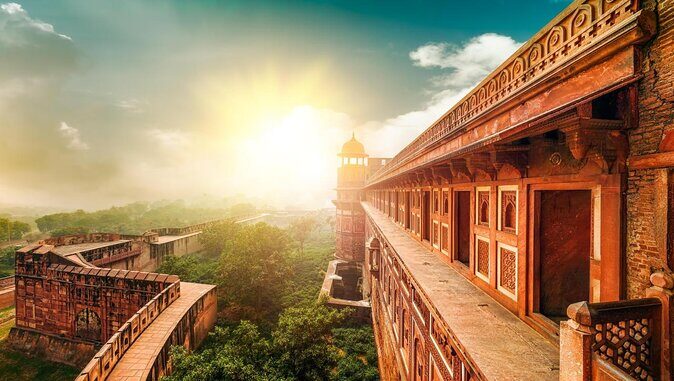
- Sunrise Taj Mahal timing with the marble mausoleum as your first big stop in Agra
- Private vehicle for your group with air-conditioning and door-to-door pickup in Delhi/Noida/Gurugram
- Battery bus to the Taj monuments area, so the walk from parking is handled for you
- Local guides for major stops and help buying entrance tickets so you don’t have to wait in long lines
- Agra + Fatehpur Sikri + Jaipur in one loop, built for maximum sightseeing per day
How This 3-Day Golden Triangle Moves (Without Wasting Hours)
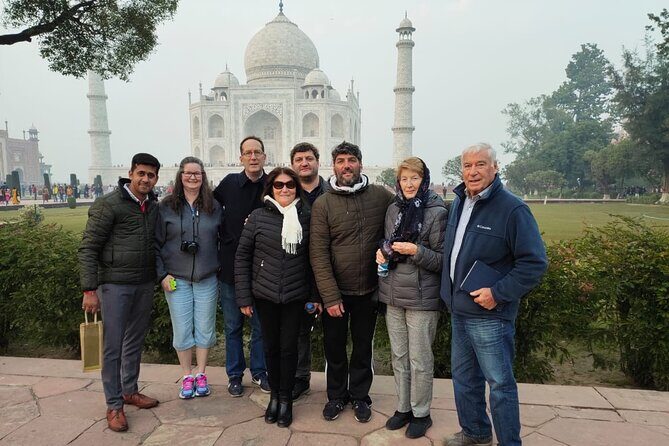
A Golden Triangle run is usually a trade: you get the biggest names in India faster, but you give up lingering. Here, the goal is speed with structure. You’ll be picked up in Delhi (or from the airport/railway station), then you’ll drive to Agra, then onward to Jaipur, and finally back to Delhi.
The “luxury” part mostly shows up in how you travel: a private, air-conditioned car sized to your group, plus private local guiding at sightseeing stops. That matters, because North India can eat your time with traffic and confusing meeting points. When everything is coordinated, you spend more time looking up at the sights and less time figuring out logistics.
Still, the schedule is tight enough that you should plan your energy like a marathon runner. Early starts are built in for the Taj sunrise, and transfer times are approximate because of real-world traffic.
A few more New Delhi tours and experiences worth a look



Delhi Day 1: Old Delhi Noise, Mughal Icons, and Calm Stops
Delhi on this tour is a smart mix of old-world texture and major landmarks. You start with Old Delhi-style sightseeing, then you transition to grand, more open monuments. The order helps: markets and mosques first, then big civic architecture after.
Chandni Chowk and Jama Masjid for Real Old Delhi Energy
You’ll spend time in Chandni Chowk, one of Old Delhi’s oldest and busiest markets. It’s famous for shopping and street food energy, and it also gives you that “where history lives” feeling just by walking through. If you like markets, this is where you get your bearings fast.
Right after, the tour heads to Jama Masjid, one of India’s largest mosques, built in the mid-17th century by Shah Jahan. It’s the kind of stop that hits visually even if you’re not chasing details. The mosque’s scale is the point, and your time there is generous enough to take it in.
Practical note: markets and religious sites can mean crowds. Wear comfortable shoes and keep your basics easy—water helps, and you don’t want to spend the day searching for your next bottle.
Sikh Landmark, War Memorial, and Big Architecture in the City Center
Next comes Gurudwara Bangla Sahib, one of Delhi’s most prominent Sikh places of worship. It’s named after an old bungalow on the site, and it’s known for its sacred pond and langar (the communal meal served to visitors regardless of religion or caste). Even if you don’t join the meal, it adds a grounded, humane dimension to the day.
Then you’ll see India Gate, a war memorial with a 42-meter-tall archway in the middle of landscaped gardens. It’s a nice breathing point after dense Old Delhi areas. If you want a photo moment without pushing through stalls, this stop works.
The tour also includes Rashtrapati Bhavan, India’s presidential residence, designed by British architect Edwin Lutyens. You can take guided tours of the main building and surrounding gardens when available.
Akshardham, Humayun’s Tomb, and Qutub Minar for Mughal and Sultanate Scale
After that, the schedule shifts into UNESCO territory. You’ll stop at Swaminarayan Akshardham, a Hindu temple and cultural center with intricate carvings and a musical fountain show. The stop is shorter, but it’s still a strong visual payoff if you like architectural detail.
Then you’ll visit Humayun’s Tomb, a UNESCO World Heritage Site and a key example of Mughal architecture. It sits in a garden setting, so it feels less like a rushed city checkpoint and more like a calm historical pause.
Finally, Qutub Minar rounds out the day. The 73-meter tower made of red sandstone and marble is huge even from a distance, and the complex includes other historic structures too. You’ll have a focused window here—enough time to see why the Delhi Sultanate era left such a lasting mark.





Delhi Day 1 Reality Check
Delhi is big. Even with private transport, you’re still moving through a dense city. The best way to enjoy this day is to treat it like a greatest-hits montage: you’re there to see a lot, not to linger for hours at every gate.
Also, some ticket timing can vary by day and local operations. The tour notes that you’ll get help buying entrance tickets so you don’t have to wait in queues, which is a big deal when you’re on a stopwatch.
Agra Day 2: Sunrise Taj Mahal, Fort Views, and the Baby Taj
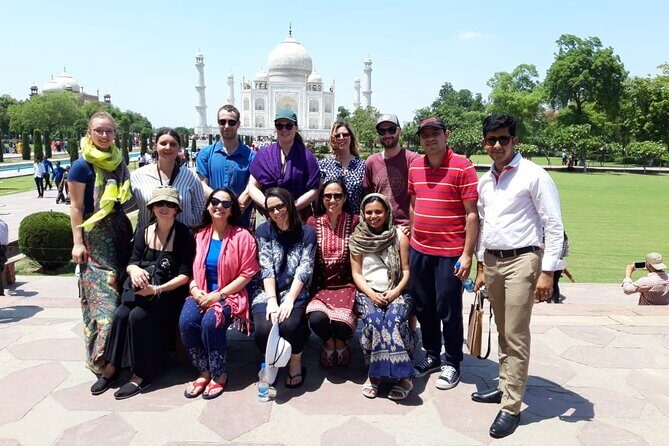
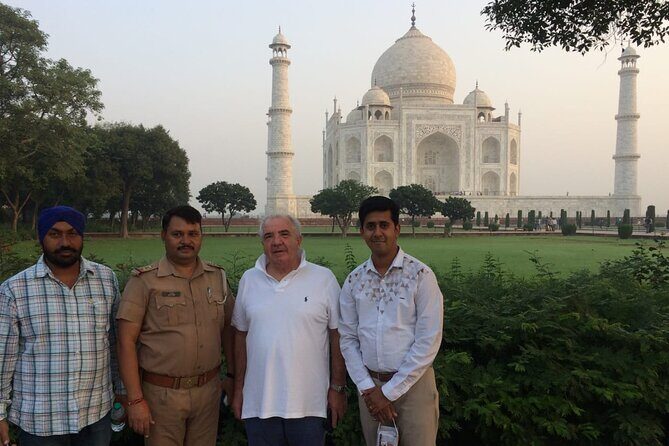
Agra is where the tour earns its name. The key moment is the early start for sunrise at the Taj Mahal. If you’ve ever wondered why people plan vacations around this building, sunrise is a big part of the answer—light changes the feel of the marble.
Getting to the Taj Mahal Sunrise Like a Pro
You’ll head out early for a sunrise viewing over the marble mausoleum. Taj Mahal was built in the 17th century by Shah Jahan as a tomb for Mumtaz Mahal, and it’s a UNESCO World Heritage Site. The tour keeps the structure simple: viewpoint first, then you go back for breakfast afterward.
One practical win: the tour includes a battery bus ride to and from the Taj parking lot. That may sound like a small detail, but in reality it saves energy and keeps your day comfortable. You’ll still walk around the monuments, but you avoid the longer transfer trek.
Agra Fort and Itimad-ud-Daulah for Different Styles
After the Taj, you’ll head to Agra Fort, another UNESCO World Heritage Site. Built in the 16th century by Akbar, it later became part palace under Shah Jahan. This stop helps you understand that the Taj isn’t the only Mughal power statement in the city.
Next is Tomb of Itimad-ud-Daulah, often nicknamed the Baby Taj because of its resemblance to the Taj Mahal. It’s known for intricate marble carvings, and it’s an excellent change of pace: less about sheer scale, more about detail and craftsmanship.
For photos, I’d think in terms of contrast. Taj is the headline. Fort and Itimad-ud-Daulah are the supporting characters that make the story feel complete.
Fatehpur Sikri to Jaipur: The Long Drive That’s Actually Worth It
A Golden Triangle tour doesn’t just move you. It stages a theme change: from Agra’s Mughal sites to Fatehpur Sikri, then into Jaipur’s royal identity.
Fatehpur Sikri and the Panch Mahal Stop
On the way, you’ll spend time at Fatehpur Sikri, including the Panch Mahal—a five-story palace built in the late 16th century under Akbar. This stop is strong for architecture lovers. Even if you don’t know the dates, the layered structure and stonework give you a clear sense of how Mughal design used form and function.
One drawback of a stop like this: it can feel a bit like you’re seeing a paused chapter rather than a lived-in place. That’s not a problem. It’s part of Fatehpur Sikri’s vibe—an “abandoned city” feel is exactly what makes it memorable.
Arrival in Jaipur and a Hotel Drop-Off That Keeps You Flexible
You’ll drive from Fatehpur Sikri to Jaipur and be dropped at your hotel. The tour’s approach here is flexible: you can choose your own hotels and meals with extra cost, rather than being locked into one property. If you book a package option that includes hotels, daily breakfast is included.
If you want to get the best rest before the next day, treat this evening like recovery time. Jaipur’s sights are spread out enough that you’ll appreciate the sleep.
Jaipur Day 3: Hawa Mahal, City Palace Museum, and a View of Jal Mahal
Jaipur is designed for faces and facades. This day gives you iconic silhouettes, a deep royal complex, and a scenic water palace.
Hawa Mahal: The Palace of Wind From the Outside
You’ll visit Hawa Mahal, also called the Palace of Wind. It was built in the 18th century and features a facade with 953 small windows, designed so royal women could watch street activity without being seen. You don’t need extra context to feel why it became such a famous shape.
The stop is about an hour, so it’s best for quick appreciation and photos rather than a long linger.
City Palace: The Museum Stop You Might Want Longer
Next up is City Palace of Jaipur, a royal palace complex in the heart of the city. It was built in the early 18th century and shows Rajasthani architecture. You’ll also visit the museum, with a collection of art and artifacts from the royal family.
Because this stop includes a museum, it rewards curious travelers. If you like learning as you walk, you may wish the time were longer—but two hours is still a solid window to get the main highlights.
Jal Mahal: Water Palace Views Without Over-Scheduling
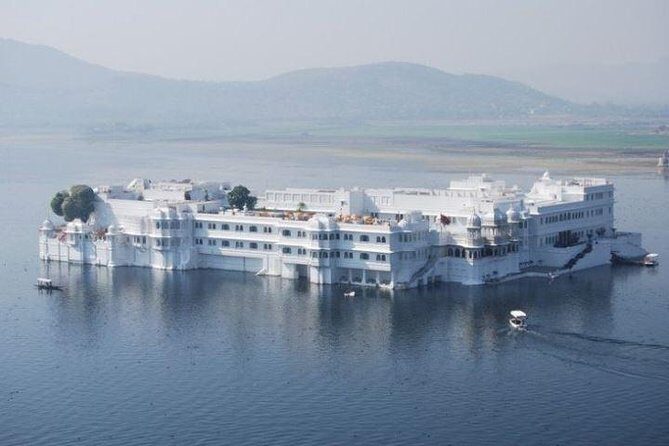
Then you’ll see Jal Mahal, the Water Palace in the middle of Man Sagar Lake. You can view it from shore or take a boat ride on the lake (the tour data mentions boat rides as an option). This is a scenic pause, a chance to reset after palace corridors and museum rooms.
Even if you skip the boat, the location makes for a calm moment in the middle of a packed three-day trip.
Private Guides, Air-Conditioned Cars, and Why This Feels Easier
The best value in this tour is how it reduces friction. You’re not just buying transportation—you’re buying someone who coordinates movement between major sites and keeps your day flowing.
Vehicles That Match Your Group Size
The tour uses different cars based on headcount:
- Up to 2 people: 4-seater sedan
- 3 to 4 people: 6-seater wagon
- 5 to 10 people: ten-seater van
This matters because a wrong-sized vehicle can make a private trip feel cramped. Here, the matching size keeps it comfortable.
Also included: pickup from Airport, railway Station, Hotel, or another pick-up in Delhi/Noida/Gurugram. If you’re flying in, you’ll need flight details at booking time. That’s simple, but it’s the kind of detail that determines whether your arrival day goes smoothly.
On-the-Ground Help With Ticket Lines
The tour notes that your guide will help you buy entrance tickets so you don’t have to wait in queue. That’s more than convenience. It’s time saved during a day when every hour counts.
It also pairs well with the private-guide structure. If you have questions or you want to adjust your pace, a guide can usually steer you toward the best-use-of-time approach.
Comfort Extras You Actually Notice
You’ll get bottles of mineral water and soft drink during the journey. On hot days, that’s not a luxury—it’s basic survival.
And your driver and guides are described as fully vaccinated. That’s not a sightseeing feature, but it can help your peace of mind while traveling.
Price and Value: What You Pay, What You Still Need to Budget
The listed price shown is $4, which is so low it likely reflects a promotional figure or a placeholder, not what you should treat as your real total. What you can treat as real guidance is how the tour handles inclusions vs extras.
What’s Included
Included items cover the big-ticket logistics:
- Fuel surcharge
- All applicable hotel taxes
- All sightseeing with private local guides
- All taxes and service charge
- Battery bus ride to/from Taj parking
- Water and soft drink
- Private tour with air-conditioned car
- Hotel breakfast if you book with the option including hotels
- Hotel or airport pickup/drop-off
So you’re paying for coordination and guided access, not just the drive.
What Costs Extra
Lunch and gratuities aren’t included. More importantly, entry tickets are listed as an extra expense: the tour states an entry-ticket total of about $55 USD per person including all monuments.
At the same time, the description also says entry fees to sites on the itinerary are included. That could mean some sites are covered in certain cases, or it could be a mismatch between the summary and fine print. The safest move is to budget for paid monument entry costs and let your guide help with tickets on the ground.
Who This Tour Suits Best (And Who Might Feel Rushed)
This is a great fit if you’re:
- short on time and want a tight Delhi–Agra–Jaipur loop
- comfortable with early starts and fast pacing
- the kind of traveler who values private transport and guides over independent wandering
It might feel too hectic if you:
- hate changing hotels or want long free time each day
- want a slow, museum-only travel style
- expect every stop to be fully included with zero extra costs (because tickets and meals can add up)
If you want the Taj Mahal and the big Jaipur landmarks but you’re traveling on a schedule, this tour structure usually works.
Monday Special Note: Temple and Monument Swaps
The tour data includes a specific Monday adjustment: Akshardham and Gandhi Smriti are closed on Monday, so you’ll be taken to Gurudwara Bangla Sahib and Birla Temple instead. If your dates land on Monday, this matters for planning photos and expectations.
Should You Book This 3-Day Golden Triangle Tour?
I’d book it if you want maximum iconic sightseeing with minimum headache. The private vehicle setup, sunrise Taj focus, battery bus convenience, and guide help with tickets are exactly the kinds of details that turn a stressful route into a doable one.
Skip it only if you’re trying to travel extremely slowly or you need a fully hands-off experience where you never pay anything extra for monuments and meals. If you plan for the likely entry-ticket budget and you’re ready to move, this is a strong value way to hit the Golden Triangle highlights without losing your day to logistics.
FAQ
Is pickup included?
Yes. Pickup is offered from the airport, railway station, hotel, or any pick-up location in Delhi, Noida, and Gurugram.
Is this a private tour or shared group?
This is a private tour/activity, and only your group will participate.
What vehicle will I ride in?
The car type depends on group size: a 4-seater sedan for up to 2 pax, a 6-seater wagon for 3–4 pax, and a ten-seater van for 5–10 people.
Are monument entry tickets included?
Entry tickets are not fully included in the cost. The tour notes an approximate entry ticket amount of $55 USD per person including all monuments, and your guide can help you buy entrance tickets so you avoid long waits.
Is sunrise Taj Mahal included?
Yes. Day 2 starts early for sunrise viewing of the Taj Mahal, followed by breakfast back at the hotel.
Do you include transportation to the Taj Mahal area?
Yes. The tour includes a battery bus ride to and from the Taj Mahal parking lot to the Taj Mahal monuments.
Are meals included?
Lunch and gratuities are not included. If you book the option that includes hotels, daily hotel breakfast is included.
How much time do you have for Delhi, Agra, and Jaipur sights?
The time is built into the schedule for each stop, with multiple Delhi monument visits on Day 1, key Agra sites on Day 2, and Jaipur highlights on Day 3, followed by the drive back to Delhi.
What happens if I visit on a Monday?
Akshardham and Gandhi Smriti are closed on Monday. The tour adjusts to Gurudwara Bangla Sahib and Birla Temple instead.
What’s the cancellation refund window?
You can cancel for a full refund if you cancel at least 24 hours before the experience’s start time. If you cancel less than 24 hours before, the amount paid is not refunded. Free cancellation is available.