REVIEW · VARANASI
Walking Tour of Varanasi
Book on GetYourGuide →Operated by INDIATOR · Bookable on GetYourGuide
Varanasi’s back lanes pull you in fast. What makes this walking tour special is how it focuses on everyday life: compact houses tucked into narrow alleys, markets with local rhythm, and a guide who helps connect the city’s culture and religion to what you’re seeing on the street. I like the private format and I especially like the local-life feel that comes from staying in residential lanes instead of only hitting big highlights.
One thing to consider: although the tour is described as 3 hours, at least one past booking reported it ended after about 2 hours. So I’d go in with a bit of flexibility, and if you have must-see areas, ask your guide early on to make sure you get enough time for them.
In This Review
- Key Highlights You’ll Actually Feel on This Walk
- How the 10:00 AM Hotel Pickup Sets the Tone
- Entering Varanasi’s Narrow Lanes Without Getting Lost
- What you’ll like
- What to watch
- Old Markets, Specialty Streets, and the City’s Neighborhood Logic
- The best value here
- Ancestral Homes and the Parts Not Yet Turned Into Something Else
- Dharmashalas: Why Varanasi Has So Many Visitors
- A balanced expectation
- Banarasi Paan: A Quick Stop With Cultural Weight
- Tip for ordering
- Your English-Speaking Guide: More Than a City Map
- How to get more from the guide
- Price and Value: Is $38 for 3 Hours a Good Deal?
- Timing, Flow, and What a 3-Hour Walk Means on Foot
- Included vs. Not Included: Simple, Know-This-Now
- Practical Tips for Walking in Tight Varanasi Lanes
- Should You Book This Varanasi Backstreet Walk?
Key Highlights You’ll Actually Feel on This Walk
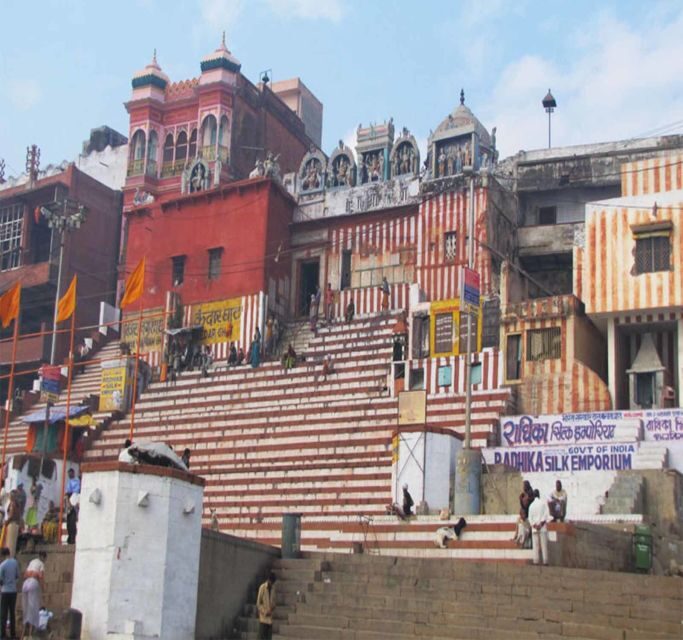
- Back-street neighborhood life in lanes where homes stack tightly and activity spills outdoors
- Old markets and specialty areas that show how Varanasi is organized by what each section is known for
- Dharmashalas (low-cost dormitories) that explain why so many visitors and devotees come to the city
- An English-speaking guide who frames what you see with culture and religion context
- Banarasi paan from a kiosk, a small bite that lands as a real local ritual
- Hotel pickup and drop-off with driver so you’re not stuck figuring out logistics at midday
How the 10:00 AM Hotel Pickup Sets the Tone
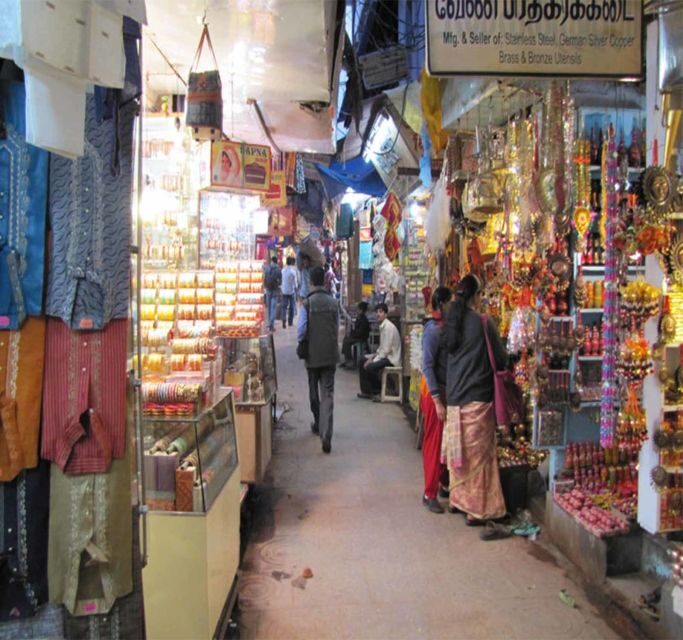
This tour starts with pickup from your hotel lobby at 10:00 AM, then a short drive into the central residential area where the walk begins. That first transfer matters more than you might think. Varanasi can be chaotic on your own, and having someone handle the early navigation helps you start the walk with focus instead of stress.
The tour also includes a chauffeur-style drop-off back at your hotel after the walk. If you’re traveling on limited time or you’re not keen on finding your way back through tight streets, this is a practical win. Plus, the day stays simple: you get a clear start time, a clear end time, and you can build the rest of your schedule around that.
You can also read our reviews of more walking tours in Varanasi



Entering Varanasi’s Narrow Lanes Without Getting Lost
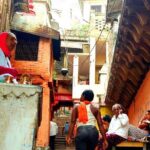
Once you’re in the walking zone, the goal is straightforward: explore the old alleys and see how locals live right where the city’s daily life happens. The tour takes you through compactly built neighborhoods with lanes so narrow you basically move like a careful stream—slow, attentive, and aware that other people are moving too.
You’ll pass streets lined with small apartments stacked one over the other, with life spilling into the corridor-like lanes. It’s a different kind of sightseeing than wide boulevards. Here, you’re not trying to admire from a distance—you’re observing how space, family life, and commerce share the same real estate.
What you’ll like
I like that the tour is designed around street-level reality. If you want Varanasi as a living city, not a postcard, this format gives you the closest thing to that within a short window.
What to watch
Comfort depends on your tolerance for close-quarters walking. If tight spaces make you uneasy, plan for slower pacing and keep a little extra time in your head in case the lane flow slows down.
Old Markets, Specialty Streets, and the City’s Neighborhood Logic
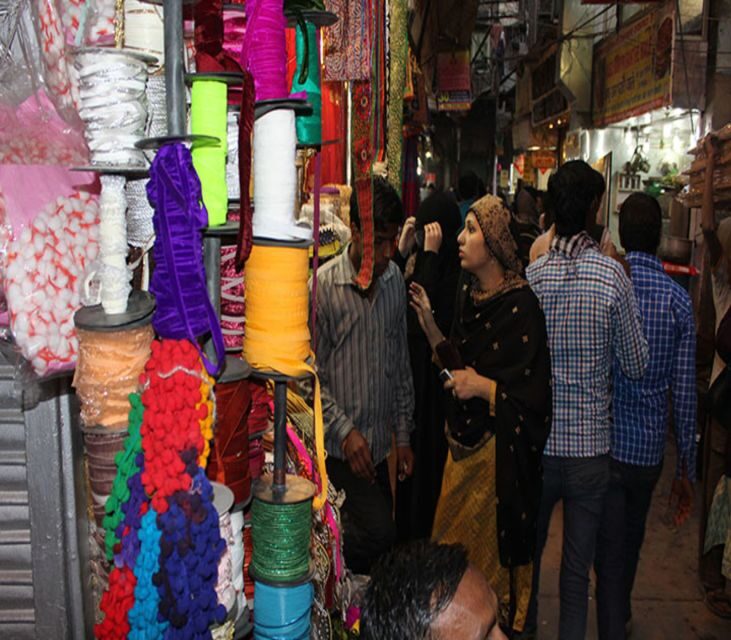
A big part of the experience is wandering through markets and charming alleys in the oldest parts of the city. The city is described as being sectioned into areas with different specialties. That’s helpful because it turns the walk into more than random wandering. Instead, you start noticing a logic: certain streets feel tied to certain kinds of shops, daily errands, and local routines.
As you move from area to area, you get a sense of how the city functions through small commerce and community networks. You also get chances to see everyday details—shopfronts, kiosks, and local setups—without it feeling like a museum stop.





The best value here
This is the kind of tour that helps you get your bearings fast. Even if you later return on your own, you’ll have a mental map of how Varanasi’s neighborhoods are organized and where daily life clusters.
Ancestral Homes and the Parts Not Yet Turned Into Something Else
One highlight focuses on ancestral homes that still feel untainted by the modernizing world. Even without named monuments, that idea lands as you walk: you’re looking at architecture that reads as lived-in, with generations leaving their imprint in how spaces are built and used.
The tour guide plays a key role here, because you’re not just staring at old walls—you’re getting a framework for what those spaces mean socially and culturally. This is where the city’s religion and culture come into the picture in a practical way: the guide helps translate what you see into why it looks and functions like it does.
If you care about how places remain themselves, this segment is one of the most satisfying parts of the walk.
Dharmashalas: Why Varanasi Has So Many Visitors
Then the tour shifts to an area lined with dharamshalas—public dormitories where lodging is offered at low prices. That detail is more than background. It’s a big reason Varanasi pulls in so many visitors and devotees. When people can stay cheaply, they can spend more time in the city’s religious and cultural rhythm.
On this walk, you’re meant to understand the city through that lens: why you see so many people, why certain streets feel geared toward visitors, and how these dormitories shape the daily flow around them. It’s also a reminder that Varanasi isn’t just for short sightseeing trips. The city is built for longer stays of pilgrimage and spiritual routine.
A balanced expectation
This isn’t a themed fantasy tour. It’s a look at real infrastructure that serves real needs. If you like humane, grounded travel—learning how cities host people—this is a strong segment.
Banarasi Paan: A Quick Stop With Cultural Weight
At one point, you’ll try famous banarasi paan from a kiosk in the market. It’s described as a mouth freshener prepared with betel leaves. Even though it’s a small tasting moment, it adds a sensory anchor to the walk.
Why it’s worth including: paan is tied to local habits, not just flavor. So when you’re already looking at markets and daily life, this gives you a simple way to connect with what people do in the course of a normal day.
Tip for ordering
If you’re cautious about strong flavors, let the guide know what you prefer. You’ll still get the cultural point, and you won’t end up stuck with something too intense for your palate.
Your English-Speaking Guide: More Than a City Map
The tour includes an English-speaking tour guide, and that matters because much of Varanasi’s meaning is in context. On this walk, you’re not only moving through lanes—you’re learning why those lanes exist, how neighborhoods are defined by their specialties, and how the city’s culture and religion show up in everyday life.
One guide name that stands out from the experience details is Pulkit, noted for explaining the city’s history, culture, and religion. Even if you don’t have the same guide, the structure points toward a similar approach: you should expect questions answered on the spot, and you should expect the guide to help you connect scenes you might otherwise misunderstand.
How to get more from the guide
Bring curiosity and ask practical questions early. If you’re seeing tight streets and stacked apartments, ask what life looks like in those buildings. If you’re passing dharamshalas, ask how the lodging shapes visitor patterns. The more specific your questions, the more your walk feels like a conversation, not a lecture.
Price and Value: Is $38 for 3 Hours a Good Deal?
The price is listed as $38 per person for a private 3-hour walking tour. That’s a fair range for a private guide in a city where you’re also getting hotel pickup and drop-off by driver.
Here’s how I’d judge value, practically:
- You’re getting a guide for a full walk, in English, focused on neighborhood-level insight.
- You’re not paying separately for local transport to get into the right area at the right time.
- You’re getting mineral water included, which sounds small, but it helps on hot days.
It’s also a good value if you’re short on time and want one solid orientation session. If you’re the type who likes to wander freely without structure, you might feel the cost more. But if you want context while you walk, this is the kind of spend that pays off later—because you’ll know where to go next.
Timing, Flow, and What a 3-Hour Walk Means on Foot
The tour is described as a 3-hour private experience and starts at 10:00 AM. In a city of narrow lanes, your real walking pace depends on foot traffic, doorway crowding, and the guide’s pace for explanation.
Do note the earlier consideration: at least one booking reported the tour wrapping after about 2 hours. That doesn’t mean it always will. Still, it means you should treat 3 hours as the goal, not a rigid timer.
If you have a later appointment, I’d plan a buffer afterward. And if you’re hoping to cover multiple areas thoroughly, tell the guide what matters most at the start so your priorities aren’t squeezed out.
Included vs. Not Included: Simple, Know-This-Now
The included items are clean and straightforward:
- English-speaking tour guide
- Complimentary mineral water
- Hotel pickup and drop-off (and the driver handles the lobby connection)
- Site visits as per the itinerary
- Taxes and service charges
Not included:
- Any personal expenses during the tour
- Pickup/drop-off from the airport or railway station (hotel pickup only)
This matters because it tells you where you’ll spend extra, if at all. If you buy snacks, drinks, or anything beyond what’s provided, that’s on you. The tour itself stays focused on walking and guide-led interpretation.
Practical Tips for Walking in Tight Varanasi Lanes
To make the walk feel good (instead of merely survivable), prep a little:
- Wear comfortable shoes with grip. Some streets can be uneven, and you’ll be moving through close quarters.
- Carry water needs beyond what’s provided if you’re heat-sensitive. Mineral water is included, but your body may want more.
- Keep your phone use quick and discreet. Narrow lanes mean you’re sharing space constantly.
- If paan is optional for you, tell the guide early about spice or ingredient preferences.
And mentally: expect a street-level experience. This walk isn’t about standing at a viewpoint for photos. It’s about people, shops, and how neighborhoods work.
Should You Book This Varanasi Backstreet Walk?
I’d book this tour if you want a first look at Varanasi that feels human and grounded: old alleys, local markets, ancestral homes, and an explanation of how dharmashalas shape the city’s visitor flow. The private format plus hotel pickup/drop-off makes it easier to pull off smoothly, especially if you don’t want to wrestle with navigation right away.
I would hesitate only if you’re very strict about timing or you’re uncomfortable in narrow spaces. If your schedule is tight, build in a buffer because the walk has been reported to run shorter than the stated 3 hours for at least one past experience.
If you’re doing Varanasi as a short trip and you want one guided walk that gives you context while you’re still figuring out the city, this is a smart way to start.