REVIEW · MUMBAI
Walking Tour of Dharavi Slum in Mumbai
Book on Viator →Operated by Amaze Mumbai Tour · Bookable on Viator
Dharavi isn’t what the photos suggest.
This walking tour puts you at street level in one of Mumbai’s busiest neighborhoods, where a local guide connects daily life to the workshops that keep thousands of people earning, creating, and supporting one another.
Two things I like a lot: the local perspective that challenges the usual stereotypes, and the chance to actually watch small industries at work in tight spaces. One possible drawback: photography is restricted at certain locations, so come ready to look (and ask permission when you’re unsure).
In This Review
- Key highlights worth showing up for
- Where the Dharavi Walk Starts (and what the timing really feels like)
- Why a local guide changes everything in Dharavi
- What you’ll actually see on the walk: small industries in tight spaces
- Leather in Dharavi: the industry you’ll keep hearing about
- Pottery-making and the craft economy you can see
- Rules of the road: photography limits, water, and respectful behavior
- Small-group walking: comfort, safety, and hearing your guide
- Price and value: $12 for a local look at work that actually happens
- Who should book this Dharavi tour (and who might want a different option)
- Should you book the Walking Tour of Dharavi Slum?
- FAQ
- Where does the tour start?
- How long is the Dharavi walking tour?
- How much does it cost?
- Is photography allowed?
- What should I wear or bring?
- Can I get a refund if my plans change?
Key highlights worth showing up for
- Local guide commentary that reframes Dharavi beyond poverty headlines
- Small-group size (max 15) so the walk stays manageable
- Leather and pottery stops focused on the area’s most visible trades
- Street-level community details, including temples, mosques, and churches close together
- Hands-on look at how work fits inside small spaces, often using innovative methods
- Photography limits at specific spots, protecting residents’ privacy
Where the Dharavi Walk Starts (and what the timing really feels like)
You’ll meet your guide in the Mahim area, near Mahim Station (West), by a coffee shop. The exact start point is listed at Third Wave Coffee near Senapati Bapat Marg in Mahim, so use Google Maps and aim to be there a few minutes early.
The tour runs about 1 hour 30 minutes to 2 hours, which matters because Dharavi moves at a different speed than most tourist districts. This isn’t a long slog through multiple neighborhoods. It’s a focused walk where your guide can explain what you’re seeing without racing you.
The group stays small, up to 15 people, which helps. You can hear your guide, and the pace doesn’t turn into a human wave. It’s also listed for a moderate fitness level. That usually means you should be comfortable walking and navigating crowded streets for the length of the tour.
One practical detail I’d plan around: dress appropriately and skip very short clothes. You’re walking through an active residential community, not a theme park.
You can also read our reviews of more walking tours in Mumbai


Why a local guide changes everything in Dharavi

Dharavi has a population of almost one million people, and it’s often reduced to a single idea: slum. This tour pushes back on that. The whole point is that you’ll hear real context from someone who knows the place from the inside.
In the feedback I’ve seen from guides such as Mr. Ganesh, Mr. Alam, and Dawood, the common thread is a positive, practical explanation of how the community works and why the stereotypes miss the mark. On tours like this, the guide’s job isn’t to sugarcoat. It’s to give you the missing details that make the picture accurate: what people do, how the trades function, and how everyday life continues side by side.
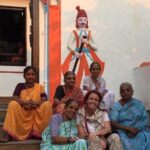
You’ll also notice the neighborhood’s religious diversity as you walk. The tour sets you up to see temples, mosques, and churches close together. That kind of detail is hard to catch from afar, and it’s one of the quickest ways to understand Dharavi as a community, not a label.
What you’ll actually see on the walk: small industries in tight spaces
The tour centers on the small-scale industries that power Dharavi’s economy. You’re not just told these exist—you observe the range of work happening around you.
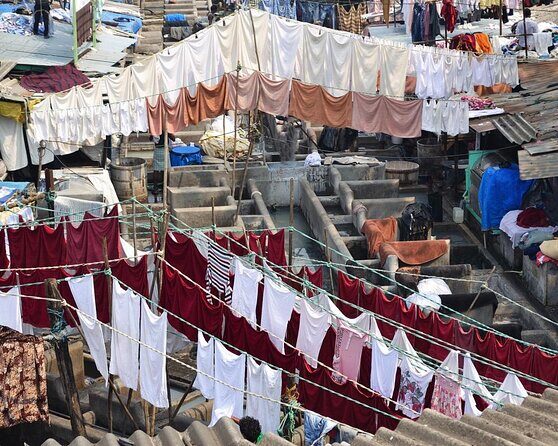
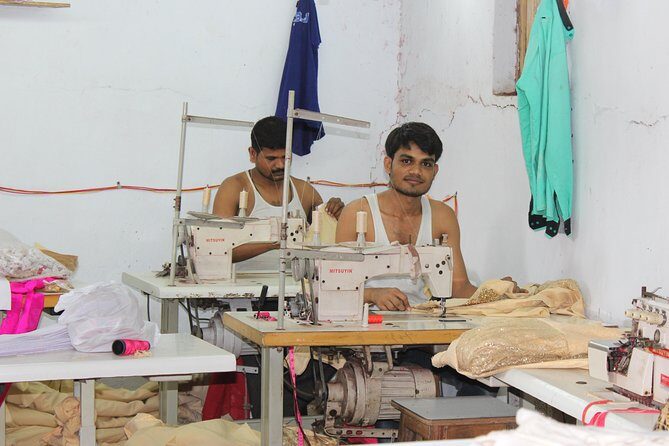
Expect to see (or be pointed toward) industries such as recycling, pottery-making, embroidery, soap-making, and leather tanning. The key theme is how much innovation shows up when space is limited. In many places, production methods are adapted to compact rooms and narrow work areas, which is exactly the kind of detail that changes how you think about “where things get made.”
The guide’s commentary also helps you connect the trades to daily life. Dharavi isn’t presented as a single monolith. People from many parts of India live there, and that diversity becomes obvious as you pass through the neighborhood’s rhythm—homes, small workshops, and community spaces in close proximity.
Leather in Dharavi: the industry you’ll keep hearing about
One of the main stops is Dharavi Leather, and the tour is upfront about it: leather is the dominant industry here. That stop lasts about 10 minutes, but it’s designed to be informative rather than rushed. You’ll see how central leather work is to the area’s identity and how a specific trade shapes what you notice as you walk.
In the broader tour description, you’ll also hear about the leather-related processes that happen in compact settings. Reviews often highlight how much explanation the guide provides, including how production works and why it’s feasible in narrow, shared spaces.
A consideration here: leather-related areas can be visually and conceptually intense. You’re seeing real work, not staged crafts. If you’re sensitive to industrial processes, mentally brace for that. On the other hand, if you want to understand how Mumbai’s economy connects to micro-workshops, this is one of the most direct windows in the whole experience.
Pottery-making and the craft economy you can see
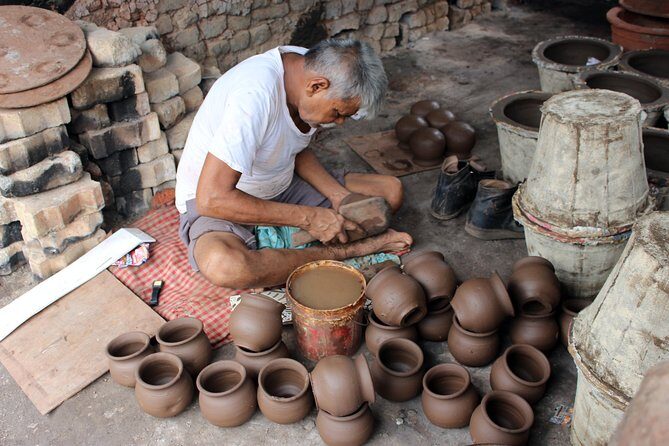
Another focused stop is pottery-making and selling. This is also about 10 minutes, and it’s tied to one of Dharavi’s significant industries.
What makes the pottery stop valuable isn’t just the craft itself. It’s the business logic around it: people make and sell in the same neighborhood where they live. You see how the trade fits into the local ecosystem rather than being separated into a craft studio district.
Ceramics show up in the kinds of industries described for the tour, and some reviews specifically mention enjoying the ceramics area. If you’re the kind of traveler who likes watching skilled hands at work, pottery is a great counterbalance to the more industrial feeling of leather and recycling.



Rules of the road: photography limits, water, and respectful behavior
This tour has a clear note: photography is not allowed at certain locations. That’s about residents’ privacy. So plan on photographing only where your guide indicates it’s permitted, and skip the “but it’s for my memories” argument with yourself. Follow the guidance on the day.
Dress matters too. The tour asks you to avoid very short clothes. You’ll be walking through residential areas, and people deserve the basics of respect.
Food and drinks aren’t included. Even though the tour is under two hours, don’t assume you’ll pass open convenience stores every minute. A number of reviews suggest bringing water, and at least one guide reportedly stopped for bottled water during the walk. I’d still come prepared so you’re not scrambling.
One more small tip: arrive ready to listen. The best part of this tour is your guide’s explanations. If you spend the walk trying to “capture everything,” you’ll miss the context that makes Dharavi make sense fast.
Small-group walking: comfort, safety, and hearing your guide
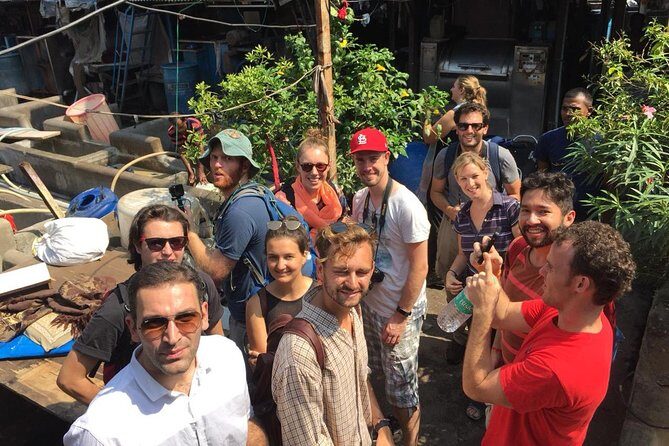
With up to 15 travelers, this is set up for a conversation-style walk. You won’t be shouted at, and you won’t have to play guess-the-guide when the street gets busy.
Safety is part of the tour’s design. Reviews repeatedly praise guides for ensuring they stayed safe during the walk. That doesn’t mean Dharavi is a casual stroll with no risks. It means your guide understands how to keep the group moving, where to pause, and how to manage the crowd flow in an active neighborhood.
The “walking” part matters for another reason: seeing workshop work from a street level angle gives you a better sense of scale. You can tell where production happens and how people move through the same spaces.
Price and value: $12 for a local look at work that actually happens
At $12.00 per person, this tour is priced in the category of affordable, high-impact experiences. For your money, you get a local guide and a structured route that focuses on the industries that explain the neighborhood.
You’ll also see that the stops listed have admission ticket free, which keeps the cost from inflating once you’re on the ground. Add the fact that you’ll be in a small-group setting and using a mobile ticket, and the price starts to look even more reasonable.
One thing I like about how this is priced: it encourages you to see Dharavi as a place with working life and community—rather than a paid spectacle. It’s not selling you a fantasy. It’s giving you a guided lens.
If you’re hoping to go at a specific time, don’t treat it as last-minute. The average booking window is 33 days in advance, which suggests this tour is popular enough that it can fill up.
Who should book this Dharavi tour (and who might want a different option)
This tour is a good match if you:
- Want an on-the-ground perspective from someone who lives the reality
- Like working neighborhoods and understanding economies, not just monuments
- Are curious about how recycling, leather, embroidery, soap, and pottery can coexist in compact spaces
- Enjoy walking tours where you learn while moving
You might think twice if you:
- Strongly dislike seeing industrial processes up close
- Get uncomfortable with limited photography
- Need a tour with long sit-down breaks (this one stays focused and on foot)
Kids can go too: the tour notes a minimum age of 5, and children must be accompanied by an adult. That can work well for families who want context and don’t mind a concentrated walk.
Should you book the Walking Tour of Dharavi Slum?
Yes, if you want one clear experience that cuts through the usual headlines and replaces them with street-level reality. The big value here is the local guide framing plus the industry-based stops that explain how community life and work intertwine.
Two “go/no-go” checks before you book:
- Are you okay following photography rules at certain locations?
- Can you handle a moderate walking level for around 2 hours in a busy neighborhood?
If your answer is yes, this is the kind of tour that helps you understand Mumbai faster than any bus ride ever could.
FAQ
Where does the tour start?
You meet your guide in the Mahim area near Mahim Station (West), outside a coffee shop (the start address is listed at Third Wave Coffee Tip Road, Mahim).
How long is the Dharavi walking tour?
It typically runs about 1 hour 30 minutes to 2 hours.
How much does it cost?
The price is $12.00 per person.
Is photography allowed?
Photography is not allowed at certain locations during the tour, so expect restrictions and follow your guide’s instructions.
What should I wear or bring?
Dress appropriately and avoid very short clothes. Bring comfortable shoes for walking and consider bringing water since food and drinks aren’t included.
Can I get a refund if my plans change?
You can cancel for a full refund if you cancel at least 24 hours before the start time. If you cancel within 24 hours of the start time, you won’t get a refund.