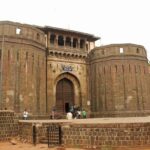
A Pune day that keeps your bearings. This full-day guided city loop is built for travelers who want the big-name sights—Shaniwar Wada Fort and the Aga Khan Palace and Gandhi National Memorial—without spending mental energy on routes, cabs, or working out what you’re even looking at. The guide (English and Hindi) brings context and storytelling so you leave with more than photos.
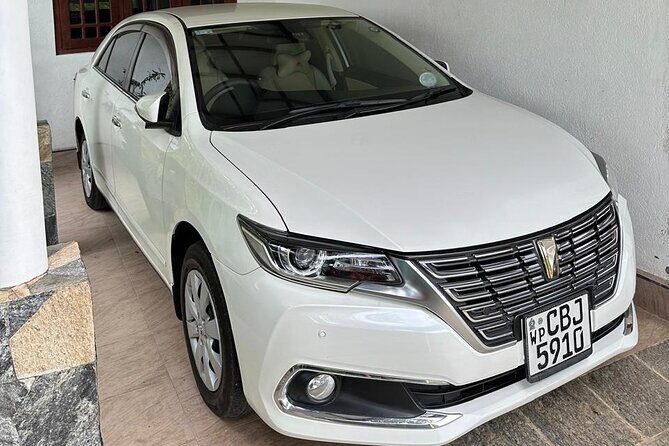
Two things I like a lot: you get hotel pickup plus a private AC car, and you also get a real storyteller guide who connects what you see to Pune’s culture and spiritual ideas. One watch-out: entry fees for most sites are not included, so plan to budget a bit extra once you’re on the ground.
The itinerary moves from forts and temples to a classic market stop and then lands on a calmer, reflective finale at Aga Khan Palace. You’ll do a lot of seeing in about 8 hours, which is great if you’re tight on time, but it can feel like a packed day if you like slower sightseeing.
In This Review
- Key highlights to know before you go
- Why this Pune tour works so well for first-timers
- The route: from Shaniwar Wada to Aga Khan Palace in one smooth loop
- Stop 1: Shaniwar Wada Fort (quick look, big atmosphere)
- Stop 2: Lal Mahal Chitra (royal architecture stop)
- Stop 3: Dagdusheth Halwai Ganapati Temple (one of the included admissions)
- Stop 4: Jangali Maharaj Temple (small stop, good contrast)
- Stop 5: Pataleshwar Cave Temple (the cave adds texture)
- Stop 6: Tulshibaug market (the everyday Pune moment)
- Stop 7: Aga Khan Palace + Gandhi National Memorial (the reflective finish)
- Lunch: Maharashtrian food that turns sightseeing into a real day out
- Guide quality: where the value really shows up
- Price and value: $131.42 per group, up to 3
- Who should book this Pune full-day tour
- Quick checklist for your day
- Should you book this tour?
- FAQ
- How long is the full-day Pune sightseeing tour?
- Is hotel pickup included?
- Is the tour private?
- How many people are included per group?
- Are entry fees included?
- Is lunch included?
- What language does the guide speak?
- Which attractions are included in the itinerary?
- What is the cancellation policy?
Key highlights to know before you go
- Hotel pickup + private AC car so you’re not negotiating traffic all day
- English/Hindi storyteller guide with practical explanations, not just facts on signs
- Temple and fort sequence that covers major religious and historical landmarks in one circuit
- Lal Mahal, Dagdusheth Ganapati, Pataleshwar Cave Temple, and Jangali Maharaj Temple all in the same day
- Tulshibaug market stop for a taste of everyday Pune beyond monuments
- Maharashtrian lunch included, with local favorites mentioned in past experiences
Why this Pune tour works so well for first-timers
Pune is the kind of city where a self-guided day can go sideways fast: wrong turn, closed ticket office hours, or you show up at a temple and don’t know which detail matters. This tour solves that with a guide plus a car that handles the logistics while you focus on what’s in front of you.
It’s also priced per group (up to 3 people). That matters for value. If you’re traveling with a friend or two, the cost becomes much easier to swallow than booking separate cabs or paying for individual guiding. You’re basically buying time saved and context added—two things you can’t really replace once you’re already tired.
Another small but real advantage is that your stops are spaced at sensible durations (mostly 15 to 30 minutes, with one longer 1-hour memorial visit). That’s not “scrolling-speed sightseeing.” It’s enough time to look, take a breath, and understand what you’re seeing—then move on before the day turns into a grind.
You can also read our reviews of more guided tours in Pune

The route: from Shaniwar Wada to Aga Khan Palace in one smooth loop
This tour is structured like a story you can walk through: power and fortification first, then royal architecture and religious sites, then daily life at Tulshibaug, and ending with a more reflective historical memory at Aga Khan Palace.
The exact stop times are part of the plan. You’ll hit:
- Shaniwar Wada Fort
- Lal Mahal
- Dagdusheth Halwai Ganapati Temple
- Jangali Maharaj Temple
- Pataleshwar Cave Temple
- Tulshibaug market
- Aga Khan Palace + Gandhi National Memorial
Because everything is clustered, you won’t waste your day hopping across town. That’s where the “guided full-day” value shows up.
Stop 1: Shaniwar Wada Fort (quick look, big atmosphere)
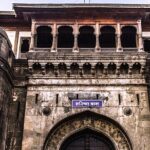
You start at Shaniwar Wada Fort, with about 30 minutes on-site and the admission ticket not included. Even with a short visit, Shaniwar Wada is one of those places that changes how you read the rest of Pune. It’s a strong opening because it sets the “power and time” frame: the idea that cities have eras, not just buildings.
In a self-guided visit, you might photograph the exterior and move on. With a guide, you’re more likely to pick up on what made it important and how the fort fits into the city’s earlier story lines. If you’re the type who likes to understand before you stare, this start works.
Consideration: since entry isn’t included, keep a little cash or card readiness for ticketing that day.
Stop 2: Lal Mahal Chitra (royal architecture stop)
Next is Lal Mahal (Pune) for about 30 minutes, with admission not included. Lal Mahal is often the “bridge stop” between the fort world and the temple world. It’s useful when you want variety: not every stop is a worship space or a cave temple, and the royal-architecture angle gives your day balance.
If you’re thinking about pacing, this stop is a good middle. It’s long enough to feel like a real stop, but it doesn’t drag.
One practical tip: since tickets aren’t included here either, treat the admission exclusions as part of your budget, not a surprise.
Stop 3: Dagdusheth Halwai Ganapati Temple (one of the included admissions)
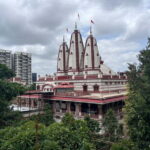
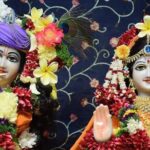
Dagdusheth Halwai Ganapati Temple is the first major spiritual stop that’s explicitly marked with admission included. You’ll have about 15 minutes. That short time is intentional: this is a high-significance site where your best move is quick focus—look, notice the devotion energy, and then let the guide’s explanations do the heavy lifting.
What makes this temple stop valuable is the pairing: the guide doesn’t just point; they explain the meaning and the cultural context. One past guide name that came up in feedback is Sachin (spelled Sachinn in one note). People described him as someone who ties spiritual understanding to what you’re seeing, so you’re not just standing in a crowd.
If you’re visiting Pune for religion and culture, Ganapati temples are often the fastest route to feeling local rhythm.
You can also read our reviews of more city tours in Pune
Stop 4: Jangali Maharaj Temple (small stop, good contrast)
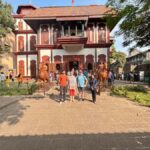
Jangali Maharaj Temple gets around 15 minutes, and admission is free. This is a classic “contrast stop” that helps your day avoid monotony. After the main Ganapati temple, the Jangali Maharaj stop is usually a calmer, more reflective pause in the itinerary.
Even though the visit is brief, you still benefit from having a guide. You’ll likely notice details you’d otherwise miss—because the meaning behind architectural features or iconography usually isn’t obvious at a glance.
Stop 5: Pataleshwar Cave Temple (the cave adds texture)
Then you move to Pataleshvara Cave Temple for about 30 minutes. Admission is marked free, so this is a spot where you can spend more time without budgeting another entry fee.
Cave temples tend to hit differently than open-air ones. The cave setting gives you a natural “sound and shadow” effect, and it makes the space feel more enclosed and focused. In a guided visit, you’re also more likely to understand how cave worship traditions relate to the region’s long timeline of religious practice—without turning the day into a lecture.
One practical note: cave spaces can feel cooler and sometimes darker than you expect. Give your eyes a minute and don’t rush your photos.
Stop 6: Tulshibaug market (the everyday Pune moment)
A great day needs one stop that’s not just monumental. Tulshibaug, described as the oldest market of Pune, is where you get that everyday texture. You’ll have about 30 minutes, and admission is free.
This is where you can look at daily life rather than history behind glass. Market stops also help you reset after temple and fort spaces. You’re switching gears—from “what is this place?” to “how do people live around it?”
In past experiences, the lunch and local food side of the day got attention too, and dishes like Sabudana Vada, Misal Pav, and Vada Pav came up as local favorites tied to the food experience. Lunch is included, and this market stop is the kind of setup that makes local eating feel natural rather than random.
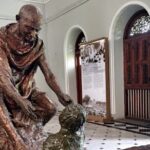
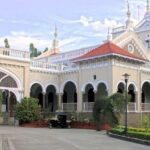
Stop 7: Aga Khan Palace + Gandhi National Memorial (the reflective finish)
You finish at Aga Khan Palace and Gandhi National Memorial, with about 1 hour on-site. Admission here is not included, so again: keep your budget flexible.
This is the “slow down” ending. After temples and forts, the memorial setting gives the day a different emotional tone. If you want history that isn’t only about rulers and architecture—but about people and events—this is the stop that delivers.
You’ll want the full hour. It’s a place where you can take your time reading context and looking at the grounds without the stress of the next pickup moment.
If you’re the kind of visitor who likes to end a day on meaning rather than just more monuments, this finale is a strong match.
Lunch: Maharashtrian food that turns sightseeing into a real day out
Lunch is included, and it’s described as an authentic Maharashtrian lunch. That may sound like a generic line, but it’s important because it signals you’re not stuck with a random snack break. You’re getting a meal that fits the region.
In one set of feedback, the food highlight wasn’t just one plate—it was the chance to eat at local joints known for favorites like Sabudana Vada, Misal Pav, and Vada Pav. That tells you this tour tends to treat food as part of the experience, not an afterthought.
Practical advice: if you have spice sensitivity or dietary limits, mention it when you book. The itinerary doesn’t list meal specifics beyond Maharashtrian style, so communicating your preferences early is your best move.
Guide quality: where the value really shows up
This is a guided tour with a focus on storytelling. Your guide is described as a friendly storyteller who can speak English and Hindi and who shares “insider tips and recommendations.” That matters because the main sights in Pune can feel confusing if you don’t have a frame.
One thing that stood out in feedback is that the guide can mix spiritual context with practical facts—so you’re not stuck either in a history-only mode or a religion-only mode. There’s also praise for excellent communication about pickup timing, with one mention of easy last-minute booking. That kind of reliability reduces day-of stress.
Also, since the tour is a private activity (only your group participates), the guide can tailor pacing and questions. That can be a big quality difference compared with big buses where you barely hear anything.
Price and value: $131.42 per group, up to 3
At $131.42 per group (up to 3) for about 8 hours, this is built to be cost-effective for small groups rather than solo travelers.
Here’s how I think about the value:
- You’re paying for a private AC car, plus a guide’s time.
- Entry fees are mostly not included, so your final spend depends on which tickets you choose or which sites require payment.
- Lunch is included, which adds real value because you’re not hunting for food between stops.
If you’re 1 person traveling alone, the entry fees can make the day feel like a “starter pack” plus add-ons. If you’re 2 to 3 people, the private-car portion becomes much more reasonable per person.
So the best match is: small group friends, couples, or anyone who wants a guided structure without paying for a full personal car hire all day.
Who should book this Pune full-day tour
This tour is a strong fit if you:
- have one full day in Pune and want the major landmarks
- want a guide who explains cultural and spiritual context
- like a mix of temples, fort/architecture, and an actual market stop
- value having transport handled (pickup plus private AC car)
It’s also a good fit for first-time visitors who worry they’ll miss something important.
If you’re the type who hates tight schedules and wants to wander with no structure, you might find the stop durations feel quick. But if you’re planning carefully and you like moving through a curated route, it’s a practical way to get more out of your day.
Quick checklist for your day
A few simple things help you enjoy the stops:
- Bring something for water during the day.
- Have money/cards ready for entry fees at your own expense.
- Wear clothes that work for temples (you’ll be in religious spaces several times).
- Keep your phone charged—there’s a lot to photograph across fort, palace, caves, and market.
Should you book this tour?
I’d book it if you want a smooth first-day Pune experience where you learn as you go. The biggest reasons are the private AC car with pickup, the English/Hindi storyteller guide, and the itinerary mix that covers forts, temples, a market, and a memorial without you needing to plan every turn.
I wouldn’t book it if you’re on a strict budget and you hate paying extra for entry fees. Since many stops list admission as not included, your final cost will depend on those ticket payments. Still, even with add-ons, the guided structure and included lunch can make the day feel worth it.
If you want one efficient day that teaches you what you’re seeing, this Pune full-day tour is a solid choice.
FAQ
How long is the full-day Pune sightseeing tour?
It runs about 8 hours (approx.).
Is hotel pickup included?
Yes, hotel pickup is offered.
Is the tour private?
Yes. It’s a private tour/activity, and only your group participates.
How many people are included per group?
The price is listed per group up to 3 people.
Are entry fees included?
Entry fees are generally not included. Some specific sites show admission included or free, but you should expect to pay entry fees for several stops at your own expense.
Is lunch included?
Yes, lunch is included as part of the experience.
What language does the guide speak?
The guide can speak English and Hindi.
Which attractions are included in the itinerary?
The tour includes Shaniwar Wada Fort, Lal Mahal, Dagdusheth Halwai Ganapati Temple, Jangali Maharaj Temple, Pataleshwar Cave Temple, Tulshibaug market, and Aga Khan Palace with the Gandhi National Memorial.
What is the cancellation policy?
Free cancellation is available. You can cancel up to 24 hours in advance for a full refund. If you cancel less than 24 hours before the start time, the amount paid will not be refunded.