Shaniwar Wada turns Pune’s history into a street walk. I love how the route links major landmarks like Shaniwar Wada Fort and the Lal Mahal, and I love that your guide explains Pune through stories, not just facts. You start in Kasba Peth and quickly learn how this part of the city fits together, so your later self-guided exploring makes more sense.
One thing to plan for: some stops can feel quiet, so treat parts of the walk as short photo-and-context moments rather than long stays.
In This Review
- Key things to know before you go
- Why old-town Pune rewards a guided walk
- Price and value: does $12.96 make sense for 2 hours?
- Meeting at Shaniwarwada and finishing near Bajirao Road
- Shaniwar Wada Fort: the history anchor of the route
- The childhood home of the Maratha Empire founder and the 180-degree architecture view
- Lal Mahal and Vishram Bagh Waada Palace: landmark stops without the overload
- Markets, Dagdusheth Halwai Temple, and Ganesh idols in the lanes
- Pesewa architecture, British-era administration, and Bajirao II’s holiday home
- Included guide help: storytelling plus money-saving local tips
- Comfort and practical tips for a 2-hour walking route
- What this tour is best for
- Should you book the Shaniwar Wada Walking Tour?
- FAQ
- How long is the Shaniwar Wada walking tour?
- How much does the tour cost per person?
- Where does the tour start?
- Where does the tour end?
- Are food and drinks included?
- What languages does the guide speak?
- How big is the group?
- Is transportation to and from attractions included?
- Is there a mobile ticket?
- Can I cancel for a full refund?
- Do I get confirmation after booking?
- Is the meeting point near public transportation?
Key things to know before you go

- Shaniwar Wada Fort sets the theme: you begin in the historic core and keep the focus on what shaped Pune
- English and Hindi storyteller guide: you’ll get explanations in two languages, plus local tips for saving time and money
- Hidden lanes and market streets: the walk aims for backstreets and older commercial areas, not just big viewpoints
- Temples and Ganesh idols in town: you’ll see Dagdusheth Halwai Temple plus other Ganesh displays along the way
- A small group (max 15): you’re not lost in a crowd, which makes questions easier
- Mobile ticket plus group discounts: easy to carry, and the price can be friendlier for groups
Why old-town Pune rewards a guided walk
Pune’s old neighborhoods can look chaotic from the outside. That’s the point. But when you walk with a guide, the chaos starts to organize itself. You begin at Shaniwar Wada Fort, and from there you’re not just moving between sights—you’re learning how the city’s power centers, neighborhoods, and public spaces connect.
What I like about this tour is the emphasis on story and street-level context. You’re shown landmark sites and also the smaller lanes that explain why locals still treat these areas like important meeting points, markets, and cultural stops.
You’ll also get local “how-to” advice—where to eat, drink, and explore—so the two hours feel useful even after the walk ends.
You can also read our reviews of more walking tours in Pune


Price and value: does $12.96 make sense for 2 hours?
At $12.96 per person, this is priced like a true budget-friendly orientation walk. You’re not paying for private transport or a long, all-day program. Instead, you’re paying for three things that matter in a place where you might not know your way yet:
- A guide who can explain what you’re seeing in English and Hindi
- Access to hidden lanes and smaller streets
- Practical local recommendations you can use immediately
The trade-off is simple: it’s only about 2 hours, so you won’t be spending a long time sitting in one monument. If you want deep, slow museum-style study, this isn’t that. But if you want to understand the layout of old Pune and collect a handful of good next steps for the rest of your trip, the price-to-time ratio is strong.
Meeting at Shaniwarwada and finishing near Bajirao Road
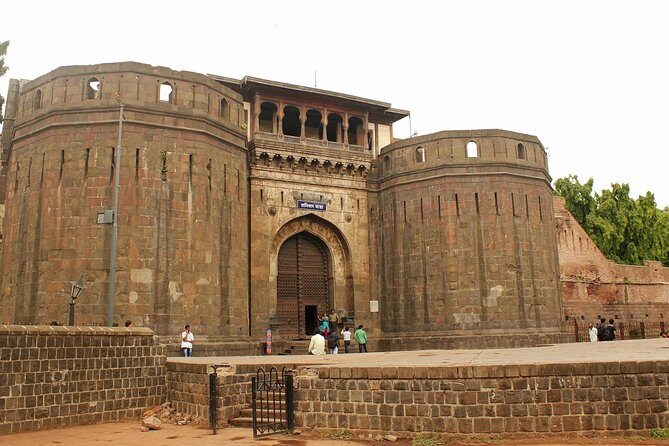
The start point is Shaniwarwada, Kasba Peth, Pune. The tour end is on Saras Baug Road & Bajirao Road (Subhash Nagar, Shukrawar Peth).
That end location is a smart feature because it puts you back into a practical, easy-to-continue-exploring zone. You’re not dropped somewhere remote. You’re dropped near roads where it’s easier to hop onward—whether that means more walking, browsing markets, or heading toward your next planned stop.
Also, the tour is described as being near public transportation, so you’re not dependent on taxis just to begin and end.
And the group size matters. With a maximum of 15 travelers, the guide can actually steer the pace and answer questions without constantly reshuffling the crowd.
Shaniwar Wada Fort: the history anchor of the route
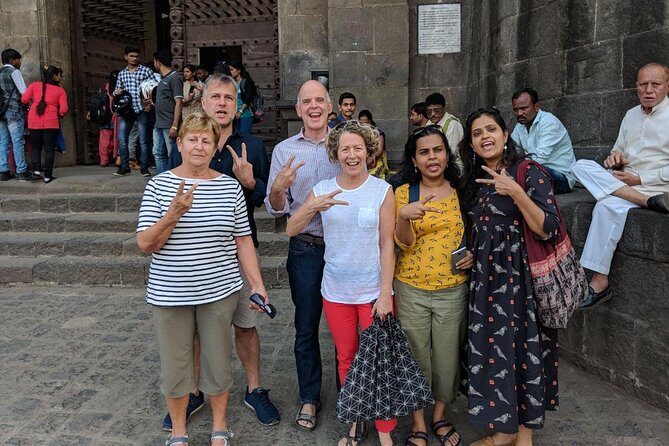
Starting at Shaniwar Wada Fort makes this tour work. The fort isn’t just a photo stop; it’s the origin point for understanding Pune’s old power map. The walk begins in the fort area, then moves outward into neighborhoods and structures that grew around the city’s older centers of influence.
Expect a mix of on-the-ground storytelling and architectural orientation. Even if some areas of the fort or surrounding sites don’t feel like a full-on, hours-long attraction, the guide’s role is to give you the context to appreciate what you’re seeing. Think of it as learning what to notice when you pass buildings later on your own.
The childhood home of the Maratha Empire founder and the 180-degree architecture view
One of the most specific parts of the experience is the stop tied to the childhood home of the founder of the Maratha Empire. Pair that with a 180-degree view of architecture in the city, and suddenly you’re not only learning names—you’re learning how to read the city’s built form.
This is one of those “small but high-impact” moments. A wide view can make Pune feel less like random streets and more like a connected set of neighborhoods with patterns—how areas relate to each other and how older structures sit in the modern city.
It’s also a good time for photos. If you’re the kind of traveler who likes architecture, you’ll probably appreciate this stop more than you expect, because it gives you a reference point for the rest of the day.



Lal Mahal and Vishram Bagh Waada Palace: landmark stops without the overload
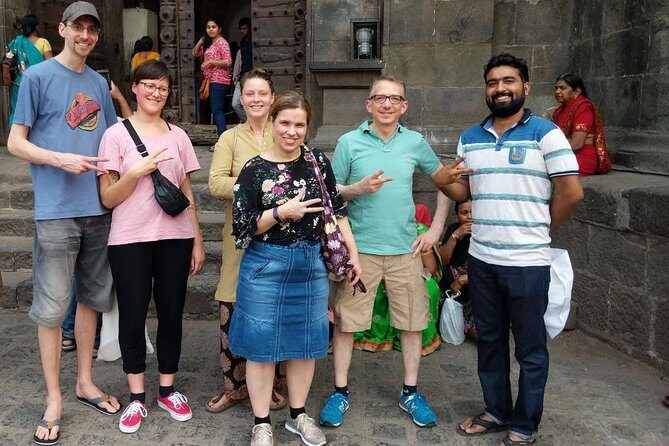
The tour overview points to several big-name sites beyond the fort, including Lal Mahal and Vishram Bagh Waada Palace. Even if you don’t linger for long at every single landmark, seeing these places as part of one walking route helps you keep the bigger story straight.
Here’s the value: when these landmarks appear on a route that also covers markets and temples, the city stops feeling like a list of unrelated monuments. You start to connect the political and cultural layers—who mattered, where power shows up, and how public life fits around it.
Markets, Dagdusheth Halwai Temple, and Ganesh idols in the lanes
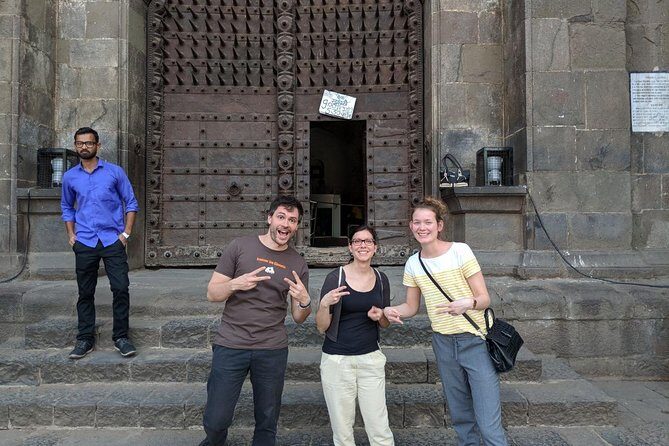
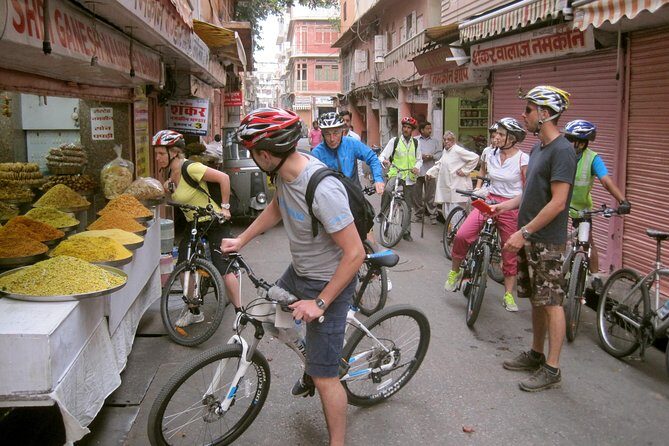
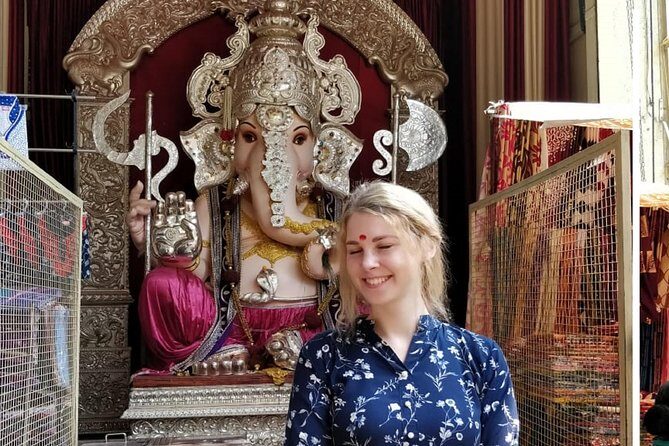
This is the part of the walk where Pune feels most alive in everyday terms. You’ll explore centuries-old buildings and markets, then move through religious landmarks such as Dagdusheth Halwai Temple and other Ganesh idols around town.
The best reason to take a guided approach here is practical: these streets can be visually busy, and without context you might miss why certain spots matter. With a guide, you learn what you’re looking at and how local religious culture shows up right in the street fabric.
Even if you’re not religious, Ganesh idols in these lanes often work like a moving map of local community identity. And if you like street photography, this is where you’ll likely get the most satisfying shots because the scene is human, not staged.
Pesewa architecture, British-era administration, and Bajirao II’s holiday home
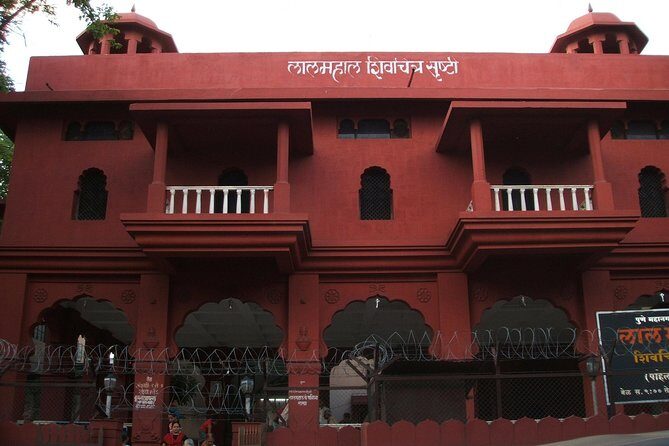
The tour’s “hidden place” segment is the kind of stop that can make a short walk feel special. You’ll visit a spot with Pesewa architecture, described as an administrative headquarters during the British era, and also a splendid holiday home of Bajirao II.
That mix of eras is the point. Pune didn’t just have one chapter of history. The city layers different influences—Maratha-era identity, later colonial administration, and elite domestic life—all overlapping in built space.
What you should take from this: it’s not only about hearing stories. It’s about noticing how the architecture and function of a place can change over time, while still carrying traces of what came before. Even when you’re moving on quickly, a guide helps you place each stop into a timeline.
Included guide help: storytelling plus money-saving local tips
This tour includes a highly trained storyteller guide who can speak English and Hindi. That matters because you’re not just walking past landmarks—you’re getting explanations in a way that helps you remember them.
You’ll also get local tips and recommendations that focus on saving money and choosing where to explore next. Since food and drinks aren’t included, these recommendations can be especially useful. A good guide can point you toward options that fit your budget and where the best atmosphere tends to be—without wasting your time wandering in the wrong direction.
Finally, the tour promises access to hidden lanes and places, plus room for conversation. In a two-hour format, that conversational element is what often makes the difference between a forgettable walk and one that actually helps you connect the dots.
Comfort and practical tips for a 2-hour walking route
Because it’s a walking tour, you’ll want to dress and move for streets, not monuments. Here’s what I’d plan around based on what’s included and not included:
- Wear comfortable shoes, because you’re spending most of the time moving between old-town areas
- Bring a light plan for hydration and snack needs, since food and drinks are not included
- If you’re sensitive to quiet or closed-feeling areas, mentally prepare for short photo stops at certain sites rather than expecting every stop to feel like a full attraction
Also, confirmation happens at booking time, and the tour uses a mobile ticket, which is convenient for keeping everything organized.
What this tour is best for
This walk is ideal if you want a fast, structured introduction to old Pune with real context. I’d especially recommend it if:
- You’re visiting for a short time and need quick orientation
- You want to understand the story behind major landmarks like Shaniwar Wada Fort without needing museum time
- You like walking through markets and temple streets, then using the guide’s tips to plan the rest of your day
It’s less ideal if you want long stays at monuments, lots of downtime, or a food-focused tour. You’ll have to handle meals on your own using the guide’s suggestions.
Should you book the Shaniwar Wada Walking Tour?
I think you should consider booking if you’re the type who enjoys city history told in street scenes, not in lecture halls. For the price, the combination of a small group, English/Hindi guidance, and access to lanes, markets, and temple streets is exactly what makes a short walking tour worth it.
But be smart about expectations. The rating is 3.3 with a small number of comments, including complaints about professionalism and start-time reliability, and notes that some areas can feel deserted and only worth a brief stop. If punctuality and consistently lively stops are non-negotiable for you, I’d weigh that risk before you commit.
If you go in with the right mindset—two hours for bearings, stories, and photos—you’ll likely leave with a better map of Pune in your head and better instincts for where to roam next.
FAQ
How long is the Shaniwar Wada walking tour?
The tour lasts about 2 hours.
How much does the tour cost per person?
The price is $12.96 per person.
Where does the tour start?
The tour starts at Shaniwarwada, Kasba Peth, Pune, Maharashtra 411011, India.
Where does the tour end?
The tour ends at Saras Baug Road & Bajirao Road, Saras Baug Rd & Bajirao Rd, Subhash Nagar, Shukrawar Peth, Pune, Maharashtra 411002, India.
Are food and drinks included?
No. Food and drinks are not included.
What languages does the guide speak?
The guide can speak English and Hindi.
How big is the group?
The tour has a maximum of 15 travelers.
Is transportation to and from attractions included?
No. Transportation to/from attractions and hotel pickup and drop-off are not included.
Is there a mobile ticket?
Yes, the tour offers a mobile ticket.
Can I cancel for a full refund?
Yes. Free cancellation is available up to 24 hours before the experience starts for a full refund.
Do I get confirmation after booking?
You should receive confirmation at the time of booking.
Is the meeting point near public transportation?
Yes, it’s described as near public transportation.