REVIEW · BHUBANESWAR
Bhubaneswar: 2 Hours Guided Heritage & Cultural Walking Tour
Book on GetYourGuide →Operated by Yo Tours · Bookable on GetYourGuide
One foot in temple stone, one in street life. That mix is what makes this Bhubaneswar heritage walk click. You start at Lingaraj Temple, then move through old town lanes with a storyteller who keeps the pace easy and the talk moving.
I love how the guide blends temple context with human stories, not just facts. I also like the practical angle: you get local tips on what to do next and how to spend your rupees wisely. The one drawback to watch: there’s no hotel pickup, and like any meeting-based walk, you should confirm the exact time and meet point ahead of day—last-minute changes can be stressful.
In This Review
- Key Highlights That Make This Walk Worth 2 Hours
- Where the Tour Gets Its Magic: Lingaraj Temple First
- Getting a View: The Curzon Platform Moment
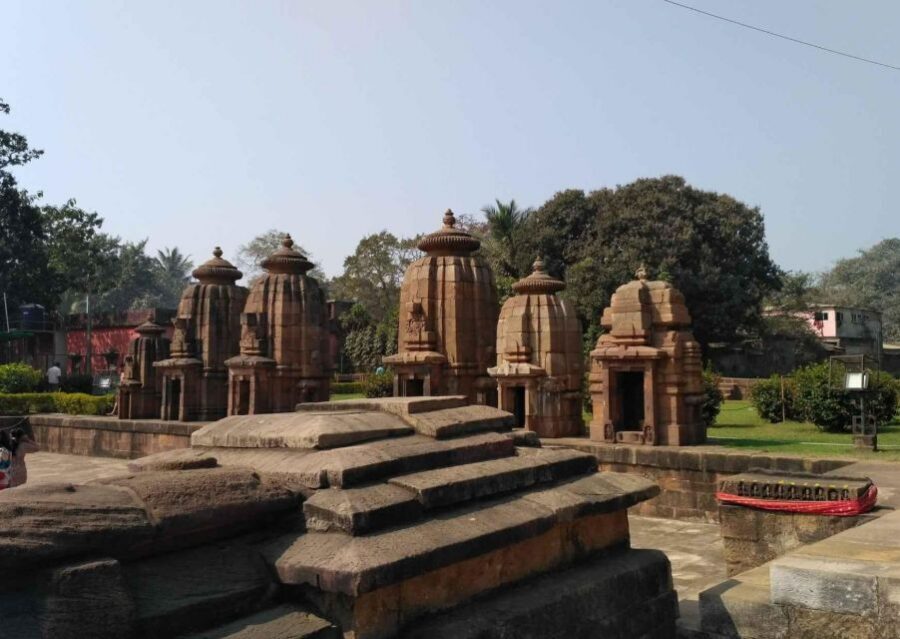
- Mukteshwar Temple: A Different Flavor, Not Just Another Temple
- Old Town Alleys: The Real Bhubaneswar Starts Here
- Hidden Lanes and Forgotten Nooks: Why Access Changes Everything
- The Guide Factor: English and Hindi Storytelling That Stays Engaged
- What 2 Hours Actually Covers (And How to Get the Most)
- Price and Value: Is $21 a Good Deal for This Style?
- Practical Planning: What to Bring and How to Avoid Friction
- Who This Tour Fits Best (And Who Might Want Something Else)
- Should You Book This Bhubaneswar Heritage Walk?
- FAQ
- Where does the tour begin?
- How long is the Bhubaneswar walking tour?
- What is the price per person?
- Does the tour include hotel pickup and drop-off?
- Are water bottles provided?
- What languages are spoken by the guide?
- Is it a private group or shared tour?
- Can I cancel for a refund?
Key Highlights That Make This Walk Worth 2 Hours
- Lingaraj Temple as your starting point, so you get oriented fast
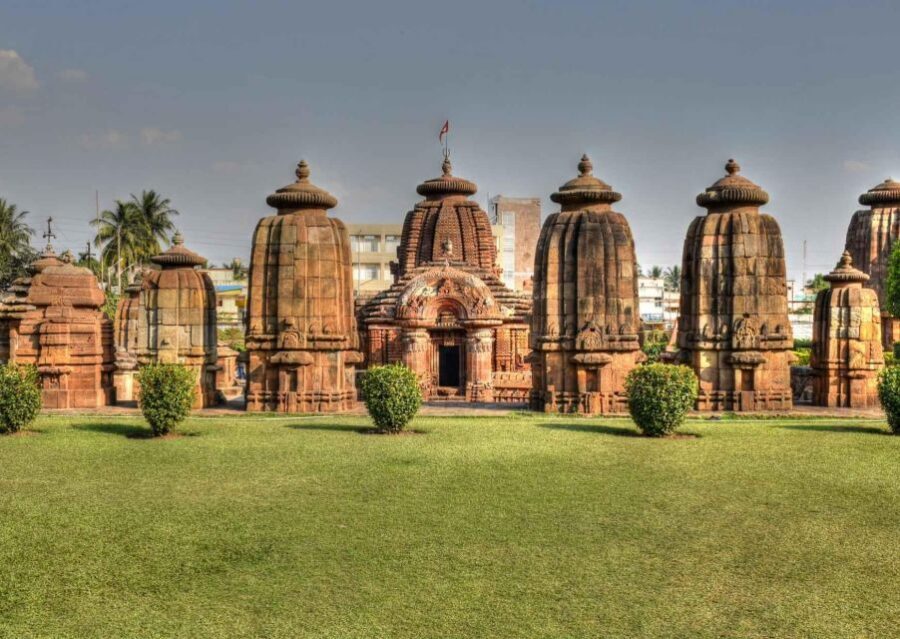
- Mukteshwar Temple stop, adding variety beyond the main sites
- Old town alley wandering, where the city feels lived-in
- Storyteller-led history with anecdotes, including light gossip about past and present figures
- Hidden lanes and forgotten nooks, guided so you don’t just pass through
Where the Tour Gets Its Magic: Lingaraj Temple First

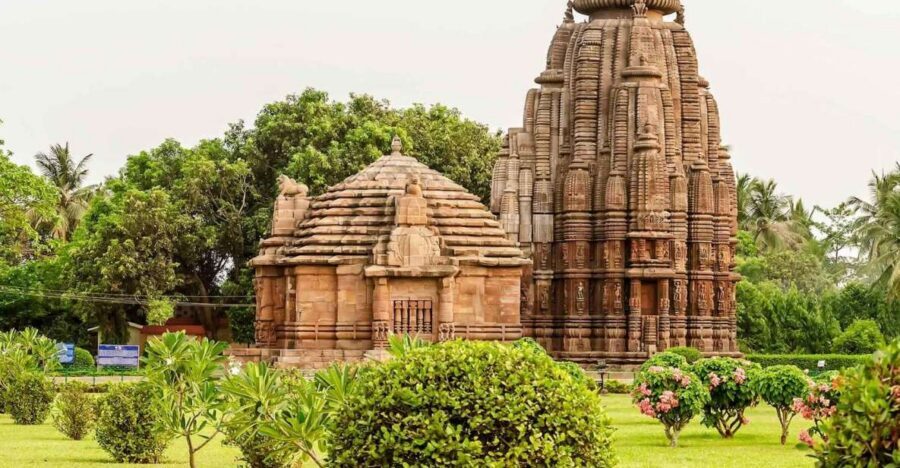
Starting at Lingaraj Temple is smart. Big monuments can feel intimidating when you’re new to a city. Here, you begin with a clear anchor, then the guide helps you look at the site the way locals likely do—by connecting what you see to stories, household-scale details, and nearby life.
The walk also uses a good rhythm: you don’t get dumped into a long slog of chanting and standing still. You get moments to watch how temple spaces sit inside the urban fabric—around gardens, behind everyday buildings, and in corners you might otherwise walk right past. That’s the kind of context that makes Bhubaneswar feel less like a checklist and more like a place.
If you’re sensitive to heat, pace is everything in Odisha. This tour runs only about 2 hours, and the guide style is built for that window. You’ll likely get a steady flow of talking and looking rather than long stretches where you wonder when you can move again.
You can also read our reviews of more walking tours in Bhubaneswar

Getting a View: The Curzon Platform Moment
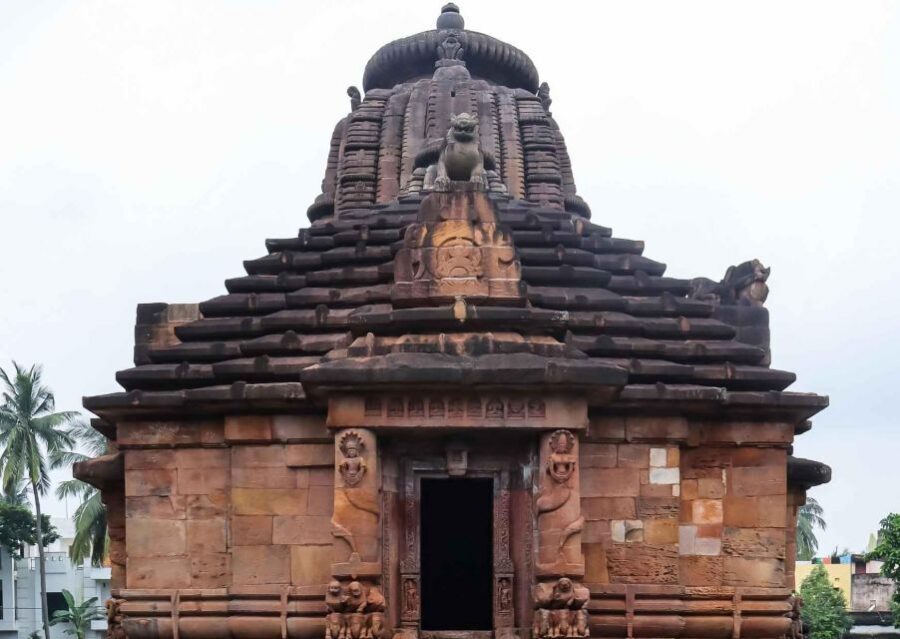
One standout detail from the experience is the chance to pause at the Curzon viewing platform to look into the Lingaraj area. Even if you’re not obsessed with architecture, that kind of viewpoint changes how you understand what you’ve been seeing up close.
Here’s why it matters: temples are easier to appreciate when you can place them in relation to their surroundings. A viewpoint gives you a mental map fast. Then, when you walk and look again, things make more sense—where spaces open up, where sightlines get framed, and how buildings cluster around sacred ground.
For first-timers, that’s a big win. For photographers, it’s useful too. For anyone who likes “wait, I get it now” moments, this stop delivers.
Mukteshwar Temple: A Different Flavor, Not Just Another Temple
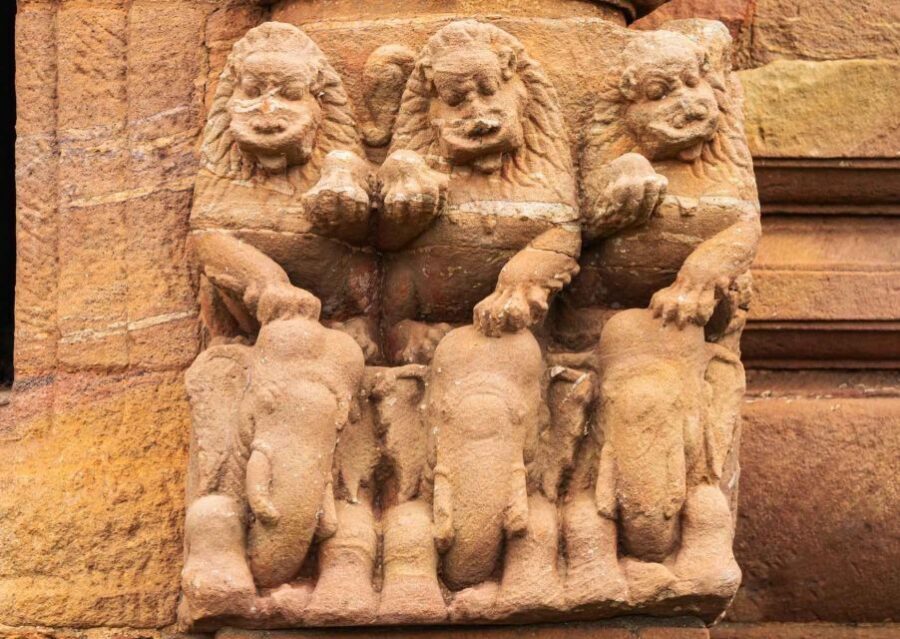
After you’ve soaked in the main draw, the route shifts to Mukteshwar Temple. This is where you can appreciate variety. Even when two temple sites feel similar at first glance, the scale and setting can change the whole mood.
The guide typically links what you see to stories—how temples show up in people’s day-to-day spaces, and how the architecture sits in the local layout. That storytelling approach makes Mukteshwar feel like part of the same conversation as Lingaraj, not a separate box to tick.
A practical note: temple grounds often have uneven surfaces and more walking than you expect. Wear shoes you trust. If you arrive with stiff, uncomfortable footwear, you’ll spend the whole walk thinking about your feet instead of the city.
Old Town Alleys: The Real Bhubaneswar Starts Here
The heart of this tour is the wandering through old town alleys. This is where Bhubaneswar shifts from “temple visit” to “city life.” You start seeing the textures that don’t show up in a brochure: tight lanes, small businesses, wall corners where the day’s stories play out, and the sense that people are always moving.
I like that the guide uses these lanes to explain the city’s history and culture in plain, human terms. You’re not just hearing dates. You’re hearing how the city got shaped—where power sat, how religious sites connect to neighborhoods, and what changed over time.
Also, the guide’s tone matters. The tour description points to entertainment alongside information, including mildly scurrilous talk about past and present celebrities and defunct royals. Whether you love that style or not, it keeps the walk from turning into a lecture. It also helps you remember details, because they’re attached to a story instead of a label.
Hidden Lanes and Forgotten Nooks: Why Access Changes Everything
This tour includes access to hidden lanes and places, and that’s not a small detail. In a city with dense history, the difference between a good walk and a frustrating walk is whether you’re guided to the spots you’d never find alone.
That access does two things for you. First, it prevents the classic “we walked past everything interesting” feeling. Second, it turns short time into real discovery. When a guide takes you off the main lines, you feel like you’re learning the city, not just moving through it.
You’ll also get practical “what to do next” guidance. That matters on a short visit. Two hours can’t replace a deep multi-day exploration. But a guide can point you toward the right follow-up sights and the best way to string them together.
You can also read our reviews of more guided tours in Bhubaneswar



The Guide Factor: English and Hindi Storytelling That Stays Engaged
The tour is run by a friendly storyteller/guide who speaks English and Hindi. That bilingual capability is useful even if you only speak English, because you’ll often get extra clarity when terms overlap with local usage.
One review specifically praised a guide named Sumanta for a paced walk suited to acclimatisation, plus extensive temple knowledge and a willingness to answer questions. That combination—tempo plus depth—is exactly what I look for in a walking tour. Too-fast tours leave you exhausted. Too-formal tours leave you bored. The best guides find a middle.
If you’re the type who likes to ask why something looks the way it does, you’ll probably appreciate how the guide keeps answering without shutting down the conversation. And if you want fewer interruptions, you can still listen and enjoy. The format is built for interaction, but it doesn’t force you into constant talking.
What 2 Hours Actually Covers (And How to Get the Most)
Two hours is the sweet spot for an induction walk. It’s long enough to orient you around major landmarks and to experience the old-town feel. It’s short enough that you won’t lose the thread to fatigue.
Still, manage your expectations. You’re not seeing every temple in Bhubaneswar. You’re learning the city’s rhythm—how sacred sites connect to streets, how the past shows up in present spaces, and where the city reveals itself when you slow down and look sideways.
To get the most out of it:
- Come with comfortable shoes and a plan for hydration.
- Be ready to look up and around, not just ahead.
- Ask one or two questions that match your interests, like temple recovery efforts or what’s worth seeing next.
The guide also shares recovery context for certain sites over recent years, which helps you understand why some areas may look like they’re changing. That kind of explanation makes your photos and impressions more meaningful.
Price and Value: Is $21 a Good Deal for This Style?

At $21 per person for a 2-hour guided walk, the value comes down to what you get for that time. You’re not just paying for someone to lead you from point A to point B. You’re paying for interpretation—stories, local tips, and access to lanes you’d likely miss on your own.
Compared with self-guided wandering, the guide saves you time and frustration. In a place like Bhubaneswar, it’s easy to feel like you’re walking past things without fully understanding why they matter. A good guide changes that. When the tour includes hidden lanes and a storyteller-led approach, the cost starts to look more like an affordable “local lens” than a sightseeing expense.
There are two practical value bumps:
- You get money-saving recommendations and next-step tips.
- You get a private group format, which often means less distraction and more room for your questions.
The only value drag is that water isn’t included, and there’s no hotel pickup. If you have to spend extra time getting to the meet point, your total day budget changes a bit.
Practical Planning: What to Bring and How to Avoid Friction
Because hotel pickup and drop aren’t included, plan to reach the start point on your own. That sounds obvious, but it affects everything—especially in a city where meeting points matter.
Bring your own water bottle. The tour doesn’t include one. Two hours can still feel long in warm weather, and you’ll want to stay comfortable so you don’t rush through the stories.
Also consider your questions ahead of time. If you show interest in temples, city life, or how spaces changed, the guide can steer the walk toward what you care about. That’s one of the biggest perks of a small-group, guide-led format: you don’t have to settle for generic commentary.
Who This Tour Fits Best (And Who Might Want Something Else)
This tour is ideal if you:
- Want a quick orientation to Bhubaneswar’s old town and temple areas
- Enjoy storytelling that mixes facts with entertaining anecdotes
- Prefer a guided walk where you can ask questions without feeling like you’re at a lecture
- Are looking for local tips to make the rest of your trip smoother
It may not be the best fit if you:
- Hate jokes or gossip-style storytelling (the tour description suggests mildly scurrilous talk as part of the entertainment)
- Want a silent, museum-style experience
- Need hotel pickup or guaranteed water provided
Should You Book This Bhubaneswar Heritage Walk?
I’d book it if you want fast context and real city texture in a short window. Starting at Lingaraj Temple gives you an immediate anchor. Adding Mukteshwar Temple and the old town alleys turns the walk into something more than a temple circuit. And the guide-led format—storytelling plus practical local advice—makes the $21 price feel like it’s buying perspective, not just movement.
I’d also book it with one small precaution: confirm your meeting details in advance and show up early enough to avoid stress. If you do that, you’ll get the best version of what this tour promises—fun, thoughtful, and made for getting your bearings fast in Bhubaneswar.
FAQ
Where does the tour begin?
The tour begins at Lingaraj Temple.
How long is the Bhubaneswar walking tour?
It lasts 2 hours.
What is the price per person?
The price is $21 per person.
Does the tour include hotel pickup and drop-off?
No. Hotel pickup and drop-off are not included.
Are water bottles provided?
No. Water bottle is not included, so you should bring your own.
What languages are spoken by the guide?
The guide speaks English and Hindi.
Is it a private group or shared tour?
It’s a private group.
Can I cancel for a refund?
Yes. Free cancellation is available up to 24 hours in advance for a full refund.