Three UNESCO cave days, neatly planned. This 3-day route from Pune hits Ajanta and Ellora with the kind of guided context that turns rock temples into understandable stories, not just photos. I also like that you get a private AC car with a driver so the long drives don’t feel like a punishment.
The one real consideration: timing and tickets. Ajanta closes Mondays and Ellora closes Tuesdays, and the monument entry fees are extra (paid in INR, cash-style), so plan around that before you lock your dates.
In This Review
- Key things that make this tour work
- The Value Pitch: Why this 3-day loop is priced like it is
- Day 1 from Pune to Aurangabad: Ellora Caves and Grishneshwar Temple
- Day 2: Ajanta Caves by 8:30 am, with time to actually see
- Day 3 Aurangabad city tour: Mini Taj, Panchakki watermill, and Daulatabad Fort
- Price and Logistics: What is included, what to budget, and how to avoid hassles
- Guides and comfort: where the experience can feel excellent or merely okay
- Timing tips and packing: the stuff that makes the caves easier
- Who should book this tour, and who might want a different plan
- Should you book this Pune to Ajanta, Ellora and Aurangabad tour?
- FAQ
- What time does the tour start in Pune?
- Is pickup included?
- What’s the duration of the tour?
- Are the entrance tickets included in the price?
- How much are the monument tickets?
- Do Ajanta and Ellora close on specific days?
- Can I pay for entrance tickets by card?
- Is this tour private?
- How does the tour handle cancellation?
Key things that make this tour work
- Private AC car from Pune for the full loop to Aurangabad, so you lose less time to logistics.
- English guide option (and a real pro can make the cave art way easier to read).
- Ticket help without the ticket-line stress, because your guide assists with entrance fees.
- UNESCO cave scheduling matters: Ajanta and Ellora have fixed weekly closures.
- Dark-cave practicalities: a chargeable flashlight is provided for exploring inside.
- Day 3 adds city variety: Bibi Ka Maqbara, Panchakki watermill, and Daulatabad Fort views.
The Value Pitch: Why this 3-day loop is priced like it is
At $130.33 per person, this tour sits in the “good deal” range for a private, door-to-door style program in India. You’re paying for three key things: a private AC car, a driver, and (if you choose it) a professional English guide. Those pieces matter, because Ajanta and Ellora aren’t on the same road like a simple day trip—you’re moving between sites, and the comfort of the ride is a big part of the experience.
What you don’t want to miss is the ticket math. Entrance tickets are not included, and prices depend on your country category. For many non-SAARC visitors, Ajanta and Ellora are INR 600 each, and Bibi Ka Maqbara is INR 300. Daulatabad Fort is also ticketed. So the trip can cost more once you add those fees, plus you’ll likely spend on lunch since the itinerary just says you’ll have lunch at a local restaurant and doesn’t clearly list meals as included.
If you like structure, this format is practical: Day 1 covers Ellora + a nearby temple, Day 2 is Ajanta by morning, and Day 3 is Aurangabad city before drop-off. That reduces decision fatigue, especially if you’re starting from Pune and don’t want to coordinate transport between cities and cave sites yourself.
You can also read our reviews of more guided tours in Pune


Day 1 from Pune to Aurangabad: Ellora Caves and Grishneshwar Temple
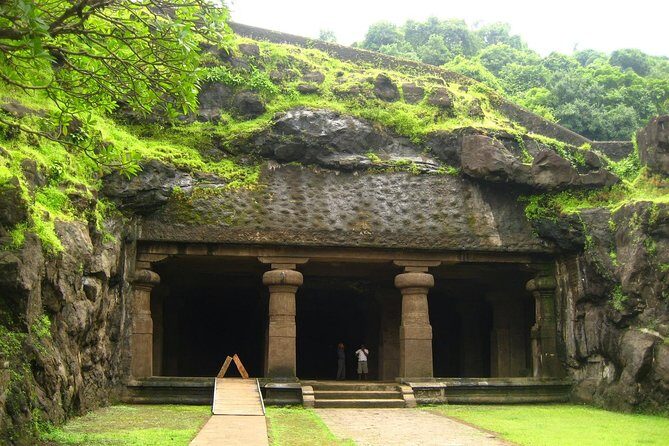
You start early—pickup is offered from Pune with a start time around 7:00 am—then you drive about 4 hours (around 220 km) to Aurangabad. Once you check in and freshen up, the cave day starts with Ellora Caves, a UNESCO World Heritage Site known for rock-cut temples carved into the hillside.
Ellora is one of those places where timing and guidance help a lot. In a short visit window, it can feel like you’re just moving from one doorway to another. With an English guide, you can connect the dots: what you’re seeing, who built it, and why these caves look the way they do. You also get to see Kailasa Temple, which is often the showstopper because of the scale and the way the rockwork creates a temple-like form.
After the caves, you visit Grishneshwar Temple, one of the 12 Jyotirlingas. This stop gives you a different mood than the cave interiors. It’s a spiritual anchor that also helps balance the day: you’re not only looking at ancient art, you’re stepping into a living religious site nearby.
Practical note: Ellora’s weekly closure is Tuesday. If your schedule lands the Ellora visit on a Tuesday, you’ll need to adjust your dates or ask the operator how they handle it.
Day 2: Ajanta Caves by 8:30 am, with time to actually see
Day 2 starts with breakfast in Aurangabad, then you head toward Ajanta Caves. Departing at 8:30 am, you’re looking at a drive of about 2 hours (roughly 100 km). This matters because Ajanta is all about careful viewing. You’re looking at murals and sculptures that rely on light, calm pacing, and a bit of context.
Ajanta’s reputation isn’t just marketing. The caves are Buddhist rock-cut works with artworks dating back to around the 2nd century BC (as the tour description notes). A guide helps you understand what you’re seeing rather than guessing. The frescoes and carvings can be overwhelming at first—there’s a lot packed into each cave wall—but a good explainer turns it into a guided visual story.
You’ll have lunch at a local restaurant and then return to Aurangabad for the overnight stay.
The weekly closure here is Monday. Ajanta closes every Monday, so if your Day 2 is a Monday, you’ll need to revisit the plan. This is the single biggest scheduling trap in the itinerary.
Also, Ajanta is cave-dark. The tour includes a chargeable flashlight for cave exploring. Bring your own if you’re the type who prefers full control, but at least you’re not totally left in the dark.
Day 3 Aurangabad city tour: Mini Taj, Panchakki watermill, and Daulatabad Fort
After breakfast, you switch from caves to city history and landmarks.
First stop: Bibi Ka Maqbara, often nicknamed the Mini Taj. The point of this stop is contrast. After rock temples, you get architecture that feels more airy and open. You’ll get a chance to admire the style, walk around at a calmer pace, and reset your eyes before the final big views.
Next: Panchakki, the ancient watermill. It’s a clever change of pace because it’s not just about monuments. It’s about engineering—how water was used to power a system in earlier times. Even if you don’t go super technical, it’s a memorable break from cave interiors.
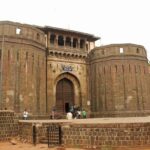
Then comes Daulatabad Fort, a hilltop fortress. The fort is partly about history and partly about perspective. From higher ground, the region looks broader, and you can feel the geography that made forts strategic. If you want those “I get why they built it here” moments, this is one of your best chances on the itinerary.
After lunch, you can be dropped off at a preferred location, including Pune, Aurangabad, Shirdi, or Bhusawal, depending on what you want next.
Price and Logistics: What is included, what to budget, and how to avoid hassles
Here’s the clean breakdown of what you’re getting:
Included in the tour:
- Private transportation in an air-conditioned car
- Private professional English guide if you select the option
- Driver (speaks good Hindi and English)
- Tolls, parking, fuel, taxes, service charges
- Mineral water bottles during the journey
- Flashlight provided for cave exploration (not free in every way since it’s described as chargeable)
Not included:
- Ajanta tickets (and they’re priced differently for SAARC vs non-SAARC)
- Ellora tickets (same pricing logic)
- Bibi Ka Maqbara tickets
- Any lunch spending (the schedule mentions lunch, but it’s not listed in the included items)
This is why the real value question isn’t just the headline price. It’s whether you’ll save time and stress by using private transport and having a guide handle cave logistics and ticket help.
One of the best practical advantages: your guide helps you buy entrance fees so you don’t get stuck hunting down ticket counters or waiting in lines. The operator also flags an important detail: carry Indian Rupees because cards are not accepted for monument entry tickets. That single rule can save you a headache—no cash, and you can end up stuck at the wrong counter while the group moves on.
You can also read our reviews of more city tours in Pune




Guides and comfort: where the experience can feel excellent or merely okay
This kind of tour lives or dies by small service details—especially across a multi-day schedule with transfers.
On the positive side, when the guide is strong, you get clear explanations and a smoother flow between stops. One name that stands out from past experiences is Suleman bhai, praised for being professional and good at keeping things organized while sharing context that makes the sights easier to understand. If you’re the type who cares about meaning—not just images—that’s the difference between a “cave visit” and a trip you’ll remember.
On the caution side, this itinerary can involve driver handoffs depending on availability. One past experience had a switch where water and communication didn’t feel as managed on a later day. To protect yourself, I’d do two simple things:
- Bring your own small cash reserve and a backup water bottle, even though bottled water is provided during journeys.
- Stay flexible and ready for minor service changes on multi-day routes.
Nothing ruins these caves—but if you know you’re picky about water availability and communication, go with a bit of extra personal prep.
Timing tips and packing: the stuff that makes the caves easier
These caves don’t work with a forgetful packing list. You’ll walk, you’ll stand in cool stone interiors, and you’ll need sun protection outside.
I’d plan for:
- Sunglasses + sunscreen + a hat/cap, because you’re outdoors in the drive and between caves.
- Comfortable shoes, since stone steps and cave entrances can be uneven.
- INR cash for tickets at monument entrances (cards aren’t accepted for entry tickets).
- Your own water bottle even if the tour provides water during journeys.
Also keep the weekly closures in mind:
- Ajanta closed Mondays
- Ellora closed Tuesdays
If you can choose your dates, build your schedule so you’re not staring at a sign that cancels your main cave day.
Who should book this tour, and who might want a different plan
This tour is a strong fit if:
- You’re starting in Pune and want a no-drama route to Ajanta + Ellora + Aurangabad
- You want a private car so your day doesn’t depend on shared transport timing
- You prefer guidance for reading cave art and understanding what you’re seeing
- You like the mix of monuments + a city day on Day 3
You might consider a different approach if:
- You’re extremely date-sensitive due to weekly cave closures and can’t adjust
- You don’t want to deal with entry tickets paid separately in INR
- You’re hoping for lunch to be included (the schedule mentions lunch, but it isn’t clearly listed as included)
Should you book this Pune to Ajanta, Ellora and Aurangabad tour?
If you want an efficient, structured way to see UNESCO cave sites without organizing transport yourself, I’d say yes—with one condition: choose dates carefully around the closures and budget for the entrance fees in advance.
I think this works best for travelers who value guidance and comfort. When the English guide runs the story well, Ellora and Ajanta stop feeling like random rooms in a hill and start feeling like a connected visual journey. And with a private AC car handling the long drives, you arrive less tired and ready to look closely.
Just go in with the right expectations: tickets are extra, you’ll carry INR, and cave visiting depends on your day-of-week match.
FAQ
What time does the tour start in Pune?
The tour start time is listed as 7:00 am with pickup offered from Pune.
Is pickup included?
Yes. Pickup is offered from Pune, Maharashtra.
What’s the duration of the tour?
It runs for 3 days (approx.).
Are the entrance tickets included in the price?
No. Ajanta and Ellora tickets and Bibi Ka Maqbara entrance are not included.
How much are the monument tickets?
Ticket prices depend on your category. The provided prices include Ajanta and Ellora: INR 40 (SAARC) / INR 600 (Non-SAARC), Bibi Ka Maqbara: INR 30 (SAARC) / INR 300 (Non-SAARC), and Daulatabad Fort: INR 30 (SAARC) / INR 300 (Non-SAARC).
Do Ajanta and Ellora close on specific days?
Yes. Ajanta is closed every Monday, and Ellora is closed every Tuesday.
Can I pay for entrance tickets by card?
No. You’re advised to carry Indian Rupees (INR) because cards are not accepted for monument entry tickets.
Is this tour private?
Yes. It is listed as private, and only your group participates.
How does the tour handle cancellation?
The experience offers free cancellation, with full refund if you cancel at least 24 hours before the experience start time.