REVIEW · PUNE
Immersive walking tour in Pune for cultural immersion with guide
Book on Viator →Operated by 5 Senses Walks · Bookable on Viator
Pune’s legends feel close-up on foot. This guided heritage walk strings together some of Pune’s best-known landmarks—starting with Shaniwar Wada and moving through Maratha-era stories like the Peshwas—so you get context fast, without bouncing across the city. I like that the guide keeps the focus on the big historical chapters that shaped Pune, so you’re not just looking at buildings.
I also like the value setup: entrance fees are included, plus you get light refreshments along the way. One thing to plan for: you’ll be walking for about 3 hours and you must follow the dress rule—knees and shoulders covered—so pack accordingly.
In This Review
- Key highlights you’ll actually notice
- Price and what $55 really buys you
- Stop 1: Shaniwar Wada and the Peshwas behind the walls
- Stop 2: Dagdusheth Halwai Ganpati Mandir and the story of devotion
- Stop 3: Laxmi Market—heritage meets shopping reality
- Stop 4: Kasba Peth Ganpati Temple and the 1630 installation
- Stop 5: Lal Mahal Chitra (Red Palace) and the Shivaji–Shaista Khan clash
- How the timing and group size shape your experience
- The guide factor: why Ajit-style storytelling makes it work
- Who this Pune walk is best for (and who should skip it)
- Should you book this Pune heritage walking tour?
- FAQ
- How long is the Pune walking tour?
- What is the price per person?
- Are entrance fees included?
- Is pickup included?
- What does the tour include for food and drinks?
- Where does the tour start and end?
- Is there a dress code?
- What is the group size?
Key highlights you’ll actually notice

- Shaniwar Wada: The Peshwas seat of power in the Maratha Empire, a strong anchor for the whole tour
- Dagdusheth Ganpati Mandir: A famous Ganesh temple with a backstory tied to Dagdu Sheth and plague-era loss
- Laxmi Market: Shopping and street energy named for the goddess of wealth
- Kasba Peth Ganpati Temple (1630): Shivaji Maharaj and Jija bai linked to the Ganesh idol installation
- Lal Mahal Chitra (Red Palace): Shahaji Bhosle’s 17th-century palace tied to the Shivaji and Shaista Khan encounter
- Small group size (max 15): Easier pacing and more room for questions with your local guide
Price and what $55 really buys you
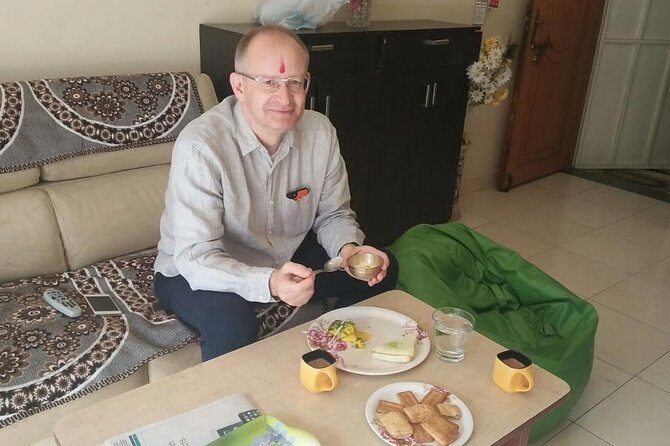
At $55 per person for roughly 3 hours, this walk lands in the “worth it if you hate ticket lines” category. The big practical win is that the tour includes all entrance fees, plus coffee/tea and light refreshments. That matters in India, where the cost of admissions can feel random once you’re on-site.
You also get pickup offered and a mobile ticket option. Add in a cap of 15 people, and you’re less likely to feel herded. The tour is designed as a first-timer-friendly loop: hit the main heritage stops in half a day, then go off and explore the rest of Pune with better bearings.
The tour does not include lunch, so plan to eat before or after. If you have a late morning arrival, that can actually be nice—you’ll still get heritage first, then meal time afterward.
You can also read our reviews of more walking tours in Pune
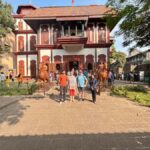
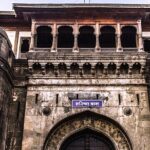

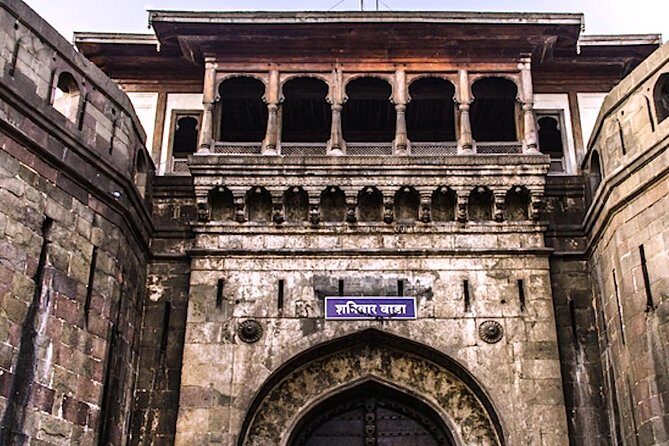
Stop 1: Shaniwar Wada and the Peshwas behind the walls
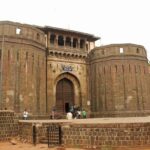
You start at Shaniwar Wada, which the tour frames as the seat of power of the Peshwas—prime ministers of the Maratha Empire, dominant in India from the 17th to 19th centuries. This is a smart opening because it gives you the power structure first. Once you know who held authority, the rest of Pune’s historic sites make more sense.
Expect about 30 minutes here, with an admission ticket included. Even if you already know the names Shivaji and the Marathas, the tour’s angle is helpful: it’s not just dates, it’s how political power shaped what people built and where they gathered.
Practical note: you’ll likely cover a fair bit of pavement and uneven areas during the walk. Shoes that don’t punish your feet matter more than anything else on this day.
Stop 2: Dagdusheth Halwai Ganpati Mandir and the story of devotion
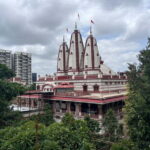
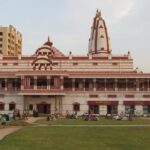
Next comes Shrimant Dagdusheth Halwai Ganpati Mandir, one of Pune’s most famous Ganesh temples. The tour gives you a human-scale origin story: Dagdu Sheth, a sweet maker, lost his son to the plague and later built this temple in 1892.
That backstory changes how you experience the place. You’re not just seeing a temple; you’re seeing how a community responded to grief with ritual and public faith. The stop runs about 45 minutes with admission included, which is a generous amount of time for a major religious landmark.
If you’re traveling around Ganesh festival time, this kind of stop often hits harder. Even on quieter days, this is the place where Pune’s devotion is hardest to miss.
Dress code check again matters here. The requirement is for knees and shoulders to be covered for both men and women, so don’t count on finding something quickly at the last second.
Stop 3: Laxmi Market—heritage meets shopping reality
After temples, the tour shifts gears to shopping at Laxmi Market, about 45 minutes with admission included. This is Pune’s bazaar and flea-market zone, and the name matters: it’s named after the Hindu goddess of wealth.
I like this stop because it helps you understand daily life, not only monuments. You’ll walk through shops and local stalls rather than doing a “look and leave” attraction pattern. If you came for culture, you’ll still get it here—just in the form of what people buy, barter, and carry around.
What to watch: this segment is best if you actually enjoy browsing. If shopping makes you cranky, you may wish you had extra time elsewhere. But if you like practical souvenirs—things you can bring home without overthinking—Laxmi Market is exactly the kind of stop that turns history into a full day in Pune.
Stop 4: Kasba Peth Ganpati Temple and the 1630 installation
Then the tour slows down at Kasba Peth Ganpati Temple for about 20 minutes. This stop is shorter, but it’s packed with specific historical claims: the idol of Ganesh was installed in 1630 by Shivaji Maharaj and his mother Jija bai. The tour also notes that the temple is the presiding deity of Pune city.
A short visit can be a benefit here. You get the key story and a chance to see the devotional space without rushing too much. If you’re curious about how old power and old faith overlap in city life, this is where that idea becomes more than theory.
One consideration: because it’s a temple, your experience will depend on what’s going on at the moment you arrive—ceremonies, crowds, and general flow. That’s not a drawback so much as part of the authentic rhythm of a working religious site.
You can also read our reviews of more guided tours in Pune



Stop 5: Lal Mahal Chitra (Red Palace) and the Shivaji–Shaista Khan clash
The final listed stop is Lal Mahal Chitra, also known as the Red Palace. It was established in 1630 by Shahaji Bhosle, father of Shivaji Maharaj. The tour highlights it for the famous encounter between Shivaji Maharaj and Shaista Khan.
You’ll get about 30 minutes here, with admission included. What I find useful about ending on this kind of story is that it ties together authority (Maratha power), human drama (the confrontation), and architecture (the palace). Even if the original building fell into ruin, the legend connected to the site is the point of the stop—how people remembered conflict and leadership in a real place.
If you’re the type who likes a “story ending,” this stop gives you one. You walk away with a clearer sense of why these locations are treated as important even centuries later.
How the timing and group size shape your experience
This is built as a half-day walk—about 3 hours total. With five stops, you’re not going to linger forever. That can feel rushed if you prefer slow travel, but it also keeps the tour from turning into a long sit-with-a-guide situation.
The group size cap of 15 matters for a different reason: you can move at a human pace. With a smaller group, the guide can adjust for questions and for the practical stuff that always slows things down (crowds outside entrances, people stopping to look, brief photo moments).
Pickup is offered, which helps if your first day in Pune is already busy. Even if you’re near public transportation, starting from a pickup option reduces early friction.
One more practical thing: plan for local weather. You’ll be outdoors between stops and the route is walking-heavy. Light layers and water help, even though light refreshments are included.
The guide factor: why Ajit-style storytelling makes it work
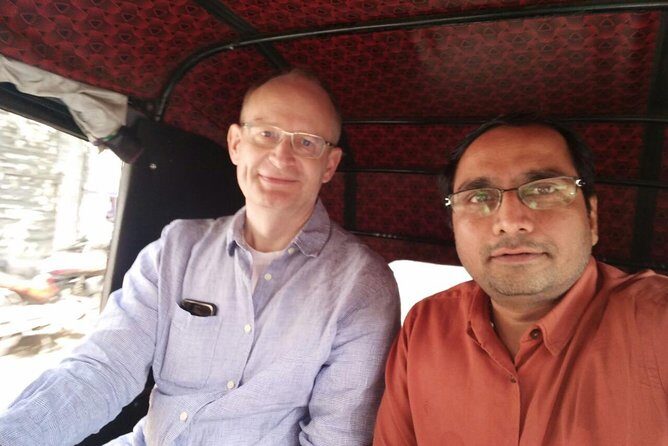
A huge part of the satisfaction here is the guide. In the reviews tied to this experience, the name Ajit shows up with a consistent pattern: he’s friendly, enthusiastic, and packed with knowledge about Pune and Indian history. People also describe his explanations as keeping energy up—helpful if you’ve just arrived and feel travel-tired.
That matters because this tour is built on context. If your guide just recites names, you’ll remember facts but not feel the story. With a guide who can connect the Maratha timeline to the sites you’re standing in front of, you get what you came for: place meaning.
On at least some occasions, the route can also adapt to local timing. One review notes that the guide took guests to a museum honoring freedom fighters and ended by exploring Ganesh festival celebrations—extra texture that turns a heritage walk into a city-experience day. You shouldn’t count on those exact add-ons, but it’s a good sign that the guide thinks beyond a strict checklist.
Who this Pune walk is best for (and who should skip it)
This tour is a good fit if you:
- Want a first-timer introduction to Pune’s major heritage areas in one morning/afternoon window
- Like history that connects to the places you visit (Maratha Empire, Peshwas, Shivaji-era stories)
- Enjoy a mix of temples and real-market life, especially with Laxmi Market
You might hesitate if:
- You dislike shopping stops and markets
- You need long, slow time at each site (this one is paced as a half-day loop)
- You’re uncomfortable meeting the covered knees and shoulders requirement
Should you book this Pune heritage walking tour?
I’d book it if your goal is simple: get grounded in Pune fast, learn the big stories, and leave with both cultural context and street-life flavor. The value is strongest because entrance fees are included, and the guide quality looks like the real differentiator.
Skip it only if you want an unhurried, pick-your-own-adventure day. This is structured on purpose. If you’re okay with that, you’ll likely feel like you hit the essential highlights without wasting time figuring things out alone.
FAQ
How long is the Pune walking tour?
It lasts about 3 hours.
What is the price per person?
The price is $55.00 per person.
Are entrance fees included?
Yes. All entrance fees are included.
Is pickup included?
Pickup is offered.
What does the tour include for food and drinks?
Coffee and/or tea are included, along with light refreshments. Lunch is not included.
Where does the tour start and end?
It starts at Shaniwarwada, Kasba Peth, Pune, Maharashtra 411011, India, and ends at Laxmi Market (6/1, Laxmi Rd, Tulshibaug, Budhwar Peth, Pune, Maharashtra 411002, India).
Is there a dress code?
Yes. Knees and shoulders must be covered for both men and women.
What is the group size?
The tour has a maximum of 15 travelers.