REVIEW · NEW DELHI
Delhi: Ethical Sanjay Colony Slum Tour
Book on GetYourGuide →Operated by Reality Tours and Travel Private Limited · Bookable on GetYourGuide
This Delhi slum tour makes you see the city differently. I like how it’s safe, non-intrusive, and guided by locals who can explain what daily life really looks like. I also like the focus on practical realities, from garment recycling to small shops and shared community spaces, often led by guides such as Komal and Naresh.
One possible drawback: it’s a strict no-photography experience, and the streets can feel messy at times, so you’ll want closed-toe shoes and patience.
In This Review
- Key things that make this tour worth your time
- Delhi’s Sanjay Colony, Up Close and Human-Scale
- Price and Time: What $18 Buys You in Real Value
- Respect Rules That Shape the Experience (and Keep It Comfortable)
- Getting There: Metro-Friendly Options and a Smooth Start
- Walking Through Sanjay Colony: The Real Route and What Each Stop Teaches
- 1) Sanjay Colony: Lanes, Homes, Small-Scale Businesses, and a Community Rhythm
- 2) S.K Beri & Brothers Private Limited: Seeing Work Spaces Up Close
- 3) VIJAY PRATAP: More Local Industry, More Context
- 4) Jama Masjid Sanjay Colony: Faith as Part of Daily Life
- 5) Viewpoint: Looking Back at the Colony’s Layout and Energy
- 6) Reality Tours & Travel – Delhi: Where the Program Comes Into Focus
- 7) On Foot and Back to Your Exit: Time to Absorb, Ask, and Move On
- Textile Recycling: The Most Eye-Opening Industry Moment
- Religious and Social Life: More Than Temples and Mosque Stops
- Who This Tour Suits Best (and Who Might Want to Skip It)
- Should You Book the Delhi Ethical Sanjay Colony Slum Tour?
- FAQ
- Is this tour suitable for wheelchair users?
- How long is the Sanjay Colony walking tour?
- What is included in the price?
- Is food included?
- Are cameras allowed?
- Where do I meet the guide?
Key things that make this tour worth your time
- Ethical, respectful format: conversation-first walking with clear rules for privacy
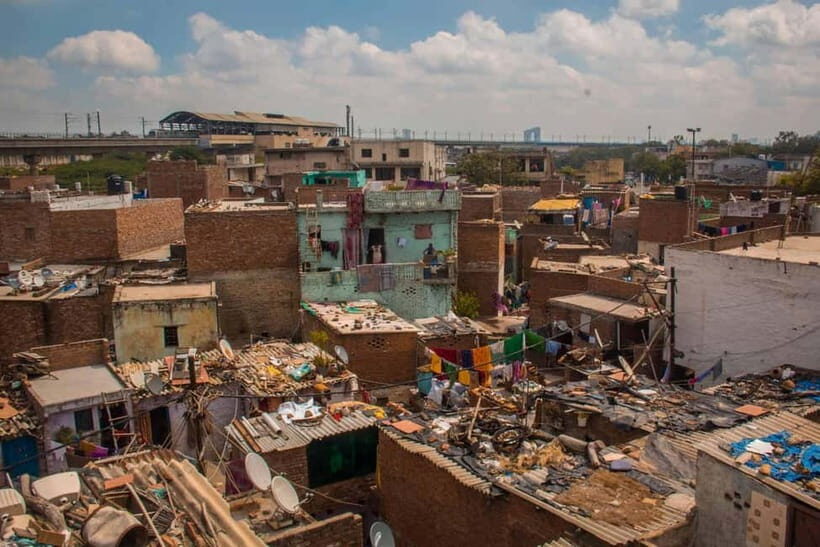
- Local micro-industries on display: garment recycling and other small-scale work
- Community spaces you actually notice: a neighborhood feel around homes, shops, and places of worship
- Guides who connect dots: many guides (like Kiran, Kavita, and Ajay) explain social and economic structure clearly
- You pay for learning with impact: profits support local youth and education efforts
Delhi’s Sanjay Colony, Up Close and Human-Scale
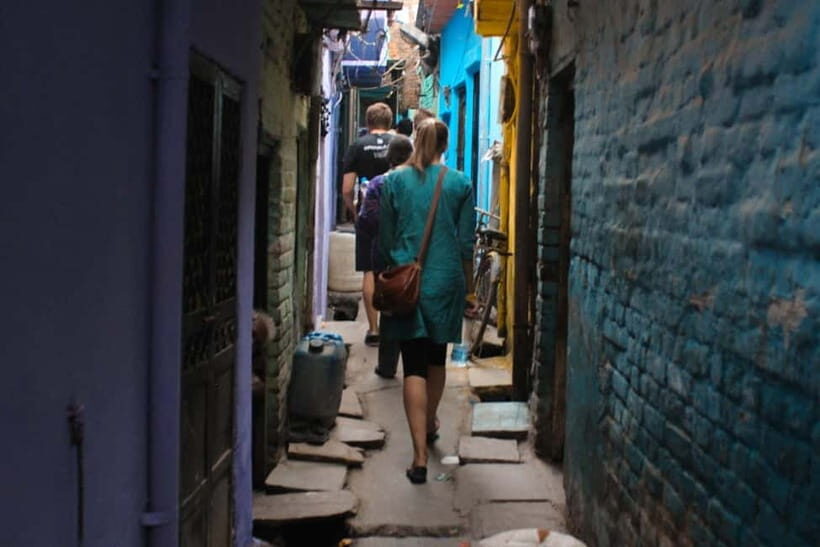
Sanjay Colony is not a “sight” you zip past on the way to something famous. It’s a working neighborhood built on about 25 acres in south Delhi, near well-known landmarks like the Baháʼí Lotus Temple and ISKCON. The area is home to roughly 50,000 people, and that scale changes what you notice: it’s not about single buildings, it’s about systems—work, support, faith, and everyday problem-solving.
What I find refreshing is the tour’s tone. You’re not pushed into shock or pity. You walk, you talk, you ask questions, and your guide helps you connect what you see (a workshop, a lane, a religious space) to how people survive and build routines.
This is also the kind of Delhi experience that helps you balance your trip. If your itinerary is heavy on palaces and monuments, this gives you a different kind of “architecture”: the architecture of daily life.
You can also read our reviews of more tours and experiences in New Delhi.



Price and Time: What $18 Buys You in Real Value
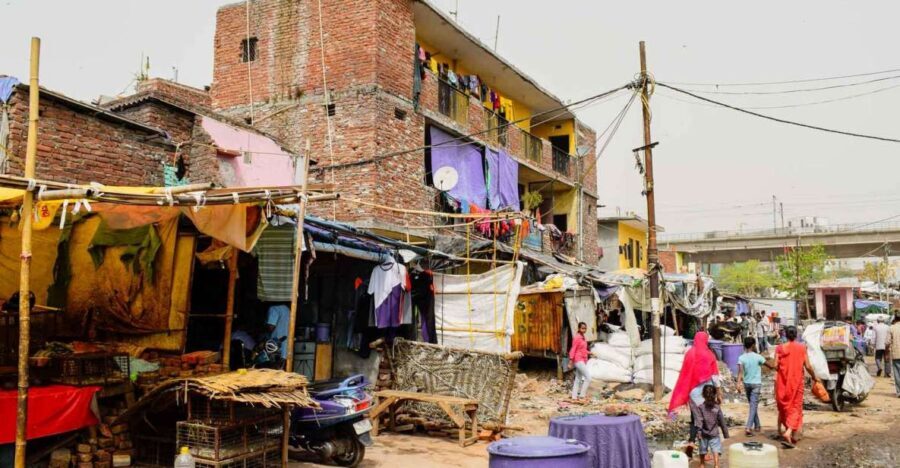
At $18 per person for 2–3 hours, this tour is priced like an education experience, not a curated “attraction.” You get a local English-speaking guide, plus water or a cold drink. You’ll also get structured stops, safety guidance, and enough time walking to actually notice patterns—like how work spreads through lanes instead of being confined to one factory floor.
The value really comes from what happens between stops. Guides don’t just point and name. They explain why certain industries sit where they do, how community relationships matter, and what “normal” looks like for residents.
And there’s another layer: the tour is run by Reality Tours and Travel Private Limited, and the program behind it supports education and youth efforts. Multiple visitors highlight that a major share of profits goes back into community support, which is exactly the kind of transparency you want when you’re visiting a vulnerable place.
Respect Rules That Shape the Experience (and Keep It Comfortable)
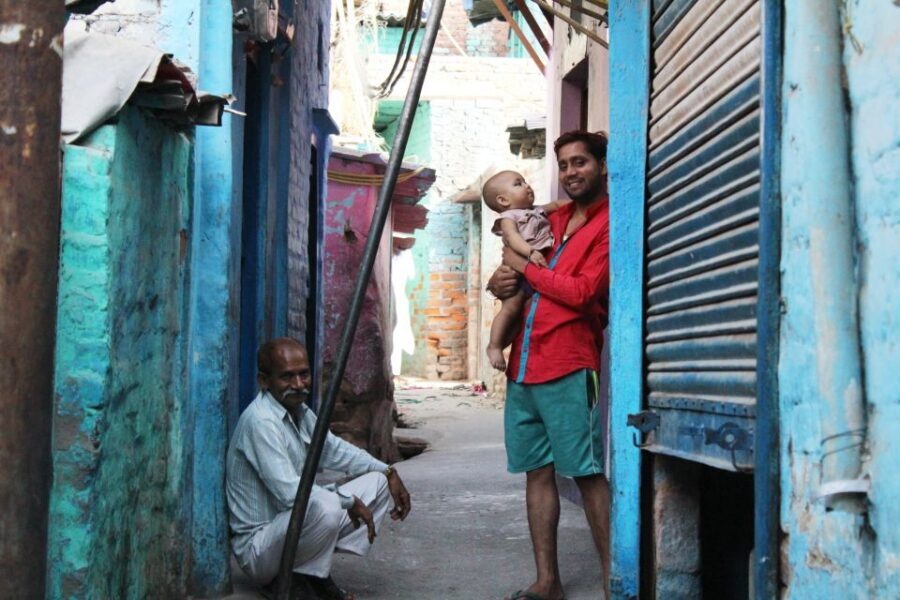
This tour has strict boundaries, and they’re not there to be annoying. They’re there to protect residents and reduce the feeling of intrusion.
First, there’s a strict no-photography policy. That changes your mindset fast. Instead of trying to capture proof, you pay attention to conversation, street-level details, and your guide’s explanations. It’s also a practical move: cameras can make people feel watched.
Second, you’ll want modest clothing and comfortable closed-toe shoes. Some routes can be dirty, and monsoon months (from June to mid-September) can make that worse. You’re walking through working lanes, not a clean tourist promenade.
Finally, there are clear “no” items: no pets, no baby strollers, no luggage or large bags, and no wheelchair access. If you’re traveling light and dressed for walking, you’ll feel more relaxed.
Getting There: Metro-Friendly Options and a Smooth Start
The tour is designed for walking and short transfers, which means you’ll need to meet your guide. Starting points can include Harkesh Nagar, Harkesh Nagar Okhla, or Rajiv Chowk Metro Station, depending on what you choose.
Here’s the practical tip: if you’re meeting near Rajiv Chowk, give yourself a little extra time. That metro area can feel busy around street vendors and passersby, and one visitor noted it took a moment to find their guide until they connected. The fix is simple: arrive early, stand where your guide can spot you, and don’t wander off looking for the “best view.”
Also plan on the tour ending with drop-off options around the same metro area and neighborhood routes. That keeps the day from turning into a complicated scavenger hunt.
Walking Through Sanjay Colony: The Real Route and What Each Stop Teaches
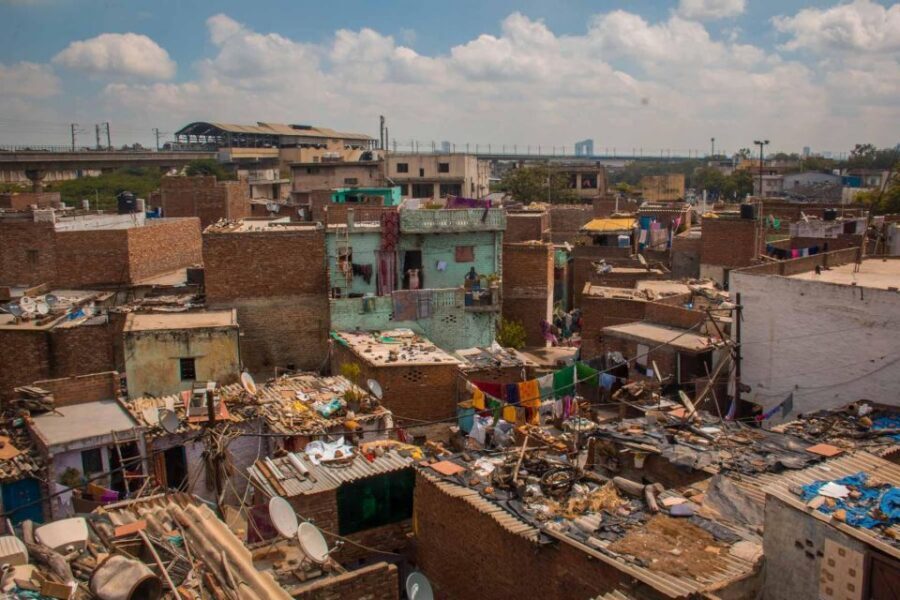
The tour is a guided walk through Sanjay Colony with a quick safety briefing at the start. After that, you move through small streets where daily life and work are braided together. You’ll visit a mix of workshops, community spaces, and residential lanes, with time allocated for walking and guided explanations.





1) Sanjay Colony: Lanes, Homes, Small-Scale Businesses, and a Community Rhythm
Sanjay Colony is described as relatively small by neighborhood standards, but it still feels alive. You’ll walk through areas that include residences plus community spaces. The main point here is not to “judge” living conditions, but to understand the social structure.
Expect your guide to talk about working life, how people organize around shared needs, and how community support changes what daily life feels like. Many visitors emphasize the positive tone they noticed—people may face major challenges, but there’s a strong sense of togetherness.
A small temple and a mosque are part of what you’ll encounter here, too. That matters because it helps you see the community as whole: faith isn’t a side detail, it’s part of how people keep steady routines.
2) S.K Beri & Brothers Private Limited: Seeing Work Spaces Up Close
One of the key stops is a visit to S.K Beri & Brothers Private Limited. The purpose isn’t just to look at “industry.” It’s to see how work is organized at human scale, where tasks happen in close, busy spaces.
You’ll likely be shown how day-to-day operations connect to the local economy. The bigger lesson: informal and small-scale enterprise isn’t chaos—it’s a set of practices that keep the neighborhood running.
3) VIJAY PRATAP: More Local Industry, More Context
Next comes VIJAY PRATAP. This stop adds depth to what you’ve started to understand. If the first workplace helps you see the basics, this one helps you see variation—how different operations function side-by-side in the same neighborhood economy.
Guides often use these stops to explain the “why” behind the pattern you’re seeing. You’re not just observing; you’re learning how people build work around available resources.
4) Jama Masjid Sanjay Colony: Faith as Part of Daily Life
A visit to Jama Masjid Sanjay Colony gives you a different lens. You’ll see how community faith spaces operate within a working neighborhood, not as distant landmarks.
Your guide may explain how religious communities co-exist in the area and how shared respect shows up in everyday interactions. For many visitors, this is where the tour shifts from “industry and conditions” to “people and relationships.”
5) Viewpoint: Looking Back at the Colony’s Layout and Energy
There’s also a viewpoint stop. It gives you a chance to step back mentally and understand how the neighborhood is arranged. Viewpoints in places like this don’t replace street-level learning, but they help you connect the dots: where work areas sit in relation to homes, how lanes funnel movement, and how dense city life can be.
Just remember this is still a neighborhood walk. You’ll be moving with your group, following your guide’s instructions, and keeping a respectful distance.
6) Reality Tours & Travel – Delhi: Where the Program Comes Into Focus
The route also includes a visit to Reality Tours & Travel – Delhi. This is useful because it brings you from “watching” to understanding the program structure behind the tour.
You’ll learn how the NGO work supports local initiatives and how the Reality Gives programs relate to education and community support. Some visitors describe this part as a relief because it answers the question many people worry about: where does the money go after the walking ends?
7) On Foot and Back to Your Exit: Time to Absorb, Ask, and Move On
The final segments are on foot, then you head back toward your drop-off areas. This is the time when questions tend to rise. Guides who are local—like Ajay, Tarun, Khushi, and others described by visitors—often handle questions about social realities with patience and structure.
If you’re the type who asks lots of “why” questions, this portion is where the tour can really click for you.
Textile Recycling: The Most Eye-Opening Industry Moment
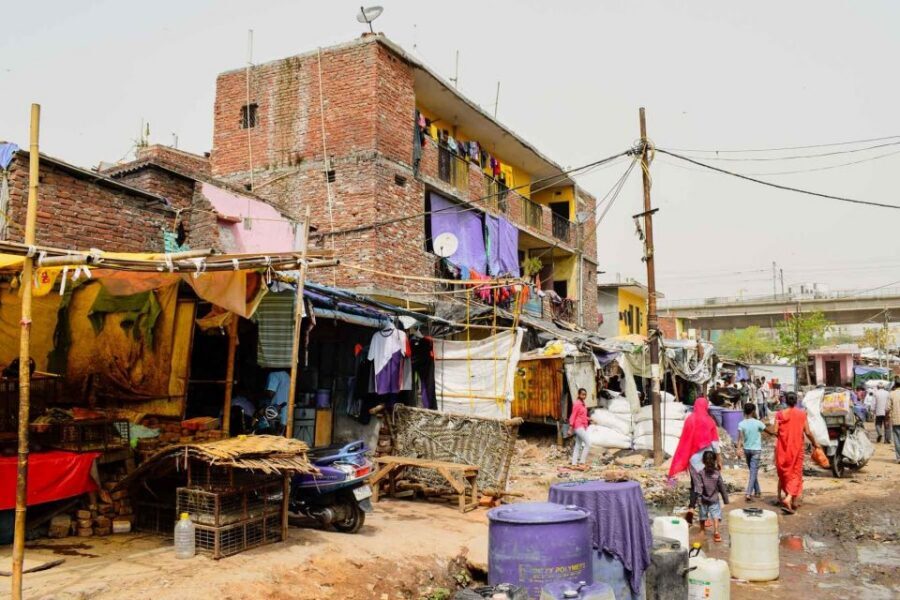
If there’s one industry you’ll remember from this tour, it’s garment recycling and manufacture. Sanjay Colony is known for small-scale work linked to the garment value chain, including processing fabric scraps and turning them into usable material.
What stands out is the street-level reality of the system. You may see sorting, cutting, and small shop work connected to recycled textile inputs. It’s not a theoretical lesson. It’s a living pipeline.
Visitors often describe it as eye-opening because it makes a global story local. Clothes don’t simply “appear.” Supply chains include sorting, repair, resale, recycling, and labor that most city consumers never see.
And here’s the emotional part: the tour doesn’t only show work; it shows dignity in work. You’ll likely notice kids playing nearby and community members going about daily routines—life continuing even when living conditions are far from easy.
Religious and Social Life: More Than Temples and Mosque Stops
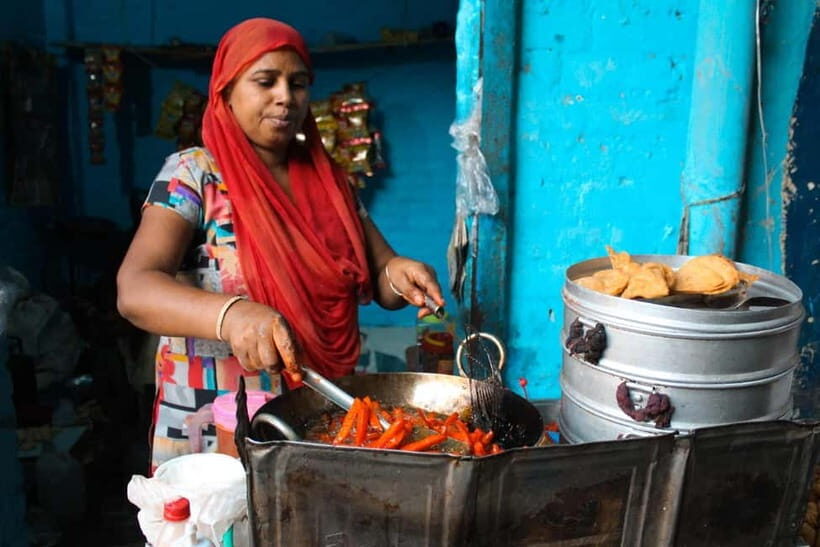
Religious spaces on this tour aren’t presented as photo spots. They’re treated as community anchors.
You’ll see both a Hindu temple and a mosque during the walk, and your guide helps you understand why that matters in a mixed community. Visitors highlight the acceptance and everyday friendship between people with different backgrounds.
The important practical takeaway is this: don’t approach the tour as “religion as culture show.” Approach it as “religion as routine,” embedded in how people build stability and handle change.
Who This Tour Suits Best (and Who Might Want to Skip It)
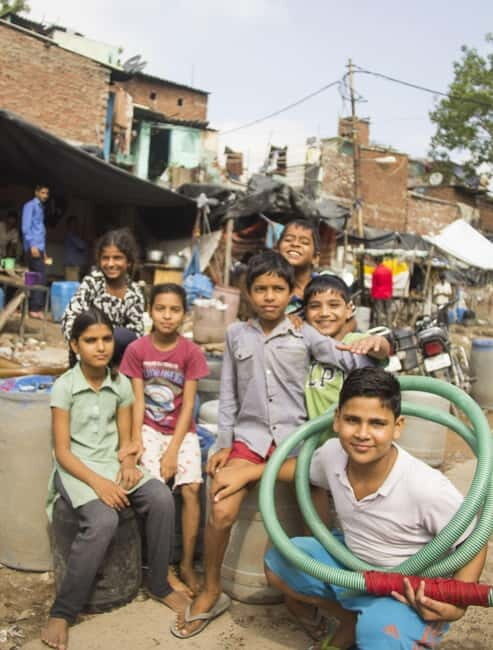
This tour is a good fit if you want Delhi beyond monuments. You’ll get the kind of street-level education that only comes from being guided through a real neighborhood, learning about micro-industries, and asking questions with a local.
It’s also a strong option for visitors who care about ethical travel. The no-camera rule, the respectful pace, and the program links make it feel grounded rather than exploitative.
Skip it if you need wheelchair accessibility or if you’re not comfortable with walking on imperfect surfaces. It also isn’t suitable for people over 95 years, and you’ll want to travel without large bags, strollers, or pets.
Should You Book the Delhi Ethical Sanjay Colony Slum Tour?
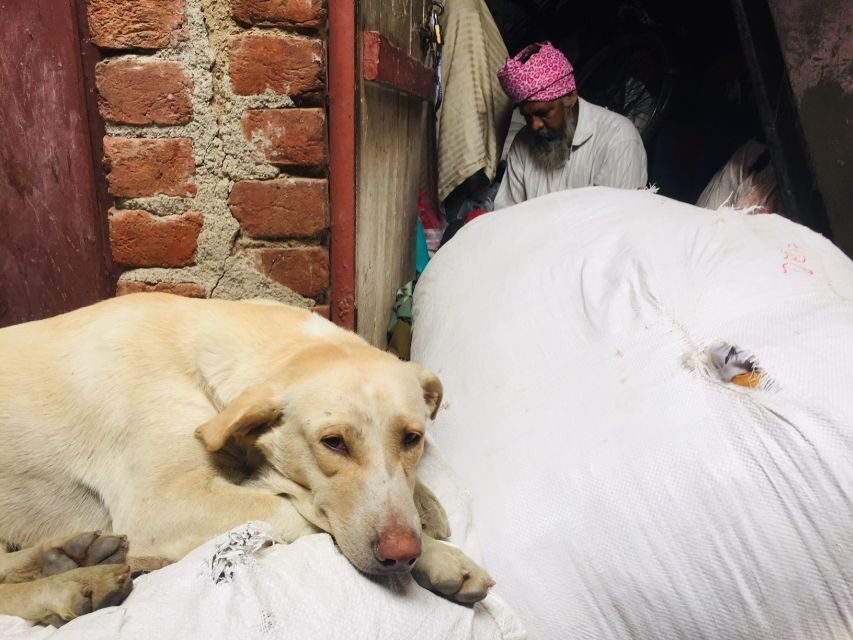
I’d book it if you’re ready for a serious, human-scale Delhi experience that trades “photos” for understanding. It’s worth the $18 because you’re not paying for a quick look—you’re paying for guided context, safe pacing, and learning that connects people to systems.
Book it if you:
- want to understand Delhi’s economy at the street level (especially textile recycling)
- prefer respectful, conversation-based tours
- like guided explanations from locals who can answer real questions
Consider skipping (or swapping to another tour) if you:
- need wheelchair access
- rely on taking photos as your main way to remember places
- want a purely “light and easy” stroll without any heavier social context
If you want Delhi to feel like a city you actually understand—not just a checklist—this is one of the most valuable ways to do it.
FAQ
Is this tour suitable for wheelchair users?
No. The tour is not suitable for wheelchair users.
How long is the Sanjay Colony walking tour?
The duration is 2–3 hours.
What is included in the price?
You get a local English-speaking guide, water/cold drink, and either a private or shared walking tour depending on the option selected.
Is food included?
No, food is not included.
Are cameras allowed?
No. There is a strict no-photography policy to respect residents’ privacy.
Where do I meet the guide?
Meeting points can vary by option, with starting options including Harkesh Nagar, Harkesh Nagar Okhla, and Rajiv Chowk Metro Station.