Crafts in Delhi feel oddly close-up. This outing pairs a museum built like a village with real craft demonstrations and a calm end at lunch. I love the mix of carved details and folk art you can actually look at, and I like that you’re seeing working artisans—not just things behind glass. One thing to consider: the plan is smart casual, so don’t show up in anything too stiff or too fancy.
If you care about how Indian crafts are made and why they belong together, this museum design does the heavy lifting. Stone and wood carvings live across doors, windows, lintels, and posts, while folk and tribal paintings spread across wall canvas in the passages. You also get a smooth morning flow with hotel pickup and private transport, so you’re not wrestling Delhi traffic before you even get to the good stuff.
The main trade-off is simple: there’s no local guide included. If you want someone to explain everything sentence-by-sentence, you might feel slightly on your own inside the galleries (though the demonstrations help a lot).
In This Review
- Key highlights to know before you go
- National Crafts Museum: A village built for stone, wood, and paint
- Your morning start: 8:00 pickup and private transport in New Delhi
- Craft demonstration program: the best reason to plan this visit
- What you’ll actually see inside the galleries
- Look closely at carved architectural details
- Take time with the passages and painting canvas
- Expect a museum that feels designed, not assembled
- Lunch after the museum: a practical finish to a 3–6 hour plan
- Price and value: is $79 fair for this Delhi craft experience?
- What to wear and bring for a smooth museum visit
- Who this tour is best for
- Should you book the National Crafts Museum with lunch?
- FAQ
- What time does the tour start in Delhi?
- How long does the National Crafts Museum tour take?
- Is hotel pickup included?
- What is included in the price?
- Is lunch included?
- Are drinks included with lunch?
- Is a local guide included?
- Do I get a mobile ticket?
- What should I wear?
- Can I cancel for a full refund?
- Is this tour private?
Key highlights to know before you go
- Village-style museum layout that makes very different crafts feel like they belong together
- Stone and wood carving displays on doors, windows, lintels, and building posts
- Craft demonstration program where you can watch artisan activity tied to different parts of India
- Folk and tribal paintings across passages, not just in one tidy room
- Hotel pickup at 8:00am plus private vehicle transport to keep your day easy
- Lunch included at the end, with drinks excluded so you can control spending
National Crafts Museum: A village built for stone, wood, and paint
The National Crafts Museum has a strong idea at its core: think of an Indian village where crafts that might not normally share the same space still sit side by side. That concept matters, because it changes how you move through the building. You’re not bouncing between unrelated displays. The museum architecture nudges you to look at how craftsmanship forms a whole environment.
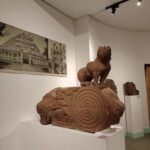
What I’d focus on first is the stone and wood carvings. The displays aren’t just one flat exhibit; carvings are built into the museum’s own surfaces—doors, windows, lintels, and the posts. When you slow down, you start noticing the differences in texture and technique that are hard to spot in photos. It’s the kind of place where your eyes get better as you go.
Then shift your attention to the wall areas in the passages, where folk and tribal paintings spread across canvas surfaces. The layout encourages a gradual “walk-through” rather than a sprint from one highlight room to the next. If you enjoy visual storytelling, you’ll likely appreciate how the paintings sit within the architecture instead of feeling tacked on.
One practical note: because the museum is designed as an immersive space, you might want comfortable shoes. Even if the total time is flexible (roughly 3 to 6 hours), you’ll probably cover more floor than you expect once you start reading details and watching the space.
You can also read our reviews of more museum experiences in New Delhi



Your morning start: 8:00 pickup and private transport in New Delhi
This tour begins at 8:00am, with pickup offered from your hotel in Delhi. That’s a big deal in practice. You’re starting your museum time without negotiating taxis, app ride pickups, or where to park. The included transport by private vehicle keeps the rhythm easy.
The duration is listed as about 3 to 6 hours, which gives you some breathing room. It also means the day can feel different depending on how long you linger over carvings, how often you stop in passages to look closely, and how you pace the demonstration portion.
You’ll also get a mobile ticket, which is helpful if you’d rather keep things digital while traveling. And since it’s a private tour/activity where only your group participates, you can usually move at your own speed without feeling pushed by a large crowd schedule.
Craft demonstration program: the best reason to plan this visit
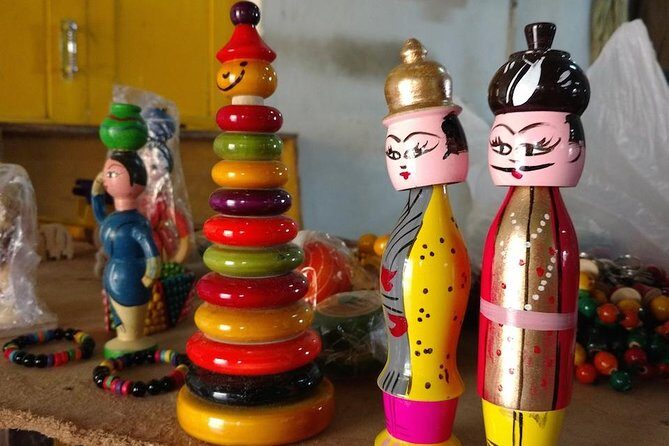
The standout element here is the craft demonstration program. It’s described as a unique participatory activity, and the key detail is that you’ll get to see around 50 craftspeople every month from different parts of India.
That phrasing tells you what to expect: you’re not just viewing artifacts. You’re watching the process and the people behind it. Even if you don’t catch every step of technique, the demonstrations tend to give context fast—how materials are handled, how tools are used, and how specific craft traditions keep moving.
Because the schedule is tied to monthly rotating craftspeople, the exact lineup can vary. So if you’re hoping for a very specific craft, the best approach is to arrive ready to appreciate whatever is in motion that day. The value is in watching live craft work and understanding that these traditions aren’t frozen behind glass.
If you’re traveling with someone who likes making things, this is the part you’ll both likely enjoy most. For anyone who likes history, it’s also useful: craft demonstrations show the bridge between technique and culture more clearly than a plain gallery sign ever can.
What you’ll actually see inside the galleries
The museum’s core exhibits revolve around a few repeating themes, and each theme has multiple ways to enjoy it.
Look closely at carved architectural details
The stone and wood carvings on the building elements—doors, windows, lintels, and posts—work like a slow tour guide. Instead of thinking, I’m seeing one object, think, I’m seeing craft integrated into everyday structures. That’s a meaningful lens, especially if you usually connect Indian crafts with separate market items. Here, they belong to the building itself.
A few more New Delhi tours and experiences worth a look



Take time with the passages and painting canvas
The folk and tribal paintings are spread across wall canvas in the passages. That matters because passages are where you naturally slow down while moving. If you rush, you’ll miss the subtle changes in style. If you pause, you can read more of the visual language—color, pattern, figures, and how different themes repeat or contrast.
Expect a museum that feels designed, not assembled
This is one reason the village concept works so well. The building isn’t a neutral box. It’s part of the story. Your viewing experience becomes more coherent, and you’ll likely find it easier to connect different craft forms.
Lunch after the museum: a practical finish to a 3–6 hour plan
This experience is built to end with lunch at a famous local restaurant. That’s not just a nice perk. It solves a real travel problem in Delhi: food timing and transport after a concentrated cultural visit.
The tour description says the lunch happens at the end, so you can pace the museum in the morning and early afternoon without worrying about what to do next. The included items list does not spell out the full lunch components, but drinks are explicitly not included—so you’ll want to plan on paying for beverages if you want anything beyond water.
A smart way to handle lunch is to go in hungry but not rushed. If you want to keep the day smooth, keep your museum pace realistic. If you linger for carving details (and you probably will), you’ll enjoy lunch more when you don’t eat it like a checkpoint.
Price and value: is $79 fair for this Delhi craft experience?
The price is $79.00 per person. At first glance, it’s a straightforward museum-plus-transport package. But the real value comes from what’s included versus what you’d normally need to arrange on your own.
Included:
- Bottled water
- Transport by private vehicle
- Admission for the museum visit (noted as included with the museum stop)
Not included:
- Drinks
- Local guide (so you won’t have someone explicitly assigned to talk you through every gallery)
So where does the $79 land in value terms? If you’re already planning a museum visit and you hate the start-of-day scramble, the included pickup and private vehicle can be worth a lot. For many people, the biggest time win is removing transport stress from the schedule.
Also, the tour lists group discounts and a mobile ticket. Even without exact discount numbers, the structure suggests this is designed to work well for small groups. And because it’s a private tour/activity where only your group participates, you’re not getting forced into a big group pace.
Bottom line: it’s priced like a well-organized museum outing with transport and lunch as the day’s finish. If you want deep commentary from a guide inside the galleries, you may feel that you’ll need to read a bit more signage or plan to ask questions during the demonstration moments.
What to wear and bring for a smooth museum visit
The stated dress code is smart casual. That’s easy for most people, but it’s still worth thinking about comfort. Museums are walk-heavy, and the carvings and passage spaces reward slower looking. Shoes you can stand in without complaining will make your experience better.
For what to bring, the plan already covers bottled water, but you may still want small extras:
- A light layer for comfort (Delhi mornings can shift)
- Something simple for taking notes or saving photos
- Budget for drinks since those aren’t included
Also, if you enjoy collecting knowledge, here’s a small caution. One helpful sentiment from past experiences was a desire for an on-site book or deeper reading option. If you want a catalog, plan to bring your own reading resources or pick something up elsewhere.
Who this tour is best for
This experience fits best if you fall into one of these buckets:
- You like crafts that connect to architecture and daily life, not just store-bought objects
- You want something visual and process-based, and watching demonstrations is a key part of how you learn
- You’re visiting Delhi and you want a museum plan that includes pickup and a clean ending at lunch
- You’re traveling with a small group and want a schedule that doesn’t feel overcrowded
It’s less ideal if you’re expecting a dedicated local guide to handle every question inside the museum galleries. Since a local guide isn’t included, your experience will lean more on self-guided curiosity plus the demonstration portion for added context.
Should you book the National Crafts Museum with lunch?
Book this if you want an organized way to experience Delhi’s craft culture without wasting time on logistics. The museum design, the carved architectural details, and especially the craft demonstration program make this more than a quick sightseeing stop. The lunch ending helps you keep your day intact.
Skip or reconsider if you strongly need guided explanations throughout the galleries. In that case, you might still enjoy it, but you’ll probably want to supplement with your own reading or plan another guided option for the museum sections.
If you’re on a schedule and you appreciate value where transport and timing are handled for you, this is a solid choice at $79 per person.
FAQ
What time does the tour start in Delhi?
The start time is 8:00am.
How long does the National Crafts Museum tour take?
The duration is approximately 3 to 6 hours.
Is hotel pickup included?
Yes. Pickup from your hotel in Delhi is offered.
What is included in the price?
Included items are bottled water and transport by private vehicle, and the museum admission ticket is included.
Is lunch included?
Yes. The plan concludes with lunch at a famous local restaurant.
Are drinks included with lunch?
No. Drinks are not included.
Is a local guide included?
No. A local guide is not included.
Do I get a mobile ticket?
Yes. The tour includes a mobile ticket.
What should I wear?
The dress code is smart casual.
Can I cancel for a full refund?
Yes. You can cancel up to 24 hours in advance for a full refund.
Is this tour private?
Yes. It’s a private tour/activity, and only your group will participate.