REVIEW · VARANASI
Sarnath Tour- Where Buddhism Originated
Book on GetYourGuide →Operated by Shwetank Rao Tripathi · Bookable on GetYourGuide
Sarnath turns a single sermon into a full tour. This half-day stop is where Buddha’s first sermon is associated with, and the setting is calmer than Varanasi’s street noise. I like that you get a focused route through the big monuments you came for—especially Dhamekh Stupa and the meditation site of Mulgandh Kuti Vihar.
Two more things I like: the tour connects each place to a clear meaning (from Ashoka’s construction to the relic story), and the guide keeps it organized, including handling entry details. One drawback to consider: the visit is only 4 hours and there’s no food or drinks included, so you’ll want to plan energy for a concentrated, mostly walking-paced circuit.
In This Review
- Key takeaways before you go
- Why Sarnath feels like the real starting point
- Price and value: what $40 buys you (and what it doesn’t)
- Getting there from Varanasi: the 15 km reset
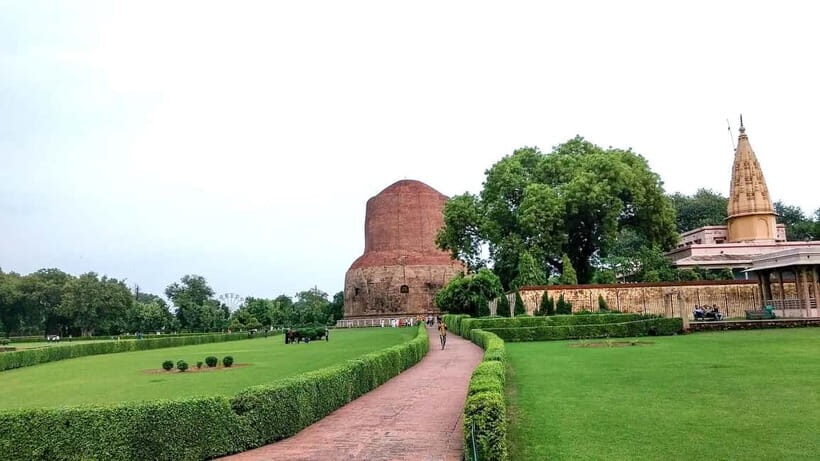
- Dhamekh (Dhamakeh) Stupa: the first teaching made visible
- Dharmarajika Stupa: relics, after the life
- Mulgandh Kuti Vihar: where meditation takes the foreground
- The 1910 museum: statues that add a different angle
- What your English guide actually improves
- Tips for getting the most out of your 4 hours
- Should you book this Sarnath tour?
- FAQ
- How long is the Sarnath Tour: Where Buddhism Originated?
- What is included in the price?
- What is not included?
- Where do I meet the guide?
- Is the tour guide available in English?
- How far is Sarnath from the city center of Varanasi?
- Can I cancel for a refund?
- Does the tour have free cancellation and pay later options?
Key takeaways before you go
- A/C car + entry tickets included: less hassle, more time on the ground.
- Sarnath’s core monuments in one route: Dhamekh, Dharmarajika, and Mulgandh Kuti Vihar.
- Ashoka and relic context: you’ll hear why these sites matter, not just where they are.
- Ruins and layers over 1,000 years: you’ll notice the long timeline around you.
- A 1910 British-built museum: statues and artifacts add a different angle to the same story.
Why Sarnath feels like the real starting point
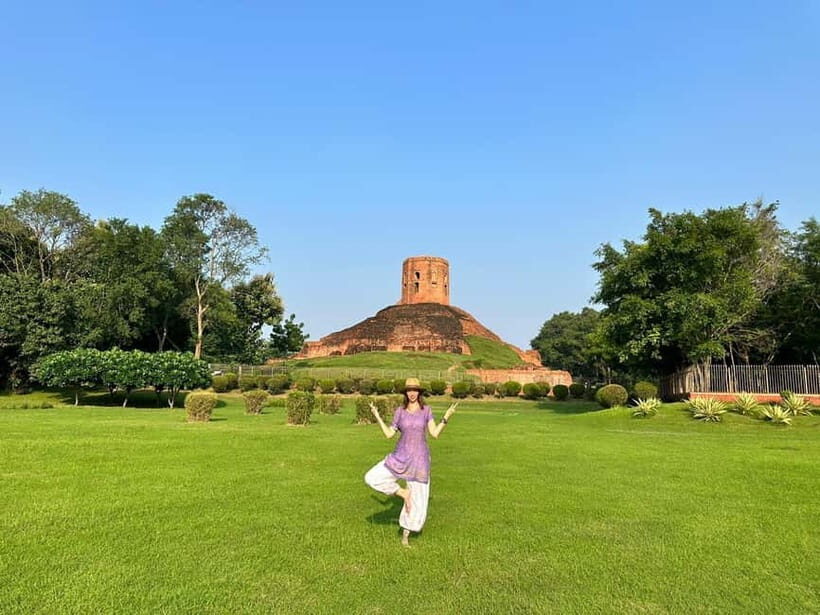
Sarnath is not just another day-trip in Uttar Pradesh. The whole area orbits around the idea that it was the stage for Buddha’s first sermon, the moment his teaching reached others in a clear, public way. That matters when you’re visiting: the sites don’t feel random. You’re moving through locations tied to the story you probably heard about back home.
I also like the pacing of this tour. Sarnath is about 15 kilometers from the city center of Varanasi, which is a polite way of saying you trade chaos for calm. Even if Varanasi already felt loud (and honestly, it can), Sarnath’s monument zone gives your mind room to catch up. In four hours, you’ll likely feel like you understand the shape of the place—not just the photos you take.
The route is built around the big anchor points: a stupa tied to early teaching, a stupa connected to relics after Buddha’s death, and a vihar a connected to meditation during the Gupta period. Then the 1910 museum rounds out the visit with statues, rather than only stone and earth.
You can also read our reviews of more tours and experiences in Varanasi.

Price and value: what $40 buys you (and what it doesn’t)
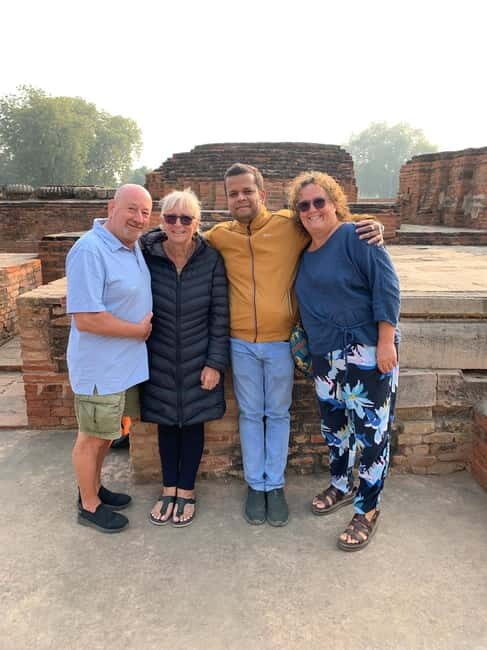
At $40 per person for 4 hours, this tour is priced like a practical, no-fuss introduction to Sarnath. The value is not only the destination—it’s the way the tour removes friction.
Here’s what’s included:
- Comfortable A/C car
- Entry tickets for the monuments you visit
- An English live guide
That combo matters in India, where entry processes can eat time if you’re handling them on your own. You also avoid the extra cost and guessing that often comes with arranging transport and tickets separately.
What’s not included:
- Food and drinks
So the real “cost” isn’t the $40. It’s the fact you may need to plan a snack or water before/after, since you won’t be stopped for meals during the tour. If you’re the kind of traveler who likes to eat casually while you wander, you’ll probably want to schedule this early or late in your Varanasi day so you can still eat like a normal human.
Getting there from Varanasi: the 15 km reset
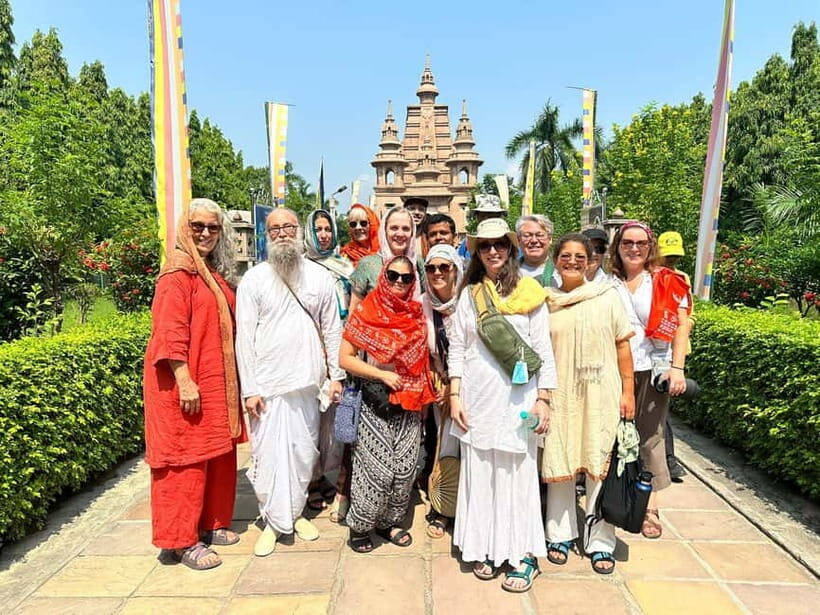
This tour is designed for a smoother transition out of Varanasi. The drive from the city center to Sarnath is roughly 15 kilometers, which is long enough to change your mood but short enough to keep the day from turning into a full marathon.
The pickup point is clear: you meet your guide outside Hotel Ganges Grand Godowlia. From there, your guide reaches you through WhatsApp using the phone number you share when booking. I like that this reduces the awkward “where are you?” moment and helps you keep the schedule tight.
Also, the A/C car is a big deal. Even if you don’t love being trapped in a vehicle, that short ride in cooled comfort can make the walking feel less punishing. It’s especially useful if you’re visiting during warmer parts of the day.
Dhamekh (Dhamakeh) Stupa: the first teaching made visible
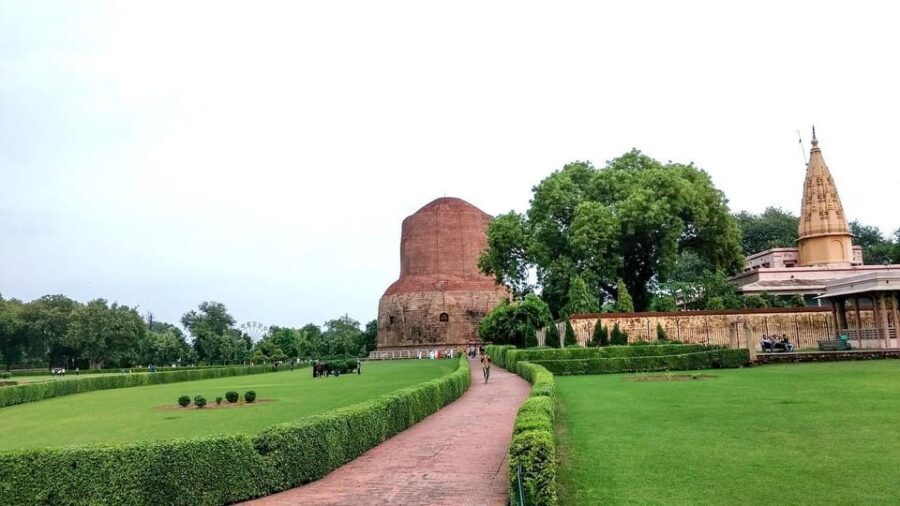
The centerpiece stop is the Dhamekh Stupa (sometimes spelled Dhamakeh). This is the stupa associated with the moment when Buddha taught about the Dhamma—and it’s linked to construction by King Ashoka.
This is one of those places where context changes everything. Without explanation, you might look at it as just another old structure. With the guide’s framing, it becomes a marker of intention: rulers and communities invested in preserving a teaching site tied to Buddha’s message.
You can also expect to notice the sense of time layered into the area. Sarnath includes ruined monuments dating back thousands of years, so the environment around the stupa feels like more than a single landmark. The tour helps you read those layers as part of the same sacred timeline, not separate “random sights.”
Practical consideration: stupas can be busy, and there’s often a steady flow of visitors. If you’re a slower walker, it helps to let your guide’s rhythm set the pace so you’re not rushing at the exact spot where you actually want to pause.
Dharmarajika Stupa: relics, after the life
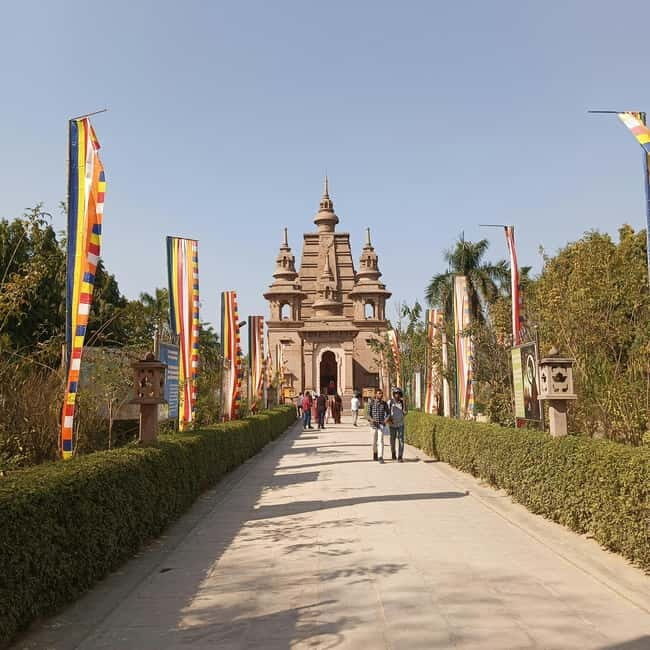
Next comes the Dharmarajika Stupa, connected to the story of relics of Buddha being brought after his death. This stop isn’t only about stone. It’s about what the community chose to preserve—reminding people that the teachings didn’t end at the end of a life.
That makes this stupa a useful complement to Dhamekh. Dhamekh anchors the teaching moment (the Dhamma sermon idea). Dharmarajika anchors the aftermath—why relics mattered and how they were treated as something worthy of a dedicated sacred structure.
If you like your travel with a narrative thread, this is where it clicks. You’re not just checking a box; you’re moving from sermon to legacy, from teaching to what endured.
One thing to remember: relic-associated sites tend to feel emotionally important to visitors, so a respectful, quiet pace goes further than trying to rush for pictures.

Mulgandh Kuti Vihar: where meditation takes the foreground
The third major monument is Mulgandh Kuti Vihar, tied to the Gupta period and described as the place where Buddha used to meditate.
This stop is the change of tempo you might want after two stupa-heavy points. A vihar a shifts the mood from public teaching and preserved relics toward practice and stillness. Even if you’re not a meditation person, it helps you feel the “how” behind the “what.”
This is also a strong choice for anyone who finds that temples and museums alone can feel like history lessons. Here, the story is about a way of being—calm, disciplined attention—so the site feels less like a relic of the past and more like a practice you can understand.
Practical note: even on a guided half-day, you’ll likely walk through an outdoor monument area. Wear comfortable shoes and give yourself a moment to slow down inside your own head, not just in the crowd.
The 1910 museum: statues that add a different angle
After the monument circuit, you’ll visit a big museum built in 1910 by the British. It has several different types of statues, which changes the experience from architectural storytelling to object-based storytelling.
I find museums like this valuable because they answer the questions stones can’t. Stupas tell you where things happened. Statues help you visualize how people represented figures and ideas—how a tradition looked in art forms beyond architecture.
This museum stop is a smart pairing: monuments are powerful, but they can also make you feel like you’re only reading “where.” The museum gives you “what it looked like,” especially through statues across categories.
If you’re short on time in Varanasi, the museum helps you use those 4 hours well. You don’t have to rely on long wandering or extra stops to get variety.
What your English guide actually improves
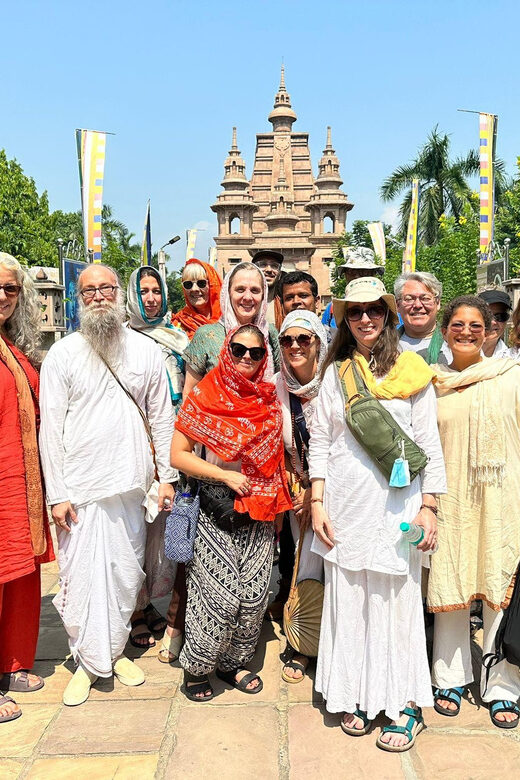
The biggest difference with a good guide is not that they name places. It’s that they connect them to meaning without turning the day into a lecture.
The feedback around this tour points to a guide who:
- explains each major site with clear detail
- shows respect for the sacred place and cues you to do the same
- handles entry details so you’re not stuck figuring out paperwork or tickets
- answers questions and adds local context from living in Varanasi
Also, guides on this route tend to make the experience feel smoother in real time, including helping you keep moving without losing the thread. One review even mentioned being dropped off at the location they wanted to continue sightseeing, which is exactly the kind of practical kindness that saves time and hassle.
Your job: ask questions. If you’re interested in how Ashoka’s legacy connects to Dhamekh, or how relic traditions relate to Dharmarajika, this is the moment to ask. A good guide will treat those questions as part of the day, not interruptions.
Tips for getting the most out of your 4 hours
This tour is short, so small choices matter.
- Go easy on your schedule before you start. Four hours fills up faster than you think when you’re moving between a stupa, a second stupa, a vihar a, and a museum.
- Bring patience for outdoor walking. The monuments are spread through an area, so comfortable shoes are worth more than a fancy outfit.
- Plan for food and water. Since food and drinks aren’t included, eat before (or after) so you’re not deciding between hydration and sightseeing mid-route.
- Use the guide’s English explanations. If you like learning, this is set up for it, not just photo stops.
And one more soft rule: treat it like a place of meaning. The guide will likely remind you to be respectful, and it’s good advice. You’ll enjoy the atmosphere more when you’re not rushing through it like a theme park.
Should you book this Sarnath tour?
I’d book it if you want a straightforward, high-value introduction to Sarnath without making a puzzle out of transport and entry. The tour includes an A/C car and entry tickets, runs for 4 hours, and hits the main sacred anchors: Dhamekh (Ashoka-linked), Dharmarajika (relics-linked), and Mulgandh Kuti Vihar (Gupta-period meditation site), plus the 1910 museum.
You might skip or adjust if you’re the type who needs a longer, slower day—or if you strongly prefer food breaks built into your activities, because no food or drinks are included. In that case, just pair it with a solid meal plan and you’ll be fine.
If you’re visiting Varanasi and want the calmer counterpoint where Buddhism’s teaching story is centered, this tour is one of the easiest ways to make that happen in one clean half-day.
FAQ
How long is the Sarnath Tour: Where Buddhism Originated?
The tour duration is 4 hours.
What is included in the price?
The tour includes a comfortable air-conditioned car and entry tickets to the monuments.
What is not included?
Food and drinks are not included.
Where do I meet the guide?
Meet your guide outside Hotel Ganges Grand Godowlia. The guide will contact you on WhatsApp using the number you provide when booking.
Is the tour guide available in English?
Yes, the tour includes a live guide in English.
How far is Sarnath from the city center of Varanasi?
Sarnath is about 15 kilometers from the city center.
Can I cancel for a refund?
Yes. You can cancel up to 24 hours in advance for a full refund.
Does the tour have free cancellation and pay later options?
Yes. It offers free cancellation and reserve now & pay later (book your spot and pay nothing today).