REVIEW · VARANASI
Private Guided Tour of Varanasi with Licensed Local Guide
Book on Viator →Operated by Varanasi Day Tours · Bookable on Viator
Varanasi hits hardest at sunrise. This private tour takes you from the Ganges boat ride at dawn to the ghats and temple areas with a licensed local guide who can explain what you’re seeing in plain terms. You’ll also have the option to continue on to Sarnath, a key Buddhist site tied to the Buddha’s first sermon.
Two things I like a lot are the personalized attention (it’s truly just your group) and the guide-led focus on meaning, not just photo stops. Guides connected with this tour include people like Vinod, Satish, Indrajeet Kumar, and Vinit Pandey, and the common thread is a calm, organized approach plus real patience for questions.
One drawback to keep in mind: parts of your morning experience may cost extra on the day, since the boat ride and entrance fees are not included, and you’ll want a moderate fitness level for walking in the old-city lanes.
In This Review
- Quick hits you’ll feel in your photos and your head
- Sunrise on the Ganges: the boat ride that sets the tone
- Ghat walks and old-city lanes: where the city shows its real rhythm
- Vishwanath Dham and temple viewing: what to watch for beyond the postcard
- Optional Sarnath: Buddha’s first sermon, plus stupa you can name
- How the 3 to 5 hours really plays out
- Price and value: what $25 covers, and what to plan for
- What makes the guides stand out in practice
- Practical tips before you go to the ghats
- Should you book this private Varanasi tour?
- FAQ
- How long is the tour?
- Is this tour private?
- What’s included in the $25 price?
- Is the sunrise boat ride included?
- Can the tour be done in languages other than English?
- Is Sarnath included, or is it optional?
- Are entrance fees included for Sarnath?
- Is hotel pickup available?
- Can I cancel for a refund?
Quick hits you’ll feel in your photos and your head
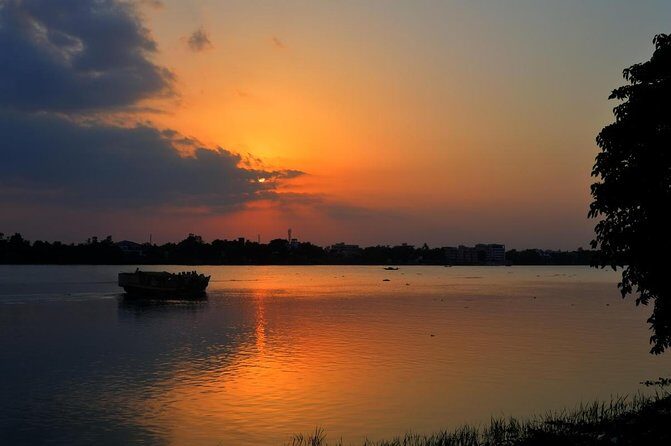
- Dawn boat ride on the Ganges to see everyday life along the ghats when it’s most alive
- Licensed local guidance that translates rituals and traditions into something you can actually follow
- Old-city walking routes through alleyways most visitors skip
- Temple and Vishwanath Dham viewing with admission ticket listed as free for that portion
- Optional Sarnath with major monuments like Dhamekha, Dharmarajika, and Chaukhandi stupa
- Private-only group time so you can set the pace and ask questions without crowd pressure
Sunrise on the Ganges: the boat ride that sets the tone
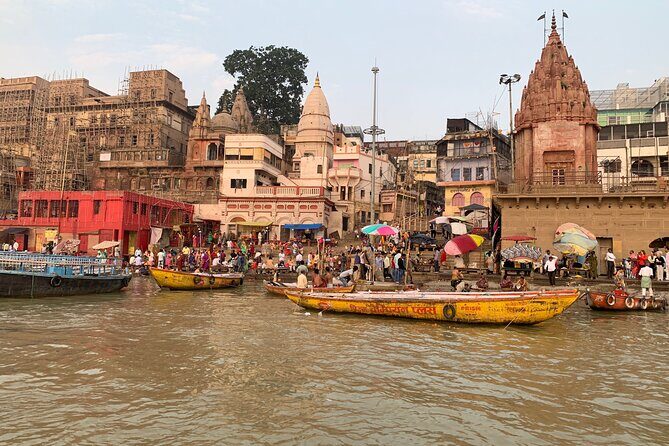
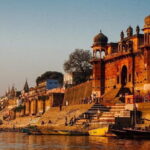
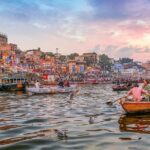
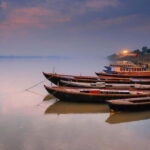
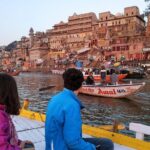
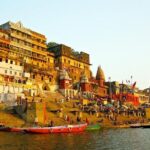
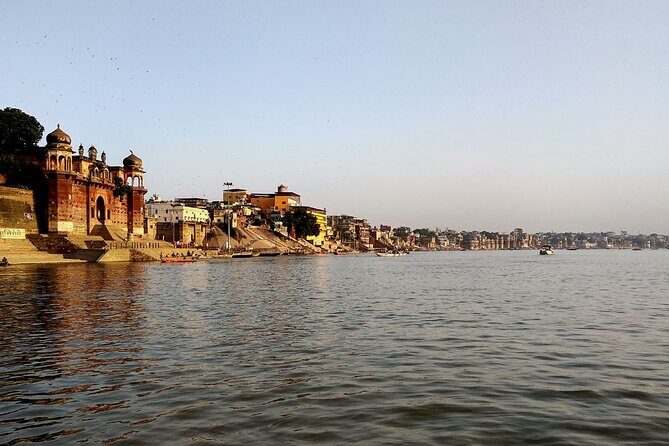
If you want Varanasi to make sense fast, start with the river. The tour’s morning centerpiece is a boat ride around dawn, when the light is soft and the ghats are active but not fully overwhelming yet. From the water, you get a better sense of how everything lines up: steps, temples, swimmers, priests, and pilgrims moving like they’ve done it for generations.
This isn’t just a scenic ride. It’s built around the daily relationship between people and the Ganges—why bathing matters, how rituals look in motion, and how the city’s spiritual logic plays out in real time. Your guide helps connect the dots so you’re not left guessing what you’re watching.
You’ll also be right in the middle of the “why” behind Varanasi. The tour notes that Hindu belief treats the city as a place connected to liberation from the human body, and the Ganga ghats are the visual heart of that idea. Even if you’re not religious, seeing it explained by someone local makes the experience feel less like spectacle and more like lived tradition.
Practical note: the boat ride itself isn’t included in the price, so you’ll want to plan for that extra cost.
You can also read our reviews of more guided tours in Varanasi
Ghat walks and old-city lanes: where the city shows its real rhythm
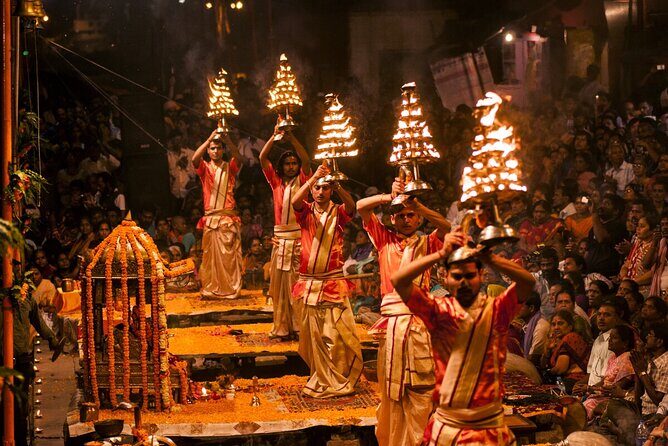
After the boat, the tour shifts to walking—first through the ghats area and then into the older city routes. This is where Varanasi can feel like two cities at once: the obvious spiritual landmarks, and the tightly packed streets where daily life keeps going without pausing for visitors.
A big part of the value here is that your guide doesn’t treat the ghats like a checklist. You’re meant to understand the significance of Hindu rituals and traditions, and you’ll be able to see how pilgrims use the river space—especially the belief that the holy water helps absolve sins. That may sound heavy on paper, but watching it at walking pace (with someone explaining what’s going on) is easier to digest than trying to figure it out alone.
One of the most praised parts of the tour is the way guides handle sensitive details with respect. For example, one guide named Vinit Pandey is noted for sharing depth on Hinduism, and another experience highlights a guide explaining the cremation process in a moving, thoughtful way. If you’re the type who likes to know the backstory behind what you see, this is where that style really pays off.
Consideration: you should expect walking through uneven lanes and crowds near the river. The tour also calls for moderate physical fitness, so if you prefer longer rests or step-free movement, this might feel like too much.
Vishwanath Dham and temple viewing: what to watch for beyond the postcard
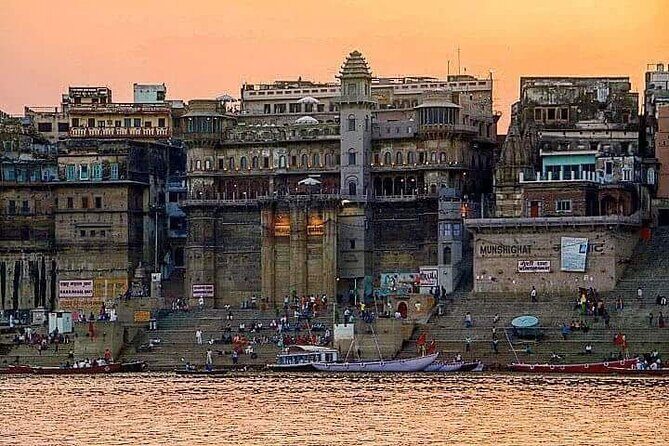
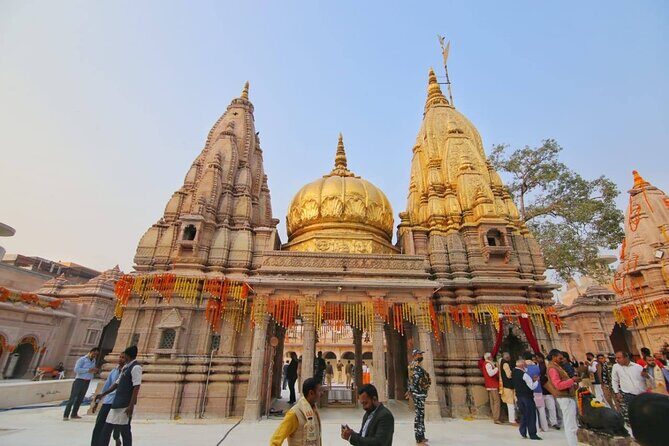
On the Ganga-area portion, you’ll also visit Vishwnath Dham and see multiple temples around the area. The listing marks this stop as admission ticket free, which is a nice money-saver compared with tours that stack paid entrances all morning.
Temple areas in Varanasi can be loud, layered, and visually busy. The practical win of having a guide is that you don’t just look at carvings—you get help noticing what matters. You’ll get context for why temples and rituals sit where they do, and how devotion is practiced in everyday rhythms.
I also like that the tour is built for meaning. It’s not only about big sites; it’s about how the city’s physical layout supports spiritual belief. When a guide explains why people are gathered, what the rituals symbolize, and how traditions work, you start to read the place like a local would.
If you’re a photographer, this kind of guided temple/ghat time can be gold because you’re not just taking frames—you’re learning what to look for: the angles of steps, the placement of offerings, and how ceremonies flow around the riverfront.
Tip: bring a little patience for temple logistics. Crowds, shoes/entry customs, and religious timing can affect how quickly you move.
Optional Sarnath: Buddha’s first sermon, plus stupa you can name
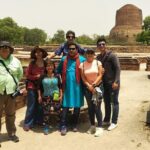
Want a change of pace from the river? You can add Sarnath, and the tour treats it as more than a side trip. This is where Buddhist tradition places the Buddha giving his first sermon after enlightenment, which makes Sarnath one of the most venerated Buddhist pilgrimage sites.
What I like about this portion is that it’s specific. You’re not just visiting a general area—you’re guided through named monuments and structures, including the Dhamekha stupa, Dharmarajika stupa, and Chaukhandi stupa. The tour also references monasteries and temples linked to different Buddhist schools, including sites connected with Japan, China, Thailand, and Burma.
There’s also a dedicated park area maintained by the Mahabodhi Society, with the Mahabodhi Temple inside the park and a mention of a tooth relic of the Buddha. In other words: you’re not just seeing stone—you’re seeing how the place continues to function as a living pilgrimage site.
Time-wise, the Sarnath stop is listed as about 2 hours, and the tour summary suggests flexible timing, so you can usually align it with your day. One more thing to note: the Sarnath entrance fee is not included, so budget for that extra cost.
This add-on is a great fit if you’re traveling for spirituality but you also want variety—river rituals in Varanasi, then sacred Buddhist monuments in a quieter setting.
How the 3 to 5 hours really plays out
The tour is listed as 3 to 5 hours (approx.), which is a helpful range because your choices change the tempo.
The Ganga-focused portion runs for about 3 hours, built around the dawn boat ride, the Vishwnath Dham/temple area, and walking routes. If you choose Sarnath, that adds roughly 2 more hours—which naturally pushes your total toward the upper end of the time range.
The other reason this matters is energy. A dawn start is not just romantic; it also changes the crowds and lighting. And because you’re moving on foot through old-city lanes, you’ll want to treat this like an active morning rather than an easy sightseeing stroll.
Best approach: if you’re a first-time visitor and you don’t want to cram, do the Ganga portion. If you want a strong spiritual contrast in one day, add Sarnath and commit to the full arc.
You can also read our reviews of more private tours in Varanasi

Price and value: what $25 covers, and what to plan for
The price is $25 per person, which is solid value for a private guided experience. The big reason is that you’re paying for time with a licensed local guide and the structure to see Varanasi in a meaningful order.
What’s included:
- English-speaking guide
- Guide in other languages (French, German, Spanish/Italian) on demand and availability
What’s not included (so you won’t get surprised later):
- Transport
- Boat ride
- Entrance fees
- Tips
- Hotel pickup/drop-off by private vehicle if needed (listed as $10 per person extra direct payment)
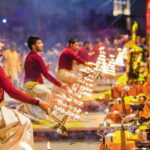
- A chair for evening Ganga Aarti (listed as not included)
So yes, the base price looks great—but the day can still cost a bit more depending on your choices. The good part is that the tour is transparent about the extras, and the Ganga-area stop notes admission ticket free, which offsets some of the paid elements.
Also, the tour mentions group discounts and a mobile ticket. Even with private tours, that can matter if you’re traveling with friends and want the most practical value.
What makes the guides stand out in practice
In a city like Varanasi, the guide isn’t a luxury. It’s the difference between scratching your head and actually getting it.
The guide style shown in the experiences linked to this tour is consistent: punctuality, organization, and a willingness to answer questions. You’ll see guides described as professional, friendly, and respectful of requests, which matters when you’re dealing with crowds, intense rituals, and tight street conditions.
Names that come up in the most positive feedback include:
- Vinod, praised for deep knowledge and an English/history ability that helps visitors follow complex ideas
- Satish, mentioned as very knowledgeable about Varanasi history and punctual pickup
- Indrajeet Kumar, noted for helpful, welcoming guidance and clear information on the sunrise experience
- Vinit Pandey, recognized for Hinduism explanations and the value of the post-boat alley walk
- Vedant (spelled as seen in one account), credited for lots of information and a strong boat + walking combination
I like this because it suggests the tour is less about memorizing facts and more about interpreting what you’re seeing. That matters most at the ghats, where there’s action everywhere and a beginner can feel overwhelmed in two minutes flat.
Practical tips before you go to the ghats
This isn’t a “show up and everything is easy” kind of day. It’s doable, but plan like a local morning.
- Bring layers: dawn can feel cool, then warm up quickly.
- Wear shoes you can walk in for a while. The old-city lanes aren’t set up for slow strolls.
- Expect walking and uneven surfaces. The tour calls for moderate physical fitness, so pace yourself.
- Keep a respectful mindset. You’re watching sacred practices, not theme-park performances.
- If you care about photos, ask your guide what’s appropriate where you’re standing. Some ceremonies are not “all cameras all the time.”
One more practical note: the tour is described as requiring good weather. If conditions are poor, you may have to reschedule or switch dates, so build flexibility into your Varanasi schedule.
Should you book this private Varanasi tour?
I’d book it if you want a focused first visit where someone local connects the dots between the river, the rituals, and the city’s spiritual meaning. It’s especially worth it if you like asking questions, you’re traveling with a small group, or you’re the type who notices details (photography and culture lovers often are).
I’d think twice if you dislike early mornings, you’re uncomfortable with crowds and close-up sacred rituals, or you’re trying to keep costs super tight—because the base price doesn’t include the boat ride or Sarnath entrance.
One last decision helper: the tour is described as averaging 35 days booked in advance, which hints that prime times can fill. If you have fixed dates, I’d lock it in early and keep your day flexible enough for weather.
If your goal is Varanasi with context—plus the option to add Sarnath—this private format is a strong match.
FAQ
How long is the tour?
The tour runs about 3 to 5 hours. The Ganga-area portion is listed at about 3 hours, and the Sarnath portion is listed at about 2 hours.
Is this tour private?
Yes. It’s a private tour/activity, and only your group participates.
What’s included in the $25 price?
The tour includes an English-speaking licensed guide. It also offers guides in other languages on demand and availability (French, German, Spanish/Italian). Entrance fees, transport, boat ride, and tips are not included.
Is the sunrise boat ride included?
No. The morning boat ride is part of the experience, but the boat ride is not included in the price.
Can the tour be done in languages other than English?
Yes. The guide can be provided in other languages—French, German, Spanish, or Italian—on demand and availability.
Is Sarnath included, or is it optional?
Sarnath is optional. You can choose to include it, and it’s described as adding a key Buddhist pilgrimage stop to your day.
Are entrance fees included for Sarnath?
No. The Sarnath entrance fee is not included.
Is hotel pickup available?
Hotel pickup and drop-off by private vehicle is available if needed, listed as $10 per person extra direct payment.
Can I cancel for a refund?
Yes, free cancellation is available up to 24 hours in advance for a full refund (based on local time).