REVIEW · MUMBAI
Private Dharavi Slum Tour
Book on GetYourGuide →Operated by Mystical Mumbai · Bookable on GetYourGuide
Dharavi hits fast, then stays with you. This private 2-hour walking tour is compelling because you see how everyday work and community link together, and because the guide team is made up of students living in the area. You’ll also get specific context like monsoon flooding risk, standpipe water access, and why limited sanitation shapes daily life. The main drawback is also the most important one: no cameras or photos, so you’ll need to rely on memory and note-taking.
I like that the experience is practical, not performative. You’re guided through narrow alleys where people recycle, craft, and run small businesses, and the stop-by-stop pacing helps you understand what you’re seeing instead of just passing it by. If you want a comfortable, click-and-go sightseeing loop, this won’t feel like that.
Before you go, plan for the walk and the setting. Comfortable shoes matter, and you should expect real-life conditions and tight spaces. Also, for some viewers the subject matter can feel heavy, even when explained with care and professionalism.
In This Review
- Key things that make this tour work
- Two hours in Dharavi: what the walk is really like
- Meeting your guide in Mumbai: student guides and a professional setup
- Stop-by-stop focus: communities and the trades you’ll notice first
- Pop culture breadcrumbs: Slumdog Millionaire and a design museum link
- Health and environment context: monsoon risk, sanitation, and water access
- Price and value: what $65 buys you in a private format
- Rules that affect your experience: no camera and what to wear
- Any downsides besides the rules?
- Who should book this private Dharavi tour?
- Should you book it? My straight answer
- FAQ
- How long is the Private Dharavi Slum Tour?
- Where does the tour start and end?
- What’s included in the price?
- Is food included?
- Is there shopping during the tour?
- Is the tour private?
- Is the guide English-speaking?
- Can I bring a camera or take photos?
- What should I bring?
- FAQ
- What kind of cancellation flexibility do I have?
Key things that make this tour work
- Student-led explanations you can ask questions to
- A focused 2-hour route through narrow alleys and daily trades
- Clear links to pop culture, including where Slumdog Millionaire was shot
- Workshops and processes like leather, dye production, soap, and recycling
- Context on water, sanitation, and monsoon vulnerability in Dharavi
- Private hotel pickup in an air-conditioned car, plus water included
Two hours in Dharavi: what the walk is really like
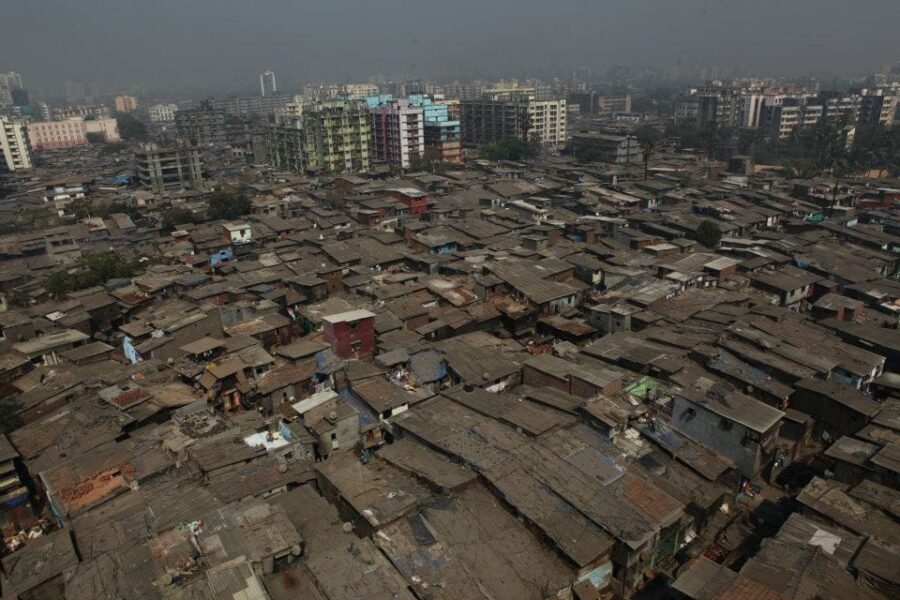
A Dharavi tour isn’t about monuments. It’s about motion and observation: narrow lanes, close walls, and voices that feel part of the same neighborhood soundtrack. Since the whole experience is 2 hours, you get a concentrated picture without the fatigue of a long day. It’s the kind of timing that helps you pay attention.
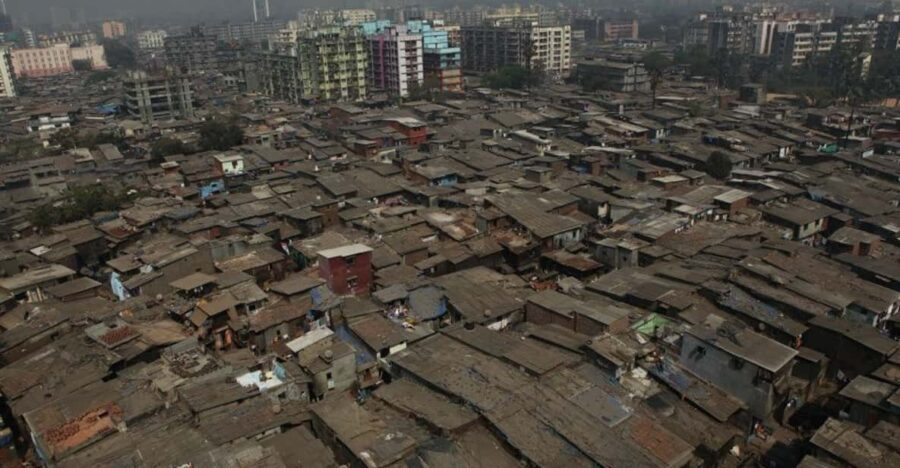
You should also know what you’re stepping into. Dharavi is described as the second biggest slum in Asia and the third biggest in the world, spread over about 200 hectares (500 acres). Population estimates vary widely, and that’s part of the point: this is a complex, living place, not a single, static image. The tour framing includes basic facts on density estimates and the reality that numbers are hard to pin down.
The alleys can feel tight, and you’ll likely pass through areas where multiple activities overlap. That’s normal here, and it’s one reason the guide’s role matters. A student guide can connect what you see—like small-scale production or recycling—with what it takes to make a livelihood.
Possible reality check: this isn’t a theme-park route. If you expect smooth sidewalks and quiet viewing, you’ll be disappointed. If you’re okay with a grounded, human-paced walk, it’s far more memorable.
You can also read our reviews of more private tours in Mumbai


Meeting your guide in Mumbai: student guides and a professional setup
The tour is run as a private group, and the experience starts with pickup in Mumbai. Your guide meets you in the lobby wearing a purple shirt with a footprint logo. That simple detail saves time and keeps things from feeling chaotic.
One of the biggest strengths here is who guides you. The guides are students living in the slum, which changes the tone. Instead of a scripted lecture from the outside, you get explanations shaped by local daily rhythms. It also means questions aren’t just welcomed; they’re genuinely part of the conversation.
The experience also tends to feel organized. In past bookings, guides such as Abishek and Aarti have been described as courteous, engaging, and fluent in English. Drivers like Mukesh and Miukesh are also mentioned as part of a smooth pickup-and-transport routine. That matters because Dharavi is easier to handle when the logistics work and you feel comfortable.
Stop-by-stop focus: communities and the trades you’ll notice first
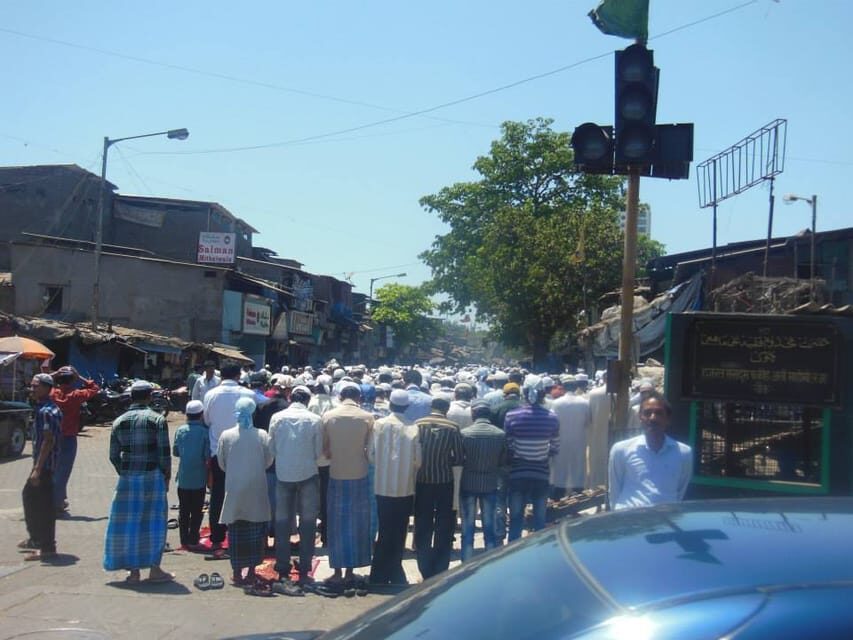
The route is designed to show the diverse communities of the area and the trades that keep things running. You’ll hear about multiple industries that exist side-by-side, often in places that don’t look large enough to support big production.
Here are some of the work themes you should expect the guide to talk through:
- Recycling and reuse, including the recycling of veg oil cans
- Dye production
- Leather manufacturing and leather work
- Plastic recycling
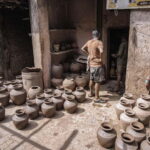
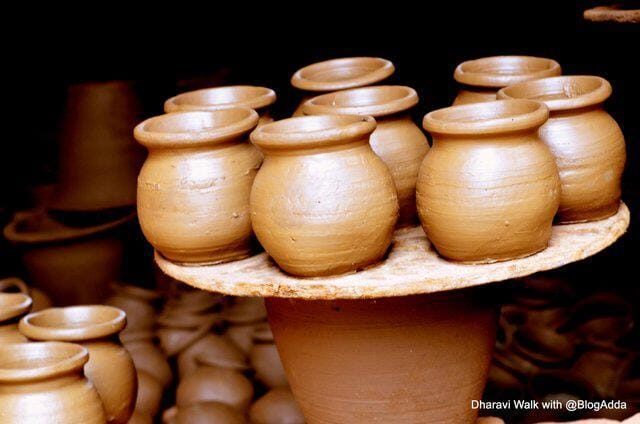
- Pottery
- Poppadom baking
- Soap production
The value isn’t just in listing trades. It’s in understanding why those trades exist where they do. Dharavi is described as having many small-scale activities packed into limited space, so the industries often depend on logistics that are local, repeatable, and close to the people who labor there. When you hear the connections—how materials move, how processes are learned, how waste gets reused—it turns what could be a shocking sight into a system you can follow.
You’ll also see the human side of work. People working in close quarters, production happening in everyday life, and a sense of community that feels real rather than staged. That feeling is one of the most praised parts of the experience.
Small drawback to consider: because the tour is walking and compact, you won’t get “hands-on” participation. You’re there to observe and learn, not to shop or operate machinery.
Pop culture breadcrumbs: Slumdog Millionaire and a design museum link
Dharavi became globally famous after the 2008 movie Slumdog Millionaire. This tour includes a stop connected to that story, including where the film was shot. If you’re a movie person, this can be the shock-to-recognition moment. You’ll look at a real setting and realize the camera framed it as story, not as documentation.
But the tour doesn’t stop at pop culture. It also references development through design and culture. In February 2016, Dharavi’s first Design Museum opened, and the experience ties in that thread so you’re not stuck thinking of Dharavi as only hardship.
For me, the practical lesson is this: seeing film-linked locations gives you an entry point, but it’s the everyday trades and community structure that do the real explaining. The movie connection is interesting, yet the lived reality is what makes the walk matter.
Health and environment context: monsoon risk, sanitation, and water access
You should expect the guide to cover why conditions in Dharavi are so challenging. The information shared includes how Dharavi’s poor sewage and drainage systems make it vulnerable to floods during monsoon. It also covers public health issues that come with limited infrastructure.
Water access is described as coming mainly from public standpipes around the area. Toilets are limited, and they’re described as extremely filthy and often broken. The tour also mentions that a local river, Mahim Creek, is widely used by residents for urination and defecation, which contributes to the spread of contagious diseases.
This is heavy material, and it can be uncomfortable. But it helps you understand why the community’s daily work isn’t happening in a vacuum. When you understand the constraints—water, sanitation, flooding risk—then the trades you see (like recycling and production) make more sense as survival skills, not just curiosities.
How to handle it well: go in with a respectful attitude. Keep your questions thoughtful. Don’t treat the information like a documentary you can “win” with. Let the guide set the pace.



Price and value: what $65 buys you in a private format
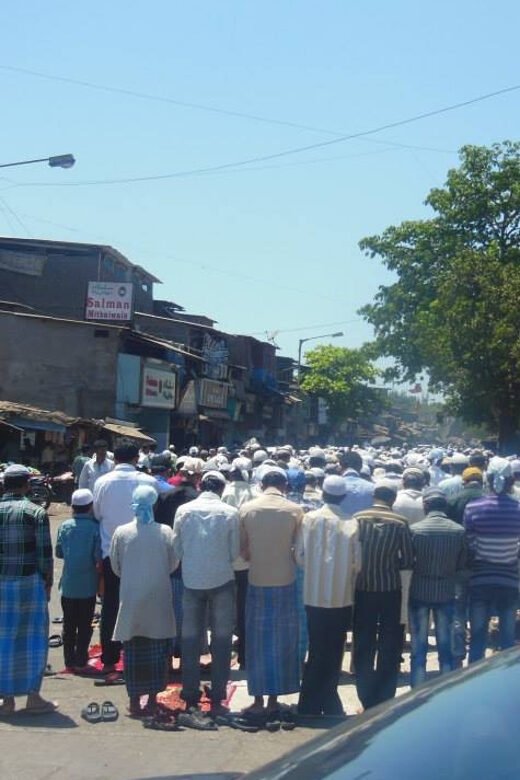
At $65 per person for a 2-hour private tour, you’re paying for more than a guide’s time. You’re buying a complete, managed experience that includes:
- Hotel pickup and drop-off in Mumbai
- Private air-conditioned transportation
- English professional guide fees
- Water
- Toll, parking, and tax
When you break it down, the biggest value driver is the private nature. This isn’t a crowded group bus situation where you can’t hear, and it’s not a self-guided walk where you’d have to guess what everything means. Also, the transportation element is a real factor in Mumbai—getting to and from the starting point efficiently matters, especially when you only have a short time window.
One note on cost expectations: food and shopping are not included, so budget separately if you want snacks after the tour. That’s normal for a walking experience, but it’s worth planning so you don’t feel forced into buying during the walk.
Rules that affect your experience: no camera and what to wear
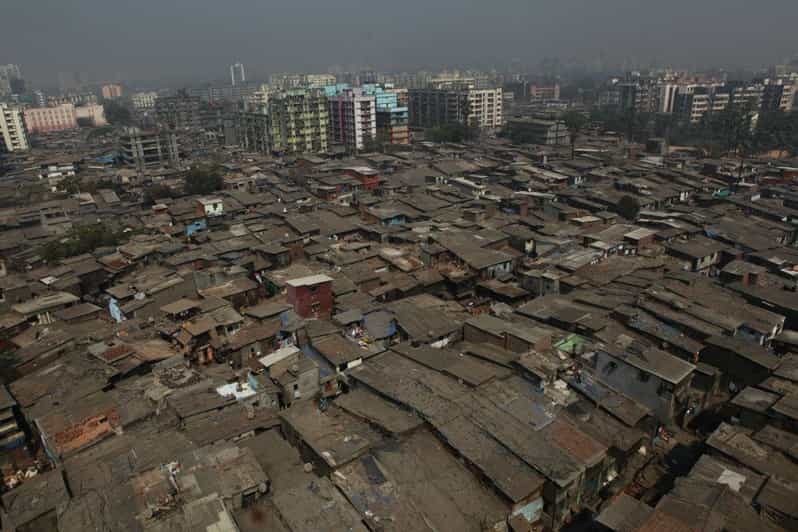
This tour has a firm photo rule: no cameras and no photograph. You’ll need to accept that up front. For some people, the hardest part is giving up the urge to capture everything. For others, it’s exactly what makes the walk more focused. You’ll pay closer attention when you can’t rely on your phone.
What to bring is simple: comfortable shoes. The walking is through narrow alleys, and you don’t want to worry about blisters. Also, dress for Mumbai’s heat and humidity depending on when you go.
If you’re the type who needs visual proof for memories, consider taking notes during the tour instead. After, you can turn those notes into a more meaningful “photo-free” souvenir.
Any downsides besides the rules?
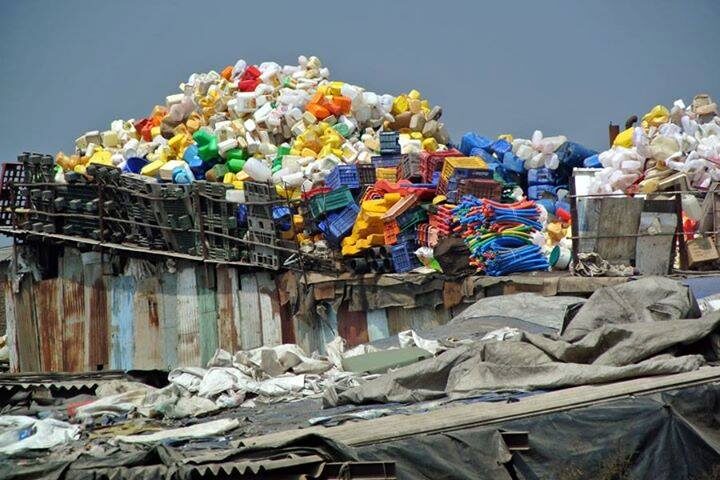
Yes, one logistics-related consideration comes up. The transport to and from the hotel has been described as okay, with room for improvement. That’s not a deal breaker, especially since the setup still includes pickup/drop-off and private A/C transport, but it’s fair to keep in mind.
Also, this is not a relaxed, casual sightseeing stroll. It’s a guided walk through a densely lived environment where daily work is central. If you want an airy, low-stimulation itinerary, you’ll feel the difference quickly.
Who should book this private Dharavi tour?
This tour is a good match if you:
- Want a short, structured experience rather than a half-day roam
- Enjoy learning about how livelihoods work in real places
- Are interested in Dharavi’s trades like leather, recycling, pottery, poppadoms, and soap
- Want a personal local perspective from student guides
- Can handle a setting that includes serious context about water and sanitation
It might not be the best fit if you:
- Need constant photo opportunities
- Prefer strictly comfortable, low-contact environments
- Get overwhelmed by topics like sanitation and monsoon flooding
Should you book it? My straight answer
If you want a Mumbai experience that feels human, specific, and short enough to fit a busy schedule, this is worth booking. The private format, English-speaking student guides, and the focus on daily trades make it more educational than most “slum tours” that feel generic.
My advice: go with respectful curiosity, wear solid shoes, leave the camera behind, and expect to learn more than you thought you would in two hours. If that sounds like your kind of travel, book it.
FAQ
How long is the Private Dharavi Slum Tour?
It lasts 2 hours.
Where does the tour start and end?
You get pickup in Mumbai, visit Dharavi during the tour, and return to Mumbai afterward.
What’s included in the price?
The price includes hotel pickup and drop-off, private air-conditioned transportation, English guide fees, water, and tolls/parking/tax.
Is food included?
No, food is not included.
Is there shopping during the tour?
Shopping is not included, and the tour information specifically lists food and shopping as not included.
Is the tour private?
Yes, it’s a private group.
Is the guide English-speaking?
Yes, the tour includes a live English guide.
Can I bring a camera or take photos?
No. Cameras are not allowed and there is no photograph.
What should I bring?
Bring comfortable shoes.
FAQ
What kind of cancellation flexibility do I have?
It offers free cancellation up to 24 hours in advance for a full refund.