REVIEW · AGRA
Agra: Street Food Walking Tour, Spice Market, & Tuk-tuk Ride
Book on GetYourGuide →Operated by Classic Tours India · Bookable on GetYourGuide
Old Agra feels like a living maze. This 2–3 hour street-food tour strings together markets, temples, and city history with a guide and a tuk-tuk ride.
What I like most is the mix: Jama Masjid and Shri Mankameshwar Mandir on a guided walk, plus real street-level food stops (not just a show). Another big win is the sensory payoff in the markets, especially the spice road (Rawatpara) and the sweets-and-snacks lane (Seth Gali).
One heads-up: you’ll do a fair amount of walking, but it’s not one straight hike. Expect around 90 minutes of walking overall, while the rest is driving and short merchant stops, some of which can feel more sales-focused than sightseeing.
Key Things You’ll Actually Notice
- Hotel pickup and drop-off by tuk-tuk, so you don’t waste your limited Agra time figuring out routes
- Old-city lanes around Kinari Bazaar where you can browse jewelry, textiles, and handicrafts without the big-Taj-style chaos
- Guided stops at Jama Masjid and Shri Mankameshwar Mandir where local faith shapes daily life
- Rawatpara spice market sights and smells, plus tastings that match Agra’s street-food style
- Stops for street samples like samosa, dhosa/chole bhature, aloo tikki, pani tikki, and sweets (food depends on the option)
- Tuk-tuk ride that’s part thrill, part traffic reality check, with your guide watching your safety
In This Review
- Old Agra in Two Hours: Street Food, Markets, and Tuk-Tuk Energy
- Kinari Bazaar to Jama Masjid: Mughal Craft Meets Daily Shopping
- Shri Mankameshwar Mandir Walk: Lord Shiva in the Middle of the Neighborhood
- Rawatpara Spice Market and Seth Gali Street Food: The Real Point of the Tour
- The Walking Plan: How Much You Really Walk (and How to Prepare)
- Price and Value: Private Guide, Tuk-Tuk, and the Craft-Stop Tradeoff
- Best For Whom, and Who Should Skip It
- Should You Book? A Practical Decision Guide
- FAQ
- How long is the Agra street food walking tour?
- What does the tour price include?
- Are monument entrance tickets included?
- Do I need to pay for drinks?
- What time does the tour run?
- What language is the guide available in?
- What should I wear?
- Is the tour wheelchair-friendly or suitable for everyone?
- Is there free cancellation?
Old Agra in Two Hours: Street Food, Markets, and Tuk-Tuk Energy
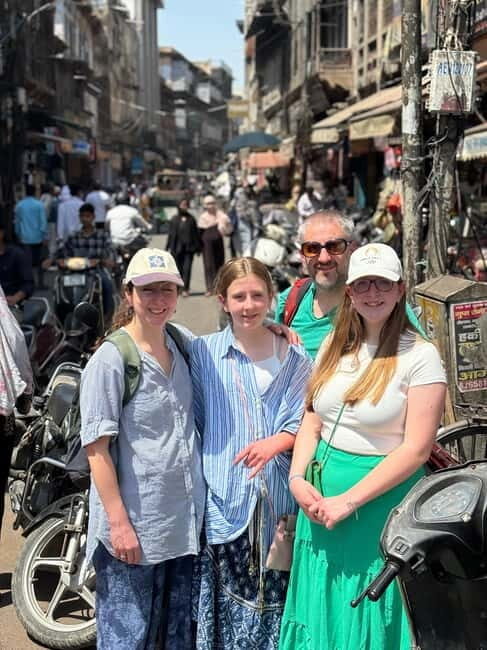
Agra is often sold as one monument. This tour is a better deal if you want the other half: the everyday city sounds, smells, and shortcuts locals actually use. You start with pickup, then jump into motion by tuk-tuk before you’ve even had time to get lost on your own.
The structure is simple. You’ll ride between clusters of sights, then get walked through key areas long enough to feel like you’re part of the street scene. Food happens in small batches at multiple stops, so you don’t end up with one giant meal that kills your ability to keep browsing. It’s more “try and learn” than “festival feast.”
Price-wise, this is one of the more efficient ways to cover Old Agra in a short window. For around $14 per person, you’re paying for a private local guide, tuk-tuk transport, and a guided path through places you’d likely skip because they’re confusing to navigate. It also matters that the tour includes street tastings and sweets only if you choose that option, while drinks are not included. So if you’re planning to sample a lot, pick the food-included setup.
Kinari Bazaar to Jama Masjid: Mughal Craft Meets Daily Shopping

Your tour kicks off in the Kinari Bazaar area, known for traditional jewelry, textiles, and handicrafts. This is where you get the market rhythm fast: quick bargaining, bright displays, and shopkeepers who expect questions. Your guide helps you move through the lanes without second-guessing every turn.
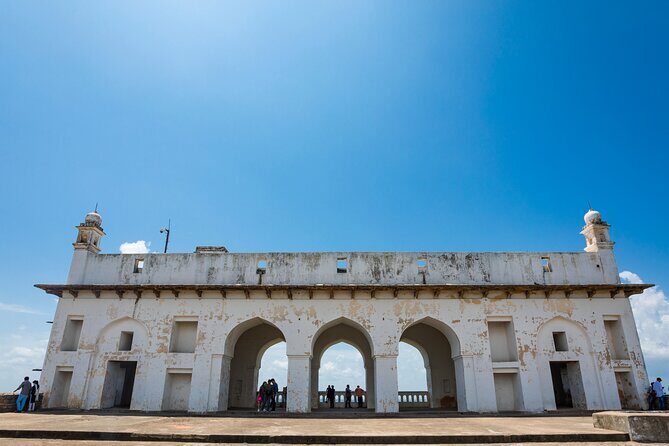
From there you head to Jama Masjid, one of India’s biggest mosques. You’ll get photo stops and a guided visit that connects the architecture to how the place functions in daily life. Dress matters here: you’ll want clothes that cover your knees and shoulders since you’ll be going into religious spaces. The guide’s pacing is also practical. You aren’t just rushing to a photo; you’re being shown what to look for and when to step aside for foot traffic.
This part is also a smart way to see Old Agra without tying up your whole day. If you’re doing the Taj Mahal too, this tour gives you a contrasting mood: fewer tourist lanes, more real city movement. One theme you’ll notice in how guides handle the walk is safety and control around busy areas and vehicle flow.
You can also read our reviews of more walking tours in Agra


Shri Mankameshwar Mandir Walk: Lord Shiva in the Middle of the Neighborhood
After Jama Masjid, you continue on foot to Shri Mankameshwar Mandir, dedicated to Lord Shiva. This stop feels more “neighborhood temple” than “museum monument,” because you see it as part of the street fabric instead of a distant landmark.
The value here is the guide’s context. They’ll explain what you’re looking at and how the devotion shows up around you. You’ll also get time for photos and a guided visit, but the point isn’t rapid sightseeing. It’s understanding the place while you’re surrounded by people going about their day.
If you’re sensitive to crowds or you don’t love standing still, don’t worry too much. The route keeps moving. You’ll do short segments on foot, then switch back to tuk-tuk to cross busier stretches. It’s an easier rhythm than trying to see everything independently between sites.
Rawatpara Spice Market and Seth Gali Street Food: The Real Point of the Tour
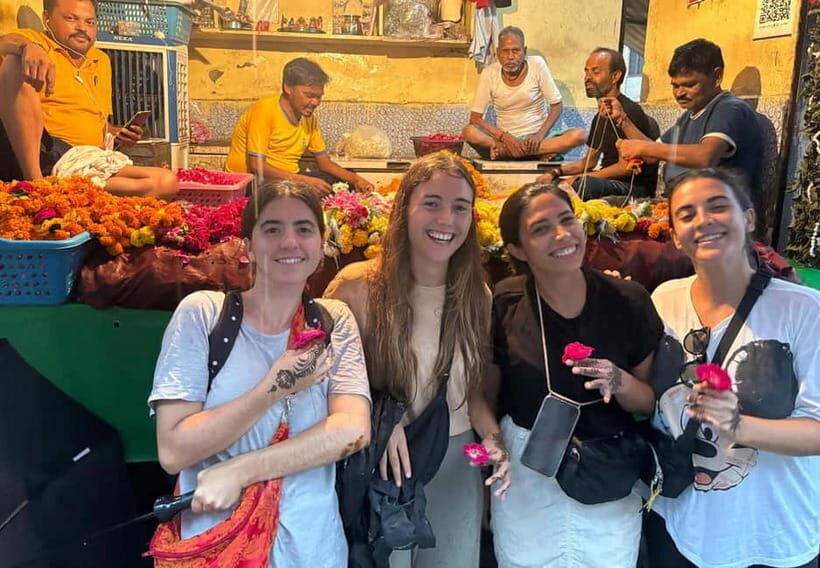
This is where the tour earns its name: Rawatpara for spices and Seth Gali for food tasting. You’re walking through streets where the smells are the menu—cardamom, chili, warm frying aromas, and the kind of tea scent that pulls you forward before you even decide.
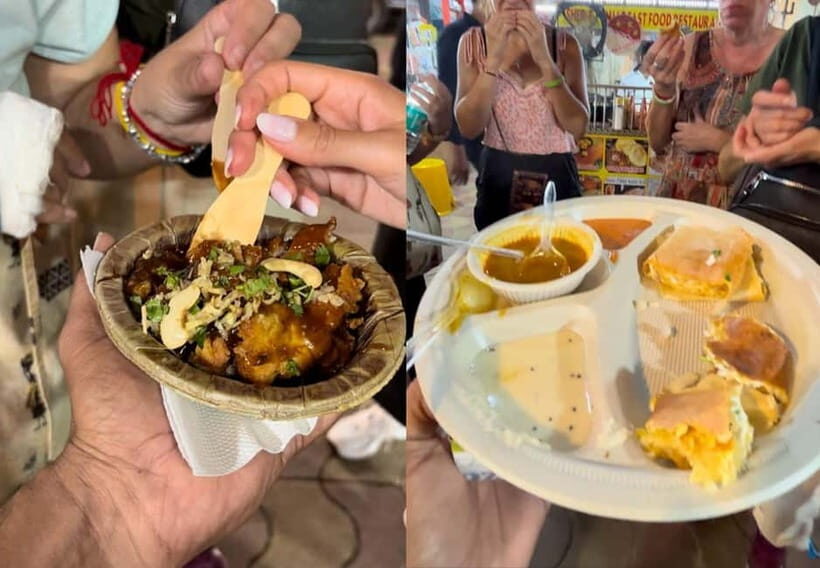
In Seth Gali, you can expect multiple street samples rather than one big dish. Common tastings include samosa, aloo tikki, pani tikki, and several sweets. Depending on the season, you may also find more specific items—one winter example mentioned is gajar ka halwa, which you’re less likely to see in warmer months.
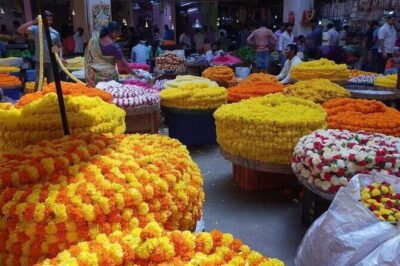
Rawatpara tends to be the spice-forward stop. You’ll see colorful displays, learn what different spices are used for, and then often get another chance to taste something local. Food here is typically paired with chai culture. The tour includes masala tea in a clay pot, which is a nice detail because it changes the flavor and texture compared to bottled or paper-cup tea.
A practical note: this isn’t a gourmet tasting menu. It’s street snacks. If you’re expecting a full sit-down meal, you might leave still hungry. But it can absolutely work as a light dinner or pre-dinner snack run, especially if you keep your expectations aligned.
The Walking Plan: How Much You Really Walk (and How to Prepare)
The tour time is 2–3 hours, but the real question is how your body will feel by hour two. One detail that helps you plan: the walking portion is around 90 minutes total, while the rest is driving and short merchant visits. That means you can’t treat this like an effortless stroll, but it also isn’t an all-day endurance walk.
What to bring is straightforward:
- Comfortable shoes with grip (Old Agra lanes can be uneven)
- Comfortable clothes that let you cover knees and shoulders
Because you’ll be in and around religious spaces, keep your clothing simple and respectful. If you’re wearing something lightweight for summer, just make sure it still covers appropriately. Also, the tour rules don’t allow alcohol or drugs, so plan around that if you’re coming from a late dinner elsewhere.
Traffic in Agra can be chaotic. A good guide matters, and this tour generally has that covered. You’ll be traveling with a tuk-tuk driver used to moving through dense city areas, and your guide helps you stay aware in busy spots. If someone approaches you while you’re browsing, the guide’s job is to keep the moment under control rather than letting you get pulled off route.
Price and Value: Private Guide, Tuk-Tuk, and the Craft-Stop Tradeoff
At about $14 per person, the value is strong if you treat this as a guided circuit through Old Agra. You’re getting:
- Pickup and drop-off from your hotel or a location in Agra
- A private local tour guide
- Tuk-tuk transfer between sections
- Street tastings and sweets, if you selected the food option
Where value can shift is the craft and shopping side. Some stops are essentially “see how it’s made” moments, and then you’re left with sellers who want to talk. That can be totally fine if you like browsing and buying spices, tea blends, jewelry, or textiles. It can also feel like pressure if you prefer a sightseeing-only tour.
One way to stay comfortable: go in knowing you can say no. If you don’t want to buy, you can still enjoy the viewing part and keep your pace with the guide. In practice, guides often balance this with how long they leave you to browse, but the shop-sell dynamic is real in this area.
Also remember: monument entrance tickets are not included. The tour includes guided visits and photo stops, but if a specific entrance fee applies, you’ll be on the hook. If you’re trying to keep costs tight, plan for that.
You can also read our reviews of more food & drink experiences in Agra






Best For Whom, and Who Should Skip It
This tour fits best if you:
- Want to see Old Agra without the stress of navigating market lanes alone
- Like street food, but still want a guide to help you choose and pace tastings
- Want a mix of markets + temples + history context in a short window
- Are pairing this with Taj Mahal and want your day to feel complete
It may be a poor fit if you:
- Have pre-existing medical conditions that make walking or busy traffic difficult
- Are pregnant
- Really dislike crowds, close-quarters markets, or the shop conversation vibe
The tour includes English and Spanish support, and guides tend to keep things interactive and safe while you move through narrow streets.
Should You Book? A Practical Decision Guide
Book it if you want the Agra you can smell and hear: spice lanes, sweet stops, and a guided walk that turns religious architecture into something you can actually understand. The price is hard to beat for a private guide plus tuk-tuk transport plus multiple tastings.
Skip it (or choose a different format) if your ideal food experience is a controlled sit-down meal, or if you strongly dislike shopping/commission-style stops. In that case, you might prefer a pure temple-and-history walk or a more food-only tasting session.
If you do book, come with two mindsets: wear comfortable shoes, and treat the food as sampling, not a full restaurant meal. That combo helps you enjoy every stop without rushing.
FAQ
How long is the Agra street food walking tour?
The duration is listed as 2 to 3 hours.
What does the tour price include?
It includes hotel pickup and drop-off, a private local tour guide, tuk-tuk transfer, and street food snacks and sweets if that option is selected.
Are monument entrance tickets included?
No. Monument entrance tickets are not included.
Do I need to pay for drinks?
Drinks are listed as not included. The itinerary includes tea tastings, but you should still expect that not all beverages are covered.
What time does the tour run?
Suggested start times are between 2 p.m. to 4 p.m. in winter, and 4 p.m. to 6 p.m. in summer.
What language is the guide available in?
The live tour guide is available in English and Spanish.
What should I wear?
Wear clothes that cover your knees and shoulders since you’ll visit a mosque and a temple. Bring comfortable shoes and comfortable clothes.
Is the tour wheelchair-friendly or suitable for everyone?
The tour is listed as not suitable for pregnant women and people with pre-existing medical conditions.
Is there free cancellation?
Yes, you can cancel up to 24 hours in advance for a full refund.