REVIEW · MUMBAI
Mumbai Unseen: Local Train Ride And Sightseeing Tour
Book on Viator →Operated by Young Tours And Travel · Bookable on Viator
Mumbai runs on motion, and you ride it. This is a local-train-meets-streets kind of day, led by guides who grew up in the city and know how to explain what you’re seeing as the crowd moves around you. You’ll spend less time parked in a vehicle and more time out among real Mumbai life—exactly the trade-off that makes this feel less like a checklist.
I especially like the street-first pace and the start with tea/coffee—fresh chai is part of the vibe—and the way guides like Kamlesh and Kirtan can explain things in clear English without turning the day into a lecture. The main drawback is simple: it’s a long, outdoor-feeling route with no lunch included, and the tour notes it needs good weather to run comfortably.
In This Review
- Key highlights
- Why the local train ride feels more Mumbai than monuments
- Price and value: what $77.58 covers (and what it does not)
- Your day with Kamlesh or Kirtan: how the guide approach works
- Dhobi Ghat Open Air Laundry: seeing work, not just sightseeing
- Mani Bhavan Gandhi House and the quieter side of the city
- Hanging Garden, Marine Drive, and the waterfront mood
- Gateway of India and Taj Mahal Palace Hotel: big-city icons at street level
- Mumbai University, High Court, and the rules of everyday life
- Victoria Terminus Station and the local train segment
- Crawford Market: a final hit of local energy
- Practical tips for comfort: time, weather, and shoes
- Should you book Mumbai Unseen?
- FAQ
- How long is the Mumbai Unseen tour?
- What is the price per person?
- Does the tour include pickup?
- Is lunch included?
- What’s included in the tour price?
- Is admission ticketing charged for the tour stops?
- Is the tour private?
- Do I get a mobile ticket?
- Is free cancellation available?
- Does the tour require good weather?
Key highlights
- Local train ride time that gives you the real Mumbai rhythm, not just photos from the sidewalk
- Chai-and-coffee start plus bottled water to keep the morning steady
- Dhobi Ghat and Gandhi House as two very different stops that broaden the city in one day
- Victoria Terminus Station as a natural anchor point for the train portion of the experience
- Private group setup, so your questions and pace stay yours
Why the local train ride feels more Mumbai than monuments
This tour is built around a simple idea: Mumbai makes more sense when you experience how people actually move. The local train ride (paired with a station stop) is the moment where you stop watching Mumbai and start sharing the flow. You get to feel how crowded, fast, and practical travel is here—while staying with a guide who can help you navigate what you’re seeing.
That also affects the rest of the day. Because you’re not stuck in a car for everything, the landmarks start to come with context—street noise, daily routines, and the way big buildings sit next to working neighborhoods. It’s the kind of experience that helps you understand the city as a system, not just a set of big sights.
You can also read our reviews of more tours and experiences in Mumbai.

Price and value: what $77.58 covers (and what it does not)
At $77.58 per person for about 6 to 7 hours, the value is in what you’re getting included. The tour lists an AC vehicle, bottled water, coffee and/or tea, and parking fees, plus pickup offered. It’s also private for your group, which matters in a city like Mumbai where time and logistics can chew through your day.
What’s not included is important: lunch. That means you’ll want a plan for food on your own during the schedule. If you’re the type who hates making decisions mid-tour, you might want to eat before you start or carry light snacks—especially since the day is weather-dependent and you’ll likely spend time outdoors.
Also, the tour lists an admission ticket free note. That’s a good sign for budgeting, since you won’t be hit with surprise ticket costs for the stops on the day’s route.
Your day with Kamlesh or Kirtan: how the guide approach works
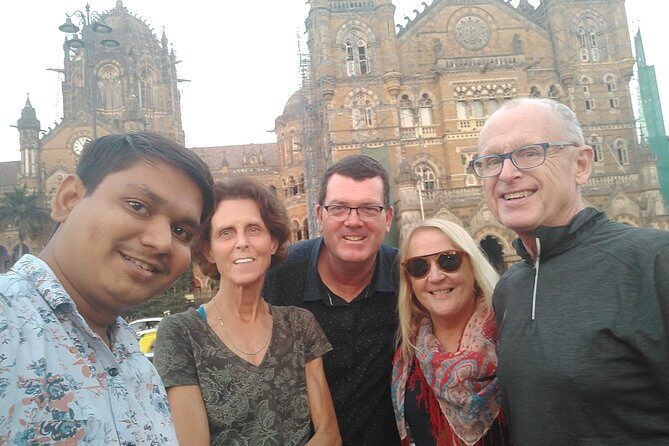
A big part of this experience is the guide style. In the program, you may be guided by people like Kamlesh or Kirtan, and the notes highlight that they speak clear English and explain what’s around you in a way that’s easy to follow. I like tours where the guide helps you understand what you’re looking at, not just the name on a sign.
The other advantage: because the tour is private for your group, you’re not stuck waiting for everyone else to catch up. That makes the pacing feel more natural—especially when you’re moving through busy areas and want the guide to set the tempo.
Dhobi Ghat Open Air Laundry: seeing work, not just sightseeing
Dhobi Ghat is listed as an open-air laundry, and that shape matters. This is the kind of stop where you don’t just look—you observe a working scene. Expect people, activity, and a very “this is how daily life happens” atmosphere.
What I like about including a stop like this is that it balances the day. After you’ve been in the city’s big-stakes sightseeing mode, Dhobi Ghat brings you back to the city as labor, routine, and practical effort. It’s also a visual contrast to the official landmarks later on.
Possible drawback: it’s not the stop where you’ll feel like you’re touring quiet museum rooms. Bring patience and think in terms of watching the work and street energy rather than expecting a controlled, orderly experience.
Mani Bhavan Gandhi House and the quieter side of the city
Mani Bhavan is another standout because it changes the emotional tone of the day. It’s a named place tied to Gandhi House, and the way this stop fits into the route gives you a break from the nonstop motion.
In practical terms, this is where you can slow down for a moment and let the day reset before heading back into the streets. If you like connecting people and place—seeing how landmarks relate to identities and ideas—this stop can add meaning without turning into an all-day lecture.
The only caution I’d give is time management. Stops come as part of a bigger circuit, so keep an eye on how much time you have at each place and don’t get stuck waiting for the perfect photo moment.





Hanging Garden, Marine Drive, and the waterfront mood
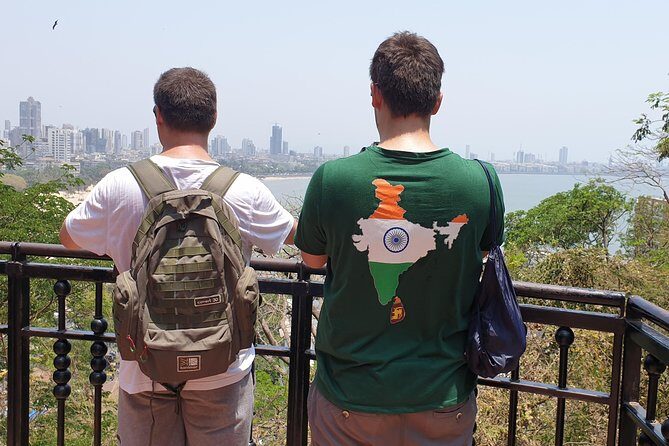
The route includes Hanging Garden and Marine Drive, and together they work as your scenic and breathing-space break. Even if you don’t treat these as major tourist targets, they’re useful because they give your eyes variety. After crowded streets and working scenes, a garden and a famous drive help you reset.
One of the smartest parts of this kind of stop placement is the timing effect. You get a chance to step back from the densest areas while still staying in the same overall neighborhood rhythm. That’s also helpful for mobility: a break where you can walk at a calmer pace and regroup.
Weather matters here too. Since the tour flags good weather as required, you’ll likely enjoy these stops more when visibility is good and the streets are comfortable.
Gateway of India and Taj Mahal Palace Hotel: big-city icons at street level
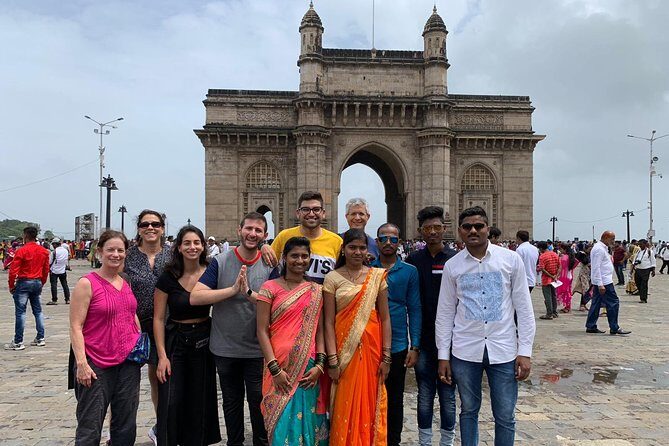
Next up are Gateway of India and Taj Mahal Palace Hotel. These are the kind of landmarks most people recognize, but the value on this tour comes from how you reach them—by moving through the city rather than staging a museum-like visit.
Expect a lot of activity around these stops, plus the feeling that you’re watching Mumbai intersect with visitors, business life, and everyday passersby. This is where the city’s scale becomes obvious: you see the icons, but you also feel the surrounding system that keeps everything moving.
The main consideration is crowd energy. If you prefer wide-open spaces and quiet angles, plan to spend your time looking first, then deciding where you can pause for photos without getting stressed.
Mumbai University, High Court, and the rules of everyday life
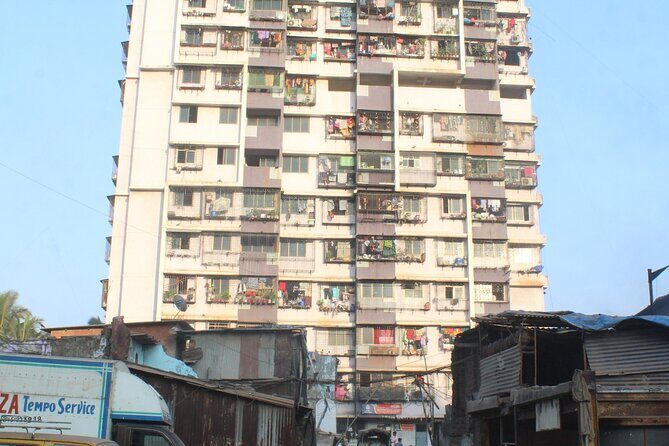
A less flashy but very useful stretch of the day includes Mumbai University and Mumbai High Court. Even without going deep into buildings, these are powerful because they represent the day-to-day institutions that shape how people live and work.
I like that this isn’t just monuments and waterfront. It’s a reminder that Mumbai’s identity is partly built on education and legal systems—plus the practical movement of students, workers, and visitors who pass through these areas.
Possible drawback: these stops can feel more observational than hands-on. If you’re hoping for lots of time inside venues, you may need to temper expectations. This is a streets-and-sights format, not an all-access building tour.
Victoria Terminus Station and the local train segment
Victoria Terminus Station is a clever anchor on this route. It’s not just another landmark name—it connects directly to the day’s local train experience, which is the heart of the tour title.
This is where you get to see the station as a living hub. You’re likely to spend time around it before or as part of the train segment, and that’s where you’ll feel Mumbai’s pace most clearly. The guide’s role matters here: you want someone to help you understand what’s happening around you and how to fit into the flow without confusion.
If you’re the type who enjoys transit as culture, this will be a highlight. If you’re anxious about crowds, give yourself grace—this is why having a guide and a timed plan is valuable.
Crawford Market: a final hit of local energy
The route ends with Crawford Market, and that closing stop is a smart way to land the day. Markets tend to be where you feel the city most directly—colors, movement, and the everyday business of people buying and selling.
As a final stop, it also works because it gives you something sensory to focus on right before you wrap up. If you want to do a little browsing or simply soak in the atmosphere, this is the place to do it.
The only thing to watch is energy level. By the time you reach the market, you’ve already been walking and riding, so wear comfortable shoes and keep your pace realistic.
Practical tips for comfort: time, weather, and shoes
This tour is about active street time, so your comfort choices matter. Start with comfortable footwear since you’ll be walking between stops and spending time outdoors. If you’re sensitive to sun or sudden rain, plan based on the tour’s weather note: it requires good weather, and poor weather can trigger a different date or a refund.
Bring a simple strategy for food since lunch isn’t included. If you know you get hungry quickly, you’ll enjoy the day more with a small plan (like grabbing something on your own during the day rather than waiting until you’re tired).
Lastly, keep your expectations aligned with the format. This is a sightseeing circuit that uses public-city energy and local transport to create understanding. That means you’ll gain a lot of texture, but you won’t treat each stop like a separate deep-dive.
Should you book Mumbai Unseen?
Book it if you want a Mumbai day that feels lived-in, with a local train ride and a route designed for street time rather than mostly car time. It’s especially a good fit when you have enough leisure to spend hours moving, looking, and asking questions.
Skip it if you need lots of indoor museum-style time, or if a long day without lunch included will make you miserable. Also think twice if you’re uncomfortable with crowds, since the experience is built around being near the action—at Dhobi Ghat, along major landmarks, and around station areas.
If you’re aiming for an authentic, practical introduction to how Mumbai works, this tour is a strong value for the included tea/coffee, bottled water, AC vehicle support, and the guide-led city circuit.
FAQ
How long is the Mumbai Unseen tour?
The tour duration is listed as about 6 to 7 hours.
What is the price per person?
The price is $77.58 per person.
Does the tour include pickup?
Yes. Pickup is offered.
Is lunch included?
No, lunch is not included.
What’s included in the tour price?
The tour includes coffee and/or tea, bottled water, an air-conditioned vehicle, and parking fees.
Is admission ticketing charged for the tour stops?
The tour lists admission tickets as free.
Is the tour private?
Yes. It is a private tour/activity, with only your group participating.
Do I get a mobile ticket?
Yes. Mobile ticket is listed as part of the experience.
Is free cancellation available?
Yes. Free cancellation is available up to 24 hours in advance for a full refund.
Does the tour require good weather?
Yes. The tour requires good weather; if it’s canceled due to poor weather, you’ll be offered a different date or a full refund.