REVIEW · MUMBAI
Mumbai Spice Markets and Bazaars Tour with Guide and Transport
Book on Viator →Operated by No Footprints · Bookable on Viator
Mumbai’s spice lanes can feel like a puzzle box. This guided market walk turns the chaos into a clear, fun route through spice blends and classic bazaars like Chor Bazaar and Lalbaug.
I love how the tour makes you understand what you’re seeing and smelling, not just walking past stalls. I also love the pace: you get a focused tour of key places for about 3 to 4 hours, with hotel pickup and drop-off so you’re not fighting Mumbai traffic. One thing to consider is that bazaars are crowded and narrow, so if you dislike close quarters or loud, high-energy shopping areas, you’ll want to go in with patience.
You’ll also get the kind of local guidance that matters in markets. Guides such as Batul, Heer, and Aman Wallia (with driver Abhijeet and trainee Kinjal mentioned with one group) show what to look for, help with shopping, and add quick context so things click fast. The lineup is private—only your group—so you can ask questions without the usual squeeze.
In This Review
- Key things that make this Mumbai tour worth your time
- Why Mumbai’s spice markets are hard to DIY
- Price and logistics: what you’re really paying for at $91
- Chor Bazaar (Thieves Market): the collector’s route, not just a street market
- What you’ll see for about an hour
- The drawback at Chor Bazaar
- Lalbaug Spice Market: chilies by name, spice mixes by personality
- The specific spice detail you should care about
- Spice mixes: where grandma approval comes in
- A realistic consideration
- The rest of the bazaars: why the route isn’t fixed
- What you should expect from these bonus bazaars
- The downside of flexibility
- Shopping with confidence: how guides help you make smarter purchases
- What to buy if you’re new to Indian spices
- Getting around Mumbai smoothly: pickup, private transport, and timing
- Who this tour suits best (and who should skip it)
- Should you book this Mumbai Spice Markets and Bazaars Tour?
- FAQ
- How long is the Mumbai markets tour?
- What stops are included in the tour?
- Is hotel pickup and drop-off included?
- Are admission tickets required for Chor Bazaar and Lalbaug Spice Market?
- Is this tour private?
- Can children join?
- What is the cancellation policy?
Key things that make this Mumbai tour worth your time
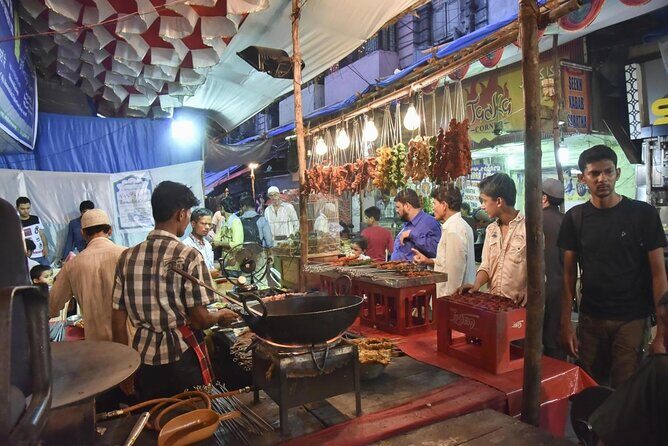
- A private, guide-led route that keeps you from getting lost in the noise
- Chor Bazaar (Thieves Market) for collectors: vintage electronics, film posters, and antique-style finds
- Lalbaug Spice Market with specific chili varieties like Guntur and Kashmiri
- Real shopping support, including help purchasing spices and spice mixes
- Hotel pickup and drop-off, which saves you time and stress in Mumbai
Why Mumbai’s spice markets are hard to DIY
Mumbai spices are famous for a reason. The hard part is that the market experience can hit you all at once: strong smells, fast sellers, tight lanes, and shelves stacked high with powders, blends, and dried goods. Without guidance, it’s easy to buy random items you don’t know how to use—or miss the stalls that locals actually care about.
This tour solves that problem with a simple promise: you’ll walk with a guide who can connect the sensory stuff to real culinary culture. You’re not just collecting bags. You’re learning how Indian cooking gets its flavor backbone from spices and spice blends, and you’ll likely feel more confident shopping as you go.
The other practical benefit is focus. The tour runs about 3 to 4 hours, which is long enough to see more than one place, but short enough that you can still enjoy the rest of your day. For many people, that balance is the sweet spot.
You can also read our reviews of more guided tours in Mumbai



Price and logistics: what you’re really paying for at $91
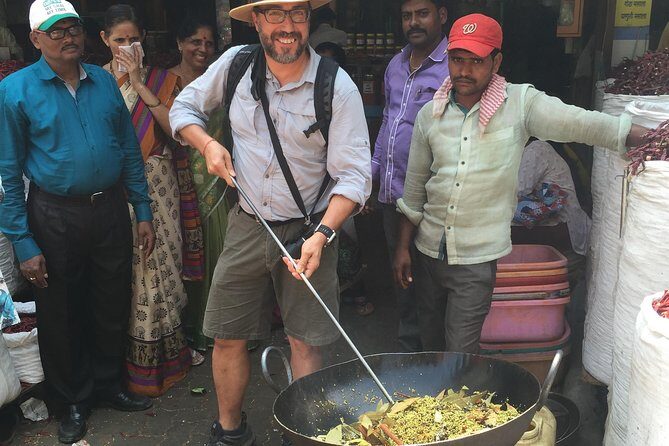
At $91.02 per person, you’re buying more than a market stroll. You’re paying for a professional guide, a driver, and hotel pickup and drop-off—which in Mumbai can be the difference between a smooth half-day and a stressful one.
This format also has value because it’s private. Only your group participates, and the sequence of stops can be handled by the guide based on what makes sense on the day. That matters in markets, where crowds, traffic, and stall availability can change fast.
Two more details that affect value:
- Admission tickets are free for both Chor Bazaar and Lalbaug Spice Market in the itinerary items listed.
- The tour includes local taxes and GST, so you’re not chasing extra line items at the end.
Possible consideration: pickup from Mumbai Suburban hotels may have an additional transport cost, depending on where you’re staying. If your hotel is outside the standard pickup zone, check before you go so you don’t get surprised.
Chor Bazaar (Thieves Market): the collector’s route, not just a street market
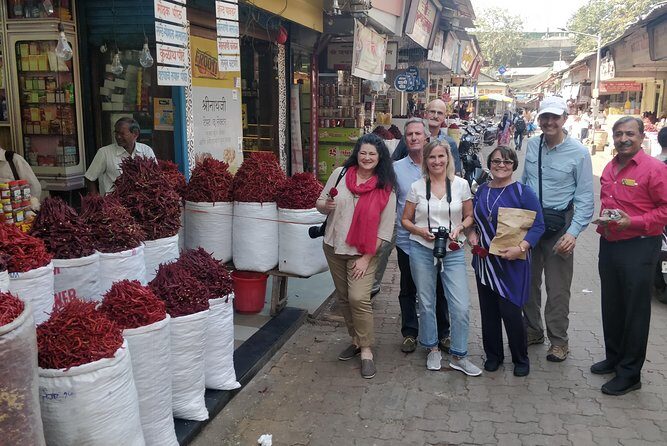
Chor Bazaar literally means Thieves Market, and it has an origin story that’s half humor, half history. It was born out of Shor Bazaar—used to mean a noisy bazaar—then became associated with mechanics and repair garages. That background matters, because it helps explain the vibe you get when you walk in: this isn’t only about spice culture. It’s also about Mumbai’s scavenger-collector tradition—people hunting for old, unusual, and hard-to-find items.
What you’ll see for about an hour
Chor Bazaar is a strong stop if you like browsing with your eyes open and not rushing. The kind of finds people look for here include:
- Furniture from the Raj era
- Rare electronics like vintage gramophones
- Out-of-print LPs
- Hand-made film posters
That list alone tells you the “type” of browsing this market supports. If you’re the kind of traveler who enjoys antiques, retro tech, and paper ephemera, this is a great match. You’ll probably enjoy the thrill of spotting something that feels like it has a story.
The drawback at Chor Bazaar
If your goal is purely spices and edible shopping, Chor Bazaar can feel like a detour. It’s still interesting, but it’s more collector-focused than culinary-focused. I’d think of it as a contrast stop—Mumbai’s spice identity side-by-side with its old-world repair-and-hunt culture.



Lalbaug Spice Market: chilies by name, spice mixes by personality
Then you shift gears to the reason you came: Lalbaug Spice Market. This part feels more immediate because you’re hit with the visual intensity of spices—piles, jars, and powders—plus the smell that starts in the air and moves into your clothes. The guide’s role here is important because spice markets can be overwhelming fast.
The specific spice detail you should care about
One standout thing about this market is that it’s connected to chili varieties people actually name. You’ll see types like:
- Guntur
- Bedki
- Reshampatti
- Kashmiri
This matters because chili isn’t one thing. Heat, color, and flavor vary by variety, and that variety naming is part of how cooks talk about spices. Even if you don’t buy everything, hearing those names and seeing the products helps you shop with more intent.
Spice mixes: where grandma approval comes in
Lalbaug isn’t only about single chilies. It’s also home to spice mixes—blends that many cooks use as shortcuts to flavor. If you like the idea of bringing home items that translate into real meals, mixes are often the easiest win. Instead of learning every single component, you can start with a blend built for a purpose.
A realistic consideration
Because the tour is about shopping and sensory experience, don’t expect a calm, museum-like vibe. Lalbaug is active and sales-focused. If you’re sensitive to strong odors or get overwhelmed by lots of choices, go slow, ask the guide for direction, and set a simple shopping goal for yourself (for example, one chili variety and one spice mix).
The rest of the bazaars: why the route isn’t fixed

After Chor Bazaar and Lalbaug Spice Market, the tour continues to a handful of eclectic bazaars. What’s nice is that the sequence is at the discretion of the guide on the ground. That’s not a small detail—it’s how you avoid wasted time.
Markets don’t behave like clockwork. One lane might be too crowded, a stall might be temporarily closed, or the guide might know the best order based on what you’re most interested in. So instead of you improvising, the guide handles the flow.
What you should expect from these bonus bazaars
You should expect more color, more stalls, and more chances to spot Mumbai’s everyday shopping culture. The tour framing is clear: these are the kinds of places many visitors pass right by—so your guide is acting like a filter, steering you toward what’s most worth your attention.
The downside of flexibility
The trade-off is that you can’t treat the remaining stops like a guaranteed checklist beyond the two main markets. If you have zero interest in non-spice antiques or general bazaar browsing, that flexibility may feel less controlled. But if you like spontaneous browsing guided by someone local, it’s a plus.
Shopping with confidence: how guides help you make smarter purchases
This is one of the most praised parts of the experience, and it’s also the most practical. A spice market can tempt you into random buying. A good guide helps you avoid that by making shopping feel like a conversation.
Here’s how I’d use the guide time effectively:
- Start with a simple target: one chili type and one spice mix to try at home.
- Pay attention to what the guide points out as authentic or important, rather than only what’s most heavily displayed.
- Ask for help choosing based on what you cook, not what sounds exciting.
In one group, the guide energy stood out as friendly and engaging, with a relaxed pace that made the whole thing feel like a market lesson you actually enjoy. That matters because the “fun” part of shopping is often the easiest to lose when you rush.
Also, if you love history-by-the-stall, guides like Heer are known for adding local context while still keeping things practical—so you understand why certain items show up where they do.
What to buy if you’re new to Indian spices
If you’re starting from scratch, you don’t need a pantry overhaul. A spice mix plus one chili variety is a beginner-friendly combo. Spice mixes can be versatile, and chili variety names help you learn the language of heat and flavor.
Getting around Mumbai smoothly: pickup, private transport, and timing
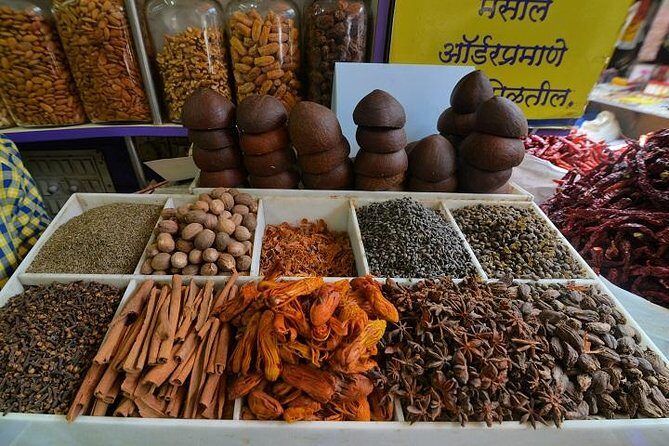
You’ll want to take full advantage of the logistics here. The tour includes hotel pickup and drop-off, plus transport by private vehicle. In Mumbai, that’s not just comfort—it’s time.
The tour is designed as a half-day-ish outing, about 3 to 4 hours. That window is long enough to see the key spice market and Chor Bazaar, and short enough that you won’t feel like you lost your whole day to transit.
One more small but important detail: the tour can be cancelled based on the provider’s discretion, and you’ll be informed in advance if that happens. It’s also free to cancel up to 24 hours in advance for a full refund—so if your schedule is tight, you’re not locked in.
Who this tour suits best (and who should skip it)
This tour is a strong fit if you:
- Want Mumbai spice shopping with a guide who can explain what you’re looking at
- Enjoy markets but get overwhelmed easily without direction
- Like a bit of variety, since it includes Chor Bazaar along with the spice stop
- Prefer a private format so you can ask questions freely
It may be less ideal if:
- You want only one focused spice market experience and nothing else
- You dislike crowded lanes and active sales energy
- You’re extremely sensitive to strong spice smells
If you’re the type who loves to browse with purpose—then come home with items that actually make sense in your cooking—this tour matches that mindset really well.
Should you book this Mumbai Spice Markets and Bazaars Tour?
Book it if you want a guided, sensory, shopping-ready market experience without the stress of figuring everything out yourself. The biggest reason is simple: the guide support turns spice shopping from random to informed. Chor Bazaar adds a fun collector angle, so you get more than a one-note market.
Skip it if you’re only interested in a quiet, low-stimulus walk or if you want a single-spice-market-only itinerary. Also, keep in mind that Chor Bazaar is more antique/collector-oriented than food-focused, so plan your expectations.
If you’re traveling in a group, you’ll likely like the private format even more, since you can move at a pace that suits your crew. And if your schedule is flexible, the free cancellation window helps you stay calm.
In short: this is a smart value choice for people who want to leave Mumbai with spices they understand—not just bags of powders that sit in the cupboard.
FAQ
How long is the Mumbai markets tour?
It’s about 3 to 4 hours.
What stops are included in the tour?
You’ll visit Chor Bazaar and the Lalbaug Spice Market, plus a handful of additional bazaars.
Is hotel pickup and drop-off included?
Yes, hotel pickup and drop-off are included.
Are admission tickets required for Chor Bazaar and Lalbaug Spice Market?
The itinerary items list admission as free for both Chor Bazaar and Lalbaug Spice Market.
Is this tour private?
Yes. It’s private, and only your group participates.
Can children join?
Children age 9 and below can do the tour free of cost.
What is the cancellation policy?
You can cancel up to 24 hours in advance for a full refund. Changes made less than 24 hours before the start time aren’t accepted.