REVIEW · MUMBAI
Mumbai Sightseeing with Dharavi Slum
Book on Viator →Operated by Dynamic Mumbai · Bookable on Viator
Mumbai can feel like two cities stitched together. This tour strings together famous colonial sights, working-city spots, and a guided walk through Dharavi that stays practical and human. You’ll also cover major icons like Gateway of India and Chhatrapati Shivaji Terminus (CST) without turning the day into a checklist chore.
I like how the route mixes monuments you can photograph with places where you’ll actually see how people live and work. I also like that your guide—often Nikesh (Nick/Nik)—leans into clear explanations and a calm, respectful tone, which matters a lot on a Dharavi slum tour. One drawback: the day includes some walking and the content can be emotionally heavy, so you’ll want to come in with the right mindset.
In This Review
- Key Highlights I’d Plan Around
- How This Mumbai Route Earns Its Six Hours
- Gateway of India, Taj Hotel, and the Story Behind the Facade
- Rajabai to Watson’s Hotel Ruins: Colonial Mumbai With Real Names
- CST (Victoria Terminus) and Why This Station Feels Like a Monument
- Gandhi at Mani Bhavan: The Human Scale of a Museum Stop
- Dhobi Ghat and Kamala Nehru Park: Mumbai’s Daily Life on Display
- Hanging Gardens and the Tower of Silence Area
- Walking Through Dharavi: What a Local Guide Can Change
- Timing, Transport, and the Little Things That Make It Easier
- Value Check: Does This $250 Group Price Make Sense?
- Who Should Book This (and Who Might Skip It)
- Should You Book Mumbai Sightseeing With Dharavi Slum?
- FAQ
- How long is the tour?
- What’s the price and group size?
- Is pickup included, and where do we meet?
- Is this a private tour?
- Is lunch included?
- Are admission tickets included for the stops?
- Can I get a full refund if I cancel?
Key Highlights I’d Plan Around
- A sustained Dharavi walk focused on how people work and live, led by Nikesh (Nick/Nik)
- UNESCO CST (Victoria Terminus) with included admission time
- Mani Bhavan Gandhi Museum, where you learn what Gandhi’s 17 years in Mumbai meant (1917–1934)
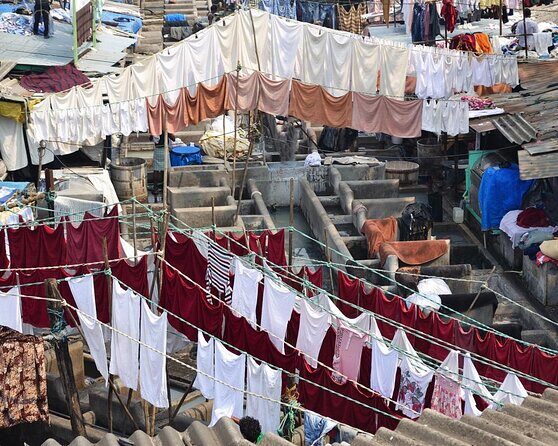
- Dhobi Ghat, described as the world’s largest open-air laundry—busy, visible, and real
- Colonial-era stops in a tight loop, including British heritage buildings and waterfront views
How This Mumbai Route Earns Its Six Hours
This isn’t just a city-drive with stops that feel rushed. The schedule is built around two big ideas: Mumbai’s past (British-era architecture and grand institutions) and Mumbai’s present (where work happens, daily, in public). You’ll start with a Dharavi walk, then swing back through landmark Mumbai—so you don’t spend the day only on pretty buildings.
The value comes from the mix of what’s included versus what’s optional at the gate. Your ride is air-conditioned, and all fees and taxes are handled. Some admission tickets are included (like CST and Mani Bhavan), while other stops are listed as free—so you’re not constantly solving ticket puzzles mid-trip.
There’s also a useful rhythm here. Even when you’re in car-and-drive mode, you get specific references to what you’re seeing—like Rajabai Clock Towers often called Big Ben of India, or the cricket ground that locals treat like national religion. That makes the city easier to read once you’re on your own after the tour.
You can also read our reviews of more tours and experiences in Mumbai.


Gateway of India, Taj Hotel, and the Story Behind the Facade
The tour includes a short, direct hit at Gateway of India, paired with the nearby Taj Mahal Palace Hotel. These sit shoulder-to-shoulder, so you get the “arrivals and empires” vibe fast—how this waterfront became a stage for visitors, power, and ceremony.
A practical tip: treat the stop as a photo-and-orientation moment. Gateway of India is one of those places where you’ll understand Mumbai’s geography the second you see it. From there, the city reads like a waterfront map: the buildings, the road, and the direction of older neighborhoods.
If you’re the kind of traveler who likes context, this stop helps. The tour describes the Gateway as built to welcome King George V and Queen Mary into India. That one detail turns a famous viewpoint into a historical cue, not just a skyline postcard.
Rajabai to Watson’s Hotel Ruins: Colonial Mumbai With Real Names

Your sightseeing isn’t limited to one block. You’ll also get the “British heritage building” story in motion: Mumbai University (built in 1857), the Rajabai Clock Towers, and Bombay High Court. These aren’t abstract monuments. They’re specific institutions—schools, courts, and clock towers—that show how the city was shaped during the British period.
Then comes Watson’s Hotel ruins, a stop explained through a backstory: Tata was refused entry there, so he built the Taj Mahal Hotel. Even if you don’t love trivia, you’ll feel the cause-and-effect. Mumbai’s famous hotels aren’t just luxury—they’re tied to status, access, and the way business leaders fought for space.
Two more culture cues are included through the route:
- Oval Cricket Ground, called the place where India’s most beloved sport is played
- Marine Drive and Chowpatty beach, passed while you move between major points
This is one of the tour’s strengths: it doesn’t treat Mumbai’s identity as one “theme.” It treats it as layered. You’ll feel the contrast between elite institutions and everyday street life in the same six-hour window.
CST (Victoria Terminus) and Why This Station Feels Like a Monument

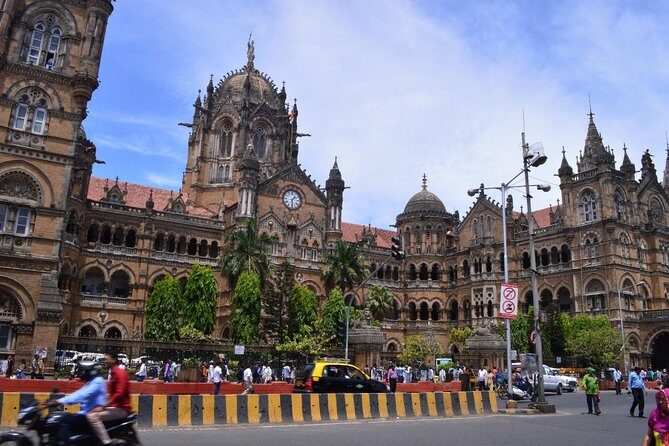
Chhatrapati Shivaji Terminus (CST) is on the schedule with included admission time, and it’s listed as a UNESCO World Heritage site. If you’ve ever wondered why certain train stations make you slow down and look up, CST is built for that.
In practice, CST works well in the itinerary because it’s a “stand still” stop inside a moving day. You can step in, take it all in, and re-center your attention. And because it’s UNESCO-listed, you’re not guessing why it matters—you can actually point to the reason.
If you’re travel-curious about cities, remember this: stations are often where a city’s energy concentrates. CST is one of the strongest examples of that in Mumbai.
Gandhi at Mani Bhavan: The Human Scale of a Museum Stop
You also visit Mani Bhavan Gandhi Museum for about 30 minutes with admission included. The tour highlights a specific fact that’s worth holding onto: Gandhi lived here for 17 years, from 1917 to 1934.
That detail changes how you walk through the museum. Instead of seeing it as a stop that happens to be related to Gandhi, you experience it as a place that was actually lived-in—work space, decision space, and residence over a long stretch of time.
This is a solid balance point in the day. After architecture and waterfront landmarks, Mani Bhavan brings you back to a person and a timeline. If you like your travel history grounded in what real lives looked like, this stop earns its place.





Dhobi Ghat and Kamala Nehru Park: Mumbai’s Daily Life on Display
Next up is the working-city side, starting with Dhobi Ghat, described as the world’s largest open-air laundry. You’ll spend about 20 minutes here, and admission is listed as free.
The key thing to understand before you go: Dhobi Ghat isn’t a museum of laundry. It’s laundry. Clothes are washed in full view of public, which means you’ll see routines, movement, and the practical rhythm of daily work.
A quick mindset note: stay respectful and keep your camera use in check. Your guide is there to explain what you’re seeing and to help you interact appropriately, but the space itself is active and real.
The route also includes Kamala Nehru Park for skyline views plus the famous Old woman’s shoe viewpoint. That gives you a breather between heavier content. You get a high perspective on Mumbai’s layout, with the kind of skyline frame that helps you orient yourself.
Hanging Gardens and the Tower of Silence Area
You’ll also pass by Hanging Gardens, described as gardens built on top of water tanks near the Tower of Silence, tied to Parsi burial traditions. This is one of those stops where the details matter: the tour’s description connects a scenic viewpoint with why the location exists in the first place.
Even if you’re not deeply familiar with Parsi culture, you’ll likely appreciate this as a perspective stop—one that reminds you Mumbai’s “pretty parks” often sit above infrastructure and cultural spaces with long local meaning.
If you’re sensitive to religious and cultural sites, keep your tone quiet and follow the guide’s lead. The tour includes enough context to help you see what you’re looking at.
Walking Through Dharavi: What a Local Guide Can Change
The heart of the tour is your walk through Dharavi, with a guide to show how people work and live in one of the largest slum areas in Asia. The tour lists two hours here, and the admission ticket is free.
This is where the guide quality matters most. Several notes point to Nikesh (Nick/Nik) as the kind of guide who lives the local perspective—not just talks about it. The way that shows up is usually simple: you don’t feel like you’re being herded through staged scenes. You get explanations that help you understand daily routines and the logic behind what you’re seeing.
What should you expect during the walk?
- You’ll see working life up close: how people organize labor and make a livelihood
- You’ll also see living life: the human side of a place often reduced to headlines
- The guide should help you connect what you’re watching to a bigger picture without turning it into a lecture
One important consideration: Dharavi is emotionally intense. Even if you’re prepared, it can still hit you. If you’re traveling with someone who prefers light, low-stress sightseeing only, you might want to think twice or plan a buffer afterward.
A small practical idea: bring a neutral, respectful attitude and be ready for questions (from you or the guide). The tour is designed as conversation and walking—not just standing and staring.
Timing, Transport, and the Little Things That Make It Easier
The tour runs about 6 hours. It’s priced at $250 per group (up to 3 people), and it’s commonly booked about 24 days in advance on average. That means you may want to lock in dates sooner rather than later, especially if you’re traveling around a busy season or on a cruise schedule.
Pickup is offered, and the day starts at Café Coffee Day, Unit No. 58, Ground Floor, Ram Mahal Building, Senapati Bapat Marg, near the Station area in Mahim (Mumbai, Maharashtra 400016). The activity ends back at the meeting point.
What to know about comfort:
- You’re in an air-conditioned vehicle, which is a big deal in Mumbai heat
- The itinerary includes walking time at multiple points (not just a single quick stop)
- Lunch is not included, so plan for food either before or after your tour window
If you want the day to feel smoother, go with comfortable shoes and keep water accessible. The tour includes key viewpoints and museum time, so you’ll want to be ready to move between car rides and short walks without getting wiped out.
Value Check: Does This $250 Group Price Make Sense?
For up to 3 people, $250 works out to roughly $83 per person, assuming you book as a small group. That pricing makes this more appealing if you’re traveling with a partner or small friend group, because it spreads the private guide/vehicle cost.
The included pieces also matter:
- Air-conditioned vehicle
- All fees and taxes
- Included admission for CST and Mani Bhavan
- Dharavi and Dhobi Ghat listed as free admission stops
- Other sightseeing stops are described as quick and included in the route
If you’re thinking of booking this solo, it can still be worth it if you value a guide who can handle sensitive content with care. But if you’re purely budget-focused and only want big landmarks, you might find cheaper options. This one is about a guided, structured day with real-world context.
Who Should Book This (and Who Might Skip It)
This tour is a strong fit if you:
- Want both famous Mumbai landmarks and everyday-city places
- Prefer a guide who can explain what you’re seeing clearly (and do it respectfully in sensitive areas)
- Like a tight route that covers multiple “Mumbai moods” in one day
It might not be the best fit if you:
- Want only relaxed sightseeing with light content
- Don’t enjoy walking or prefer a very long sit-down style tour
- Need an itinerary with lunch built in (since lunch is not included)
Should You Book Mumbai Sightseeing With Dharavi Slum?
Yes, if you want Mumbai with context. The combination of colonial landmarks, CST, Gandhi at Mani Bhavan, Dhobi Ghat, and a focused walk through Dharavi gives you a fuller picture than a standard landmark loop.
I’d book it sooner if you can, because this kind of private, structured experience is often reserved ahead of time. And if you’re choosing between “only monuments” versus “monuments plus real local life,” pick the second. You’ll leave with a city that feels more specific, not just more famous.
FAQ
How long is the tour?
The tour duration is about 6 hours.
What’s the price and group size?
It’s $250.00 per group for up to 3 people.
Is pickup included, and where do we meet?
Pickup is offered. The meeting point is Café Coffee Day, Unit No. 58, Ground Floor, Ram Mahal Building, Senapati Bapat Marg, Mahim, Mumbai, and the tour ends back at the meeting point.
Is this a private tour?
Yes. It’s a private tour/activity, and only your group participates.
Is lunch included?
No, lunch is not included.
Are admission tickets included for the stops?
Admission is included for Chhatrapati Shivaji Terminus (CST) and Mani Bhavan Gandhi Museum. Dharavi, Gateway of India, and Dhobi Ghat are listed as free admission stops.
Can I get a full refund if I cancel?
Yes. You can cancel up to 24 hours in advance for a full refund.