REVIEW · MUMBAI
Mumbai: Private Kanheri Caves Guided Tour
Book on GetYourGuide →Operated by Beautiful Bombay Tours · Bookable on GetYourGuide
Caves in Mumbai feel like time travel. This private Kanheri Caves visit is interesting because you’re tucked into Sanjay Gandhi National Park, yet you’re looking at Buddhist rock-cut work from the 1st century. I really liked the chance to focus on key spots with a guide, especially the towering Buddha hall and the eleven-headed Avalokiteshwara, and I loved seeing the 100+ inscriptions in different scripts in context. The main drawback to plan for is crowds on busy calendar days, when entry queues can eat up your time.
You start with a hotel pickup in an air-conditioned car, then spend a good chunk of the day walking and pausing where it matters. Guides like Nikhil, Sunil, and Sahil are part of the appeal here: they connect the carvings, meditation cells, and script clues into a story you can follow without needing a textbook.
In This Review
- Key highlights worth your time
- Getting to Kanheri Caves from Mumbai (and why the drive matters)
- What you’ll actually see: 109 caves, with five guided stops
- Buddha hall, pillars, and Avalokiteshwara: the “wow” details that stick
- Inscriptions in multiple scripts: how you turn stone into readable history
- Chaityas vs viharas: the spiritual logic behind the architecture
- Timing, queues, and how to plan the 2.5–5 hour day
- Price and value: what $21 buys you, and what it doesn’t
- Choosing the right guide and walking pace for Kanheri
- Who this Kanheri Caves private tour is best for
- Should you book this Kanheri Caves guided tour?
- FAQ
- Where do I meet the guide for the Kanheri Caves tour?
- How long is the private Kanheri Caves guided tour?
- Does the tour include hotel pickup and drop-off?
- Are entry tickets included in the price?
- Is there an English-speaking guide?
- What should I bring for the visit?
- Can I cancel and get a full refund?
Key highlights worth your time
- Hotel pickup plus A/C comfort so you start the day fresh, not frazzled
- Five major caves guided while you still get time to wander on your own
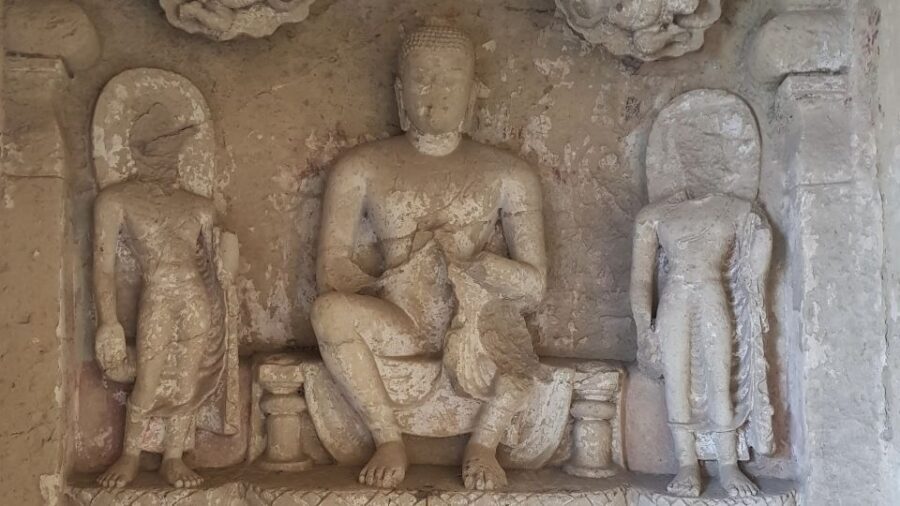
- Buddha hall details like the 7-meter figure and 34 carved pillars
- Eleven-headed Avalokiteshwara as a standout visual anchor
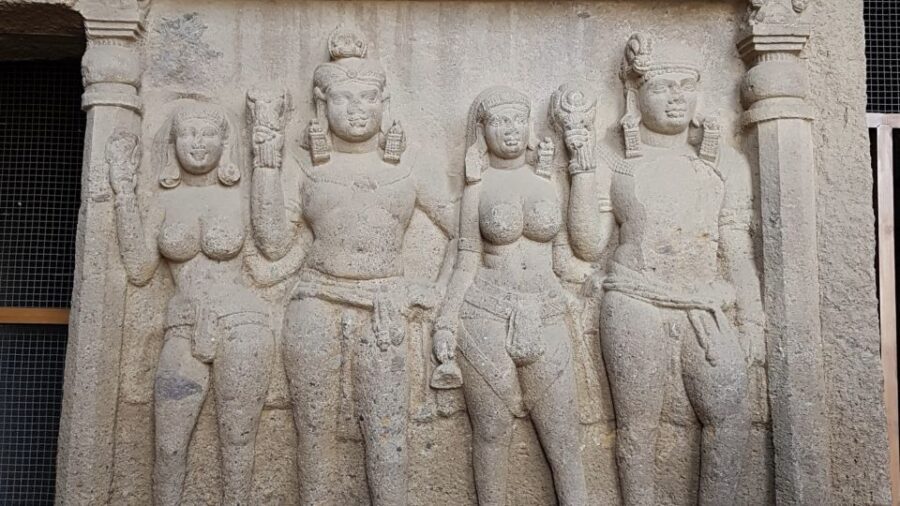
- Inscriptions across scripts including Brahmi, Devnagri, Pallavi, and Sanskrit
- Meditation cells that feel used, not just looked at
Getting to Kanheri Caves from Mumbai (and why the drive matters)
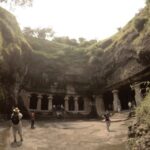
Kanheri Caves sit inside Sanjay Gandhi National Park, far enough from central Mumbai that the change of pace is real. The drive is about 1 to 1.5 hours depending on where your hotel is and traffic, and that time can either feel like wasted transit or part of the day, depending on comfort. Here, the tour uses an air-conditioned car, so you can treat the ride like a reset button.
Before you even see the caves, you’ll meet your guide near the park entrance, by the ticket counter. From there, there’s a short ride before you start exploring the cave area, and then it’s walking and looking. This matters because Kanheri isn’t a “stand in one spot” kind of site. You’ll want your energy for stairs, uneven stone, and the simple act of taking your time with carvings.
A practical tip: wear comfortable shoes you trust on rock floors and steps. Even if you’re not a hardcore walker, you’ll be moving enough that flip-flops are a bad idea.
You can also read our reviews of more guided tours in Mumbai


What you’ll actually see: 109 caves, with five guided stops
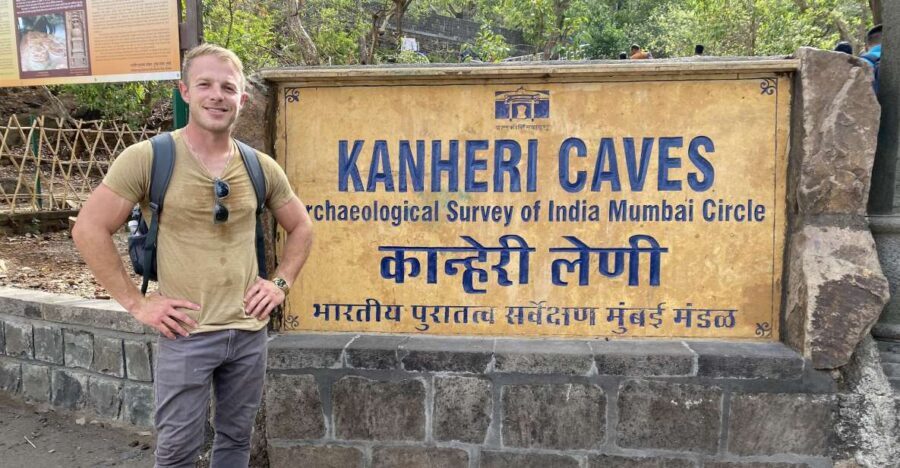
Kanheri is not one cave. It’s a full complex—109 caves carved out of a massive basalt rock outcrop. That’s exactly why a private guide helps. If you show up with no structure, you can spend hours spinning your wheels, looking at a lot of stone and learning very little. With this tour, your guide leads you through five of the most significant caves, then you get extra time to roam.
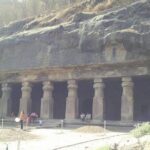
Here’s how the caves are generally organized. The smaller caves, called viharas, were resting places for monks. The larger caves, called chaityas, are more worship-oriented and have more elaborate sculptural decoration. As you move between these spaces, you start to feel the purpose behind the architecture, not just the craftsmanship.
Two big visual “anchors” help you orient fast:
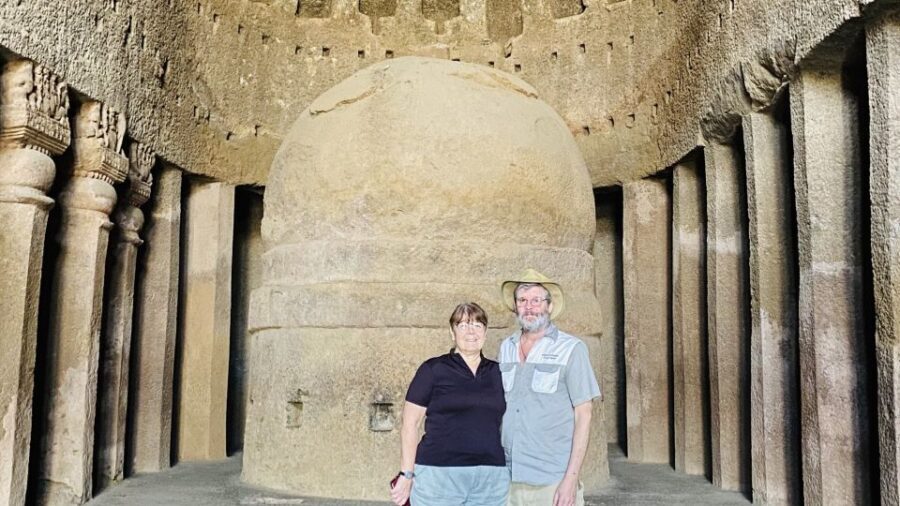
- Inside the main hall, there’s a 7-meter-high Buddha figure, with a colonnade of 34 carved pillars around it.
- One distinctive feature you should look for is the eleven-headed Avalokiteshwara, a detail that makes Kanheri feel specific and alive rather than generic Buddhist stonework.
Also, remember what you’re seeing comes from a long span of history. The complex developed over time, but the tour focuses your attention on the most meaningful pieces so you leave with something you can actually explain to friends.
Buddha hall, pillars, and Avalokiteshwara: the “wow” details that stick
The most unforgettable part for many people is the main hall—mostly because scale is hard to fake. A 7-meter Buddha doesn’t let you stay casual. When you stand in that space, your brain naturally starts connecting size, ritual, and community. The guide’s job is to help you see what’s going on around the statue, not just stare at it for a quick photo.
The 34 pillars around the hall matter because they frame the central figure like a built-in perspective tool. Instead of scattered decoration, you get a sense of order: the space is designed for attention and movement. If you’ve ever walked through a museum and felt the labels weren’t enough, you’ll appreciate how a guide ties the layout to the way people used the space.
Then there’s Avalokiteshwara. The eleven-headed form is the kind of detail that stops you mid-step. It’s not just decoration; it’s a message carved into stone. With a guide, you don’t just notice the heads—you understand what that figure represents and why it appears in Buddhist art. That’s where your “wow” moment turns into real meaning.
If you’re choosing this tour because you like seeing iconic features, this is one of the strongest options. You’ll get the big moments without losing the thread to information overload.
Inscriptions in multiple scripts: how you turn stone into readable history
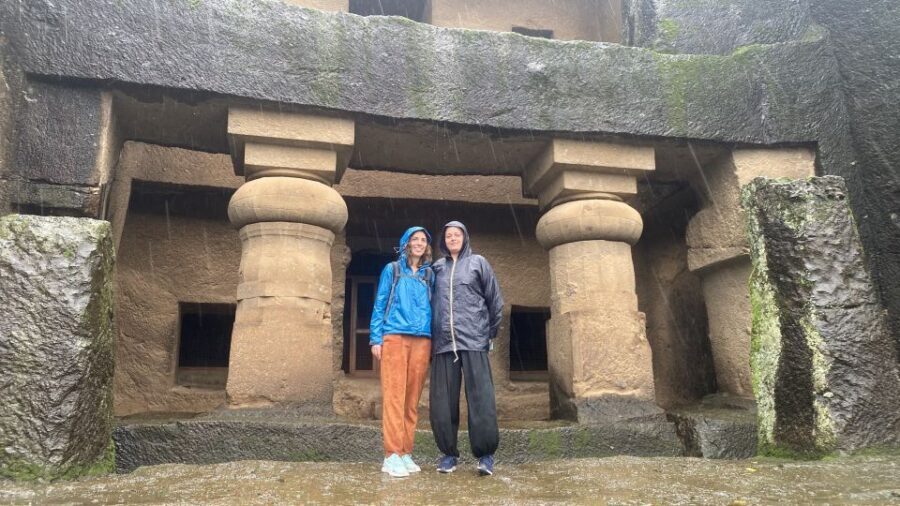
One of Kanheri’s most practical gifts is that it’s not only about sculptures. There are about 100 inscriptions across different scripts, and they’re a big part of why the caves feel historically grounded.
Your guide will point out inscriptions that use scripts such as:
- Brahmi
- Devnagri
- Pallavi
- Sanskrit
You don’t need to be able to read these scripts to benefit. The value is in context: what the inscriptions likely recorded, why multiple scripts show up, and how language shifts tell you something about the people using the site. Think of it like learning to read the captions, even if you can’t translate every word.
This is also where good guidance pays off. Guides like Nikhil and Sahil (based on past guests’ notes) are particularly good at connecting the inscriptions to everyday use of the caves. That means you’re not just watching symbols appear on rock; you’re seeing them as part of communication, teaching, and community memory.
If inscriptions are your thing, this tour is a better fit than a quick, generic pass through the complex.
Chaityas vs viharas: the spiritual logic behind the architecture
It’s easy to treat Buddhist caves as “pretty stone rooms.” Kanheri is harder to reduce that way because the space categories actually show you daily life.
In viharas (resting places), you can look for the parts of the cave that suggest how monks lived—where people might have sat, rested, or moved. In chaityas (worship spaces), the decoration tends to push you toward ritual and reverence.
What I like about the tour approach is that it doesn’t only show you what the caves look like. It helps you connect the design to the routine. The highlights include the serene meditation cells, which are especially revealing. They help you picture a day not as a vague concept, but as a sequence: quiet practice, shared spaces, then worship and teaching.
This is also where your pace matters. If you rush through, you’ll miss the subtle feeling of the rooms. Take your time in the meditation areas. Even 5 quiet minutes gives your eyes time to settle and your brain to switch gears from city mode to site mode.
You can also read our reviews of more private tours in Mumbai




Timing, queues, and how to plan the 2.5–5 hour day
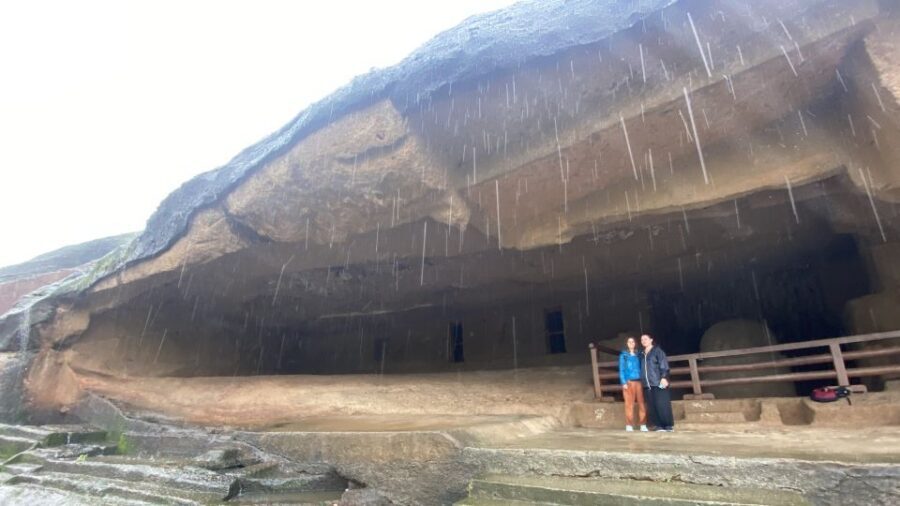
This is not a 45-minute stop on a checklist. The total time range is 2.5 to 5 hours, with around 3 hours spent on the guided sightseeing and walking portion. You’ll also get some free time after the main guided stops to wander at your own pace.
That free time is useful, but it depends on entry flow. On busy days—especially 1 January—you should plan for long queues that can seriously slow entry into the park. My advice is simple: if your travel dates include a major holiday, don’t assume you’ll walk in right away. Build slack into your day so you can still enjoy the cave time instead of standing in line thinking about your next meal.
A small logistics note: the meeting point is inside the park entrance area near the ticket counter. If you arrive late, the tour can’t magically speed up traffic or crowds. Aim to be ready at pickup time and keep your phone charged for the walk to the correct entrance.
Finally, bring patience. This is a popular Mumbai outing because it’s historical, close-ish, and unusual. When it’s crowded, the site becomes louder and less quiet. When it’s calmer, Kanheri can feel surprisingly reflective.
Price and value: what $21 buys you, and what it doesn’t
At about $21 per person, this tour is priced like a smart add-on to a Mumbai itinerary. The best part is what’s included. You’re getting hotel pickup and drop-off, an English-speaking guide, and an air-conditioned car.
That combination saves energy. In a city like Mumbai, transit planning can eat time fast. Here, you hand that stress to the tour operator and spend your mental bandwidth on the caves. And because the tour focuses on multiple high-value features—Buddha hall, Avalokiteshwara, inscriptions, and meditation spaces—your guide’s commentary is doing real work for you.
What’s not included is important for budgeting:
- Entry tickets (approx INR 500)
- Food and drinks
So you should think of the headline price as the guided-transport bundle. Add the entry ticket cost to get your true total. Even with that, the value remains solid if you care about understanding what you’re seeing. If you just want the bare minimum photo, you might question the guide. But if you want meaning—especially around inscriptions and spiritual design—the cost is easier to justify.
Choosing the right guide and walking pace for Kanheri
One of the most telling details from past visitors is how guides bring the site to life. People specifically praised guides such as Nikhil, Sunil, and Sahil for being friendly, engaging, and good at sharing context tied to the caves’ origins and functions.
That matters because Kanheri can be visually impressive but intellectually confusing if you don’t know where to look. A good guide helps you avoid the common trap: seeing everything as “cool” without learning anything you can remember next week.
As for pacing, keep one thing in mind: a cave visit is still a walk-heavy day. Plan for steps and slow movement. If you tend to get tired, prioritize the main hall first and then take your time in meditation areas. The tour structure works well for that because you have guided stops plus optional wandering.
Who this Kanheri Caves private tour is best for
This tour is a strong fit if you:
- Want a guided intro to Buddhist rock-cut art without spending your whole day researching
- Like seeing details you can’t easily interpret alone, like multiple-script inscriptions
- Prefer the comfort of A/C pickup and drop-off and a clear plan
- Are short on time and still want the major stops rather than an aimless walk
It also suits first-time visitors who want a day that feels like a real change from city life. And because it’s private (private group available), it can work well if you want more conversation and a pace that fits your group.
If you’re traveling with kids, friends who aren’t too into history, or anyone who needs frequent breaks, the guide can help you decide where to spend time. (No miracles here—Kanheri still involves walking—but the interpretation can keep interest high.)
Should you book this Kanheri Caves guided tour?
I’d book it if you want your Kanheri visit to feel like more than stone sightseeing. The combination of hotel pickup, English guidance, and focused access to key caves is what makes the day worth it. At around $21, it’s also a reasonable way to buy clarity—especially around the inscriptions and the difference between chaityas and viharas.
I would hesitate only if your travel dates are extremely tight and you can’t afford the possibility of long entry queues on peak days, like 1 January. If you can add buffer time, you’ll get the best experience: calm cave rooms, big Buddha-scale moments, and a guide who turns carvings into story.
FAQ
Where do I meet the guide for the Kanheri Caves tour?
Meet your guide at the entrance of Sanjay Gandhi National Park near the ticket counter.
How long is the private Kanheri Caves guided tour?
The duration is listed as 2.5 to 5 hours, with about 3 hours for the guided sightseeing and walk.
Does the tour include hotel pickup and drop-off?
Yes. Hotel pickup and drop-off are included, and pickup is optional depending on your selected option.
Are entry tickets included in the price?
No. Entry tickets are not included and are listed as approximately INR 500.
Is there an English-speaking guide?
Yes. The live tour guide is English speaking.
What should I bring for the visit?
Wear comfortable shoes, since you’ll be walking around the cave area.
Can I cancel and get a full refund?
Yes. Free cancellation is available up to 24 hours in advance for a full refund.