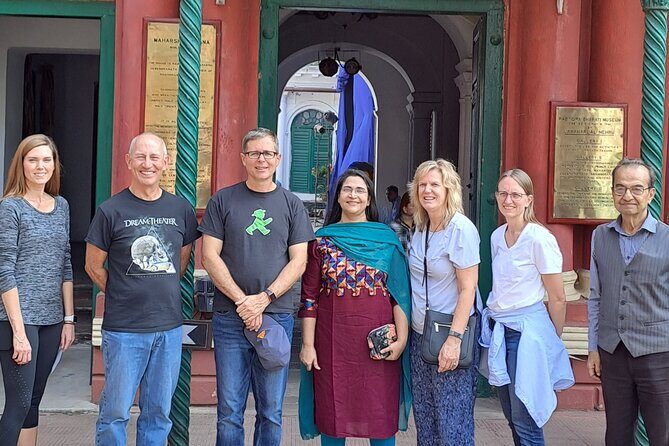
Old Delhi feels like a living puzzle. This Hidden Alleys Walking Tour with Elena turns the frantic maze of Shahjahanabad into a clear, human story, from the Mughal era to the English imprint, ending at Jama Masjid, Chandni Chowk bazaars, and the spice buzz of Khari Baoli. You’ll also get a real taste of street food and bottled water, so the walk feels practical instead of purely sightseeing.
Two things I really liked: Elena’s precise, easy-to-follow explanations (she’s an Italian-speaking guide living in Delhi for years), and the route that keeps you moving through narrow lanes where local life still shows up fast. One consideration: you’ll walk for about four hours in tight streets, and Jama Masjid has a separate entry fee of ₹400 per person, so plan for that extra cost and budget for good weather.
In This Review
- Key Highlights You’ll Actually Care About
- Old Delhi Through Hidden Alleys: What the Walk Feels Like
- From Asaf Ali Road to the First Impressions of Shahjahanabad
- Mughal vs British Delhi: The History You Can See With Your Own Eyes
- Jama Masjid Planning: The Separate ₹400 Entry Fee
- Chandni Chowk to Khari Baoli: Bazaars That Don’t Feel Like a Theme Park
- Street Food Taste and Bottled Water: Small Inclusions, Big Comfort
- Price and Value: What $121.35 Gets You (and What Costs Extra)
- Who Should Book This Hidden Alleys Walk?
- Should You Book This Tour?
- FAQ
- How long is the Old Delhi through the Hidden Alleys Walking Tour?
- Where does the tour start and end?
- What’s included in the price?
- Is the Jama Masjid entry fee included?
- Is public transportation included?
- How big is the group?
- Who leads the tour?
- When will I receive confirmation after booking?
- What is the cancellation window?
Key Highlights You’ll Actually Care About
- Private group, up to 6 people: less waiting, more conversation, and a route that can fit your pace
- Elena’s storytelling: clear connections between Mughal Shahjahanabad and later British change
- Jama Masjid access with planning: the entry fee is separate, so you’re not caught off guard
- Chandni Chowk and Khari Baoli: bazaars and the spice market atmosphere in one smooth flow
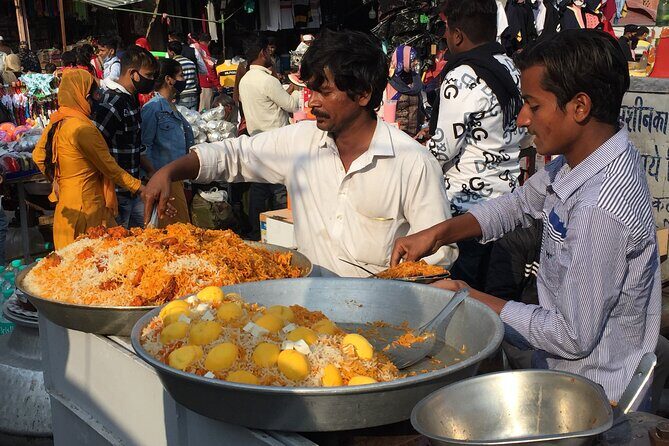
- Street-food taste plus bottled water: small inclusions that help you keep going for four hours
Old Delhi Through Hidden Alleys: What the Walk Feels Like
Old Delhi is one of those places where your first instinct is to slow down and look around… and your second instinct is to keep moving because everything is happening at once. That’s exactly why this tour works. The walk is designed to take the intimidating parts—crowds, lanes, the sheer density of sights—and give them structure.
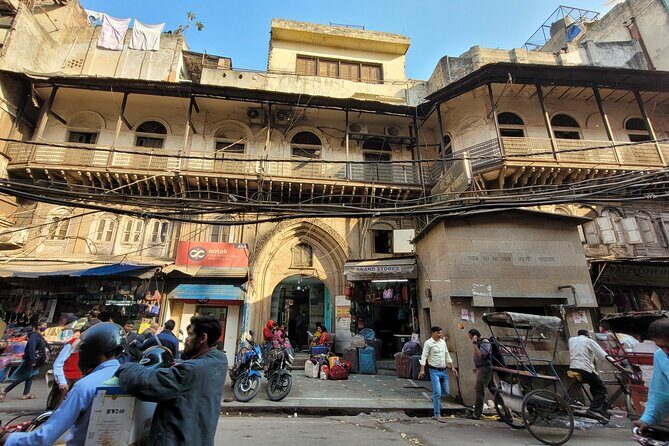
You’ll step into the gali network of Shahjahanabad, where streets narrow into alleyways and then open into busier lanes again. I love how this “maze” format helps you feel like you’re reading the city instead of just passing through it. You’re not stuck at a single viewpoint waiting for the right photo; you’re walking through the same spaces that have shaped daily life for generations.
And because the tour focuses on narrow lanes rather than wide roads, the experience has that “small moments” quality. You notice how people move, where they pause, what they trade, and how the buildings and shop fronts squeeze close together. It’s chaotic in the best way—loud, busy, full of motion—but it never feels random when your guide is connecting the dots.
You can also read our reviews of more walking tours in New Delhi



From Asaf Ali Road to the First Impressions of Shahjahanabad
You start at Asaf Ali Road (near Turkman Gate and Chandni Chowk), and you end back at the same point. That matters more than it sounds. With Old Delhi, getting lost is easy, and getting back to your starting area can be harder than you expect. A loop like this helps you spend energy on the walk, not on logistics.
The tour runs about 4 hours, which is a sweet spot for Old Delhi. Long enough to reach major sights like Jama Masjid and still work your way through the bazaars. Short enough that you’re not exhausted before the spice market section.
The group is private, up to 6 people. In practice, that usually means:
- fewer delays while people regroup
- more chances to ask questions in the moment
- a pace that doesn’t break when one person needs an extra minute
One small note: tight alleys and uneven footpaths can be part of the experience. The good news is the tour says most people can participate. Still, if you know you have mobility limits, it’s worth thinking about your comfort level with a walking-heavy morning.
Mughal vs British Delhi: The History You Can See With Your Own Eyes
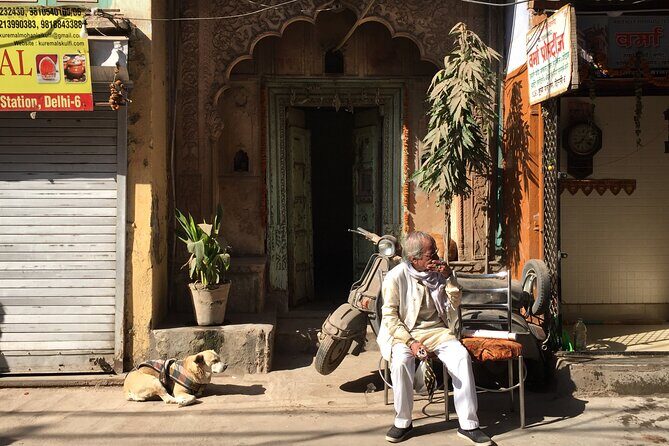
Old Delhi didn’t just “happen.” It was shaped—then reshaped—by power shifting hands. This walk uses that big story to give you a way to understand what you’re actually seeing.
You’ll get context about Shahjahanabad, the Mughal city that later became known as Old Delhi. The tour doesn’t treat history like a distant textbook. It focuses on the painful passage between Mughal rule and the English power that permanently changed the face of the city in the 17th century onward.
Here’s why that matters for you on the ground: when you understand the reasons behind a place’s layout—courtly neighborhoods versus commercial streets, sacred spaces versus public markets—you read the city differently. The alleys stop being just narrow passages and start feeling like living fragments of planning and politics.
I also like that the tour keeps the tone engaging. Old Delhi can overwhelm your senses. When the history is explained in plain language while you walk, the city becomes less of a blur and more of a story with chapters.
Jama Masjid Planning: The Separate ₹400 Entry Fee
Jama Masjid is a highlight for a reason. It’s the second largest mosque in India, and it was also the mosque of the emperors. That gives it a “center of gravity” feeling in Old Delhi—like you’re being pulled toward a core landmark while everything else swirls around it.
The entry part is straightforward but important to budget for. The Jama Masjid entry fee is ₹400 per person and is not included. That means your total trip cost isn’t just the tour price.
If you’re planning your morning, I suggest you:
- budget for the fee ahead of time
- factor in a little extra time for mosque-entry procedures (even when everything runs smoothly)
- dress sensibly, since it’s a major place of worship
One more practical point: the tour’s emphasis is on getting you there and understanding what the space represents, not just snapping pictures and rushing out. You’ll come away with more clarity on why this building sits where it does and why it mattered to the city’s rulers.
Chandni Chowk to Khari Baoli: Bazaars That Don’t Feel Like a Theme Park

After the mosque, you move into the market spine of Old Delhi: Chandni Chowk and the surrounding bazaars, then onward toward Khari Baoli, the spice market.
This section is all about texture. Chandni Chowk’s energy is different from the quieter lanes you might have seen earlier. Expect shops close together, constant movement, and a sense that the city is working while you’re visiting it. The value here isn’t just the big names. It’s how the tour helps you understand what the bazaars are for—daily commerce, family routines, and the practical economy of a huge city.
Then Khari Baoli adds a whole sensory layer. You’re walking into spice-market territory, which changes the air and your attention. You’ll likely pause more here because people naturally slow down around goods you can smell, see, and compare.
I like how this part of the walk supports the “hidden alleys” concept. It’s not only narrow lanes anymore. Now you’re seeing the wider market systems that those lanes feed into.





Street Food Taste and Bottled Water: Small Inclusions, Big Comfort
This tour includes a taste of street food and bottled water. Those are small items on paper, but in Old Delhi, they can make the difference between enjoying the walk and feeling drained early.
I’ve found that when you’re walking for hours through busy areas, the best “included” items are the ones that remove friction. Water keeps you functional. A street-food taste adds authenticity without forcing you to commit to a full meal from a random counter.
You should still use common sense about what you eat and drink, especially if you have dietary restrictions. The tour promises a taste, not a buffet. So if you’re picky, it helps to be clear with your guide about what you can handle.
Price and Value: What $121.35 Gets You (and What Costs Extra)
The price listed is $121.35 per group (up to 6). That’s one of the reasons this tour can be good value: you’re paying for a private experience, not per person.
For me, the value is in the combination:
- a guided route that reduces the “I have no idea where to go” problem
- serious landmark time at Jama Masjid
- market walking that feels more meaningful when someone explains what you’re seeing
- street food taste and bottled water included
But you should budget for what’s extra:
- Jama Masjid entry fee: ₹400 per person
- public transportation: ₹200 per booking (not included)
So if you’re doing the math, this is a tour where the base price is only part of the picture. Still, it tends to feel worth it because Old Delhi isn’t the place where “self-guided” usually saves time. It’s the kind of destination where a guide helps you move efficiently and understand what you’re walking past.
One more detail: this is often booked in advance—about 13 days on average. If your dates are set, I’d lock it earlier rather than waiting until the last week.
Who Should Book This Hidden Alleys Walk?
Book this tour if you:
- want Old Delhi in a guided format that explains the Mughal-to-British transformation
- like walking through real lanes and bazaars, not only standing at monuments
- prefer a guide who can work in Italian (Elena is an Italian-speaking guide)
- want a private group experience suited for families and mixed ages who can handle a few hours on foot
It may be a less ideal match if you strongly dislike crowds, hate tight spaces, or know you need a slower, more accessible pace. The tour is built around narrow lanes and a morning rhythm, so your comfort level matters.
Should You Book This Tour?
Yes, if your goal is to understand Old Delhi instead of just visiting it. The highlight isn’t only the famous sites—it’s how Elena ties together Shahjahanabad’s story, the pull of Jama Masjid, and the market energy of Chandni Chowk and Khari Baoli.
The one reason I’d hesitate is if you don’t want to pay the ₹400 per person mosque fee or you’re traveling on a day where weather and comfort might be an issue. If those two points work for you, this is a strong choice for getting real value out of a half-day in Delhi.
FAQ
How long is the Old Delhi through the Hidden Alleys Walking Tour?
It runs for about 4 hours.
Where does the tour start and end?
It starts at Asaf Ali Road (near Turkman Gate / Chandni Chowk) and ends back at the same meeting point.
What’s included in the price?
You get a taste of street food and bottled water. The tour also uses a mobile ticket.
Is the Jama Masjid entry fee included?
No. Entry fee to Jama Masjid is ₹400 per person and is not included.
Is public transportation included?
No. Public transportation is ₹200 per booking and is not included.
How big is the group?
This is a private tour/activity with up to 6 people in your group.
Who leads the tour?
The experience provider is Elena&Delhi, and the guide mentioned in the experience details is Elena.
When will I receive confirmation after booking?
You should receive confirmation within 48 hours of booking, subject to availability.
What is the cancellation window?
You can cancel for a full refund up to 24 hours before the experience starts. If canceled less than 24 hours before, the amount is not refunded.