REVIEW · MUMBAI
Mumbai: Private Guided Full-Day City Sightseeing Tour
Book on GetYourGuide →Operated by Taj. Tour Trip · Bookable on GetYourGuide
A smooth South Mumbai day? Yes, please. This private, hotel-to-hotel tour strings together headline monuments and working-city scenes, with a live English guide helping you make sense of it all.
I love the uniformed chauffeur and guide team that keeps things running on a sensible schedule, even with Mumbai traffic. I also love the practical comfort: air-conditioned vehicle, bottled water, napkin, and charging facilities to keep your day feeling easy.
One caution: this tour isn’t suitable for wheelchair users, and you’ll want comfortable shoes for a full day of stops where you’ll be on your feet outdoors.
In This Review
- Key takeaways at a glance
- Why This Private 8-Hour Plan Works in Mumbai
- Haji Ali Dargah: A Mosque You Understand Better at High Tide
- Mahalaxmi Dhobi Ghat: Watching the City Wash
- Mani Bhavan Gandhi Museum: Movements Started Here
- Hanging Gardens (Ferozshah Mehta Gardens): Malabar Hill Views with a Purpose
- Marine Drive and Girgaum Chowpatty: Coastline, Two Different Moods
- Gateway of India, Rajabai Clock Tower, and the Built World Around Them
- Chhatrapati Shivaji Maharaj Terminus (CST): UNESCO Architecture That Still Functions
- Price and Value: What $29 Buys You Here
- Who This Tour Suits Best
- Should You Book This Mumbai Full-Day Tour?
- FAQ
- FAQ
- How long is the Mumbai private city sightseeing tour?
- What does hotel pickup and drop-off mean for my day?
- Is this tour private or shared?
- Do I get a live tour guide?
- What language is the guide in?
- Is transportation air-conditioned?
- Are bottled drinks and small refreshment items included?
- Is lunch included?
- Do I skip the ticket line?
- What should I bring for the tour?
- Is this tour suitable for wheelchair users?
Key takeaways at a glance
- Private guide plus chauffeur: one team handling navigation and explanations
- Air-conditioned comfort: you get to cool off between sights
- Tide-timed wonder at Haji Ali Dargah: water levels change the experience
- Real Mumbai work at Mahalaxmi Dhobi Ghat: open-air laundromat energy
- Gandhi’s Mumbai base at Mani Bhavan: movements linked to this exact place
- Big-name icons without chaos: structured stops from Gateway to UNESCO CST
Why This Private 8-Hour Plan Works in Mumbai
Mumbai can be intense. Roads, noise, crowds, and heat all stack up fast. What I like about this kind of private full-day set-up is that you’re not constantly trying to figure out transit, entrances, or timing. You get hotel pickup and drop-off, a professional driver, and a live English guide who stays with you throughout.
This isn’t just a checklist of famous spots. You also get a mix of Mumbai’s face and its daily rhythm: grand landmarks on one hand, and an open-air laundromat on the other. That combo is why this day feels like a real city day rather than a rushed sightseeing sprint.
The “air-conditioned vehicle + water + napkin + charging” part sounds small, but it matters. On an 8-hour day, comfort turns into your energy budget. You’ll arrive at the viewpoints with enough steam to enjoy the moment instead of counting down to the next ride.
You can also read our reviews of more guided tours in Mumbai


Haji Ali Dargah: A Mosque You Understand Better at High Tide
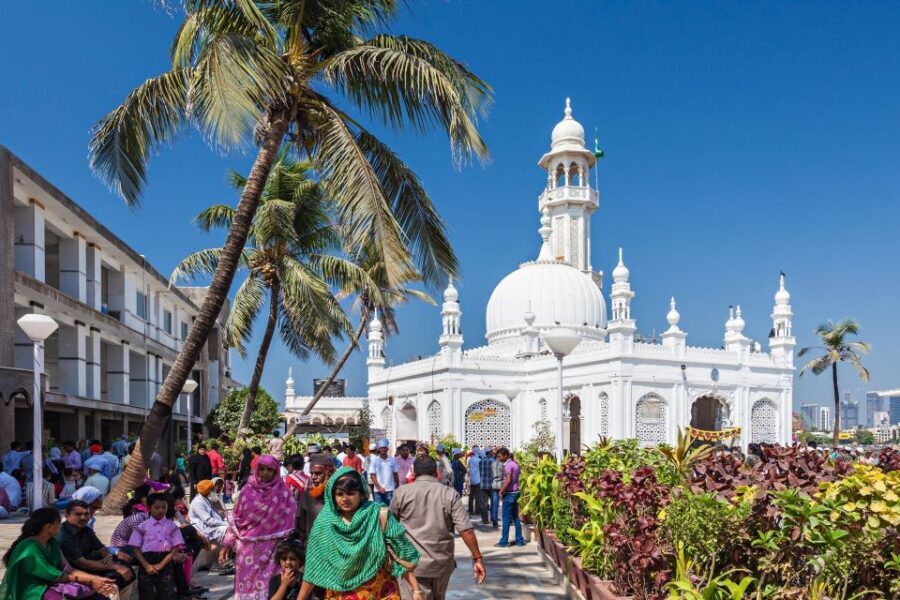
Your first big cultural stop is Haji Ali Mosque, on a coastal islet known as Haji Ali Dargah. The setting is the star. Water surrounds the site at high tide, so the building feels almost like it’s floating above the sea.
This is one of those places where a guide earns their keep. You’re not just looking at architecture—you’re learning the legends tied to the mosque and tomb, and you’re getting an explanation for why the tide changes how the whole scene looks. That context makes the visit more than photos; it makes it feel story-driven.
Practical note: you’ll want sunglasses and a hat. Even if it’s not peak sun, coastal light can be strong, and you’ll likely spend time looking outward at the water and shoreline views.
Mahalaxmi Dhobi Ghat: Watching the City Wash
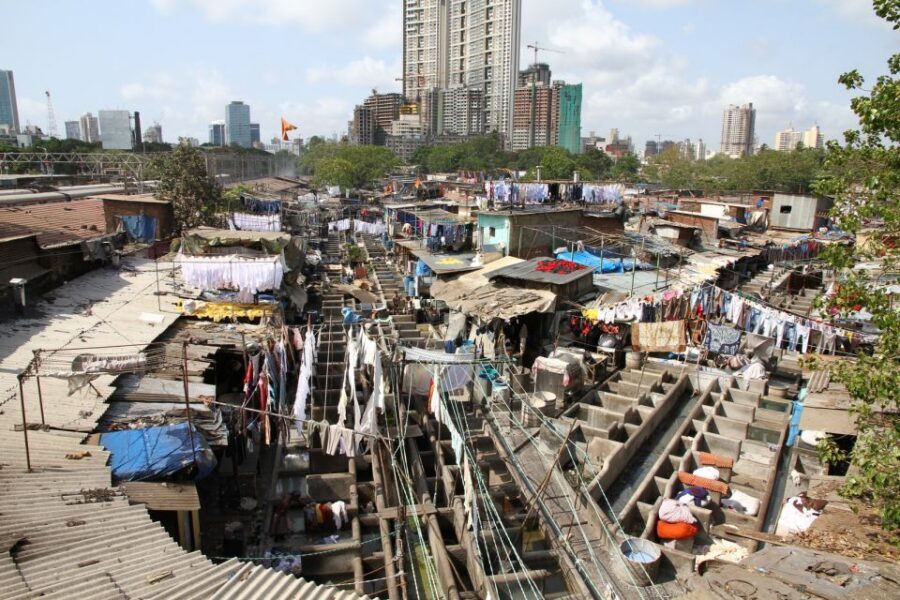
Next up is Mahalaxmi Dhobi Ghat, an open-air laundromat where dhobis (washer-men) clean clothes and linens for hotels and hospitals. This isn’t a staged show. It’s working life—people doing skilled repetitive work in the open, with the rhythm of Mumbai right there in front of you.
The detail I appreciate here is the age and continuity. The ghat was constructed in the 18th century, so you’re seeing a system that has been part of the city’s logistics for a long time. A guide helps you connect what you’re seeing (the process and the roles) with what the place actually does in the broader city economy.
It’s also a good stop for a different kind of travel memory. If monuments start to blur together, this one resets your brain. You’re watching a city service at work—different, real, and oddly fascinating.
Mani Bhavan Gandhi Museum: Movements Started Here
Then you’re heading to Mani Bhavan Gandhi Museum, a historical building in the Gamdevi precinct of Mumbai. This one hits differently because it links Gandhi’s political energy to a physical location you can stand inside.
What makes it meaningful is the way the museum ties Gandhi’s work in Mumbai to specific movements: Non-Cooperation, Satyagraha, Swadeshi, Khadi, and Khilafat. When you understand that this was a focal point for political activities in the city, the museum becomes more than a collection of items. It becomes a place where you can imagine plans being made and momentum building.
Also, this stop gives you a change of pace from outdoor viewpoints. If the day starts to feel like “look left, look right,” Mani Bhavan slows things down and gives you something to think about.
Hanging Gardens (Ferozshah Mehta Gardens): Malabar Hill Views with a Purpose
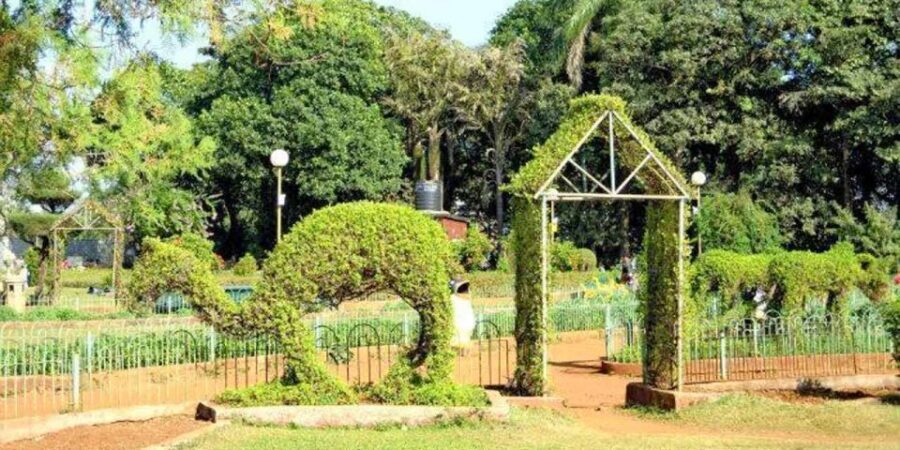
After Gandhi’s Mumbai, you go up for Hanging Gardens, also called Ferozshah Mehta Gardens, perched on top of Malabar Hill on the western side, just opposite Kamala Nehru Park. The gardens sit in terraced layers, which makes the viewpoints easier to navigate and less like you’re standing in one crowded spot.
I like this stop because it’s both scenic and practical. You get a landscape break—fresh air, sea-and-city angles, and the kind of view where you quickly understand where things sit relative to one another. The “hanging” feeling comes from the stepped, elevated design, and it photographs well without needing a huge effort.
Bring your hat here. Gardens sound pleasant, but sun and wind can both be strong at elevation.
You can also read our reviews of more city tours in Mumbai




Marine Drive and Girgaum Chowpatty: Coastline, Two Different Moods
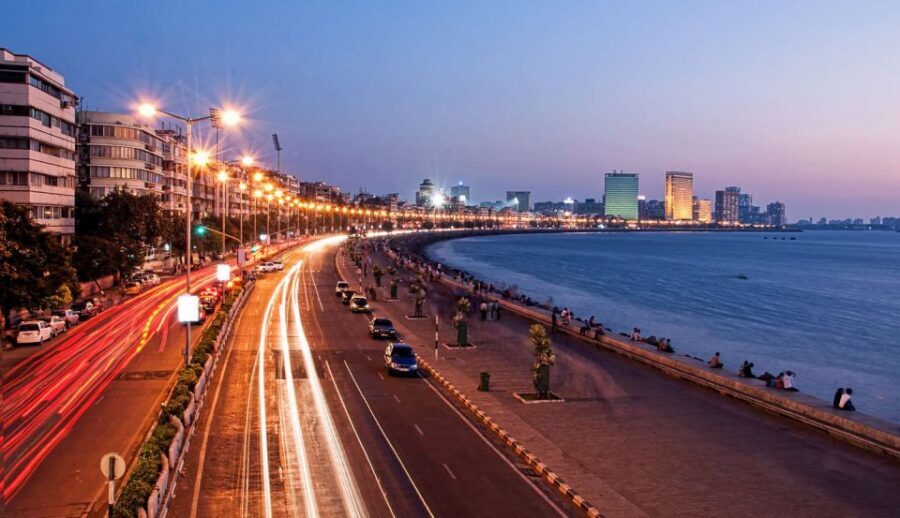
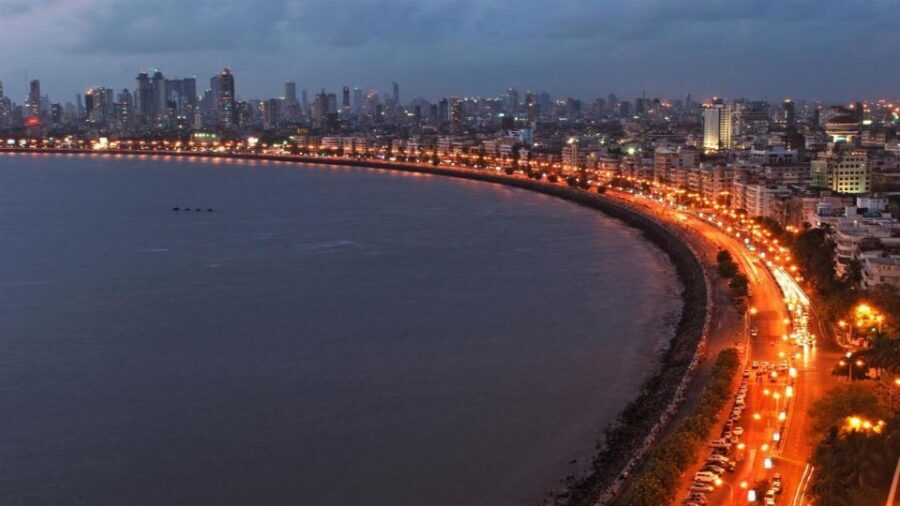
Next you visit Marine Drive, a 3.6-kilometer-long boulevard in South Mumbai. It’s famous for its C-shaped design and its coastal road linking Nariman Point to Babulnath. Even if you’ve seen pictures, it helps to stand along it because the shape and the length give you a sense of how the coastline organizes the city.
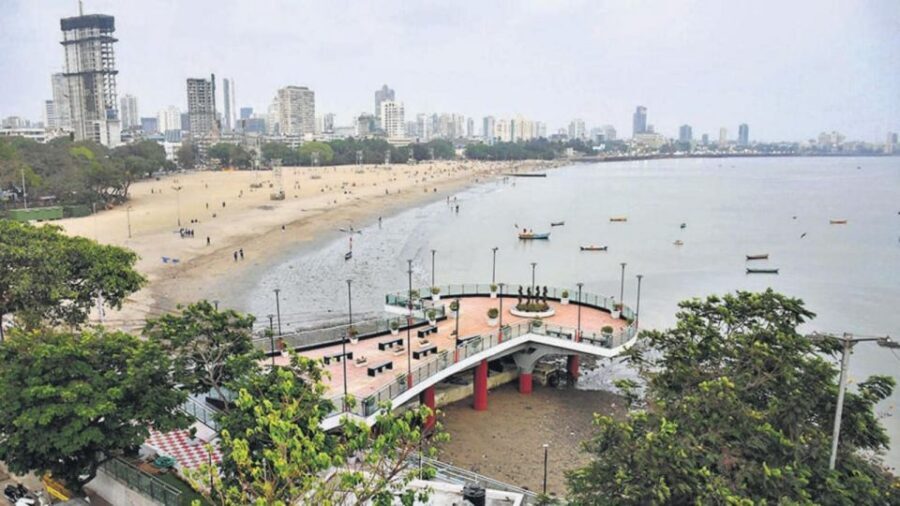
Then you head to Girgaum Chowpatty, a public beach along the Queen’s Necklace adjoining Marine Drive. This is a different energy than Marine Drive. Expect open space and a more relaxed vibe where the coastline becomes the main event rather than the road.
A tip I’d give you: use these two stops as a visual comparison. One is a boulevard built to frame the sea; the other is where the sea feels closer and less engineered. The contrast is exactly what makes this stretch memorable.
Gateway of India, Rajabai Clock Tower, and the Built World Around Them
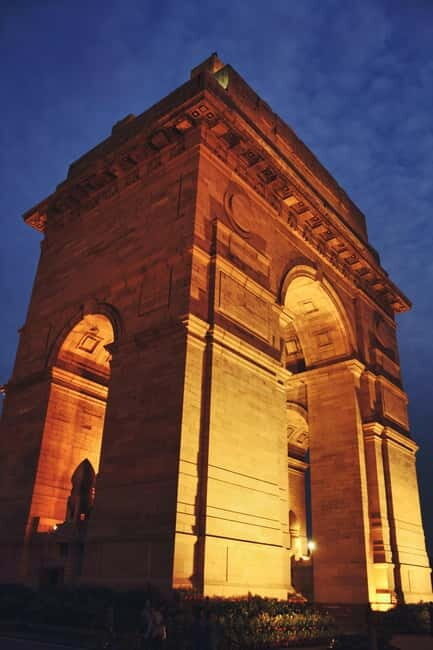
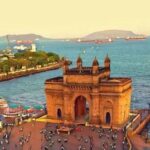
You then hit the postcard icon: Gateway of India. It’s an arch monument built during the 20th century to commemorate the 1911 landing of King-Emperor George V and Queen-Empress Mary at Apollo Bunder. The Indo-Saracenic style is part of why it looks dramatic in photos, but the real value of a guided stop is understanding what it was meant to represent at the time.
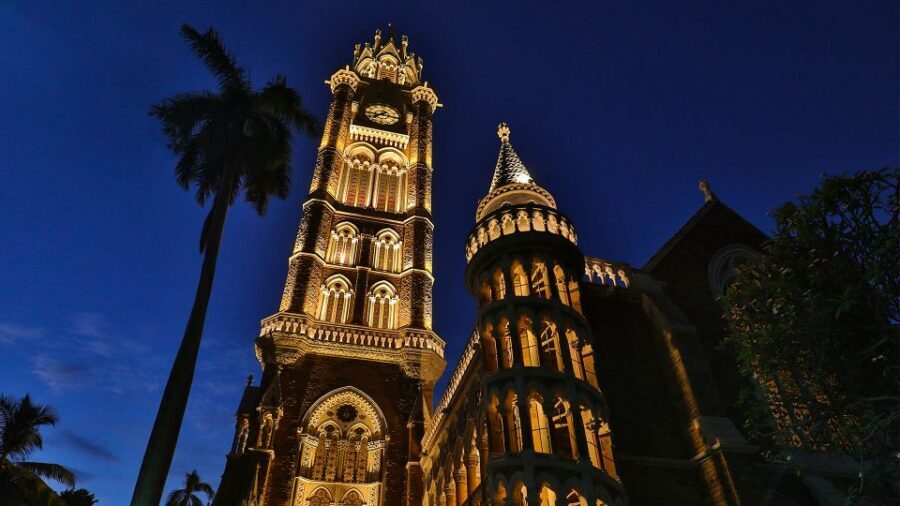
After that, you visit Rajabai Clock Tower, located within the Fort campus of the University of Mumbai. The tower is part of the Victorian and Art Deco Ensemble of Mumbai, which is recognized as a World Heritage Site. It stands 85 meters tall, and it gives you a completely different kind of architecture to study—less ceremonial, more institutional.
This pair (Gateway and Rajabai) works well together because it shows you two different “faces” of the city’s built environment: empire-era symbolism on one side, and education-linked monumental design on the other. You end up seeing how Mumbai’s identity has been layered by different eras.
Chhatrapati Shivaji Maharaj Terminus (CST): UNESCO Architecture That Still Functions
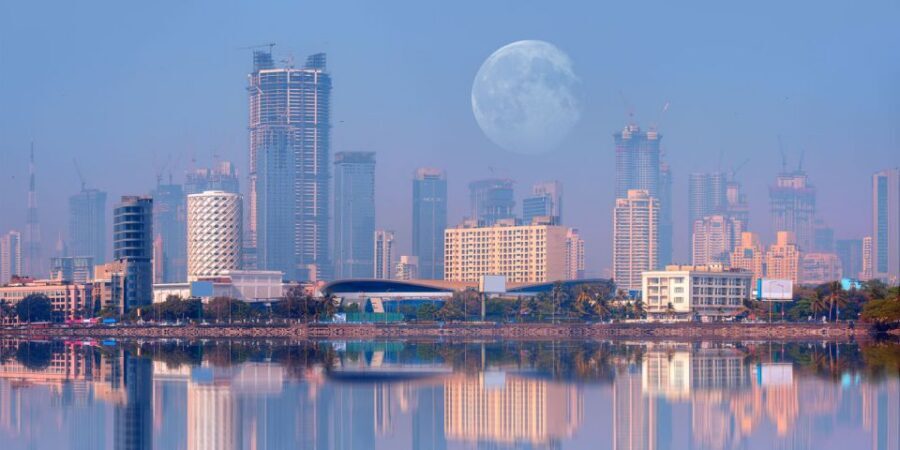
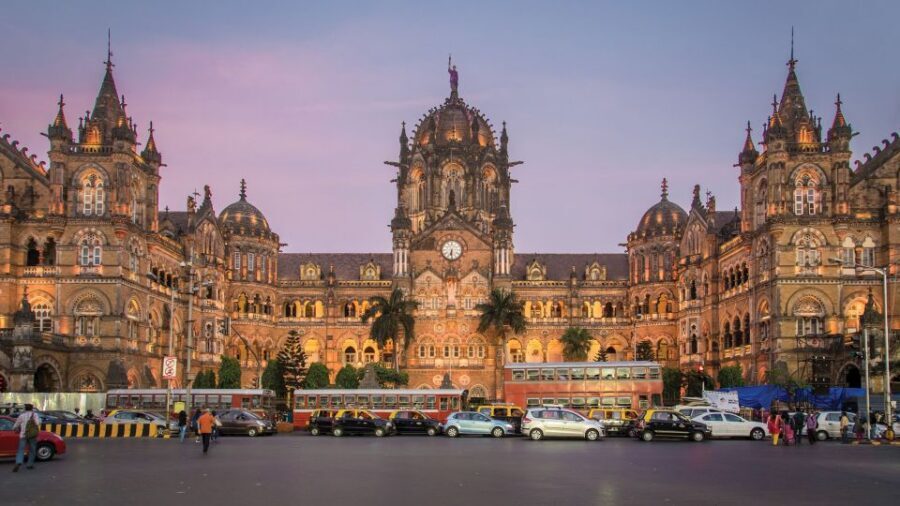
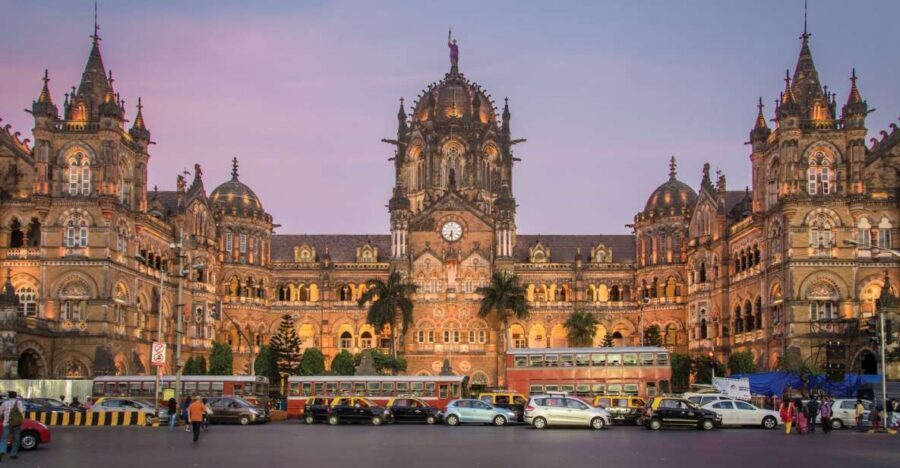
Finally, you visit Chhatrapati Shivaji Maharaj Terminus (formerly Victoria Terminus), a UNESCO World Heritage Site and a historic train terminal. This is one of those places where the architecture matters, but the fact that it still serves trains adds meaning.
You’re not walking through a museum shell. You’re looking at a working transportation landmark, which changes how the building feels. A terminal is architecture with purpose—it has movement baked into it.
If you like cities that keep their old bones while still using them, this stop will land. It’s also a great ending because it brings your day full-circle: you’ve seen coastal legends, working laundry, Gandhi-era activism, gardens and sea promenades—then you close with a transport icon tying the whole city together.
Price and Value: What $29 Buys You Here
At $29 per person for an 8-hour private day, the value feels strong—mainly because of what’s included, not because of the sticker price. You’re getting hotel pickup and drop-off, an air-conditioned vehicle, a professional driver, and a live English guide (for the option that includes the guide).
This is especially good if you want to cover a lot of ground in one day without turning your vacation into logistics work. The included bottled water and napkin are small perks, but they help you stay comfortable between stops. Parking fees, tolls, and taxes being covered also reduces the annoying “surprise costs” feeling.
What’s not included is the biggest practical thing: lunch (and gratuity). You’ll want to plan for food on your own, either before the tour or during gaps in the schedule that make sense for you. If you hate thinking about meals while sightseeing, you’ll want to build in a plan ahead of time.
Who This Tour Suits Best
This tour fits well if you:
- Want a first-timer-friendly South Mumbai day that mixes top monuments with everyday scenes
- Prefer a guide to help you understand what you’re seeing (especially at Haji Ali Dargah and Mani Bhavan)
- Like comfort and structure: hotel pickup, A/C vehicle, and driver handling the driving
It may not be the best fit if:
- You need wheelchair accessibility (it’s not suitable)
- You don’t enjoy walking and standing outdoors at multiple locations
Should You Book This Mumbai Full-Day Tour?
I’d book it if you want one day that gives you both scale and texture—major landmarks plus a real look at how Mumbai functions day to day. The private setup is the real win: you’re not guessing transit, and the live English guide helps you turn stops into meaning, not just photos.
Book it with confidence if your goal is a smart, comfortable circuit through South Mumbai within a tight time window. Just make sure you bring the basics for heat and outdoor time—comfortable shoes, sunglasses, and a sun hat—and plan your lunch so you don’t end the day hungry and grumpy.
FAQ
FAQ
How long is the Mumbai private city sightseeing tour?
The tour is 8 hours.
What does hotel pickup and drop-off mean for my day?
Your tour starts with Mumbai hotel pickup and includes drop-off back at the end of the day.
Is this tour private or shared?
It’s a private group.
Do I get a live tour guide?
A professional driver is included, and a private live tour guide is included if you select the option that has the guide.
What language is the guide in?
The live tour guide is available in English.
Is transportation air-conditioned?
Yes, you travel in a fully air-conditioned private vehicle.
Are bottled drinks and small refreshment items included?
Yes. The tour includes bottle(s) of water and a napkin.
Is lunch included?
No. Lunch and gratitude are not included.
Do I skip the ticket line?
Yes, you can skip the ticket line.
What should I bring for the tour?
Bring a passport or ID card, comfortable shoes, sunglasses, a sun hat, and a charged smartphone.
Is this tour suitable for wheelchair users?
No, it is not suitable for wheelchair users.