REVIEW · MUMBAI
Mumbai Market Tour
Book on GetYourGuide →Operated by Mumbai Dream Tours · Bookable on GetYourGuide
Markets here talk louder than landmarks. The Mumbai Market Tour threads colonial buildings, temples, and mosques through South Mumbai, with vendors calling out from carts selling snacks, flowers, Indian clothes, and more. It is a smart way to see what daily life looks like when you are not stuck at photo stops.
I like two things right away: you get a clear lineup of specialty markets (Crawford, Mangaldas, spices, jewelry, and flowers), and the tour is led in English by guides who know the lanes and can help you bargain. That combination matters because the markets are sensory overload on your own, and a guide helps you shop with your eyes open.
One drawback to consider: part of the experience can feel shopping-forward. Some people love the hands-on market focus; others felt the cultural stops were light compared with store visits and purchases.
In This Review
- Key things to watch for
- South Mumbai markets that feel like the real city
- Your market lineup: from Crawford’s counters to Mangaldas textiles
- Crawford Market: candles, fruit, cake molds, and everyday extras
- Mangaldas Market: cloth, fabrics, and a real place to learn bargaining
- The Spice Market stop: cumin to cardamom in one sensory corridor
- Jewelry Market: gold, silver, diamonds, and stones up close
- Flower Market: marigolds to orchids, and the color overload
- Jama Masjid, Mumba Devi Temple, and Madhav Baugh on the same walk
- How to shop without losing the tour (or your budget)
- Price and value: why $23 can be either great or disappointing
- Who should book this market route
- Should you book the Mumbai Market Tour?
- FAQ
- How much does the Mumbai Market Tour cost?
- What markets are included in the tour?
- Are Jama Masjid, Mumba Devi Temple, and Madhav Baugh part of the experience?
- What language is the tour offered in?
- Who provides the Mumbai Market Tour?
- Is there a reserve & pay later option?
- What is the cancellation policy?
Key things to watch for
- Specialty market stops: Crawford, Mangaldas, Spice Market, Jewelry Market, and Flower Market
- Strong focus on South Mumbai street life: vendors calling, carts, and narrow alley energy
- Religious sites included: Jama Masjid, Mumba Devi Temple, and Madhav Baugh on the route
- Shopping skills are part of the value: guides often help with bargaining and what to look for
- Expect a mix of browsing and buying: some stops can lean into textiles, pashmines, and jewelry
South Mumbai markets that feel like the real city
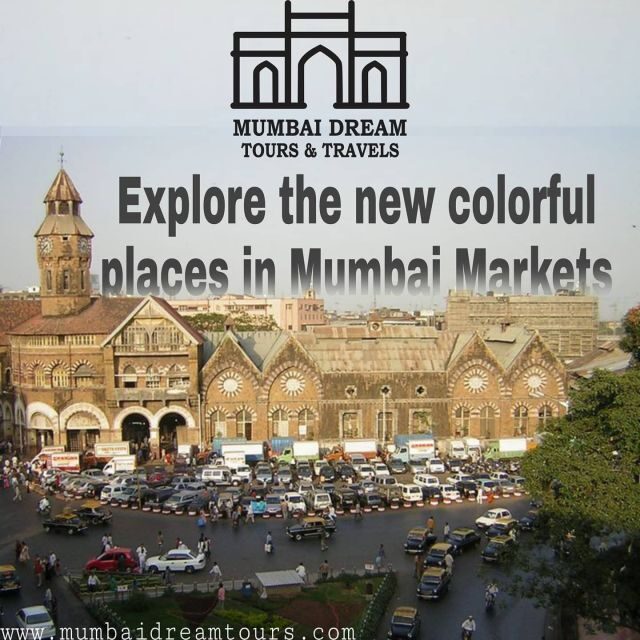
If you want Mumbai as it actually runs, you start with markets. This tour aims for exactly that: wide streets and tight lanes where people move fast, vendors set up close to the sidewalk, and colonial-era buildings sit next to places of worship. The tour’s strength is that it treats markets as culture, not as a side quest.
You will also get the social side of the streets. The tour is built around interaction: vendors shouting, shoppers negotiating, and locals moving between temples, mosques, and market counters. In other words, you are not just looking at stuff; you are watching how the city trades, prays, and talks.
If you are the type who wants a tight, museum-style storyline, the market pace might feel a bit free-form. But if you like to ask questions, compare products, and learn how people buy day-to-day, this is a good match.
You can also read our reviews of more shopping tours in Mumbai



Your market lineup: from Crawford’s counters to Mangaldas textiles
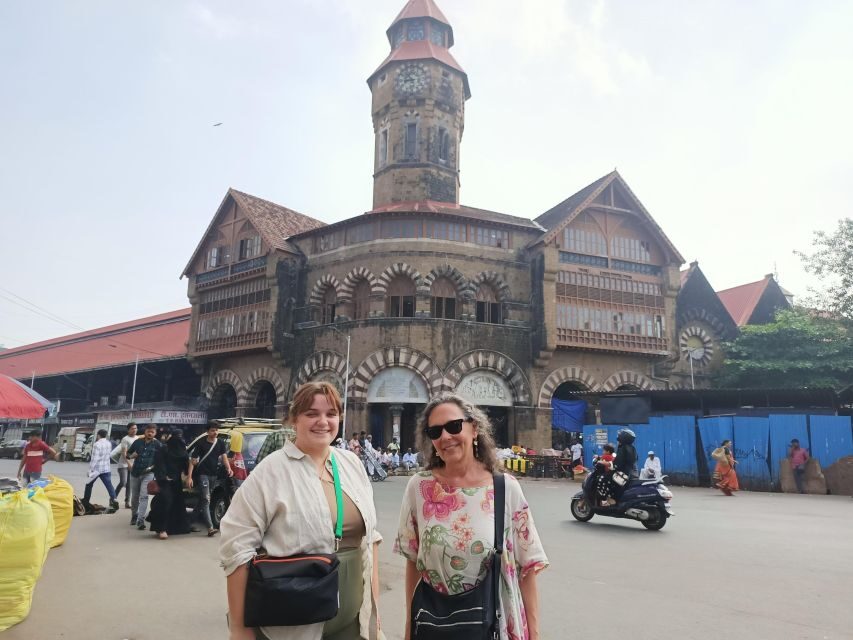
The stops are concentrated in South Mumbai and centered on five market zones, with religious landmarks worked into the walk. That structure is useful because each market has a different job.
- Crawford Market is the iconic shopping stop with a grab-bag feel: scented candles, exotic fruits, cake mold items, party wear, and accessories show up here.
- Mangaldas Market leans hard into textiles and fabrics, which is where you can expect the best chance to see cloth options and popular garment styles.
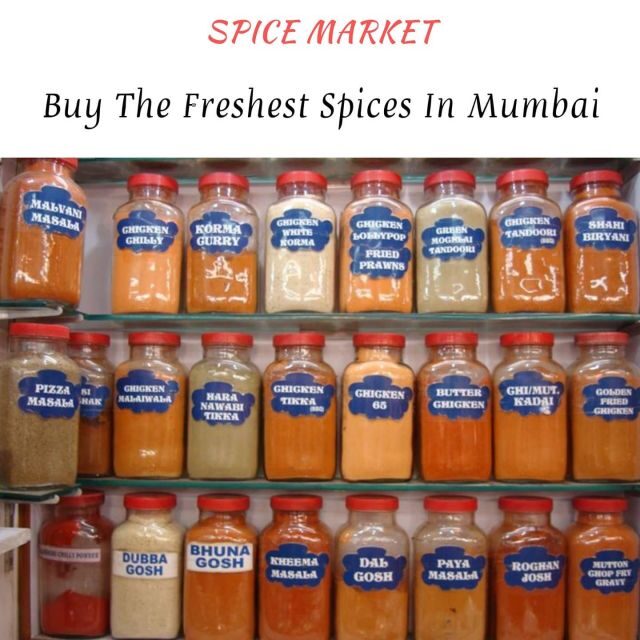
- Spice Market is focused on food spices, with common ones called out like cumin, coriander, turmeric, and cardamom.
- Jewelry Market concentrates on gold, silver, diamond jewelry, plus precious and semi-precious stones.
- Flower Market is about blooms, described as Mumbai’s largest flower market, with marigolds, roses, lilies, and orchids mentioned.
That variety is the practical part. You get a quick sweep of what Mumbai sells, not just one category. And because the markets are close enough to connect, you avoid the feeling that you are spending the day commuting instead of observing.
Crawford Market: candles, fruit, cake molds, and everyday extras
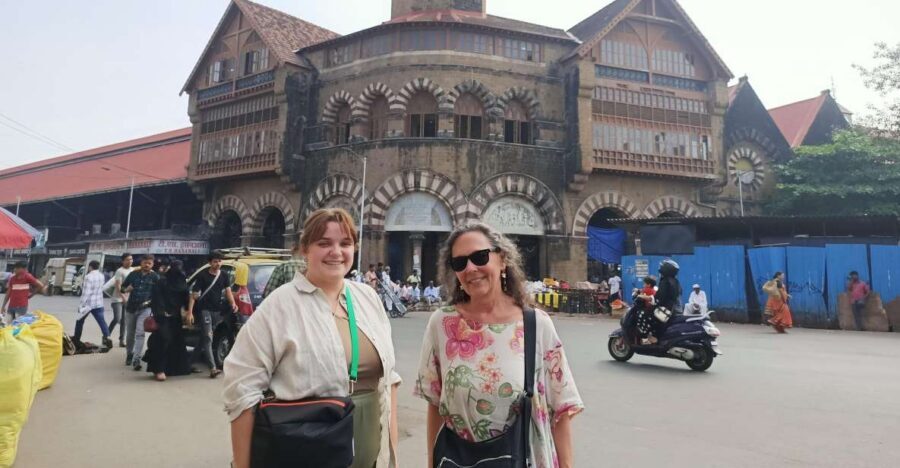
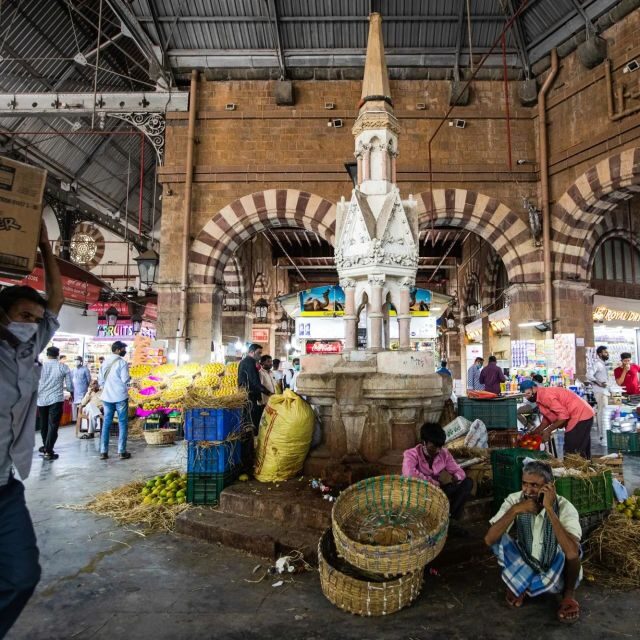
Crawford Market is listed as the iconic stop on the route, and the shopping details hint at why it is famous. Here you may spot scented candles, exotic fruit, and cake mold items, plus party wear and accessories. Even if you do not plan to buy, the range helps you understand the local “market math” people use: this is not only food and clothing, it is also gifts, celebrations, and small luxuries.
Crawford also makes a good first anchor because it is easy to recognize as a landmark market. When your senses overload, having one clear, busy hub helps you keep your bearings. I also like that it gives you an early chance to taste the rhythm—vendors calling, shoppers browsing, and the constant movement between stalls.
What to watch: this is a shopping environment. If you are sensitive to sales pressure, decide early what your budget is and stick to it. You can still enjoy the architecture and energy, but you will have a better time if you do not feel you must buy to justify the stop.
Mangaldas Market: cloth, fabrics, and a real place to learn bargaining
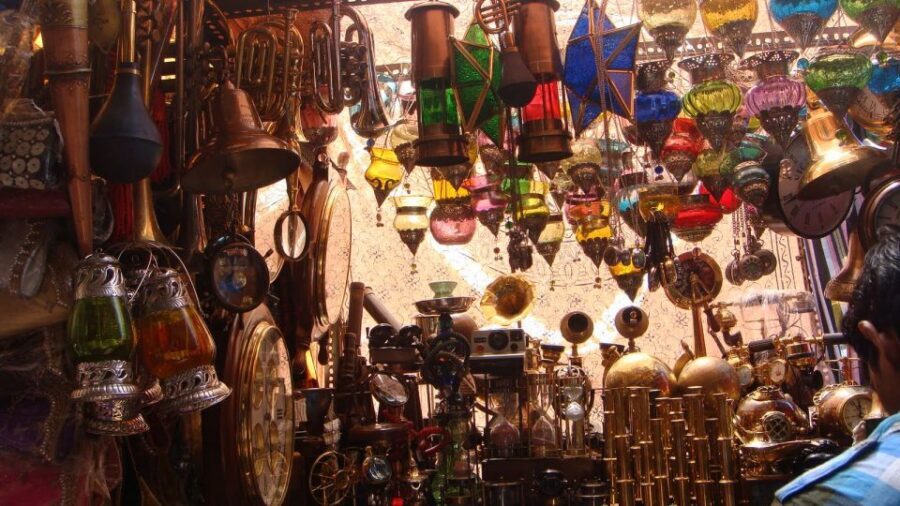
Mangaldas Market is the textile and fabric draw. It is the stop most tied to what people buy for everyday life—cloth and garment materials—so it naturally gets attention from guides. One of the common pieces of guide help mentioned in the feedback is patience while you look through options in textile shops, and help learning how to bargain.
Why that matters: in a market like this, your first guess is rarely your best deal. If you can ask questions, compare quality, and negotiate with a guide’s guidance, you avoid the two common mistakes: overpaying because you do not know what is fair, or walking away because you assume the first price is final.
A careful note based on the range of feedback: some people felt that the tour started to feel like a shopping stop almost immediately, including pashmina-style shopping and women’s clothing stores. That is not necessarily bad—it depends on what you want. If your goal is to learn the market culture and ask how things are made or sold, this stop can be great. If your goal is mostly sightseeing and temples, you may find the textile focus takes more time than you expected.
The Spice Market stop: cumin to cardamom in one sensory corridor
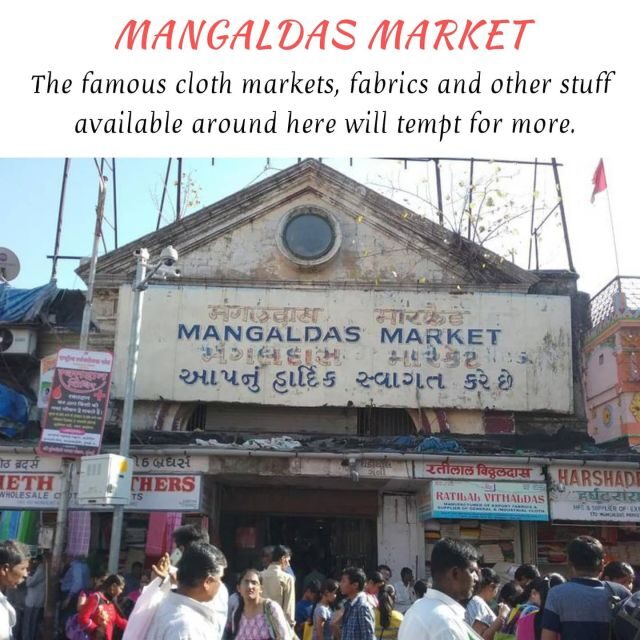
The Spice Market is another clearly defined category stop, and the tour description calls out common spices you can expect to see: cumin, coriander, turmeric, and cardamom. Even just naming them helps you picture the experience: you are walking through a place where the smell hits first, and the colors follow.
If you like cooking or you just enjoy learning why foods taste the way they do, this is an easy win. You can ask which spices are used together, how people buy in small quantities, and what makes each one different. If you plan to bring something home, this stop also makes sense because spices are practical souvenirs.
A drawback to keep in mind: spice shops can be sales-focused. If you want quiet browsing, the constant offers can distract you. The upside is that the guide can help you filter options and avoid paying for things you do not need.
A few more Mumbai tours and experiences worth a look


Jewelry Market: gold, silver, diamonds, and stones up close
The Jewelry Market stop is described as one of the oldest and busiest markets in Mumbai, and it is also one of the most specific. The tour highlights gold, silver, and diamond jewelry, plus precious and semi-precious stones.
This stop can be two different experiences, depending on your interest. If you shop, you get a dense place to compare styles and materials without wasting half a day traveling between locations. If you do not shop, you still get something valuable: you can see what people wear, how jewelry is packaged for sale, and how pricing conversations happen in a market setting.
Practical advice: jewelry is one of the easiest categories to overspend in if you get emotional. If you are curious but cautious, treat it as a look-and-learn stop. Ask questions about materials and workmanship, note what catches your eye, then decide later if you truly want to buy.
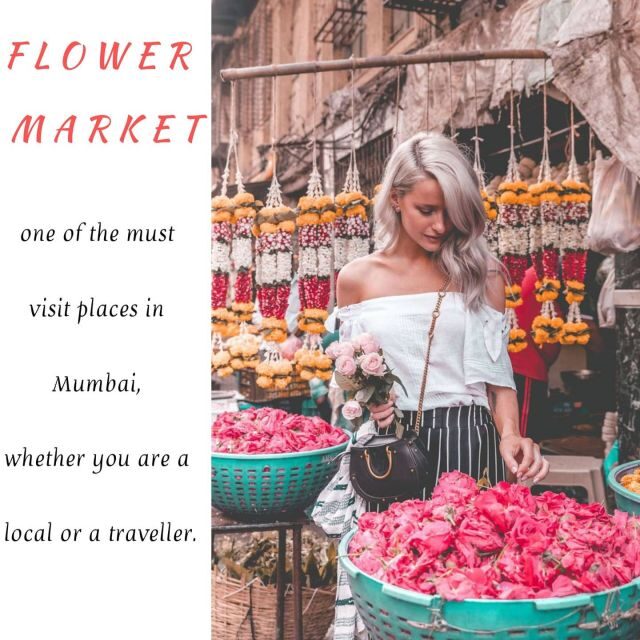
Flower Market: marigolds to orchids, and the color overload
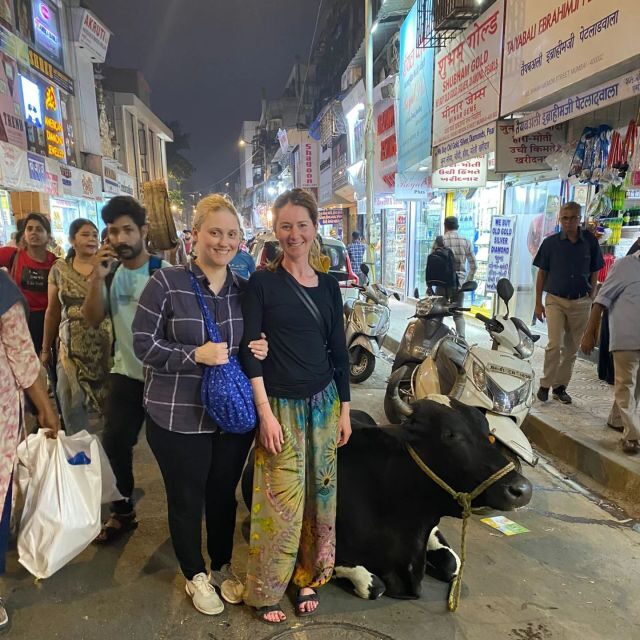
The Flower Market is framed as the largest flower market in Mumbai and a key part of the tour’s visual story. You can find marigolds, roses, lilies, and orchids. If you are the type who loves color, this is where the tour earns its title.
Flowers also connect to the cultural part of the route. Even without getting deep into religious details, seeing flowers sold in such volume helps you understand why they matter in daily life—offerings, celebrations, and home decoration all use blooms.
Keep expectations realistic: this can be a fast-moving stop because flowers are perishable and sellers have a schedule. If you want to photograph, do it quickly and move with the flow. If you want to buy, plan to protect petals and stems for the rest of your day.
Jama Masjid, Mumba Devi Temple, and Madhav Baugh on the same walk
One reason this tour stands out is that it does not treat religion as a separate “later” activity. Jama Masjid, Mumba Devi Temple, and Madhav Baugh are listed as stops connected to the market route.
You are likely to feel the shift in pace near places of worship: people slow down, posture changes, and the street sounds rearrange themselves. Even when the day is market-heavy, these stops give context for what you are seeing around you—temples and mosques are not decorations here. They are part of how the neighborhood lives.
Balance check: the feedback includes some disagreement about how much cultural time these stops get. If you are counting on long, detailed temple tours, you may be disappointed. But if you want quick context while you move through real neighborhoods, this mix can be exactly right.
How to shop without losing the tour (or your budget)
Because market tours can drift into shopping time, your best strategy is to shop with rules. Decide what you want before you step into any shop.
Here are smart goals that match what this route offers:
- Buy spices if you cook or want practical souvenirs
- Compare fabrics at Mangaldas if you like tailoring or handmade clothing
- Look at jewelry as a comparison game, not a must-buy
- Pick one bloom category at the Flower Market if you want a color souvenir
And if you do want to bargain, this is where the guides can add real value. One guide name that shows up in the feedback is Kieran, and another is Dinesh. People describe them as patient and helpful in textiles, and they also mention learning how to bargain. That advice is practical, because bargaining without guidance can turn into confusion fast—especially if your first instinct is to agree too quickly or counter too aggressively.
If you are not shopping at all, still treat the market stops as learning stops. Ask what a vendor sells most, what people buy every day, and what products are seasonal. You will get the local logic without feeling trapped in a sales pitch.
Price and value: why $23 can be either great or disappointing
The tour price is listed at $23 per person, which is the anchor for the value question. With this price, what you are really buying is time plus a guided path through multiple specialty markets and listed religious landmarks.
For many people, the value lands because the tour combines:
- multiple distinct markets (not one long stall crawl),
- market navigation help,
- and English-speaking guide support.
But there is a real fork in the road. If you want a mostly cultural walk with temples taking center stage, then a shopping-forward structure may feel like you are paying mainly for store access. That is the core reason at least one person rated it poorly, describing it as more like shopping than a market-focused cultural tour.
So how do you decide? Use this simple test: if you would enjoy spending time comparing spices, textiles, jewelry, and flowers with a guide’s help, $23 is likely a good deal. If you want formal sightseeing with heavy storytelling and minimal store time, you may want to look for a different style of Mumbai tour.
Who should book this market route
This tour suits you best if:
- you enjoy hands-on market travel where buying is optional but learning is expected
- you like a route that mixes markets with Jama Masjid and temples like Mumba Devi Temple
- you want someone to help you understand what to look for, especially in textiles and spices
- you want English-language guidance through South Mumbai’s street patterns
It might not suit you if:
- you dislike bargaining and shopping pressure
- you want long, quiet time at temples rather than quick stops during a market walk
- you prefer classic landmark-heavy sightseeing over specialty bazaars
The good news is that market tours are flexible in your experience. Even when the route includes shops, you can still treat them as observation points and keep your own pace by setting clear shopping intentions.
Should you book the Mumbai Market Tour?
I think you should book it if your main goal is to see Mumbai through the places people actually buy things—spices, cloth, flowers, and jewelry—while getting quick cultural context from Jama Masjid, Mumba Devi Temple, and Madhav Baugh along the route.
I would skip it if your ideal day is mostly temples and architecture with minimal store time, because the mix can lean shopping-heavy depending on the stop flow and the guide’s style. At $23, the price is fair enough that the biggest risk is expectation mismatch, not cost.
If you do book, go in with a plan: pick one or two categories you might buy (like spices or fabric), keep your expectations realistic about time at religious sites, and let the guide help you read the market. That approach turns the chaotic streets into something you can actually navigate and enjoy.
FAQ
How much does the Mumbai Market Tour cost?
The price is listed at $23 per person.
What markets are included in the tour?
The tour includes Crawford Market, Mangaldas Market, the Spice Market, the Jewelry Market, and the Flower Market.
Are Jama Masjid, Mumba Devi Temple, and Madhav Baugh part of the experience?
Yes, the tour includes Jama Masjid, Mumba Devi Temple, and Madhav Baugh.
What language is the tour offered in?
The tour is offered in English.
Who provides the Mumbai Market Tour?
The experience provider is Mumbai Dream Tours.
Is there a reserve & pay later option?
Yes. You can reserve & pay later, which means you can book your spot and pay nothing today.
What is the cancellation policy?
You can cancel up to 24 hours in advance for a full refund.