REVIEW · MUMBAI
Mumbai: Local Markets & Temples Tour
Book on GetYourGuide →Operated by Reality Tours and Travel Private Limited · Bookable on GetYourGuide
Some cities feel loud. Mumbai’s markets feel like they’re alive.
On this Mumbai local markets and temples tour, I like how you get straight into the wholesale chaos with a guide who explains what you’re actually seeing, from big produce stalls to textile shopping corridors. I also like the emotional left turn into faith and daily life at Mumbadevi Temple and then the cow shelter at Shri Mumbai Panjrapole. One thing to consider: it’s a packed 2.5–3 hours of walking, crowds, and strong sensory sights, so go in with patience (and comfy shoes).
The guides matter here. People have shared how calm, personable guides like Rakesh and Javid make the whole route feel less overwhelming, without turning it into a lecture. You’ll get water/cold drinks, and you’re set up to move through narrow lanes and busy intersections without losing the thread.
The biggest trade-off is focus. This tour is heavy on markets plus two major cultural stops. If what you want most is a longer list of Mumbai’s biggest-name temples, you may leave wanting more.
In This Review
- Key points to know before you go
- Mumbai Markets and Temples: What This Tour Really Gives You
- Getting There from Regal Cinema: A Quick Cab Start
- Crawford Market: Wholesale Fruit, Veg, and Meat With Real Mumbai Energy
- Mangaldas Market and Textile Lanes: Indoor Wholesale Clothing Culture
- Zaveri Bazaar: A Short Lift Through Another Layer of Local Trade
- Mumbadevi Temple: The Historic Namesake of Mumba
- Shri Mumbai Panjrapole Cow Sanctuary: Why Cows Are Treated Differently Here
- Price and Time: Is $27 Good Value for 2.5–3 Hours?
- Rain or Shine: How to Prepare for This Walking-Heavy Market Day
- Who Should Book This Tour (and Who Might Feel Underwhelmed)
- Should You Book This Mumbai Local Markets & Temples Tour?
- FAQ
- How long is the Mumbai Local Markets & Temples Tour?
- What is the price per person?
- What is included in the tour price?
- Is hotel pickup and drop-off included?
- Where does the tour start and end?
- Which places do you visit?
- Is the tour canceled in bad weather?
- What language is the guide?
- Can I cancel and get a full refund?
- Is a private group available?
Key points to know before you go
- Wholesalers first: You’ll see markets locals use for everyday buying, not just tourist photo stops.
- Textiles in motion: The indoor wholesale textile market shows how clothes are sourced and traded.
- Temple with context: Mumbadevi Temple is treated as a living part of Mumbai’s identity, not a quick landmark.
- Cow sanctuary visit: Shri Mumbai Panjrapole is a welfare sanctuary for more than 350 cows.
- Guides help you read the city: Clear explanations make the noise and complexity feel manageable.
Mumbai Markets and Temples: What This Tour Really Gives You
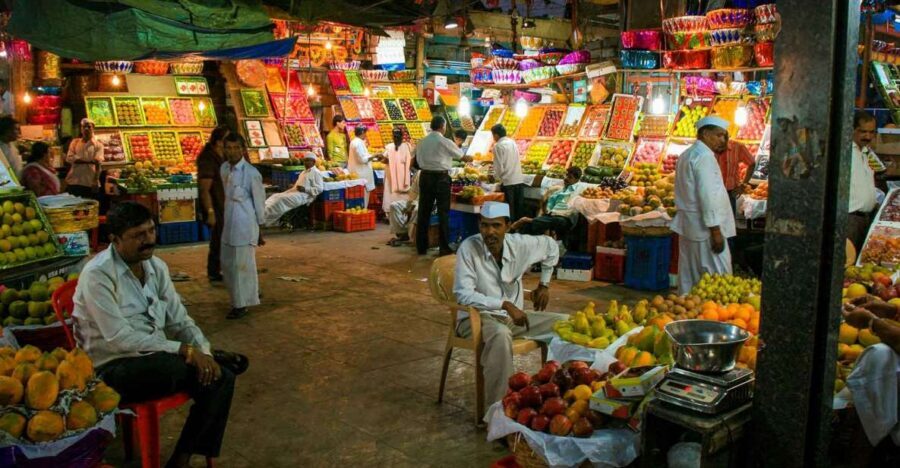
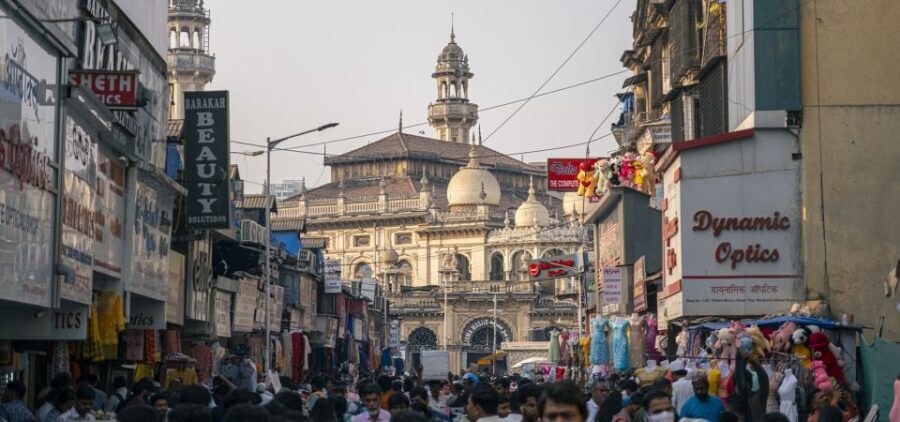
Mumbai can overwhelm fast. Wide streets split into narrow lanes, vendors call out across carts, and the sights change every few steps. What I like about this tour is that it doesn’t try to make the city neat. It helps you interpret it.
You’re moving through areas where people work, buy, and worship on the same streets. That’s the point. In a place like Mumbai, history isn’t only in monuments. It’s in the trading rhythm outside them—where textiles, produce, and daily necessities keep the city functioning.
You also get a nice “two worlds” balance. Markets show the practical engine of the city. Temples and the cow sanctuary show the spiritual and humane side of daily life—especially the respect given to cows and the institutions built around their welfare.
You can also read our reviews of more tours and experiences in Mumbai.


Getting There from Regal Cinema: A Quick Cab Start
The tour starts from one of two options, with Regal Cinema listed as a main meeting point. From there, you’ll take a black cab for about 15 minutes to begin the market route.
That cab segment matters. It’s short enough that you don’t lose time, but it helps you start the experience already in the thick of things. You won’t spend the whole early part figuring out where you are—your guide gets you oriented quickly and then you’re walking.
Also note the practical reality: the meeting point can vary depending on the option you book. So plan to arrive a bit early and keep an eye out for your guide instructions. The tour itself is designed to run rain or shine, so bring a light rain layer if weather is sketchy.
Crawford Market: Wholesale Fruit, Veg, and Meat With Real Mumbai Energy
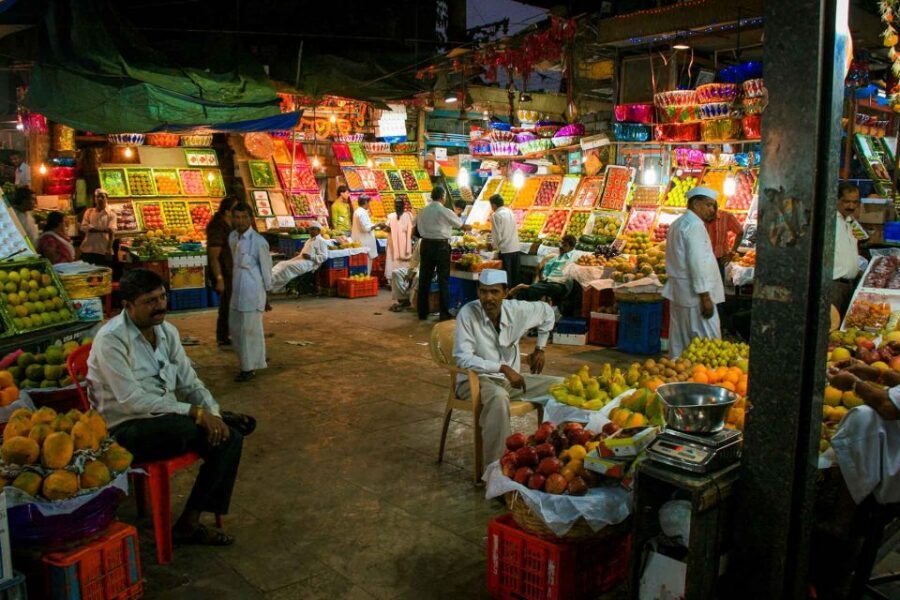
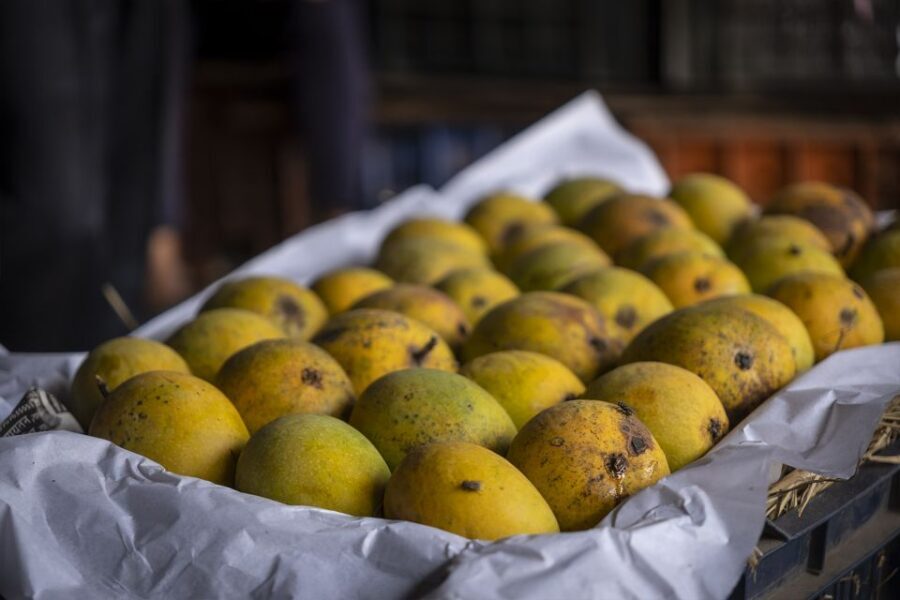
Crawford Market is one of those places that makes you feel your senses working overtime. This is a major wholesale stop—on this route you’ll see activity connected to large fruit and vegetable trading, along with meat market bustle.
What you’ll enjoy is how fast you learn to spot patterns. With a guide, the chaos becomes organized in your brain. You start noticing how people move, how goods are handled, and how vendors set up to serve buyers who are coming in for volume, not window-shopping.
A few realities to keep in mind:
- This is wholesale, so it can be busy and fast-moving. Stay close to the group and don’t stop suddenly in the middle of foot traffic.
- You may see strong smells and crowded aisles. It’s part of the experience, but it’s not always “comfortable.” If you’re sensitive, keep water handy and don’t linger where it gets most intense.
- The market scene can be a bit of a visual overload. That’s why the guide’s explanations matter—otherwise it can feel like noise with no story.
If you love street-level travel that isn’t sanitized, this is a highlight for your Mumbai checklist.
Mangaldas Market and Textile Lanes: Indoor Wholesale Clothing Culture
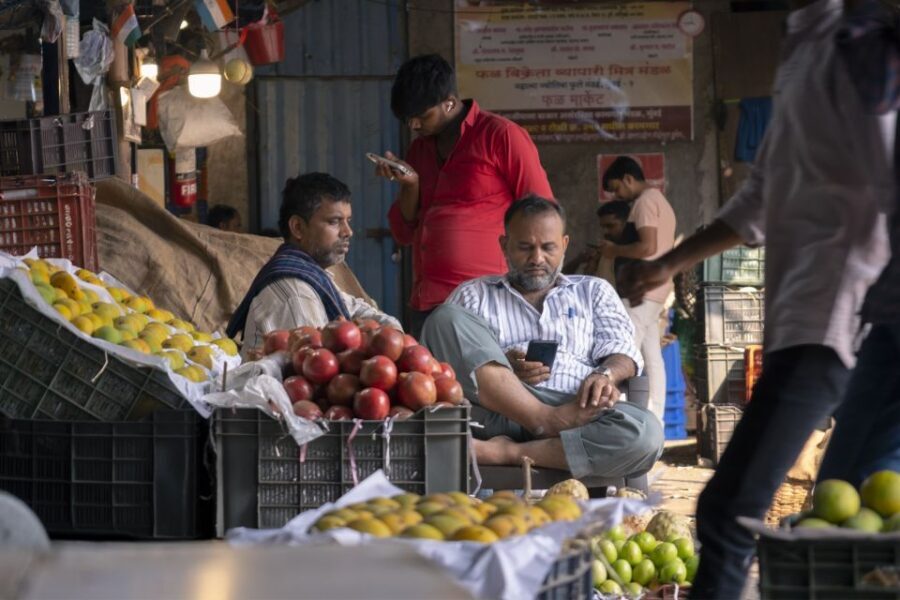
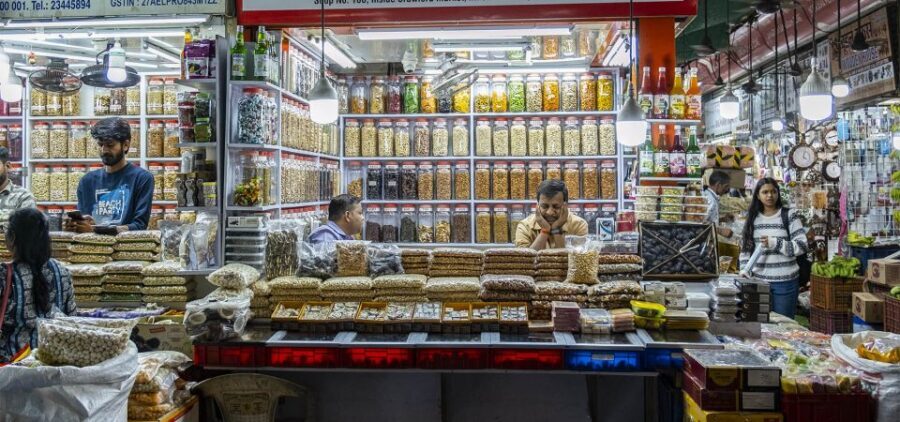
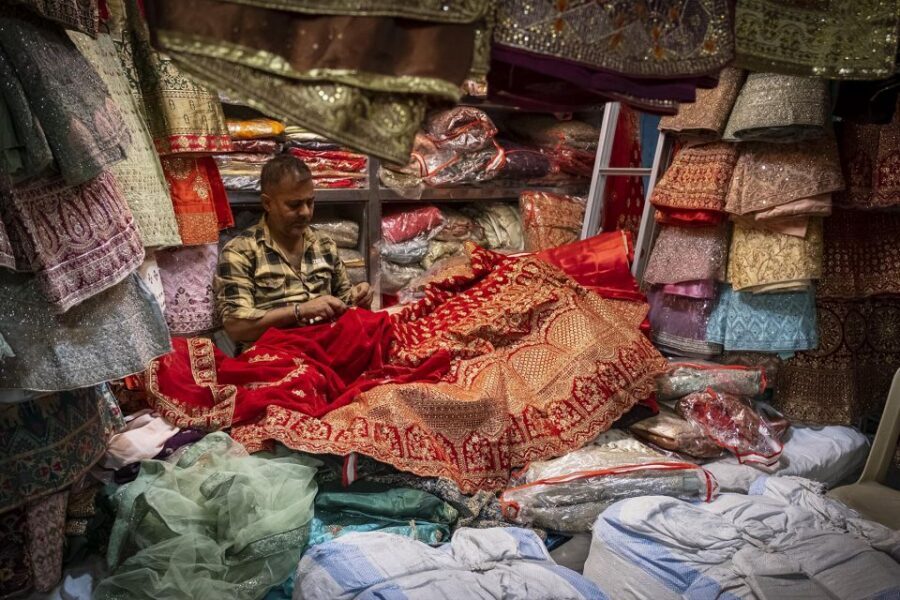
Next comes Mangaldas Market, described as the largest indoor wholesale textile market in Mumbai, where locals buy clothing.
This stop changes the temperature of the experience. Instead of open-street market bustle, you’re inside, looking at how textiles are stored, displayed, and traded in a system built for business. Clothes and fabric aren’t just products here. They’re bulk inventory and sourcing, and you can feel that difference the moment you step in.
What I like about covering a wholesale textile market is that it shows a side of Mumbai most visitors never see. You’re not only shopping what’s already finished—you’re seeing where supply chains begin. Your guide helps connect what you’re seeing to how Mumbai functions day to day.
If you’re the kind of traveler who likes understanding the city’s “how,” this is a good use of your time. You’ll get the feeling of the market as work, not entertainment.
Practical note: indoor market spaces can feel warm and tight. Go slow with your camera and watch where you step. If you’re bringing a phone for photos, keep it secure and ready—crowds move quickly.
Zaveri Bazaar: A Short Lift Through Another Layer of Local Trade
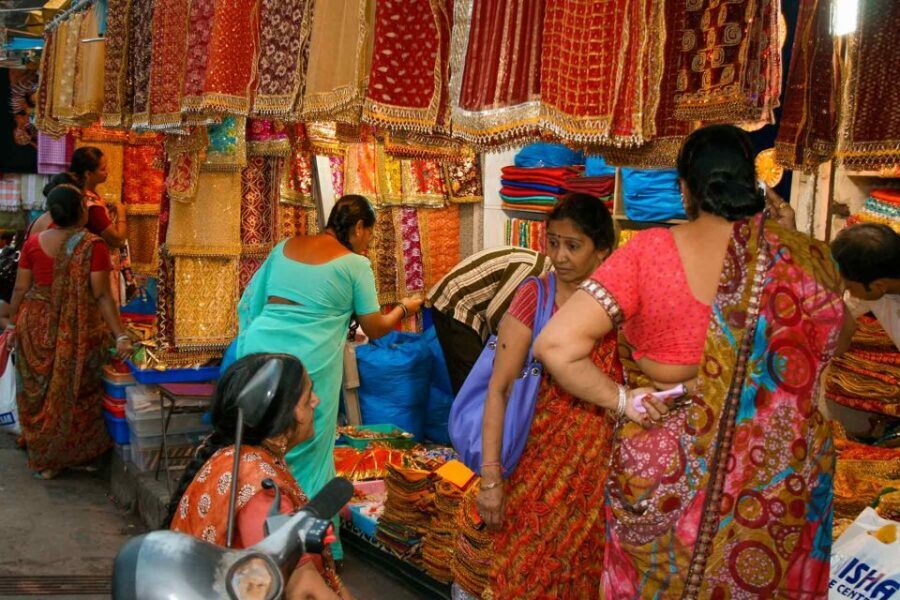
After Mangaldas, you’ll pass through Zaveri Bazaar for a guided visit and sightseeing stretch.
This part of the tour works like a connector. It keeps your walking route from turning into back-to-back market intensity without context. Even when a stop is shorter, it helps you understand that Mumbai’s economy is layered: each area has its own trading focus and its own flow of buyers.
Because the tour time is limited, don’t expect a deep dive into one specialty here. Instead, think of it as getting your bearings in another famous lane system while the guide points out what makes the street feel like it belongs to Mumbai, not a generic tourist map.
If you’re shopping-minded, you’ll likely notice how confidently locals navigate the small spaces. If you’re not shopping, you’ll still get something useful: how the city’s trade networks keep moving through narrow roads.





Mumbadevi Temple: The Historic Namesake of Mumba
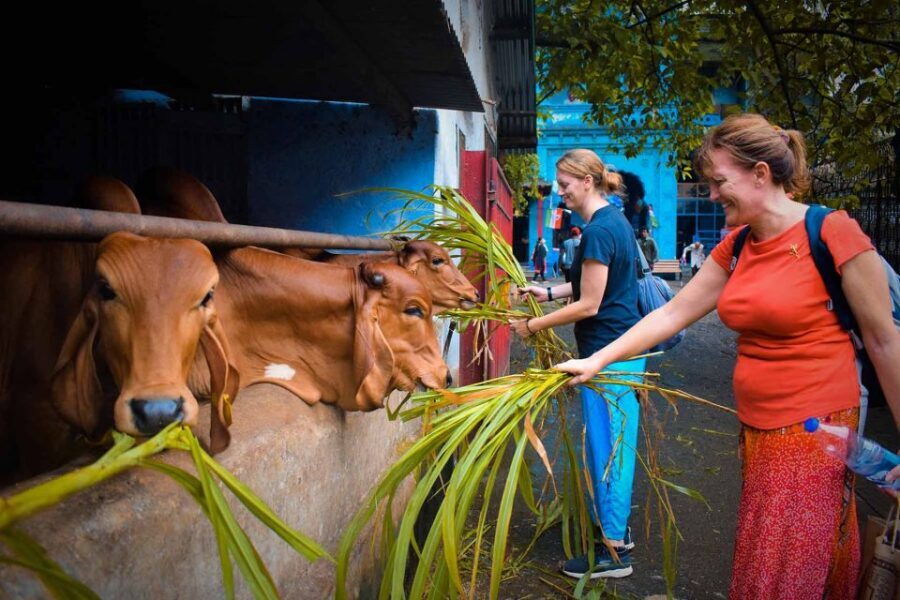
Then the route takes a meaningful turn toward spirituality: Mumbadevi Temple.
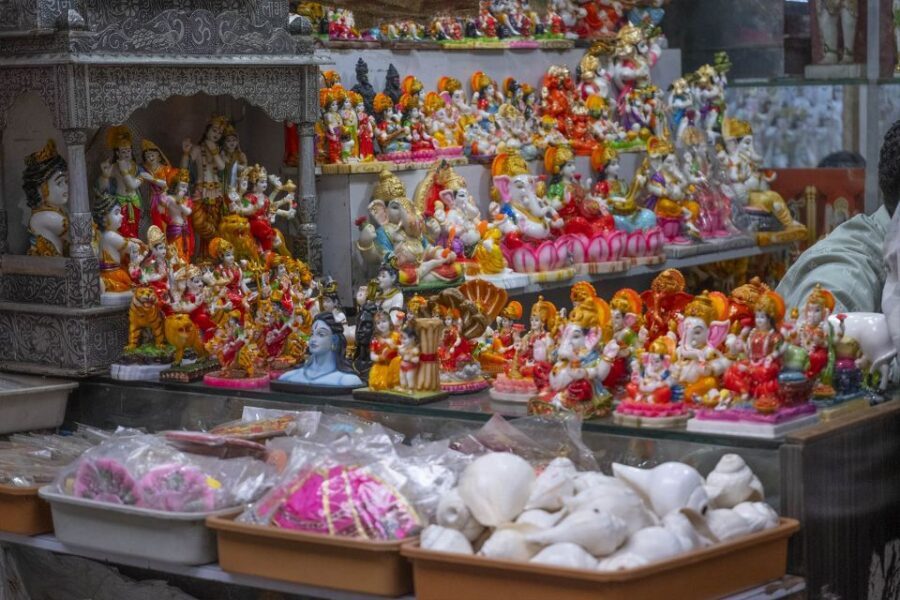
This temple is described as historic and tied to the name “Mumba.” That matters, because it frames the visit as more than a stop to photograph. You’re stepping into a tradition that’s woven into how people describe and understand the city.
What I value here is the guided element. Temples can look similar from a distance, but the details—how people approach, how the space is used, and what the temple represents—are what make the visit click. With a guide, you learn what to watch for while still keeping the experience respectful and calm.
Dress and behavior cues are important in any temple setting, and you’ll want to follow the guide’s lead. Keep movement slow. Don’t block the path of worshippers. Treat it as a living place, not a museum.
This is also the moment where the tour’s pace shifts from shopping energy to reflective quiet. Even if you don’t speak the language of the prayers, you’ll feel that shift.
Shri Mumbai Panjrapole Cow Sanctuary: Why Cows Are Treated Differently Here
After the temple, you’ll visit Shri Mumbai Panjrapole, described as a sanctuary for the welfare of more than 350 cows.
This stop is often the one that surprises people—in a good way. It takes Mumbai’s everyday reality and explains it with action. Instead of treating cows as a random street sight, you’re seeing an institution that cares for them.
What you’ll likely appreciate is the atmosphere: it’s not just about watching animals. It’s about the idea behind welfare and how people organize compassion into a functioning shelter.
You’ll have a guided visit and sightseeing time here, so you’re not just standing at a fence taking photos. Your guide can help you understand why this place matters in a cultural and practical way.
Respect goes a long way in animal welfare spaces. Don’t chase, don’t crowd handlers, and follow instructions from your guide. Keep your distance where needed and focus on observing calmly.
Price and Time: Is $27 Good Value for 2.5–3 Hours?
For $27 per person and a duration of 2.5 to 3 hours, this tour can be very good value—if your goal is a guided sampler of Mumbai’s “real” local scenes.
Here’s why the math works:
- You get a local English-speaking guide for the whole run. In markets, that guide is the difference between wandering and learning.
- You get water/cold drinks, which matters in heat and crowded indoor areas.
- You cover multiple categories: wholesale markets, a historic temple, and a cow welfare sanctuary. That’s a lot for a half-morning slot.
What’s not included is also worth knowing. Hotel pickup and drop-off aren’t included, and food isn’t included. So if you want lunch after, plan it. If you arrive hungry, consider grabbing something nearby before or after—don’t count on the tour to handle meals.
Drop-off ends at one of Chhatrapati Shivaji Terminus or Charni Road Railway Station (Girgaon) area, so you can smoothly connect to other plans without backtracking.
Rain or Shine: How to Prepare for This Walking-Heavy Market Day
This tour runs rain or shine, so plan for both walking comfort and sensory reality.
For a smooth day:
- Wear shoes you can walk in for a few hours, including narrow lanes and busy market edges.
- Bring a light rain layer or compact umbrella if weather looks questionable.
- Keep your day bag secure. Crowds plus transactions equals pickpocket risk anywhere, so treat it like a city market everywhere.
- Expect stops to be close together. You’ll feel like you’re moving constantly, so avoid shoes that slow you down.
If you’re uncomfortable with crowds or strong market smells, you can still do this—but you’ll want to manage your expectations. This isn’t a slow, quiet museum stroll.
Who Should Book This Tour (and Who Might Feel Underwhelmed)
This tour is a great fit if:
- You want a guided path through Mumbai markets without getting lost in the noise.
- You care about everyday culture, not only famous monuments.
- You’re interested in Hindu temple life and also want the cow welfare context at Panjrapole.
- You like meeting guides who explain with care—people have specifically praised Rakesh and Javid for being kind and passionate about sharing.
You might feel underwhelmed if:
- You want a heavy “big temples only” day. The temple portion is focused, centered on Mumbadevi, not a long list of headline landmarks.
- You’re looking for a shopping-focused luxury experience. This is about local trade and daily life, so it can feel intense.
Should You Book This Mumbai Local Markets & Temples Tour?
Yes, book it if you want a smart use of time and you like real Mumbai scenes. The $27 price makes sense because you’re buying guided access to high-energy wholesale spaces plus two culturally meaningful stops—Mumbadevi Temple and Shri Mumbai Panjrapole—all in a compact 2.5–3 hour window.
Skip or add a different option if your top priority is a longer temple circuit. This one is built to show you how markets and faith overlap in the city’s rhythm. If that’s your kind of travel, you’ll likely leave with your bearings much better than when you started.
FAQ
How long is the Mumbai Local Markets & Temples Tour?
The tour lasts about 2.5 to 3 hours.
What is the price per person?
The price is listed as $27 per person.
What is included in the tour price?
It includes a local English-speaking guide and water/cold drinks.
Is hotel pickup and drop-off included?
No. Hotel pick-up and drop-off aren’t included.
Where does the tour start and end?
The starting meeting point may vary depending on the option booked, with Regal Cinema listed as one starting option. The tour ends at one of two drop-off locations: Chhatrapati Shivaji Terminus or Charni Road Railway Station (Girgaon), Mumbai.
Which places do you visit?
You visit markets and sights including Crawford Market, Mangaldas Market, Zaveri Bazaar, Mumbadevi Temple, and Shri Mumbai Panjrapole.
Is the tour canceled in bad weather?
No. The tour runs rain or shine.
What language is the guide?
The live tour guide is English.
Can I cancel and get a full refund?
Yes. You can cancel up to 24 hours in advance for a full refund.
Is a private group available?
Yes, private group availability is listed.