REVIEW · MUMBAI
Mumbai Half-Day Guided Tour with Dhobi Ghat
Book on GetYourGuide →Operated by India Tour · Bookable on GetYourGuide
Half-day in Mumbai can change your whole trip. This guided route uses a private car and an expert local to connect big landmarks—Gateway of India, Dhobi Ghat, and Oval Maidan—with what Mumbai is like day to day. You’ll also get architecture and faith landmarks in the same sweep, so your first look at the city feels organized instead of random.
I especially like the way the guides turn famous buildings into human stories. Names like Nadeem and Abdul show up in standout accounts: they’re patient, quick to explain, and good at linking past and present without making it feel like a lecture. One possible drawback: with only half a day, the stops move at a steady pace, and food is on your own.
The good part is that the tour is built for fewer headaches. You get hotel pickup and drop-off, tickets included, and even Wi‑Fi in the car. Just bring your ID or passport and skip alcohol and drugs, since the tour doesn’t allow them.
In This Review
- Key things to look forward to
- A half-day Mumbai loop with a private car (and fewer headaches)
- Gateway of India and the Taj Mahal Palace area: start where Mumbai faces the sea
- Dhobi Ghat: laundry life you can’t fully replicate anywhere else
- Crawford Market and Oval Maidan: food smells and city pulse
- Chhatrapati Shivaji Maharaj Terminus (CST): architecture that rewards attention
- Mani Bhavan and Gandhi’s life: a calmer, human note
- Haji Ali: faith architecture with a memorable setting
- Price and logistics: why $45 can feel fair for this route
- Who this tour suits best (and who should look elsewhere)
- Should you book the Mumbai Half-Day Guided Tour with Dhobi Ghat?
- FAQ
- Is this tour half-day or full-day?
- How much does it cost?
- What’s included in the price?
- Are food and drinks included?
- What do I need to bring?
- What language is the tour guide?
- Is this tour suitable for everyone?
- Can I bring alcohol or drugs?
Key things to look forward to
- Private guide + driver to manage Mumbai traffic and parking stress
- Dhobi Ghat as a vivid window into laundry life right inside the city
- Gateway of India and Taj Mahal Palace area for classic waterfront views
- Crawford Market and Oval Maidan for the sights, sounds, and street-level energy
- Gandhi context at Mani Bhavan alongside major architecture like CST
A half-day Mumbai loop with a private car (and fewer headaches)
This tour is the kind that helps you get your bearings fast. You start with hotel pickup in Mumbai City and finish with a drop-off back where you started. That sounds simple, but in Mumbai it’s a big deal. With a driver taking on the roads and parking, your guide can focus on the why behind each landmark, not on logistics.
You’ll also have an air-conditioned vehicle and Wi‑Fi in the car, plus bottled water. For a half-day, that mix feels practical: you’re not scrambling for shade, you’re not spending mental energy on transport, and you can ask questions while you move between neighborhoods.
The guide portion matters most. Some accounts highlight how responsive guides are to small adjustments—like when a route shifts and transport is swapped to keep the day smooth. That’s exactly what you want when you have limited time. A good guide helps you see the city in a more orderly way: what to look for first at each stop, what details to notice, and how each location connects to the bigger story of Mumbai.
Price-wise, $45 per person is not cheap-cheap, but it’s also not “big-city luxury.” You’re paying for three things that are hard to replicate on your own in a half day: (1) an organized plan of major sites, (2) included entry tickets, and (3) private transportation. If you’re traveling with someone who doesn’t want to figure out timing, this is where the value shows.
You can also read our reviews of more guided tours in Mumbai


Gateway of India and the Taj Mahal Palace area: start where Mumbai faces the sea
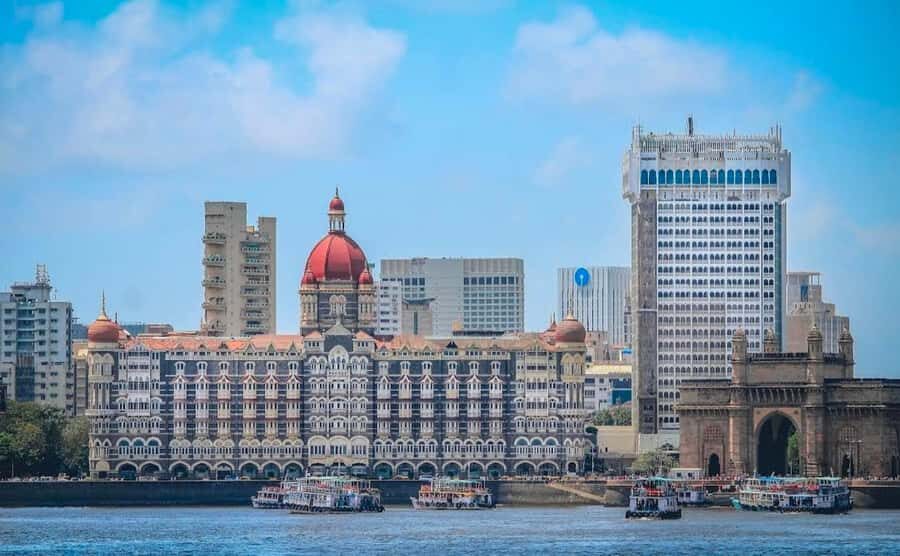
The Gateway of India is one of those places where the first view does the work for you. You get the iconic landmark right on the waterfront, plus the sense of arrival and history that comes with it. A guide here can add context without overdoing it—especially about why this spot became a symbol of Mumbai’s colonial-era connection to the world.
Right around the Gateway, you’ll also be in the wider Taj Mahal Palace zone. Even if you’re not going inside, being in the area helps you understand Mumbai’s layout: this is where the city’s early global-facing story played out, and where you still feel a “center stage” energy.
What I like about starting here is how it sets your mental map. Once you understand the waterfront location, everything else becomes easier to place: markets inland, major railway architecture, and the open-green feel of Oval Maidan nearby.
If you’re the kind of traveler who likes photos, plan to spend a little time just watching. At a waterfront landmark, the day’s mood changes quickly—light, crowds, sound levels, all shift. A guide can help you time it so you’re not fighting the worst moment.
Dhobi Ghat: laundry life you can’t fully replicate anywhere else
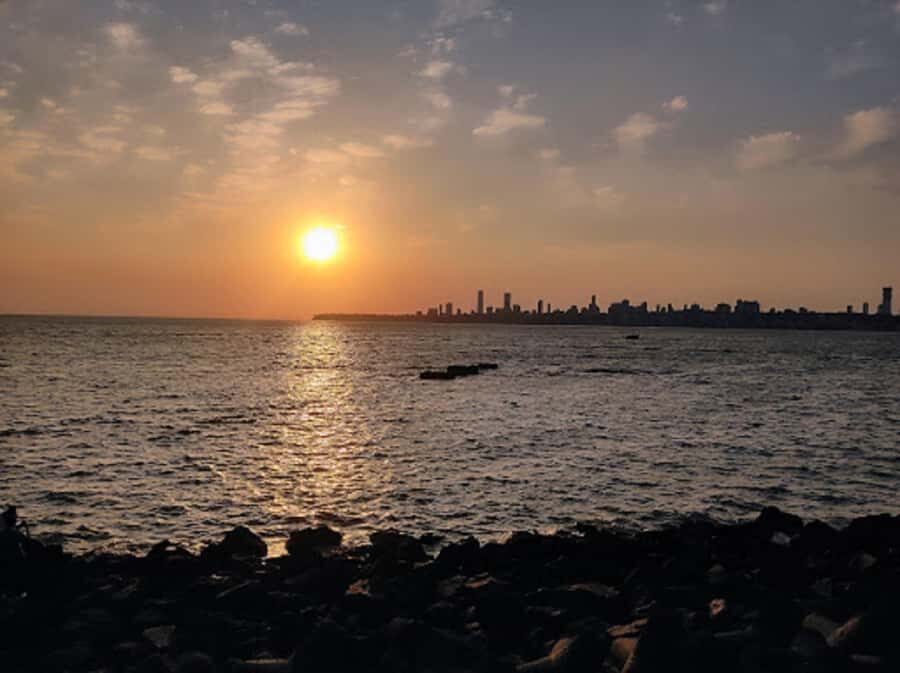
Dhobi Ghat is the big emotional contrast in this itinerary. This is not a “look and leave” stop. It’s a functioning place where labor and routine shape what you see. Your guide’s job isn’t to sugarcoat it. It’s to give you a respectful lens: what the area is used for, how it fits into the city, and why it continues to matter.
Expect sensory overload in the real way, not the tourist-brochure way. You’ll be close to washing activity, water flows, and the movement of people doing everyday work. That means you should dress and behave like a respectful visitor to a working community, not like someone passing through a museum set.
Photo-wise, it helps to ask yourself what you’re trying to capture. Wide shots give context. Close shots can feel intrusive if people are identifiable and not expecting visitors. A good guide can point out what angles feel considerate and what details are more about the place than the individuals.
One practical caution: this stop can be physically busy depending on when you arrive. Wear comfortable shoes and be ready for uneven footing. If you’re sensitive to heat or smells, plan for short, focused viewing rather than trying to linger in every corner.
Crawford Market and Oval Maidan: food smells and city pulse
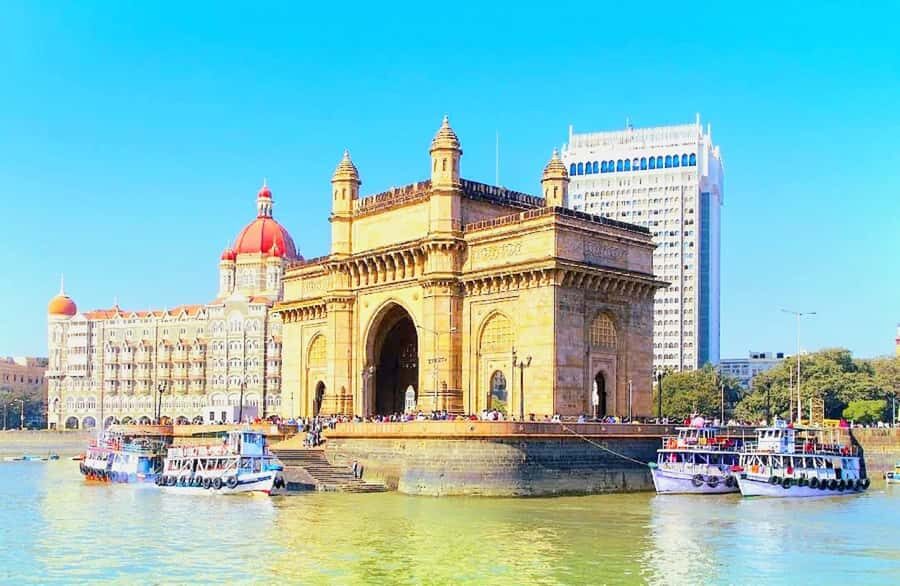
From Dhobi Ghat’s daily-work atmosphere, the tour shifts toward city scale—markets and open public space. Crawford Market is known for its intensity: you’ll be surrounded by stalls, movement, and the “everyday Mumbai” side of the city. Your guide should help you read the place. What you see first might be commercial, but with commentary you start noticing the layers—who comes here, how people shop, and how the market fits into Mumbai’s daily rhythm.
Then there’s Oval Maidan, a big open stretch that functions like the city’s breathing space. Even if you’re not going far into the park area, just being there helps you understand how Mumbai balances dense neighborhoods with broad public land. Oval Maidan is also one of those places where architecture and skyline views start to make sense once you’ve been guided to look for them.
What makes these stops good value in a half-day is variety. You get both an enclosed, sensory market environment and an open-space setting where you can relax your eyes. It also gives you time to ask questions in the middle of the day when your brain is switching gears.
Since food and drinks aren’t included, this is where you’ll want a plan. If you know you’ll get hungry, decide in advance whether you’ll grab a snack at the market area or save a full meal for after the tour. A guide may recommend where to eat, and that can be a shortcut compared to randomly choosing once you’re tired.
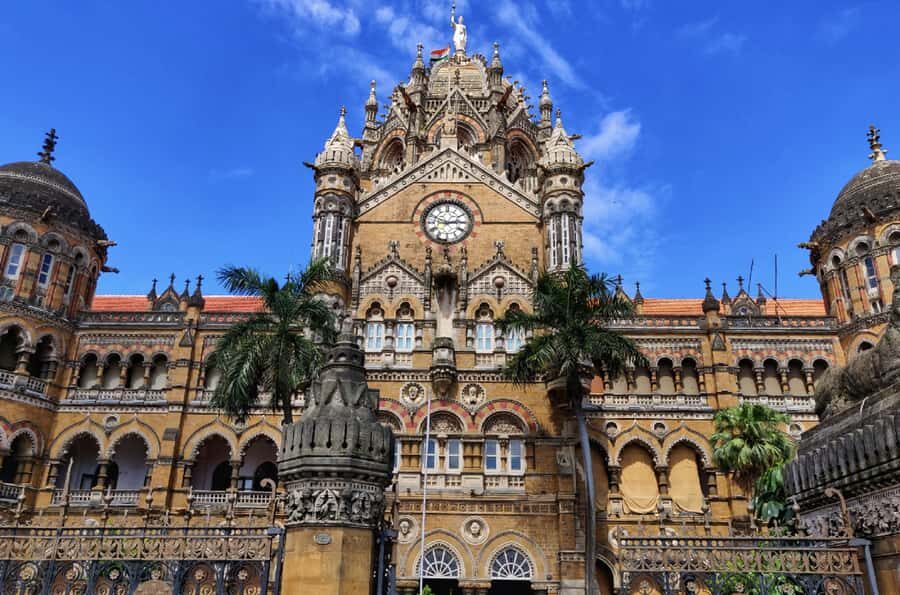
Chhatrapati Shivaji Maharaj Terminus (CST): architecture that rewards attention
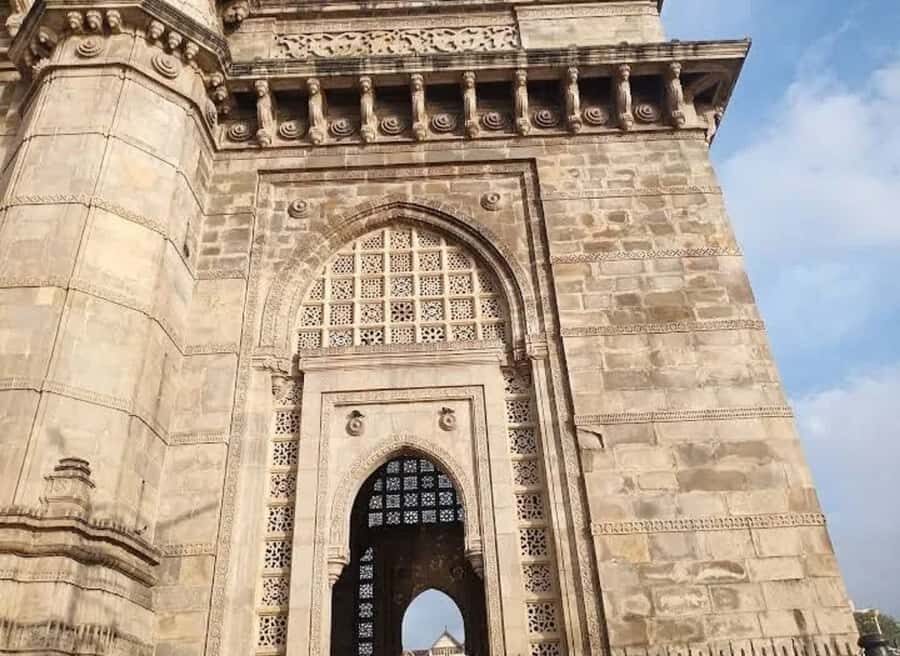
CST is the kind of building that makes you slow down. Chhatrapati Shivaji Maharaj Terminus isn’t just a landmark—it’s a masterpiece of design that you can read with the right lens. A guide helps you notice patterns and features that you’d likely miss if you were just walking by with your phone.
This stop also works well in the itinerary because it’s big and time-efficient. You can take in a lot in a short period: the façade, the sense of grand rail-era design, and the way the station area functions as a living hub.
Two things I think you’ll appreciate here:
First, the guide’s explanations make it easier to connect style to era.
Second, CST provides a clean anchor in your day. After markets and Dhobi Ghat’s working-life intensity, a major architecture stop can reset your focus and make the tour feel complete rather than scattered.
Wear layers if you’re visiting in warm weather. Stations and major outdoor buildings can swing between sun and shade fast, depending on your exact path and the time of day.
A few more Mumbai tours and experiences worth a look





Mani Bhavan and Gandhi’s life: a calmer, human note
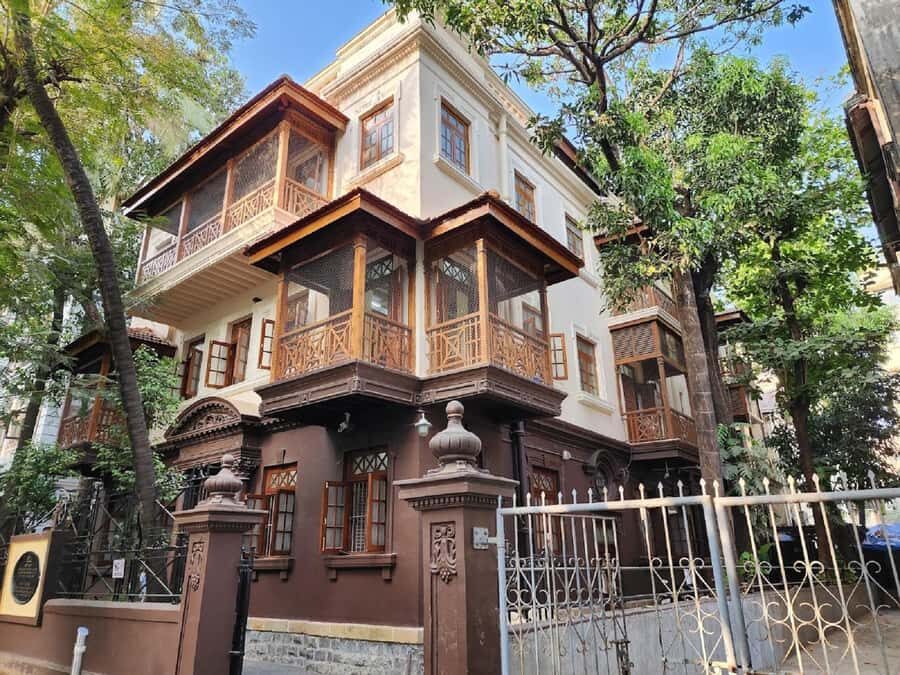
Mani Bhavan adds a quieter, more reflective layer to the tour. Gandhi’s residence site is the kind of stop where context changes everything. Without commentary, it can feel like “another museum-like place.” With a guide, it becomes part of the broader Mumbai story—politics, activism, and the real lives behind historical figures.
This stop also balances the louder streets you’ve been seeing. After a market and a busy public area, Mani Bhavan gives you a breather. You’ll likely come away thinking differently about what you just saw: not only how the city looks, but how people in it shaped change.
It’s also a good point in the day to slow down your pace. Even if the tour keeps moving, you’ll want a few minutes of calm attention here. If you like museums that feel personal—more about a person’s world than big abstract facts—this is usually the part that sticks.
Haji Ali: faith architecture with a memorable setting
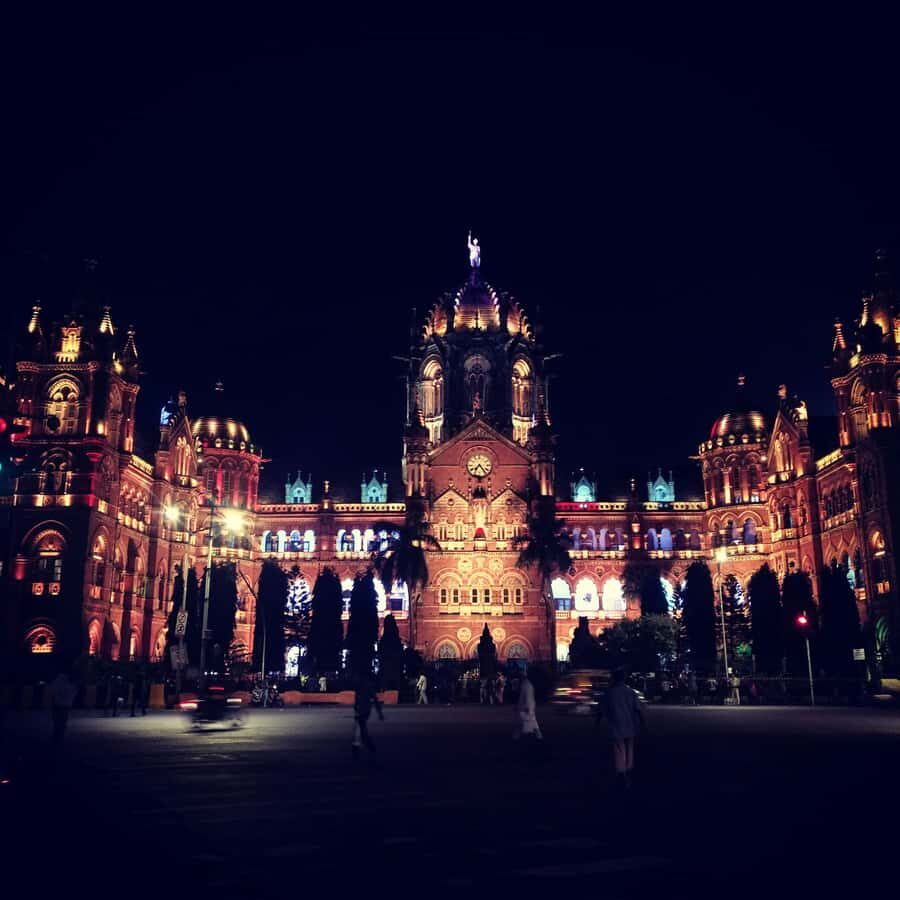
Haji Ali fits neatly into a half-day highlights tour because it offers two big things at once: religious importance and a striking setting. You’re seeing another layer of Mumbai’s identity—how different communities live, worship, and shape public space.
This stop is also helpful for orientation. After you’ve seen the waterfront start point and moved through inland sights, Haji Ali adds a sense of geography you can actually feel. It helps you understand why Mumbai’s culture is tied to both sea edges and dense urban neighborhoods.
In practical terms, treat it as a place of worship. The best experience usually comes from staying respectful with your pace, dress, and photo habits. Your guide will help you understand what is appropriate, and it’s worth listening. Even on a short tour, this is the kind of stop where a little etiquette makes the experience better for everyone.
Price and logistics: why $45 can feel fair for this route
Let’s talk value in plain terms. At $45 per person, you’re paying for a tight combination of transportation and guided interpretation. You’re not getting a long day where you drift from stop to stop on your own schedule. Instead, you’re getting a managed sequence of major sights plus entry tickets included.
If you tried to replicate it independently, you’d likely spend time on three pain points:
- figuring out route and timing across South Mumbai,
- managing rides and parking on busy streets,
- and building an itinerary that actually connects the landmarks (rather than just checking boxes).
The private car with driver helps with the first two, and the guide helps with the third. Also, accounts mention that drivers like Hazrat and Mehtam (and guides such as Abdul and Nadeem) handled traffic confidently, which is exactly what you want when the roads slow down fast.
One more value angle: the tour includes bottled water and Wi‑Fi in the vehicle. That doesn’t sound flashy, but it reduces small stress. In a city where delays happen, small comforts keep the experience smooth.
Just remember the tradeoff: it’s half-day, so you won’t have endless time at each stop. If you love slow photography sessions or want to linger for a full museum experience, you may feel the time squeeze. In that case, consider pairing this with extra solo time afterward.
Who this tour suits best (and who should look elsewhere)
This is a great fit if you’re:
- on your first trip to Mumbai and want major sights without planning fatigue,
- someone who learns faster with a guide explaining what you’re seeing,
- traveling in a pair or solo and don’t want to negotiate transport between neighborhoods.
It’s also a good choice if you care about the “why” behind landmarks. The best experiences in this tour seem tied to guide style—patient, responsive, and comfortable answering questions. You’ll see that theme across accounts that mention Abdul, Nadeem, Danish, and even Saif and Mahtab working with guests kindly and adjusting as needed.
It’s not a good fit for everyone. The tour notes it is not suitable for pregnant women. And if you prefer long, unstructured days, the half-day pace may feel tight.
If you want maximum comfort, plan for walking and standing during outdoor parts. Bring an ID card or passport copy as requested, and keep your expectations aligned: this is a highlights route, not a deep-study course.
Should you book the Mumbai Half-Day Guided Tour with Dhobi Ghat?
I’d book it if you want a smart first look at Mumbai with far less logistics work. You get an efficient mix of the city’s headline sights—Gateway of India, Dhobi Ghat, Crawford Market, Oval Maidan, CST, Mani Bhavan, and Haji Ali—plus entry tickets, a private guide, and a driver who handles the traffic so you can focus on the experience.
You might skip it if you want lots of free time at fewer sites, or if you’re traveling with mobility constraints, since it’s designed for active sightseeing across several stops. Also, because food and drinks aren’t included, you’ll need to handle meals yourself.
If your goal is simple—get your bearings, see the main landmarks, and understand what you’re looking at—this tour is a solid value at $45 per person. It’s exactly the kind of short, guided day that makes the rest of your Mumbai time easier.
FAQ
Is this tour half-day or full-day?
It’s a half-day guided tour.
How much does it cost?
The price is $45 per person.
What’s included in the price?
Pickup and drop-off in Mumbai City, entry tickets, a private tour guide, an air-conditioned vehicle, private transportation during the tour, Wi‑Fi in the car, bottled water, and all fees and taxes are included.
Are food and drinks included?
No. Food and drinks are not included.
What do I need to bring?
Bring your passport or an ID card. A copy is accepted.
What language is the tour guide?
The tour is listed as available in English.
Is this tour suitable for everyone?
It is not suitable for pregnant women.
Can I bring alcohol or drugs?
No, alcohol and drugs are not allowed.