REVIEW · MUMBAI
Mumbai: Elephanta Caves Tour with Ferry
Book on GetYourGuide →Operated by Nine Tours · Bookable on GetYourGuide
You’re headed for rock-cut temples and city views. A half-day setup like this is a smart way to taste Mumbai’s UNESCO side without giving up the rest of your afternoon. From the Gateway of India you get guided time that connects monuments, legends, and what you should actually look for at the Elephanta Caves.
I like that the tour builds in real breaks: local snacks and tea, plus bottled water. I also like the pacing—about an hour for the Gateway area, an hour focused on the caves, then back with time to regroup and take photos. One thing to watch: ferry and cave entry tickets aren’t always included, so you’ll want to budget for them (and plan for weather changes).
In This Review
- Key highlights worth your attention
- Gateway of India to Elephanta: the half-day logic that works
- The four-hour pacing: what you’ll likely feel on the ground
- Elephanta Caves: UNESCO stonework with a story in your head
- Gateway of India time: the city’s shoreline context
- Tea, snacks, and the small comforts that make it feel local
- The guide is the product: what you should look for in your host
- Price and value: what $21 really means (and what to budget for)
- Weather cancellations and the smart backup plan
- Who this tour is for (and who may want to tweak plans)
- Should you book this Elephanta Caves with Ferry tour?
- FAQ
- Where does the tour start and end?
- How long is the Elephanta Caves tour?
- Are entry tickets to the caves included?
- Is the ferry ride included?
- What’s included in the tour price?
- What if ferries are cancelled due to weather?
Key highlights worth your attention
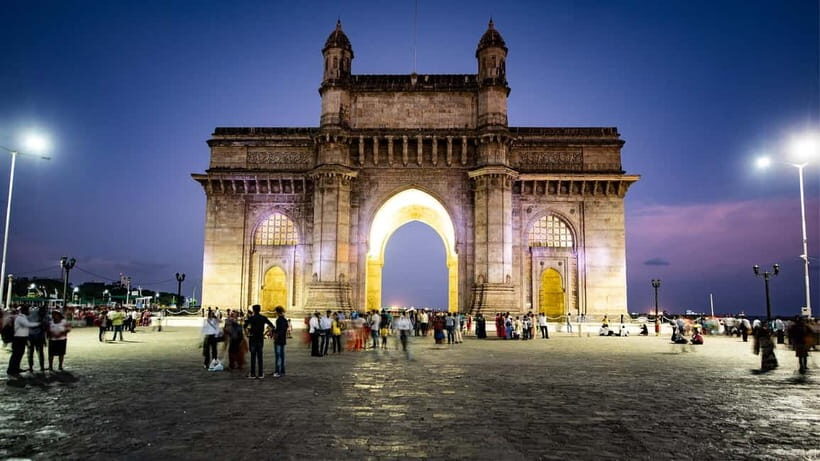
- Gateway of India start and finish: easy meeting point, ideal for a half-day plan
- UNESCO-focused cave time: guidance geared to what you’re seeing and why it matters
- Local snacks and tea: a genuine Mumbai-style food break, not just a quick stop
- Photography time built in: enough standing-around time to actually take good shots
- Guide-led dynastic stories: you’ll hear context that turns stone carvings into plot
- Weather flexibility: if ferries don’t run, your guide may arrange another UNESCO cave experience
Gateway of India to Elephanta: the half-day logic that works
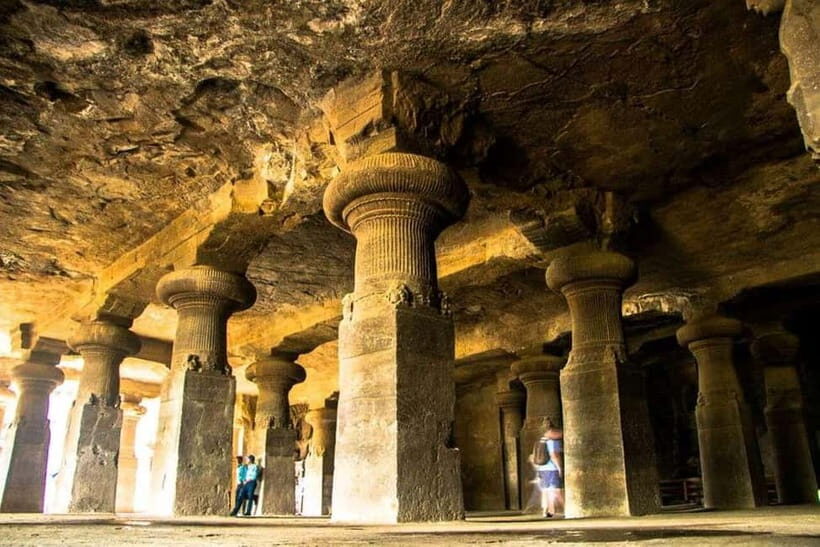
Mumbai can eat a whole day fast—traffic, crowds, lines, and the constant question of what to do next. This tour’s value is that it chooses one high-impact destination and wraps it with interpretation and small food comforts, all within a 4-hour window. If you’re trying to keep things efficient but still feel like you understand what you’re looking at, this format fits.
Starting at the Gateway of India also helps. It’s one of the clearest “anchor points” in the city, so you spend less time figuring out where you are and more time appreciating what you came for. The tour then keeps you moving between the city-facing viewpoint and the UNESCO cave focus.
And here’s the underrated part: the tour isn’t only about getting to the caves. It’s about knowing where to look—especially when you’re facing centuries-old rock carving details that can look similar at first glance. With a good local guide, those carvings stop being background texture and start becoming evidence of specific beliefs, patrons, and eras.
You can also read our reviews of more tours and experiences in Mumbai.



The four-hour pacing: what you’ll likely feel on the ground
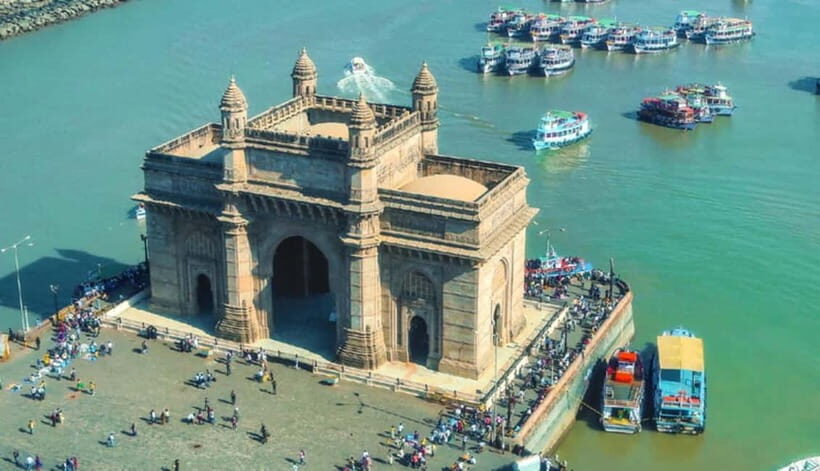
The itinerary is simple on paper: about an hour at Gateway of India, about an hour at Elephanta Caves, then back to the Gateway area for another hour. In real terms, that tends to feel like a structured sprint with enough pauses to breathe.
Expect the first Gateway portion to act like orientation. You’re there early enough to get your bearings, understand how Elephanta fits into Mumbai’s story, and hear what to watch for once you’re out on the island. Then you’ll head to the caves with a guide in “translation mode,” explaining the scene in human language.
The caves visit is short by design. That can be a good thing. An hour at Elephanta means you won’t get exhausted, and you’ll likely focus on the most meaningful areas rather than trying to cover everything. The included note about adequate time and photography opportunities matters here—you’re not rushed like a bus stop photo session.
Finally, the return to Gateway gives you time to settle your thoughts. If you want to extend the day on your own, this timing makes it easier to pivot toward dinner plans nearby rather than disappearing into the city at night.
Elephanta Caves: UNESCO stonework with a story in your head
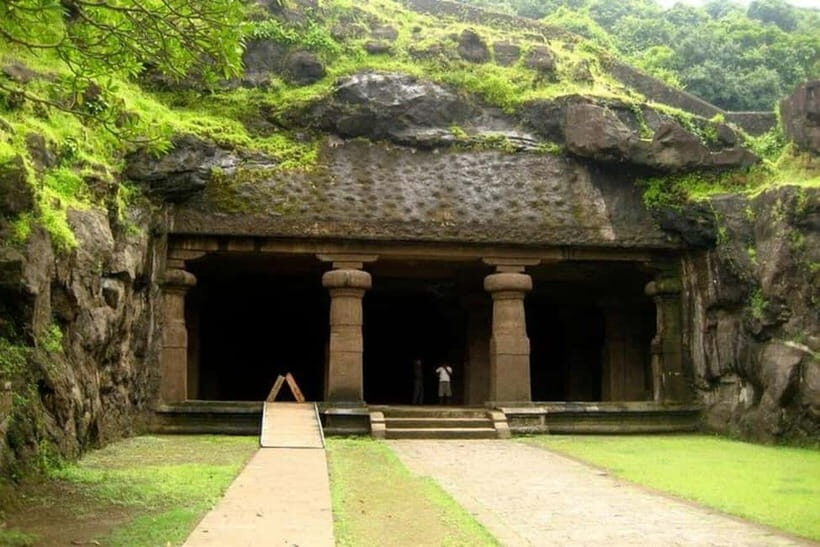
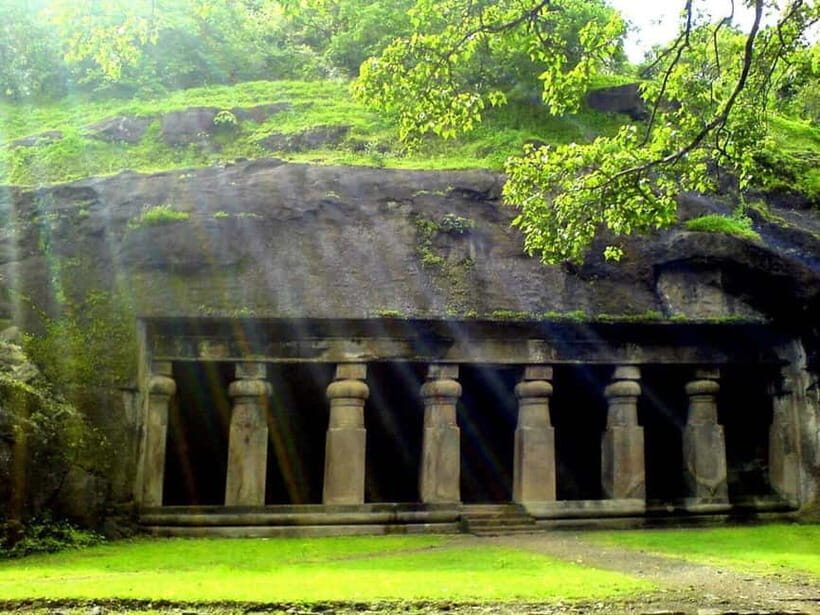
Elephanta Caves are UNESCO-listed, and that designation matters because it signals you’re looking at art with a long cultural memory. What you’ll get from this tour is the difference between seeing carvings and understanding what they represent. The guide is there to give you in-depth explanation and the “why” behind the stones—especially including dynastic tales tied to the city’s past.
Even if you’ve visited temples elsewhere in the world, don’t assume the details will be obvious. Rock-cut sites like Elephanta often reward close reading: the placement of figures, the repetition of motifs, and how different sections are organized. A guide’s job is to help you notice those patterns instead of just walking past them.
You should also know the practical reality: you’ll have about an hour at the caves. That’s enough for a meaningful circuit if you keep a steady pace and don’t get stuck photographing the same doorway for 45 minutes. For most people, this is ideal—enough time to learn, not so much that your attention fades.
The tour also includes built-in photography time, which is a big deal at sites like this. Without that, you end up rushing between spots and leaving with half the pictures you meant to take.
Gateway of India time: the city’s shoreline context
The Gateway portion can feel like a “waiting and viewing” chunk unless you know why it matters. Here’s why it’s useful: it frames the day’s perspective. You’re starting from one of the most famous maritime symbols in Mumbai, and that helps you understand how an island like Elephanta became part of the city’s religious and cultural map.
You’ll also get a guided walk-through style experience, where the guide helps connect the UNESCO site to broader Mumbai heritage and monuments. The tour description mentions UNESCO Heritage sites and museums, so even though the schedule highlights Gateway and Elephanta, you can expect the talk to include larger context while you’re at the starting point.
One practical tip: if you love photos, keep an eye on light. Early morning and late afternoon can change the mood of stone and water. The tour’s pacing gives you time to capture both the “city shoreline” views and the cave-focused images without feeling like you’re skipping half the story.
Tea, snacks, and the small comforts that make it feel local
I really like that this isn’t a sightseeing-only plan. You’re offered local snacks and you can experience local Indian tea culture during the tour. In a half-day trip, those details matter because they keep energy stable and help you connect Mumbai to daily life rather than only to monuments.
Also, it’s a logistics win. If you know you’ll be in transit and walking around a historic site for a few hours, having bottled water and snacks removes a lot of mental math. You don’t need to hunt for food between major stops.
Just manage expectations: lunch and alcoholic beverages are not included, so plan to eat before or after depending on your timing. If your goal is to keep the day light, snacks plus tea can be plenty—but if you’re very hungry after the caves, you’ll want a solid meal waiting back in the city.





The guide is the product: what you should look for in your host
This is a guided tour with an English-speaking guide, and based on real experiences, the guide quality can dramatically shape what you take home. The name Kaushal appears in the guide experiences shared with this tour. The feedback about Kaushal consistently points to two strengths: clear explanations on the site, and thoughtful conversation that connects history to modern Mumbai.
One detail I’d highlight for your planning: a great guide doesn’t just tell you facts. They also tell you what questions to ask—what to look for, what to ignore, and how to read visual clues in carvings. When that happens, even a one-hour cave visit becomes satisfying.
The best guides also adjust when conditions change. In one case, ferries were cancelled due to weather, and the guide contacted the group ahead of the scheduled meeting time to offer another option. That level of communication is exactly what you want in Mumbai, where plans can shift quickly.
Price and value: what $21 really means (and what to budget for)
At $21 per person, this tour can be a solid value for a half-day UNESCO experience if you budget correctly. Here’s the key: entry tickets are not included, and for foreigner nationality the price is listed as 760. That means your final cost is likely more than the headline rate once you add cave access.
Also check whether the ferry ride option is selected. The tour includes a ferry ride if you choose that option. If you don’t, you might still get the guided experience but not the island transport piece.
So how do you judge whether it’s worth it? Ask yourself these questions:
- Do you want a guide to explain what you’re seeing at a UNESCO cave site?
- Do you value the included snacks and tea enough to justify paying for those comforts rather than sourcing everything yourself?
- Are you okay paying separately for entry tickets and potentially ferry components?
For many visitors, the answer is yes—because a guided UNESCO visit costs time and attention, and paying a modest base fee can still be worthwhile even with extra ticket costs.
One more fairness note from the experiences shared: people sometimes expect tickets to be bundled. If you’re the detail-checking type (good instinct), confirm what’s included in the fee before you get to the dock.
Weather cancellations and the smart backup plan
Mumbai weather can be unpredictable, and ferry service is sensitive to conditions. The helpful part of this tour is that it’s designed with flexibility and safety measures. In one described situation, ferries to Elephanta were cancelled because of the weather, and the guide offered an alternate option ahead of time.
In that alternate experience, a different UNESCO cave site was suggested: Kanheri Caves. That replacement option came with extra nature context too: the caves are located in a national park area with active wildlife, including birds and two types of monkeys. You could also hike up to a top viewpoint for a city panorama, including views toward both the East and West.
Now, a caution: you shouldn’t assume Kanheri will always be the substitute. What you can count on is the fact that the guide is able to pivot and contact you early. If your trip is time-sensitive, this flexibility is a real advantage.
Who this tour is for (and who may want to tweak plans)
This tour is a good fit if you:
- Want a half-day UNESCO experience without overcommitting your schedule
- Like walking tours where someone helps you interpret monuments and carvings
- Appreciate small cultural add-ons like tea and snacks
- Prefer a straightforward meeting point at Gateway of India
You might consider another option if you:
- Want a full-day Elephanta experience with more exploration time
- Are trying to do this entirely on your own budget with no separate guiding context
- Have strict mobility limits, since caves and outdoor walking can be uneven (the tour includes safety measures, but accessibility details aren’t specified here)
Also, if you’re travel-checklist obsessed, you’ll love this experience planning challenge—confirm ferry option, confirm entry ticket costs, and you’ll reduce surprises.
Should you book this Elephanta Caves with Ferry tour?
I’d book it if your top goal is to see Elephanta in a guided, efficient way and you’re okay treating ticket costs as a separate line item. The included extras—English guide, bottled water, snacks, tea, and photography time—help the price feel more meaningful than a barebones transport service.
You’ll especially benefit if you enjoy stories: dynastic context turns the caves from pretty stone into a narrative you can follow. And if you happen to get a guide like Kaushal, the emphasis on clear explanations and practical food recommendations afterward is the kind of service that makes a short tour feel complete.
Skip or reconsider if ferry access is a must-have and you’re arriving during a time you expect weather disruption, since conditions can change. Still, the backup planning shown in experiences is reassuring.
If you want the simplest decision rule: book it when you want a smart half-day UNESCO hit from a famous Mumbai meeting point—and when you’re willing to budget for entry tickets and confirm whether the ferry option is included in your booking.
FAQ
Where does the tour start and end?
The tour starts and ends at Gateway of India, Mumbai.
How long is the Elephanta Caves tour?
The duration is 4 hours.
Are entry tickets to the caves included?
No. Entry tickets are not included. For foreigner nationality, the listed ticket cost is 760.
Is the ferry ride included?
A ferry ride is included only if the ferry option is selected.
What’s included in the tour price?
The tour includes an English-speaking guide, bottled water, local snacks, time for photography, and flexibility/safety measures. The ferry ride is included if you select that option.
What if ferries are cancelled due to weather?
In at least one documented situation, when ferries were cancelled because of weather, the guide contacted the group and offered another option before the scheduled meeting time.