REVIEW · MUMBAI
Mumbai: Discover India’s Largest Slum -A Local’s Perspective
Book on GetYourGuide →Operated by The Urban Curious · Bookable on GetYourGuide
You can’t forget what you see here. This 2-hour walking tour of Dharavi is guided by a resident, and it focuses on daily life: market lanes and hands-on craft areas, plus a rooftop view that puts the neighborhood in perspective. I also like that it’s built around what people actually do—waste-to-products work, pottery, leather, and embroidery—so you come away with something concrete, not just images.
One possible drawback: the route involves walking through narrow lanes and active work areas. If you’re expecting a gentle sightseeing stroll with lots of big, open spaces, you may feel the pace is a bit intense.
The tour also adds a film-history layer: you’ll visit the real Slumdog Millionaire filming locations, tied to the idea of Who Wants to Be a Millionaire? That movie connection is interesting, but the point here is the neighborhood’s energy and creativity—not movie trivia.
In This Review
- Key Things That Make This Tour Worth Your Time
- Starting at Third Wave Coffee in Mahim (Easy to Find)
- Why a Dharavi Resident Guide Changes the Whole Experience
- Markets Where Daily Needs Drive the Neighborhood
- The Recycling District: Turning Waste Into Value
- Craft Workshops: Pottery, Leather, and Embroidery in One Route
- Pottery Area (with a hands-on try)
- Leather Workshops (skill you can see)
- Embroidery Units (precision up close)
- Bakery Stop and Community Projects: Life Beyond Work
- Slumdog Millionaire Filming Locations: Pop Culture With a Point
- Rooftop View of Dharavi: The Best Perspective Moment
- Cost and Value: What $10 Buys in 2 Hours
- The 2-Hour Reality: What to Expect From the Pace
- Who Should Book This Dharavi Walk (and Who Might Skip)
- A Quick Decision Guide: Should You Book?
- FAQ
- Where does the tour start?
- How long is the Dharavi walking tour?
- Is transportation included from my hotel?
- What languages are offered on the tour?
- Is this a group tour or private?
- What’s included in the tour?
- What should I bring?
- Are meals included besides the bakery sampling?
- Is the Slumdog Millionaire part actually included, or is it just mentioned?
- What are the booking options if my plans change?
Key Things That Make This Tour Worth Your Time
- A resident of Dharavi as your guide: you get local context that doesn’t feel like a script.
- Markets plus maker zones: you’ll see everyday buying and working side-by-side.
- Recycling district work: waste gets turned into usable value, up close.
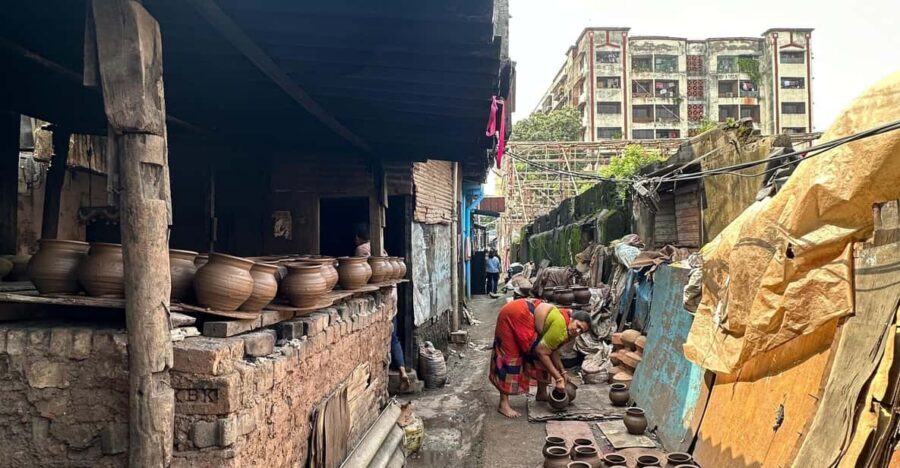
- Pottery, leather workshops, embroidery units: craft is the star, including a chance to try pottery.
- Rooftop panorama and filming locations: you finish with wide views and a Slumdog Millionaire connection.
Starting at Third Wave Coffee in Mahim (Easy to Find)
The tour starts outside Third Wave Coffee, Mahim (Senapati Bapat Marg). This matters because Dharavi’s a big place and it’s easy to get turned around without a clear meetup point. If you’re taking an Uber or tuk-tuk, use that coffee shop as your landmark, then look for your guide in the meeting area.
I like that the tour sticks to a tight time frame—about 2 hours—because it keeps things focused. You’re not trying to “check off” everything in Mumbai; you’re walking through one neighborhood with intent.
Practical tip: wear shoes you can trust. This is a working area with uneven ground, and comfort affects how much you enjoy the stops.
You can also read our reviews of more tours and experiences in Mumbai.


Why a Dharavi Resident Guide Changes the Whole Experience
A local resident guide is the difference between watching Dharavi and understanding it. The tour is specifically led by someone who lives in Dharavi, and they’re there to explain the logic of what you’re seeing—markets, workshops, and community spaces—based on everyday reality, not vague impressions.
This kind of guidance also helps with one tricky part of tours like this: respectful conversation. When the person showing you around knows how to frame the neighborhood, you’re more likely to ask questions that feel natural instead of intrusive.
I also appreciate the tour’s language options—English, Hindi, and Marathi—because it’s easier to follow details and ask follow-ups when you’re not relying on guesswork.
Markets Where Daily Needs Drive the Neighborhood
In the first stretch of the walk, you move through local market areas—fresh produce, everyday goods, and the constant motion of people doing their shopping and selling. This is where Dharavi stops feeling like a label and starts feeling like a place.
Here’s what I think is most useful for you: markets show the economy as a living thing. You’re not just seeing “poverty” or “work.” You’re seeing how people organize daily life—where they source things, how they move, and what kinds of goods keep the wheels turning.
One thing to keep in mind: markets are active. You’ll want to be patient with crowds and enjoy watching rather than trying to photograph everything. In places like this, a calm pace usually gets you the best answers.
The Recycling District: Turning Waste Into Value
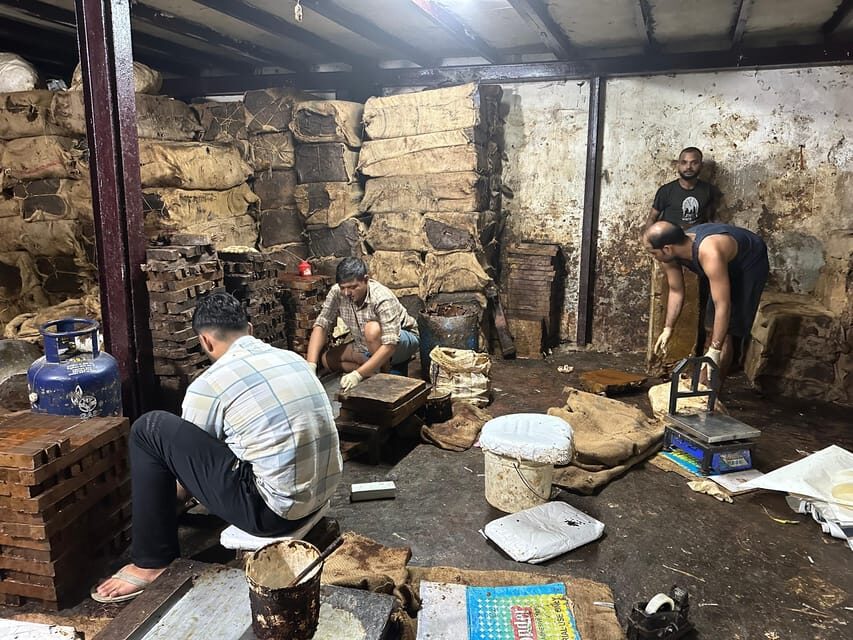
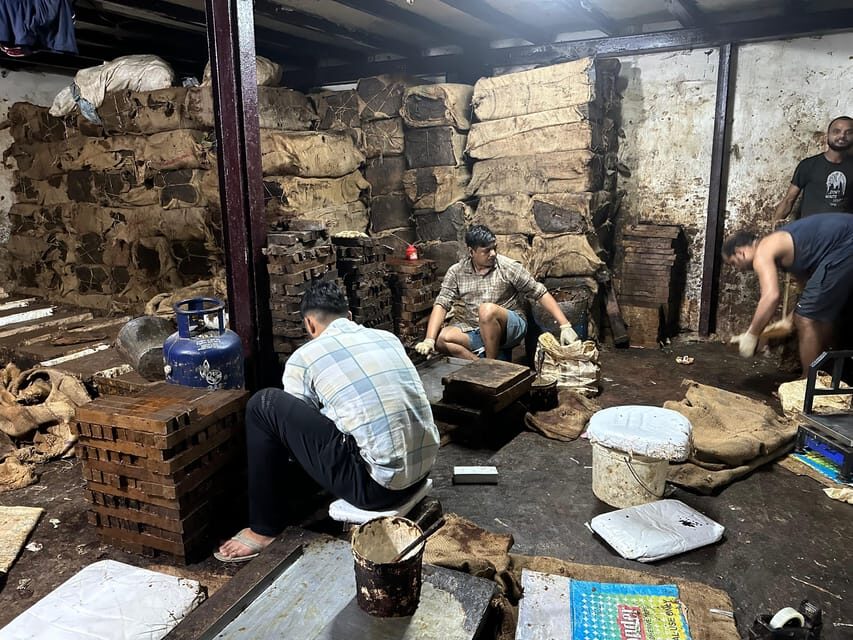
The tour includes a stop focused on Dharavi’s recycling district, where waste is transformed into valuable products. This is often the part that gives visitors their first real “wait, really?” moment.
What you’ll notice is that the work isn’t random. People handle materials with practical skill and clear purpose. The tour’s commentary helps connect the dots: why recycling matters here, how work gets organized, and how the neighborhood’s creativity shows up in tangible outcomes.
This isn’t about romanticizing hardship. It’s about recognizing systems—how people adapt when resources are limited, and how value can be created from things most places throw away.
For photography: focus on hands, tools, and processes when appropriate. If you want people to be comfortable, ask your guide what’s okay before you lift your camera.
Craft Workshops: Pottery, Leather, and Embroidery in One Route
This tour is built around craft areas, and each one teaches a different kind of skill.




Pottery Area (with a hands-on try)
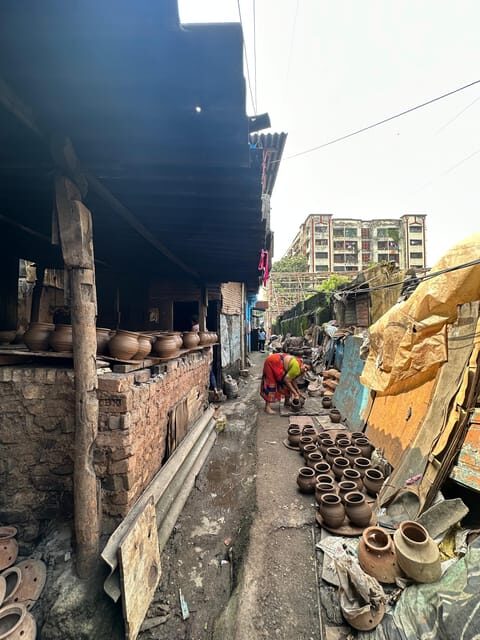
You’ll visit the pottery workshops where artisans work with clay and tools. The tour includes a chance to try pottery yourself, which is a big deal for value. Even a short try helps you understand why craft work deserves respect: it takes time, coordination, and patience.
Leather Workshops (skill you can see)
Next comes the leather workshops, where you can observe high-quality leather goods being made. You’ll learn about the craftsmanship involved—how the process requires know-how, not just raw materials. If you enjoy product-making, this section is a strong use of your time because you see the workflow rather than only the finished items.
Embroidery Units (precision up close)
Finally, you’ll check out embroidery units, where intricate designs get created on fabric. Embroidery is all about detail, so when you watch someone work, you understand how time becomes texture. It’s also a section where questions feel especially welcome, because you can ask what tools are used and how designs are built.
If you buy anything, treat it as supporting the craft—not as a souvenir hunt. The tour is designed to show you where the work comes from.
Bakery Stop and Community Projects: Life Beyond Work
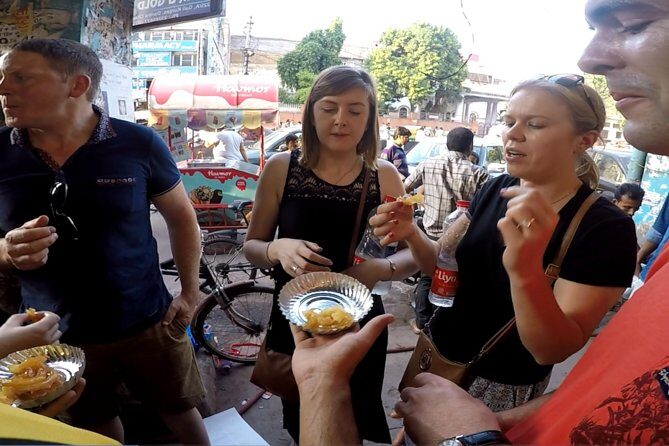
You get a taste from a local bakery, with freshly baked goods as part of the experience. This is one of those simple travel moments that helps you connect with the neighborhood beyond the visual weight of workshops. Food also makes the tour feel less like a lecture and more like a day spent with locals.
Then the tour shifts to community projects, with visits to places like schools and health centers. This portion is important because it prevents the story from becoming one-dimensional. Dharavi is portrayed as a place where work happens, but also where people try to improve daily life through local initiatives.
If you want to understand Dharavi in a balanced way, this combination—work + community—gets you there faster than a tour that only focuses on either side.
Slumdog Millionaire Filming Locations: Pop Culture With a Point
The movie connection is real: the tour includes the filming locations of Slumdog Millionaire. You’ll also hear how the film was inspired by the concept from Who Wants to Be a Millionaire?
Why this matters for you: pop culture references can be a shortcut to recognition, but the tour uses them as a doorway to the neighborhood itself. You’re not just chasing a famous set. You’re using the movie link to understand why Dharavi drew international attention—and, more importantly, what’s lived there every day regardless of cameras.
It’s a great contrast moment. From one angle, you’re thinking about film scenes. From another, you’re seeing real streets and real routines. The switch helps you avoid treating Dharavi like a “story.” It’s a place.
Rooftop View of Dharavi: The Best Perspective Moment
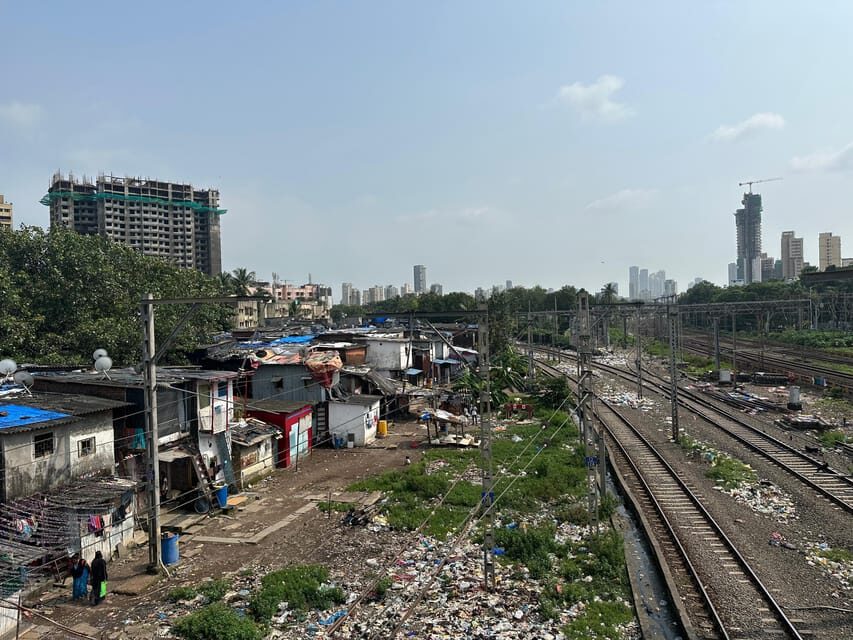
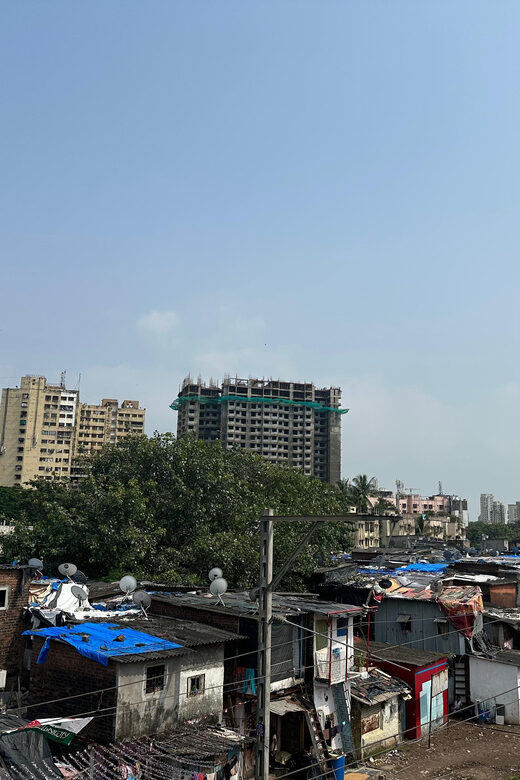
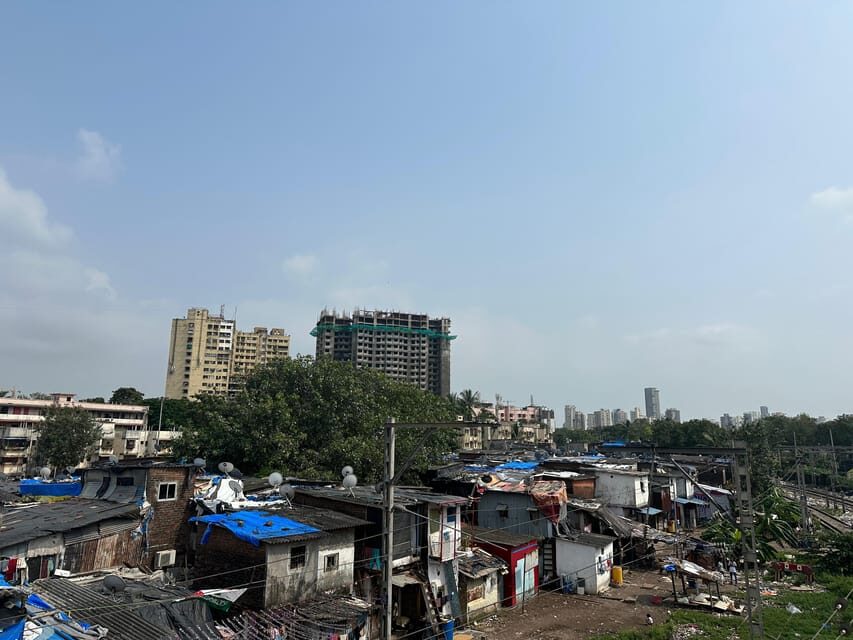
The tour ends with a panoramic rooftop view of Dharavi. This is one of the most effective ways to reset your thinking after hours of narrow lanes and close-up work areas.
From up high, you can better understand scale—how dense the neighborhood is, how structures relate to one another, and how the layout affects daily life. I find this moment does two jobs: it makes the tour feel complete, and it gives you a mental map you can carry into the rest of your Mumbai trip.
Take a breath here. If you only photograph from street level, you’ll miss the bigger pattern.
Cost and Value: What $10 Buys in 2 Hours
At $10 per person, this tour is priced like a budget activity, but it’s not “cheap” in terms of what you get. For that money you’re paying for:
- guided access with a local Dharavi resident
- multiple stops across markets, recycling, workshops
- visits tied to Slumdog Millionaire filming locations
- a rooftop view
- a small food sample from a local bakery
- a small group setup that keeps the experience personal
So the real value isn’t just the sights. It’s the access plus the framing. If you’ve ever done Mumbai tours that feel like a bus ride with stops, this is the opposite: you walk, you pause, you ask, and you get context as you go.
One note: transportation to the meeting point isn’t included. You’ll need to get yourself to Third Wave Coffee, Mahim on your own.
The 2-Hour Reality: What to Expect From the Pace
This is a walking tour of roughly 2 hours, with breaks and photo stops built in. You’ll likely cover a fair amount on foot, and because the tour moves through working areas, you’ll see things that feel more “real life” than “tour spectacle.”
What I think helps most people enjoy it:
- go with a curious mind, not a checklist
- keep your questions respectful and specific
- expect close-up viewing rather than grand sightseeing
Also, the tour is offered as a private group, which often makes it easier to tailor questions and keep interactions comfortable.
Who Should Book This Dharavi Walk (and Who Might Skip)
This tour is a strong fit if you want:
- a local perspective led by someone who lives in Dharavi
- craft and small-industry viewing (pottery, leather, embroidery)
- a guided look at recycling work and community projects
- an added cultural hook through Slumdog Millionaire filming locations
- a finish with a rooftop view for context
You might want a different option if you’re uncomfortable walking on uneven ground, or if you’re looking for a purely scenic experience with minimal interaction and explanation.
A Quick Decision Guide: Should You Book?
If you’re visiting Mumbai and you care about seeing how people build livelihoods and community in the middle of a tough reality, I’d book this. The resident guide, the mix of workshops + community stops, and the rooftop perspective are the combination that turns a short tour into something memorable.
If you only want famous landmarks with minimal walking and minimal human contact, you’ll probably find this tour too personal and too grounded. But if you can handle a focused walk and want to understand Dharavi beyond headlines, this one is a smart choice.
FAQ
Where does the tour start?
The meeting point is outside Third Wave Coffee, Mahim (Senapati Bapat Marg). You’ll meet your guide there.
How long is the Dharavi walking tour?
The tour lasts about 2 hours, including walking time and stops.
Is transportation included from my hotel?
No. Transportation to and from Third Wave Coffee, Mahim is not included.
What languages are offered on the tour?
The live guide can share the tour in English, Hindi, and Marathi.
Is this a group tour or private?
It’s listed as a private group with a small-group feel for a more personal experience.
What’s included in the tour?
Included are guided visits to markets, recycling district, pottery, leather workshops, embroidery units, Slumdog Millionaire filming locations, a local bakery sampling, and a rooftop view, plus commentary about day-to-day life.
What should I bring?
Bring comfortable shoes. You’ll be walking through the area.
Are meals included besides the bakery sampling?
Meals beyond the freshly baked goods sampling are not included.
Is the Slumdog Millionaire part actually included, or is it just mentioned?
It’s included as a visit to real-life filming locations tied to Slumdog Millionaire.
What are the booking options if my plans change?
You can cancel up to 24 hours in advance for a full refund, and you can also reserve now & pay later.