REVIEW · MUMBAI
Mumbai by Dawn: Explore Markets, Docks, and Daily Life
Book on Viator →Operated by Linda Tours Mumbai · Bookable on Viator
Mumbai looks different at dawn than it does later. This 3.5-hour morning walk-and-drive tour strings together CSMT, Dadar markets, and Dhobi Ghat so you understand how the city starts its day. I really like how it focuses on everyday work—commuters, fish graders, market sellers, and laundry crews—so the sights feel lived-in rather than staged.
Two standouts for me are the architecture of CSMT and the hands-on-feeling stops at Dadar, where you’re close to trade in produce and flowers. The other big win is the tour’s pacing with local support, including the kind and attentive help described by guide Shruti and the friendly scheduling support from driver Arjun. One possible drawback: because it runs in the morning, you’ll want to be ready for an early start and a bit of time on your feet.
In This Review
- Key highlights at a glance
- Dawn in Mumbai: a city you can actually read
- Meeting at Regal Cinema and getting a smooth start
- CSMT: Chhatrapati Shivaji Maharaj Terminus and the commuter heartbeat
- Sassoon Dock Road: fresh-catch work and the Koli connection
- Dadar fruit and vegetable market: how the morning trade feels
- Flower market at Dadar: colors, scents, and everyday demand
- Dhobi Ghat: the open-air laundry at scale
- Tour pace, transportation, and why the route works
- Price and value: what $33.34 actually buys you
- Who this tour is best for (and who should think twice)
- Should you book Mumbai by Dawn?
- FAQ
- FAQ
- How long is the tour?
- What is the price per person?
- Where does the tour start?
- Does the tour include pickup?
- Is this a private tour?
- Is there a ticket for Chhatrapati Shivaji Maharaj Terminus?
- Is Sassoon Dock Road admission free?
- Which other stops include admission tickets?
- How does confirmation work after booking?
- What is the cancellation policy?
Key highlights at a glance
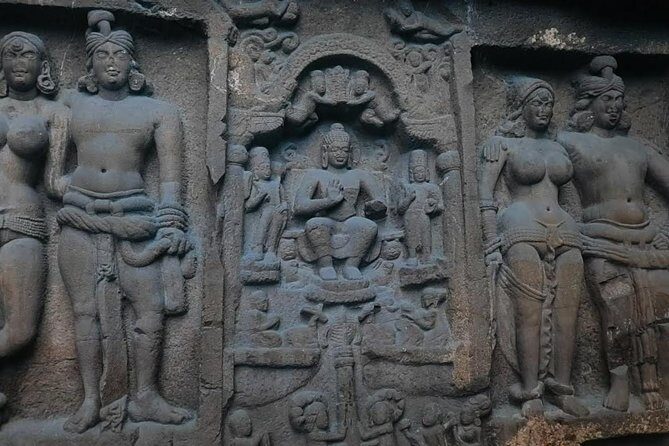
- Chhatrapati Shivaji Maharaj Terminus (CSMT): ticketed stop at a railway hub used by about 660,000 commuters daily
- Sassoon Dock Road: watch fresh catch arrival and grading connected to Koli fisherfolk
- Dadar fruit and vegetable market: seasonal produce view during daily local trading
- Dadar flower market: see how marigolds and other blooms move through morning sales
- Dhobi Ghat: world-scale open-air laundry scene, with thousands of garments being washed and dried
Dawn in Mumbai: a city you can actually read
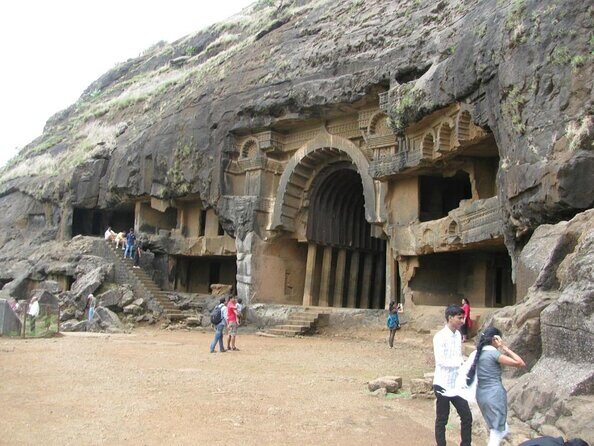
Dawn is when Mumbai’s systems start to hum. Roads tighten up, vendors begin weighing and sorting, and commuters stream through the big transport points. On this tour, that timing matters because you’re not just looking at buildings and markets—you’re seeing them doing their jobs.
What I like is that the day-to-day focus gives you context fast. You’ll connect CSMT to what comes through the docks, and you’ll connect those food and flower markets to what gets sold each morning. If you’re short on time and want a “how the city works” snapshot, this is built for that.
You can also read our reviews of more tours and experiences in Mumbai.


Meeting at Regal Cinema and getting a smooth start
The tour meets at Regal Cinema, Colaba Causeway, opposite Chhatrapati Shivaji Maharaj Vastu Sangrahalaya, near Apollo Bandar in Colaba. You’ll finish back at the same meeting point, so there’s less stress about where to end your morning.
This also helps with timing. A lot of Mumbai’s best street scenes are spread out across neighborhoods, and starting from a clear, central landmark keeps the route straightforward. The tour also offers pickup, which is a bonus if you don’t want to figure out getting to Colaba at early hours.
One more practical point: the experience is marked as private, so only your group participates. That tends to mean less waiting around for strangers and fewer delays from mixed pacing. And because it’s listed as near public transportation, you’re not trapped if you need an easy escape route.
CSMT: Chhatrapati Shivaji Maharaj Terminus and the commuter heartbeat
Your first stop is Chhatrapati Shivaji Maharaj Terminus (CSMT), also referred to as CST in the description, for a short visit of about 20 minutes. The attraction here isn’t just that it’s famous—it’s that it’s active. The station welcomes roughly 660,000 commuters daily, so it’s still functioning like a living city hub.
You also get a chance to appreciate the architectural side. The station is described as the former Victoria Terminus Railway Station and noted as one of the most architecturally stunning buildings in India. Even during a quick visit, that kind of scale changes how you look at the rest of the morning. It’s easier to understand why people and goods flow the way they do when you start at the transit engine.
The ticket is included for this stop, which keeps the morning simple. If you hate standing in lines to buy entry or figure out payment rules early in the day, this part is designed with you in mind.
Sassoon Dock Road: fresh-catch work and the Koli connection
Next comes Sassoon Dock Road, where the tour focuses on the life of Koli fisherfolk—the original inhabitants of Mumbai, in the tour description. This stop is about 30 minutes, and it’s ticket-free.
Here’s what makes it more than a photo stop: you’re set up to see the arrival and grading of over 50 tonnes of fresh catch. That’s a lot of volume, and watching grading work helps you understand that fish markets run on speed, sorting, and constant handling. The details of the process may not be explained in a lecture, but the scene itself does the teaching.
Possible consideration: docks can be messy and busy, and morning can mean unpredictable movement around loading and unloading. I’d come prepared for real-world conditions—no fragile outfits, and expect you’ll be near active work rather than a quiet exhibit.
Dadar fruit and vegetable market: how the morning trade feels
After the docks, you jump to something visually different: Dadar Fruit And Vegetable Market. This stop is about 25 minutes and includes an admission ticket.
What you’re looking at here is seasonal produce—eggplants, okra, and other vegetables listed in the description—along with the pace of local trading. The main value is that you see ingredients moving from daily supply into household menus without the tourist filter. Even if you don’t buy anything, the price tags, the sorting, and the way stalls are set up help you understand what “market life” means in Mumbai.
I also like the sequencing here. Food systems make more sense when you’ve just seen how something lands at the docks. Now you’re seeing what gets sold next, and you can picture the chain in between.





Flower market at Dadar: colors, scents, and everyday demand
Then it’s on to Flower Market Dadar for another 25 minutes, with admission included. The tour description highlights a mix of flowers, including marigolds and orchids, and notes that the air is filled with floral scents as vendors sell blooms.
This stop is a useful contrast to the food markets. Food is practical and fast-moving; flowers add a different kind of economy—decor, gifting, religious use, and everyday purchase habits. You’ll feel how the city’s mornings support both the routine and the symbolic side of life.
Practical tip: if you’re sensitive to strong smells, be aware that flower areas can be intense. Otherwise, this is a great moment to slow down a little, take in the colors, and watch how quickly people decide what they want.
Dhobi Ghat: the open-air laundry at scale
The final stop is Dhobi Ghat, described as the world’s largest open-air laundry. You’ll spend around 20 minutes here, with an admission ticket included.
The scene is on a big scale: thousands of garments are washed and dried in open air, and the tour description points to skilled dhobis (laundry workers) performing the work. The educational value isn’t only that it exists—it’s that you can see systems at work. Instead of imagining a laundry operation, you can watch it happen in front of you, with real routines and real effort.
Possible drawback: this is a working site. Expect daily life to be in motion, and expect you’ll need to look where you’re walking. If you prefer quiet, controlled environments, Dhobi Ghat can feel intense. But if you want to understand Mumbai as a working city, this is one of the best stops in the whole morning loop.
Tour pace, transportation, and why the route works
This experience lasts about 3 hours 30 minutes. That’s long enough to see multiple neighborhood hubs, but short enough that you won’t burn your whole day before midday.
The route also uses smooth, comfortable transportation throughout, according to the overview. That matters in Mumbai because travel time can eat your energy. When the plan is built to move you efficiently between markets, stations, and dock areas, you get more of the experience and less fatigue.
I also appreciate that the tour is described as having local guides and comfortable logistics, and one review specifically calls out that guide Shruti was kind and attentive. Another review highlights driver Arjun as friendly and helpful in covering a lot of ground across the city. Those small details matter because they’re what usually decide whether a short morning feels rushed—or feels like you truly got oriented.
Price and value: what $33.34 actually buys you
The listed price is $33.34 per person, and it’s described as booked on average 27 days in advance. For many city tours in India, the cost often reflects either transportation comfort, guide time, or entry fees. This one includes ticketed stops—at least for CSMT, Dadar fruit and vegetable market, Dadar flower market, and Dhobi Ghat—while Sassoon Dock Road is ticket-free.
That combination is the value play. You’re not just paying for a guide to point and talk; you’re also paying for access where it counts. When multiple stops include admission, the price can feel more reasonable than it looks at first glance.
Also, it’s listed with pickup offered, group discounts, and a mobile ticket. Those are small practical benefits that add up, especially when you’re dealing with early morning timing. If you’d rather spend your energy watching Mumbai rather than planning every entry step, this pricing structure supports that.
Who this tour is best for (and who should think twice)
This is a strong fit for you if:
- you want a morning-focused introduction to Mumbai’s daily life
- you like street-level work scenes: markets, docks, and a working laundry site
- you prefer a guided loop that reduces planning work and keeps time tight
It may be less ideal if you:
- hate early starts (it’s explicitly designed for dawn)
- want only polished, restful sightseeing and fewer working environments
- have difficulty with movement near active stalls and open-air operations
If you’re traveling solo, this still works because the tour is private to your group, and the format is designed for smooth coverage across different neighborhoods.
Should you book Mumbai by Dawn?
I think you should book this tour if you want an efficient, human-scale way to understand Mumbai. The biggest selling point is the structure: you start at CSMT, connect to the dock catch system, then move through Dadar’s food and flower trade, and end at Dhobi Ghat where daily labor is visible at massive scale. That chain of stops makes the morning feel coherent.
Book it now if you like having a plan that already handles admissions for several key sites and keeps transportation organized. Based on the strongest praises tied to the experience—Shruti’s attentiveness and Arjun’s help covering ground—this is the kind of tour where the guide and driver really affect the quality of your time.
FAQ
FAQ
How long is the tour?
It runs for about 3 hours 30 minutes.
What is the price per person?
The price is $33.34 per person.
Where does the tour start?
The meeting point is Regal Cinema, Colaba Causeway, opposite Chhatrapati Shivaji Maharaj Vastu Sangrahalaya, Apollo Bandar, Colaba, Mumbai.
Does the tour include pickup?
Pickup is offered.
Is this a private tour?
Yes. It’s private, and only your group participates.
Is there a ticket for Chhatrapati Shivaji Maharaj Terminus?
Yes. Admission ticket is included for the CSMT stop.
Is Sassoon Dock Road admission free?
The admission ticket for Sassoon Dock Road is listed as free.
Which other stops include admission tickets?
Dadar Fruit And Vegetable Market, Flower Market Dadar, and Dhobi Ghat each list admission tickets as included.
How does confirmation work after booking?
Confirmation is received at the time of booking.
What is the cancellation policy?
You can cancel for a full refund up to 24 hours before the experience starts. If you cancel less than 24 hours before, the amount paid won’t be refunded.