REVIEW · VARANASI
Morning Tour Varanasi
Book on GetYourGuide →Operated by Gagan Kumar · Bookable on GetYourGuide
Sunrise on the Ganges feels unreal in Varanasi. I love how the tour starts on the river with a long-tail boat ride, and I also love the way you then slip into the old city lanes while the day is still fresh. One thing to plan for: the Kashi Vishwanath Temple area can get crowded, so expect some waiting and elbow-room.
The overall vibe is spiritual without being vague. You’ll see daily rituals at major ghats like Dashashwamedh and Manikarnika, then walk through tight streets where local life shows up fast—shops, temples, and working crafts. Your guide, Gagan Kumar (English/French), helps you connect what you’re seeing to the why behind it.
Because it’s a short, active morning, the pace is brisk. If you’re not comfortable walking on uneven stone steps and narrow lanes, you’ll feel it. Also note the tour isn’t suitable for wheelchair users or hearing-impaired guests.
In This Review
- Key highlights worth getting up for
- Where the tour starts: Om Natural by Assi Ghat
- Long-tail boat at sunrise: the easiest way to understand Varanasi
- Assi Ghat to the central ghats: how the morning walk unfolds
- Dashashwamedh Ghat in the morning: a calmer side of a famous place
- Manikarnika Ghat: learning the customs around death and rebirth
- Maharaja Harishchandra Burning Ghat: ritual context matters
- Lolark Kund: a short stop that adds a different angle
- Exploring the narrow lanes: temples, shops, and Banaras silk weaving you might spot
- Kashi Vishwanath Temple: when spirituality meets crowd reality
- Birla Mandir: a different kind of calm at the end of the loop
- Food and breaks: chai/coffee and lunch without derailing your morning
- Timing, group size, and what the $32 really buys you
- Practical tips to make this morning go smoothly
- Should you book this Morning Varanasi tour?
- FAQ
- How long is the Morning Tour Varanasi?
- Where do we meet?
- Is there a boat ride included?
- What language is the guide available in?
- What’s included in the tour price?
- Can I cancel if plans change?
Key highlights worth getting up for
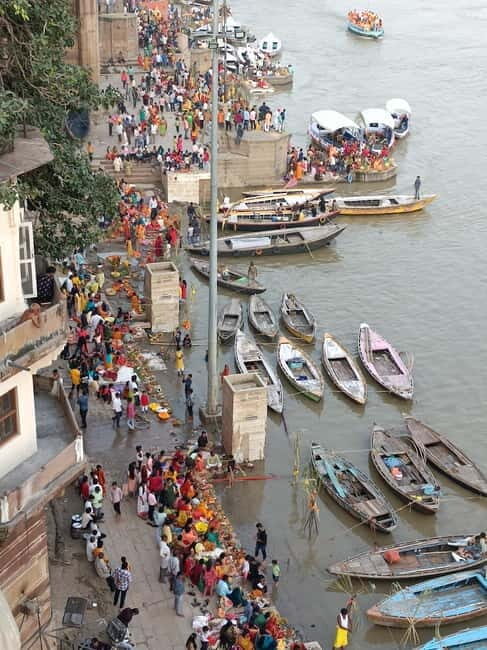
- Sunrise boat from Assi Ghat with the first light on the river and ghats waking up
- Dashashwamedh Ghat in the morning (not the evening show) so you can watch rituals more calmly
- Manikarnika cremation ghat and the local customs around death and rebirth
- Guided walk through Assi’s lanes with temples, small shops, and Banaras silk weaving you might spot
- Kashi Vishwanath Temple visit with a heads-up to check visiting hours because lines can happen
- Stops like Lolark Kund and Birla Mandir to round out the morning beyond just the ghats
Where the tour starts: Om Natural by Assi Ghat
This is a morning tour, so the first advantage is simple: you get going early and avoid some of the later crush. You meet at Om Natural, right next to Assi Ghat. That location matters because it keeps the timing tight. You’re not shuttled across town before the real show begins.
From the start, you’ll feel how practical the tour is. There’s a plan, but it still leaves room to react to what’s happening on the river and at the ghats. Your guide’s role is to keep you oriented: where to stand, what to watch, and what’s respectful to do (and not do) in places that are active with real local routines.
If you’re the type who likes to understand what you’re photographing, you’ll appreciate this approach. The morning in Varanasi can look chaotic from the outside. With a good guide, it starts to make sense.
A few more Varanasi tours and experiences worth a look

Long-tail boat at sunrise: the easiest way to understand Varanasi
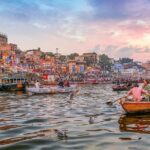
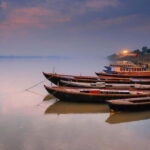
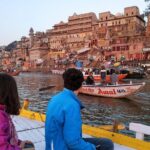
The heart of this tour is the shared long-tail boat ride, sailing for about 1.5 hours. This isn’t a sightseeing cruise where everything is staged. You’re on the Ganges while the day is just switching on.
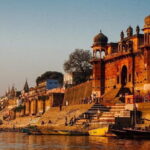
What you’ll notice right away is scale and rhythm. The ghats are busy in a way that feels both ordinary and sacred. You may spot locals performing morning rituals, washing, and preparing for the day. And because the boat is small and close to the action, you see more than you would from the shore.
One of the best parts is the lighting. Early sun plus water reflections can turn the whole scene into a photo you keep thinking about later. Even if the sky is hazy or you catch a bit of fog, it tends to make the river look more spiritual than dramatic.
Practical note: you’ll be sitting on a boat in river air. Bring layers (the tour suggests bringing a jacket) and be ready for cool-to-warm swings. You’ll also want your phone/camera ready, but don’t block others’ views. Basic boat etiquette goes a long way here.
Assi Ghat to the central ghats: how the morning walk unfolds
After the boat, you’re back at Assi Ghat and you shift into walking and guided stops. There’s also a tuk-tuk element included in the tour, which helps when distances between points get annoying—or when the steps and lane crossings would slow you down too much.
A good morning strategy in Varanasi is to follow your guide’s pacing. The lanes can feel like a maze at first, and you’ll be tempted to sprint ahead for photos. Don’t. Slow down. Watch where the crowd flows and where it doesn’t. That’s how you spot the places that feel more lived-in than tourist-only.
You’ll get guided context along the way. That’s important because the ghats aren’t just “pretty river steps.” They are places where people mark life stages, practice faith, and handle daily needs. When you understand that, the scenes feel less confusing.
Dashashwamedh Ghat in the morning: a calmer side of a famous place
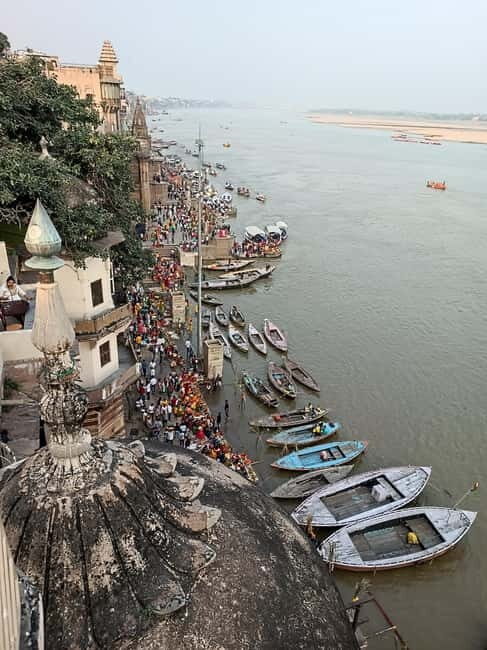
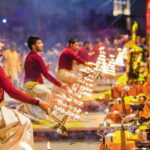
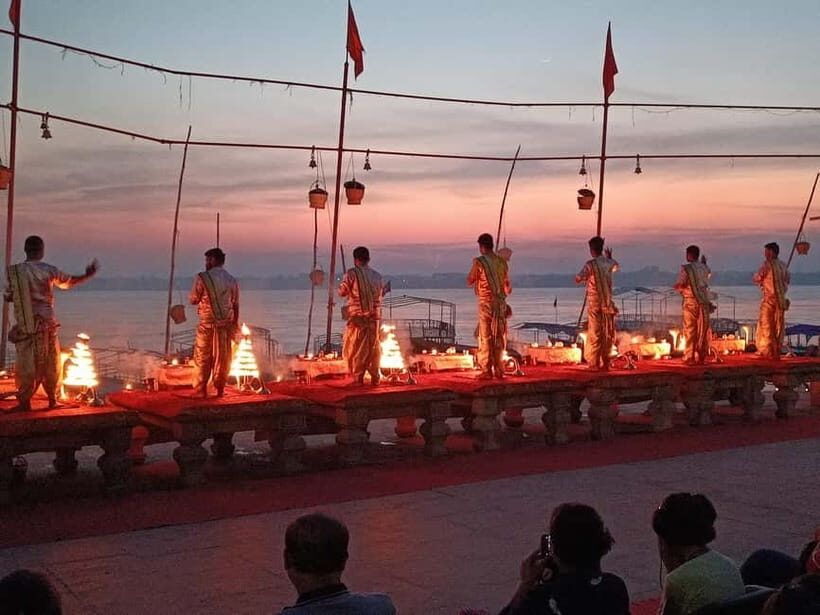
Dashashwamedh Ghat is one of the best-known ghats. Most people learn it from the evening aarti, but the morning version is different. Here, the atmosphere can feel steadier. Instead of a big show, you see morning routines and quiet preparation.
Even in a shorter stop, you’ll get the sense of why this ghat is central. The riverfront energy is clearly organized around repeated acts—ritual, prayer, bathing—happening on schedule because community life depends on it.
If you like photography, morning at Dashashwamedh can be excellent because you’re photographing people doing real things, not waiting for a performance cue. Just be respectful. In these spaces, you’re a guest with a camera, not the director of the scene.
Manikarnika Ghat: learning the customs around death and rebirth
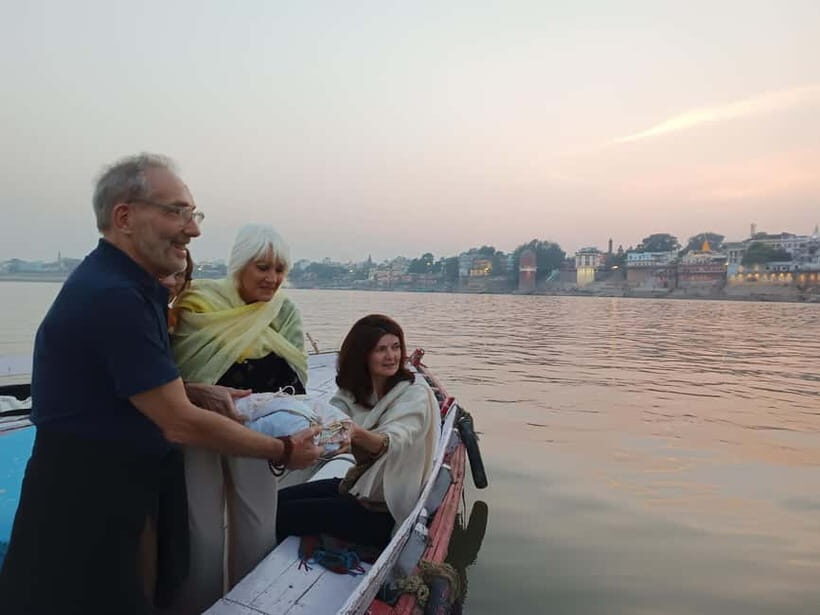
Next is Manikarnika Ghat, the main cremation ghat. This is the part of the tour that most strongly tests your comfort level, so I’ll be direct: this place is meaningful, and it comes with heavy subject matter.
The tour includes guided context so you’re not just looking—you’re understanding something of local customs around death and rebirth. That guidance helps you avoid turning the moment into entertainment. You’re there to witness respectfully.
What you can take from this stop is not gory detail or shocking spectacle. It’s a glimpse of how a community handles life’s hardest transition with rituals that give structure and meaning. You might find it emotionally intense, but it’s also one of the most educational pieces of a Varanasi morning.
If you tend to get overwhelmed by emotionally charged settings, you’ll want to mentally prepare before you arrive. Bring quiet respect, not a loud curiosity.


Maharaja Harishchandra Burning Ghat: ritual context matters
You also visit Maharaja Harishchandra Ghat, often called the burning ghat. Like Manikarnika, this is part of Varanasi’s living ritual landscape. The difference is that you’ll still be seeing the riverfront as a working spiritual space, not a museum.
This stop is guided for about 30 minutes, which is a good amount of time. Long enough to understand what’s happening and why, not so long that you end up staring without direction.
Here’s the key: don’t treat these stops like a checklist. When a guide is explaining local practices, give them your attention for a few minutes before you start taking pictures. The best photos often come after you understand what you’re actually seeing.
Lolark Kund: a short stop that adds a different angle
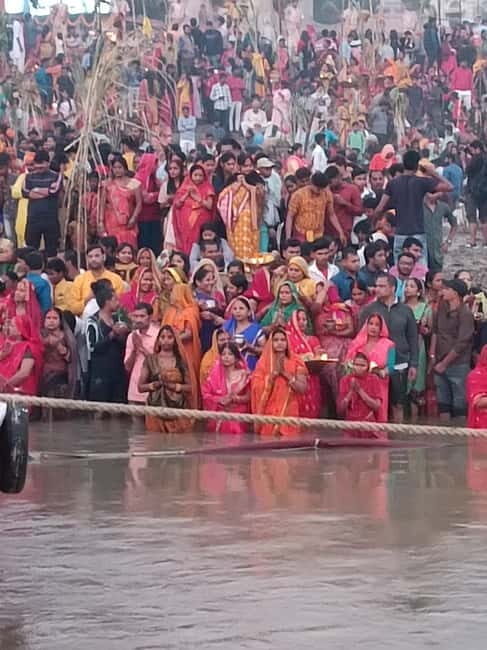
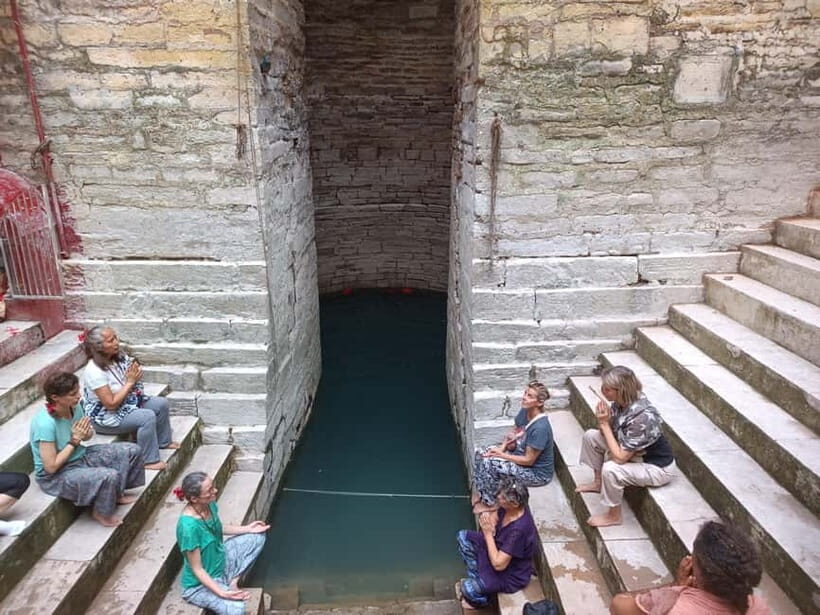
The itinerary includes Lolark Kund, a brief visit of about 10 minutes with guided sightseeing. This kind of stop is valuable because it adds variety. You’re not only tracing the riverfront; you’re also picking up another thread in Varanasi’s sacred geography.
Because the time is short, you won’t feel bogged down. Instead, you’ll get quick context and then move on—helpful if you want a compact morning that still covers multiple types of sites.
Exploring the narrow lanes: temples, shops, and Banaras silk weaving you might spot
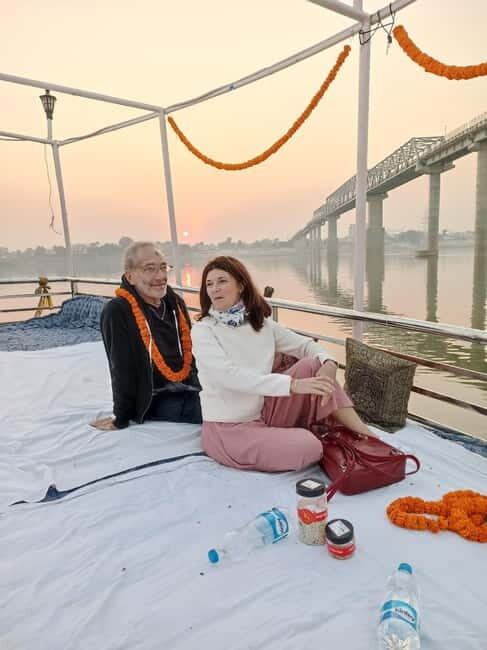
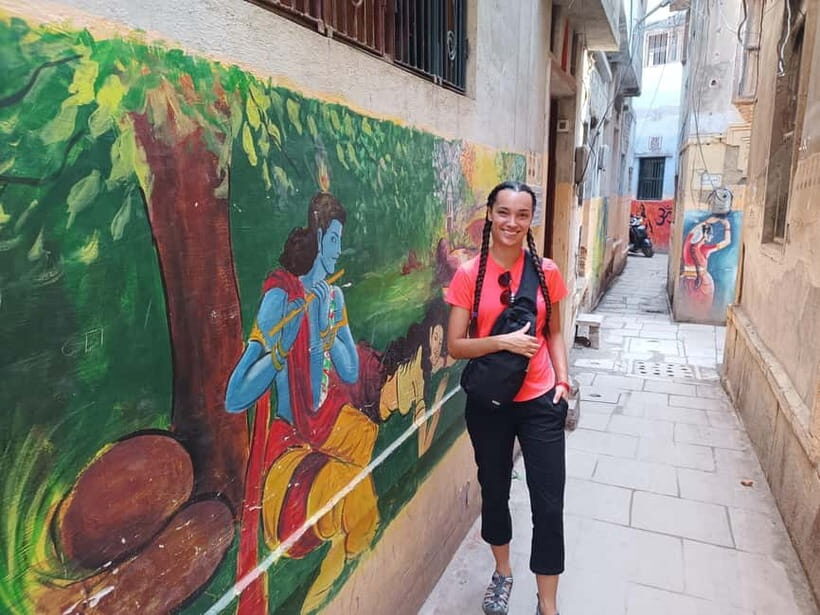
Once you’re on foot, the tour leans into one of Varanasi’s best features: you can walk into the city and feel how it works. Expect narrow lanes with small temples, shops, and local eateries.
One detail worth paying attention to is Banarasi silk weaving. The tour’s focus nudges you toward craft traditions. Even if you don’t get a long workshop-style demo, you might spot the kinds of businesses and activity that keep silk making alive.
The most practical tip here: keep your camera low until you’ve checked with your guide. Some lanes have crowds, some have foot traffic moving in tight patterns. A guide helps you choose when to pause and where not to block.
If you love everyday street life—what people actually buy, pray, and snack on—this walking portion is the part that often makes the tour feel real instead of scripted.
Kashi Vishwanath Temple: when spirituality meets crowd reality
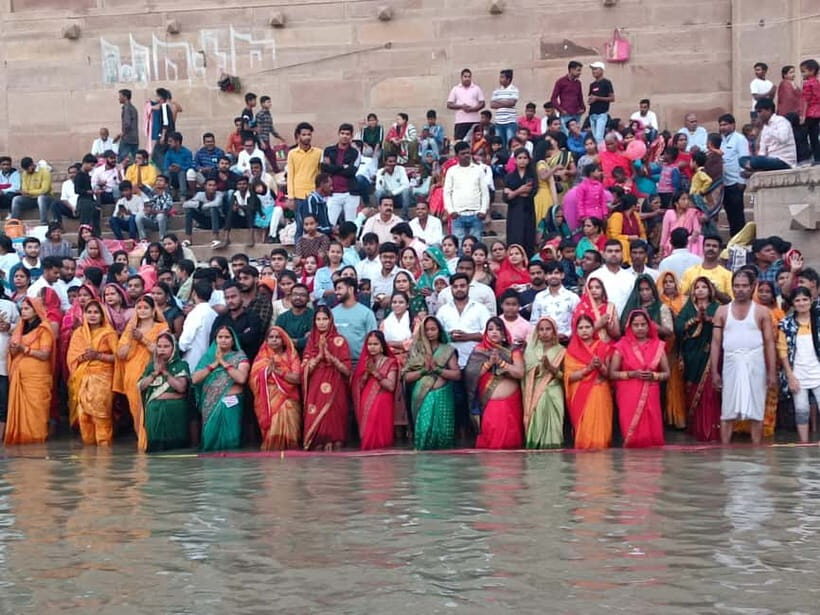
Then comes Kashi Vishwanath Temple, one of the revered Shiva temples in India. This stop is a highlight for a reason. You’ll feel the attention and devotion the moment you’re near the temple area.
The key consideration is crowding. The tour notes that visiting hours can bring busy conditions, so plan for waiting and limited space. That doesn’t mean skip it. It means you go in with patience.
If you want good photos, don’t expect everything to be postcard-perfect. Instead, aim for a mix: wider shots that show the setting, plus close-ups when you find a moment with less congestion. Again, your guide helps you time your viewing.
Modesty matters here. Dress accordingly, and be ready for the temple rhythm: quiet attention, respectful movement, and a slower mindset even if the morning pace stays brisk.
Birla Mandir: a different kind of calm at the end of the loop
Later in the morning, you visit Birla Mandir, Varanasi. This is a contrast stop. After the intense ritual atmosphere of the ghats, Birla Mandir offers a calmer temple experience, still meaningful but with a different feel.
The guided stop is around 20 minutes, which fits the tour’s structure. You get time to look, absorb, and ask questions without turning the morning into an all-day plan.
For many people, this is the moment where the tour’s theme clicks. You see Varanasi not as one scene, but as a system of places for prayer, reflection, and daily life.
Food and breaks: chai/coffee and lunch without derailing your morning
The tour includes chai/coffee and mineral water, which is a lifesaver when you’re walking in morning heat. You’ll also have lunch for about 45 minutes at Assi Ghat.
This matters because a good morning tour has to account for energy. You’re out early, you’re moving, and you’re seeing emotionally loaded scenes. A real break keeps the experience enjoyable instead of rushed.
If you’re the type who doesn’t want to wander for food, this is a plus. You’re not left guessing where to stop. You’ll just refuel and keep going.
Timing, group size, and what the $32 really buys you
The total duration is about 3 hours, and the price is $32 per person. For a morning tour in Varanasi that combines a boat ride, multiple guided stops, and local transport like a tuk-tuk, this pricing can feel fair—especially if you’re short on time.
What you’re really paying for is access plus context:
- boat time (not just a quick skim from shore)
- guided explanations at major sites like Manikarnika and Kashi Vishwanath
- a tight loop that keeps you from getting lost in the old city
This isn’t a luxury tour. It’s a practical cultural one. The goal is to get you the most meaningful morning highlights without turning it into a multi-hour marathon.
Because it’s described as a private group, you’ll typically get more flexibility and less pressure than in a huge crowd tour. You can ask questions, and your guide can steer your pace.
Practical tips to make this morning go smoothly
A few things will help your morning feel easier and more respectful:
- Dress modestly for temple areas and riverfront ghats.
- Bring a jacket. Mornings can cool off, even when the day warms up.
- Stay hydrated. Water is included, but don’t treat that as an excuse.
- Use the camera smartly. Have it ready, but avoid blocking people.
- Expect stairs and uneven walking. This tour isn’t set up for wheelchair use, and it’s not ideal for anyone with mobility limits.
Also, the tour has rules: no fishing, and no alcohol or drugs. Electric wheelchairs aren’t allowed. That’s standard for safety and site respect, and it helps keep the tour focused.
Should you book this Morning Varanasi tour?
I think it’s a good choice if you want a high-impact Varanasi experience in just a few hours—especially the sunrise boat plus guided context at the biggest ghats.
I’d skip it if you’re sensitive to emotionally heavy sites like cremation ghats and you know that kind of setting will derail your day. I’d also skip it if you need accessibility accommodations; this one isn’t suitable for wheelchair users or hearing-impaired guests based on the tour details.
If you’re coming to Varanasi for spirituality, culture, and real morning life, this is the kind of tour that gives you structure without sterilizing the experience. In a city where it’s easy to feel lost, having Gagan Kumar’s guidance can help you see what matters and move through it with respect.
FAQ
How long is the Morning Tour Varanasi?
It lasts 3 hours.
Where do we meet?
You meet at Om Natural, right next to Assi Ghat.
Is there a boat ride included?
Yes. The tour includes a shared long-tail boat ride from the Assi Ghat area (about 1.5 hours).
What language is the guide available in?
The live guide speaks French and English.
What’s included in the tour price?
Included items are a tour guide, sharing boat, tuk-tuk, chai/coffee, and mineral water.
Can I cancel if plans change?
Yes. You can cancel up to 24 hours in advance for a full refund, and you can reserve now & pay later to keep your plans flexible.