REVIEW · BAGDOGRA
North Sikkim Green Lake Trekking
Book on Viator →Operated by Adarsh Tours, Travels & Expeditions · Bookable on Viator
A trek to Green Lake sounds simple until you’re in remote North Sikkim. This trip keeps things doable with a guide-led Green Lake Trail and a Gangtok monastery visit that breaks up the hiking days. The main consideration is that you’ll be walking roughly 2–5 hours daily for about 11 trekking days, so you’ll want a moderate fitness level.
I like how the route is structured for real-world travel: you get Bagdogra pickup and drop-off, plus time in Gangtok that isn’t just sitting in a car. And in the trekking days, the focus stays practical—staying on track, getting through long stretches of mountain walking, and having support when conditions get tough.
One more thing: the schedule depends on weather. If conditions are poor, the tour may be adjusted or canceled for safety, so try not to book anything tight at the end of your dates.
In This Review
- Key things that make this Green Lake trek worth your time
- Why the North Sikkim Green Lake Trail feels special (and not just scenic)
- Bagdogra start: getting to Lachen with less stress than you’d expect
- Days 1–3: MG Marg, Gangtok sightseeing, and Lachen village setup
- The real heart of the trip: Lachen to Jakthang to Green Lake (and back)
- How the trekking days are paced
- Why Jakthang matters (even without overhyping it)
- The Green Lake day(s): the payoff needs patience
- When the trekking team becomes the difference (names to remember)
- Day 14: the downhill trek—why it’s often harder than it looks
- Days 15–16: Singik viewpoint, Phodong Monastery, then Teesta River calm
- Price and logistics: what $1,600 buys you in real terms
- Weather, pace, and fitness: the practical checklist before you go
- Who should book this North Sikkim Green Lake trek (and who might reconsider)
- Should you book the North Sikkim Green Lake Trek?
- FAQ
- How long is the North Sikkim Green Lake trekking experience?
- Where does the tour start and end?
- Is this a private tour?
- What kind of fitness level do I need?
- Does the trip include a visit to a Tibetan monastery?
- What transportation support is included?
- What happens if weather is poor?
- Can I cancel for a full refund?
Key things that make this Green Lake trek worth your time
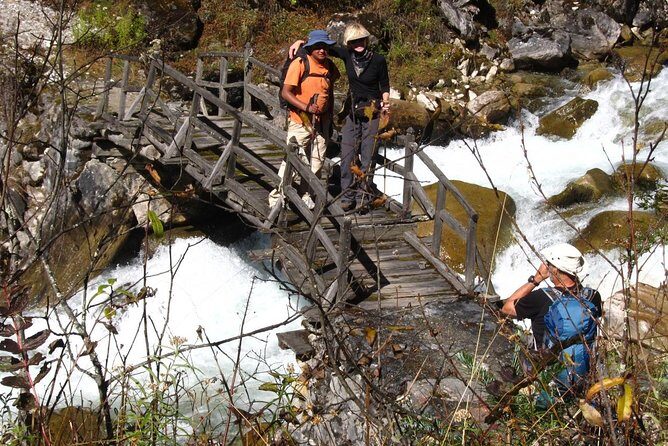
- A real guide for a remote trail where navigation can be tricky without local help
- 2–5 hour trekking days over 11 days, which helps you keep a steady pace
- Route through Lachen to Jakthang to Green Lake and back, instead of a vague “someday we’ll see it” plan
- Gangtok sightseeing with a Tibetan monastery visit to balance trail time with culture
- Phodong Monastery and Singik viewpoint on the way back for extra North Sikkim variety
- Bagdogra airport pickup and drop-off so your travel day doesn’t eat the whole trip
Why the North Sikkim Green Lake Trail feels special (and not just scenic)
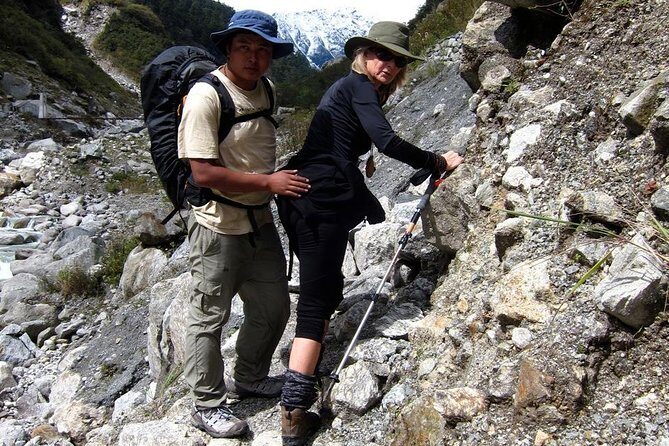
North Sikkim is not the kind of place where you can casually wing it and hope for the best. The Green Lake area is remote, the walking is long, and the trail experience changes with weather. That’s why having a guide matters more than most people realize—this is the difference between exploring calmly and constantly second-guessing your direction.
I also like that the trekking rhythm is gentle by design. Instead of one huge day, you get repeated stretches of hiking around 2–5 hours. That gives you time for photo stops, rest breaks, and the slow process of acclimatizing your body to higher terrain without turning the trip into a nonstop grind.
Finally, this tour doesn’t treat culture like an optional add-on. You get Tibetan monastery time in Gangtok, and later you visit Phodong Monastery as the route winds back toward the lower valleys. That balance makes the whole trip feel more like understanding the region, not just collecting checkpoints.
You can also read our reviews of more tours and experiences in Bagdogra.
Bagdogra start: getting to Lachen with less stress than you’d expect
The trip starts at Bagdogra International Airport Road, with pickup included. For a trek like this, that matters. You avoid the common mistake of losing an entire travel day negotiating rides, waiting around, or piecing together local transport while your body is already tired from the flight.
Bagdogra also works well as a first logistics anchor. From there, North Sikkim is a long push—so having a driver and a plan means you can focus on hydration, paperwork, and settling into the pace of the mountains.
And since it’s a private tour/activity with only your group, you’re not stuck matching your schedule to strangers who want to sprint or pause every five minutes. It’s still not a race, but you’ll get a smoother flow.
Days 1–3: MG Marg, Gangtok sightseeing, and Lachen village setup
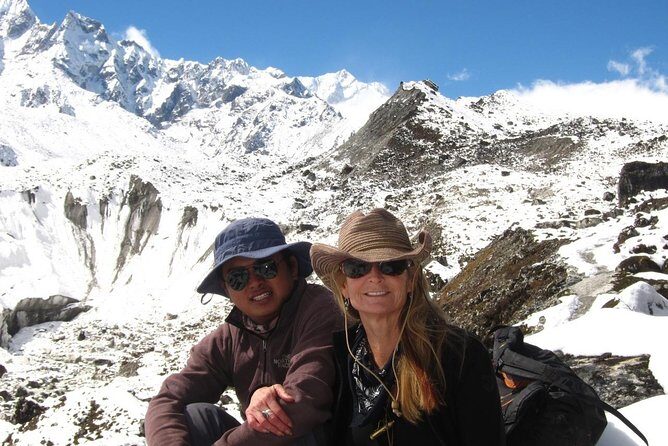
You’ll start with a short city welcome on Day 1, heading to MG Marg after checking into your hotel. MG Marg is one of Gangtok’s main stroll areas, and it’s a handy first taste of the city—easy to orient yourself, grab a meal, and get your bearings before you move into the mountains.
Day 2 is full-day sightseeing in Gangtok. Even if you’re eager to hit the trail, this day can be more valuable than it sounds. It helps you understand the geography of what you’re about to walk through—valleys, ridgelines, and the way the terrain shapes travel in Sikkim.
Then Day 3 is a more focused moment: you visit Lachen village after checking in. This is the kind of step that makes the trek easier later. You’re not “jumped” into the trail right away; you get a chance to settle into the base area and transition from city movement to mountain walking.
The real heart of the trip: Lachen to Jakthang to Green Lake (and back)
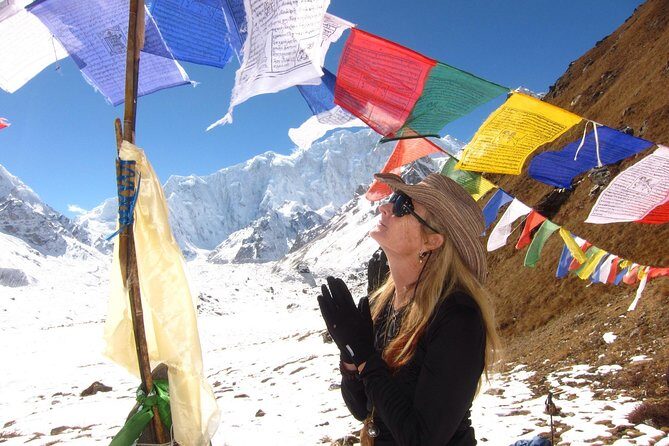
The trekking portion runs for about 11 days, with a guide supporting you throughout. The route goes from Lachen through Jakthang and onward to Green Lake, then you walk back the same general path.
What you should expect during these days is consistent: repeated mountain hikes, lots of viewing opportunities, and time built into the day so you don’t feel like you’re constantly rushing. The plan calls for roughly 2–5 hours of hiking per day, which is a big deal if you want to enjoy the walk rather than just survive it.
How the trekking days are paced
Days 4 through 13 are described around mountain views and trail time, which usually means you’ll spend your mornings moving, then pause for rest, water, and photos when the conditions allow. The guide’s job isn’t only about safety—it’s also about helping you keep energy for the long haul and not burning yourself out early.

Why Jakthang matters (even without overhyping it)
You pass through Jakthang on the way to Green Lake. That stop usually functions as a key waypoint—one of those moments where the trek starts feeling more serious and the scenery becomes more concentrated. If you’re the type who gets nervous about unfamiliar routes, having that scheduled progression helps.
The Green Lake day(s): the payoff needs patience
Green Lake is the reason you came, but the best part is how you get there. You don’t just arrive and take a quick look; you spend the time earning the view by walking through the North Sikkim terrain. If the weather is clear, it’s the sort of place that makes you slow down and actually look at the water and surrounding ridges. If the weather is cloudy, the experience shifts—still beautiful, but more atmospheric and less postcard.
When the trekking team becomes the difference (names to remember)
One of the best signs of a well-run trek is how the support staff is described. In past trips with this operator, the trekking team included Sherpas, cooks, and porters, with support that focuses on the daily needs—so you can keep your attention on the trail.
You’ll also hear names in customer feedback that point to consistent leadership. Gopal Sir and Mr. Manish have been praised for quick responses and planning, while the guide LO and the coordinator President Gupal were mentioned as kind and helpful on a Sikkim hiking experience. You don’t need to memorize names to enjoy the trip, but it’s good information: it suggests the team isn’t improvising once you’re out there.
Day 14: the downhill trek—why it’s often harder than it looks
Day 14 is noted as a nice trek down hill. Don’t let the word “downhill” trick you. Descents can be rough on knees and ankles, especially when you’ve already done several days of hiking.
This is where your pacing and footwork really matter. Take shorter steps, keep your weight controlled, and use trekking poles if you have them. If you’re carrying a daypack, make sure it’s snug—loose straps can turn a manageable descent into a constant distraction.
Days 15–16: Singik viewpoint, Phodong Monastery, then Teesta River calm
After the long walking stretch, Day 15 gives you a cultural and scenic combo. You visit Singik viewpoint and Phodong Monastery on the way. This is a smart move because it stops your body from immediately facing another day of steep walking. Instead, you get time to look around, stretch, and shift from trail focus to regional rhythm.
Day 16 is the wrap-up with time at the Teesta River. Even if you’ve been hiking for nearly two weeks, a river stop helps you land the trip. It’s a gentle final chapter: you’re not “done traveling,” but you’ve finished the hard part.
Price and logistics: what $1,600 buys you in real terms
At $1,600 per person for about 16 days, this isn’t a bargain-basement deal. But it also isn’t just a ticket for scenery. You’re paying for a structured trek in a remote part of Sikkim, guided support through the Green Lake route, plus additional days of sightseeing and monastery visits.
You also get pickup and drop-off from Bagdogra Airport, which has real value. Logistics are where many “cheap” trips quietly get expensive. When transport is reliable and timed well, you spend your energy on hiking and sightseeing instead of troubleshooting.
And since it’s a private tour/activity, that can also justify cost. You’re not sharing the plan with a random mix of pacing styles. Your group stays together, and the guide can manage the route and timing around your needs.
Weather, pace, and fitness: the practical checklist before you go
This is listed as requiring moderate physical fitness. Translation: you don’t need to be an ultra hiker, but you should be comfortable with daily walking and uneven terrain.
Also, the experience depends on good weather. That matters in mountains because cloud cover, rain, and unsafe trail conditions can change what’s possible. If the operator cancels due to poor weather, you’re offered a different date or a full refund, which is exactly the kind of safety-minded policy you want for a trek.
My advice: plan your trip with a little buffer. Don’t stack important commitments on the final day. If weather shifts, you’ll want breathing room to adjust.
Who should book this North Sikkim Green Lake trek (and who might reconsider)
This tour is a great match if you want:
- A guided Green Lake trekking experience in North Sikkim, where getting lost is the wrong kind of adventure
- A steady pace with 2–5 hour hiking days rather than extreme long days
- A balanced trip with Gangtok sightseeing and monastery visits (not only trekking)
- The convenience of Bagdogra pickup/drop-off
You might reconsider if:
- You’re expecting a low-walking holiday with lots of lounging time
- Your knees or ankles don’t handle descents well
- You can’t be flexible with weather-related schedule changes
Should you book the North Sikkim Green Lake Trek?
If your goal is the Green Lake trek without turning it into a stressful navigation project, I’d say yes. The strongest reasons to book are the guide-led route, the realistic daily hiking pace, and the way the trip includes cultural stops like Gangtok’s Tibetan monastery and Phodong Monastery.
To make the most of it, come with moderate fitness, comfortable walking shoes, and the mindset that mountains run on local conditions. If you do that, this kind of trip tends to leave you with the best kind of memory: not just the view, but the walk to reach it.
FAQ
How long is the North Sikkim Green Lake trekking experience?
The tour runs for about 16 days (approx.).
Where does the tour start and end?
It starts at Bagdogra International Airport Road, and it ends back at the same meeting point.
Is this a private tour?
Yes. It’s listed as a private tour/activity, so only your group participates.
What kind of fitness level do I need?
Travelers should have a moderate physical fitness level, since the trekking includes about 2–5 hours of hiking per day on many days.
Does the trip include a visit to a Tibetan monastery?
Yes. The schedule includes visiting a Tibetan monastery in Gangtok, and it also lists Phodong Monastery on Day 15.
What transportation support is included?
Pickup and drop-off from Bagdogra Airport are included, and the tour includes driving time to and from Gangtok during the itinerary.
What happens if weather is poor?
This experience requires good weather. If it’s canceled due to poor weather, you’ll be offered a different date or a full refund.
Can I cancel for a full refund?
You can cancel up to 24 hours in advance for a full refund. If you cancel less than 24 hours before the start time, the amount paid won’t be refunded.