REVIEW · VARANASI
Morning Boat Tour in Varanasi
Book on GetYourGuide →Operated by Amarjit Sahani · Bookable on GetYourGuide
Morning in Varanasi hits fast. This Varanasi boat tour starts at Assi Ghat with Subah-e-Banaras, a morning ceremony that pairs arti with havan, classical music, and yoga before you head out on the water. I especially love how the early ritual gives context for what you’ll see next, and I also like the included chai served in traditional terracotta cups. One drawback to keep in mind: timing and boat size can change when water conditions are tricky, so you may not always get the small-boat feel people hope for.
You’ll meet at Pizzeria Vaatika Cafe by Assi Ghat, then get guided along a route that covers more than 60 ghats. The cruise gives you panoramic views without needing to fight for space on shore. And yes, one of the stops is Manikarnika Ghat, the major Hindu cremation ground, so the mood turns serious—plan to handle it with respect.
The tour runs about 2 hours and uses a live English/Hindi guide, with service-fee for the boatman included. If you’re sensitive to crowds or you want a very quiet morning, show up with realistic expectations and treat it as a shared, public experience.
In This Review
- Key highlights you’ll actually notice
- Subah-e-Banaras at Assi Ghat: the start that sets the tone
- Boarding at Assi Ghat: chai cups and getting your bearings
- Gliding past more than 60 ghats: panoramic views without the walking
- Tulsi and Harishchandra ghats: spiritual place names you can connect to
- Dashashwamedh Ghat: the city’s ritual centerpiece from the water
- Manikarnika Ghat: solemn cremation rites and how to handle the mood
- Your guide experience: clear explanations and easy communication
- Price and value: why $19 can make sense here
- When the morning timing gets tricky (and what to do)
- Who should book this Varanasi morning boat tour
- Should you book this Morning Boat Tour in Varanasi?
- FAQ
- FAQ
- Where is the meeting point for the boat tour?
- Where does the boat cruise start, and how long is the tour?
- What happens during the morning part before the boat ride?
- What’s included, and what isn’t included?
- What languages does the live guide speak?
- Can I cancel, and is there a pay-later option?
- Are there restrictions on the tour?
Key highlights you’ll actually notice
- Subah-e-Banaras at Assi Ghat first: arti and havan before the boat ever moves.
- Chai in terracotta cups: included and instantly more “Banaras” than bottled tea.
- 60+ ghats from the river: you get the big-name views without hopping buses all morning.
- Dashashwamedh Ghat and Manikarnika Ghat: two ends of the spectrum—ritual theater and solemn cremation rites.
- English/Hindi live guide: you’re not just staring; you’re getting explanations.
Subah-e-Banaras at Assi Ghat: the start that sets the tone
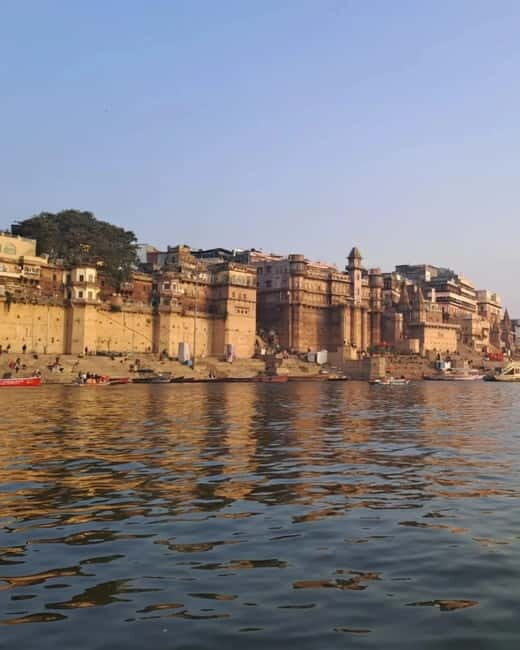
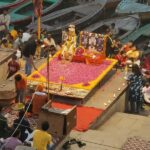
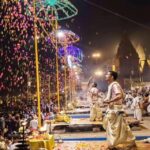
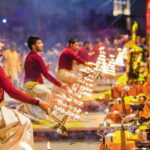
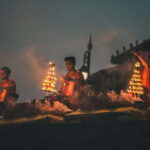
The magic here is that the tour doesn’t treat the river like a scenic ride only. It begins at Assi Ghat with Subah-e-Banaras, a morning program built around arti, havan, classical music, and yoga. Watching it in person helps you understand why these ghats matter beyond sightseeing.
You’ll see the arti-ceremony and havan right at Assi Ghat, then move on when the morning program finishes. Timing matters. The ceremony is the “why” behind the “what,” and that sequencing makes the later ghat views feel less random and more connected.
Another small but important detail: the energy is both devotional and communal. Even if you’re not fluent in the details of every ritual step, you can read the intent—people are making the day sacred before the day begins.
You can also read our reviews of more boat tours in Varanasi


Boarding at Assi Ghat: chai cups and getting your bearings
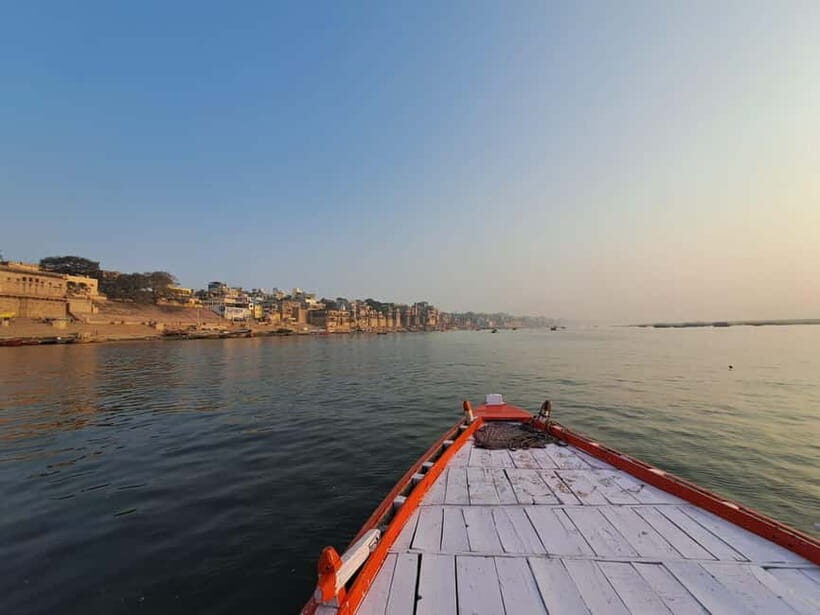
Your practical starting point is Pizzeria Vaatika Cafe, a known spot at Assi Ghat. From there, you’ll transition into the morning boat part of the experience. This is the point where your guide helps you find the right place and keep the schedule moving.
Once you’re on the move, you’ll get Indian chai (tea) in traditional terracotta cups. It’s included, and it’s the kind of touch that turns the tour from “just transport” into something that feels like it belongs in the city. Also, terracotta cups cool your drink differently than metal or plastic, so take a sip and let it settle while you orient yourself to the river.
You’re going to be around people and boats in a working riverside environment. Keep your phone secure, expect some jostling, and treat this as a shared morning rather than a private photo shoot.
Gliding past more than 60 ghats: panoramic views without the walking
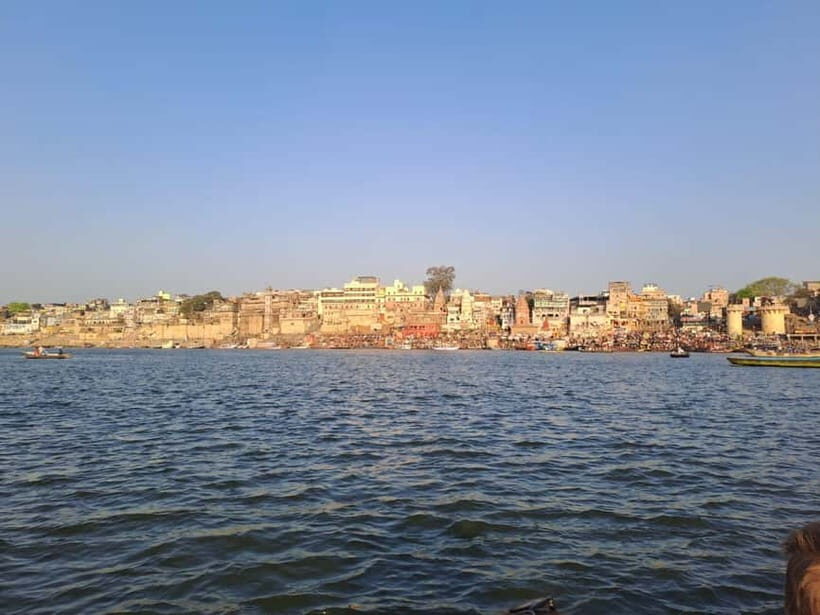
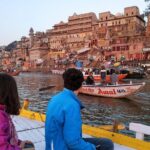
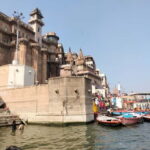
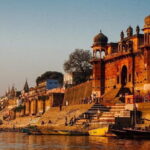
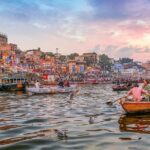
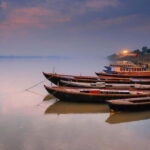
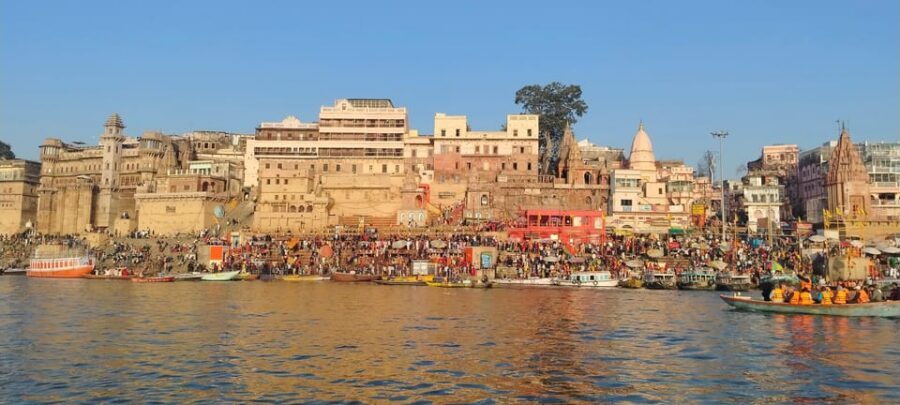
The headline is simple: you cover more than 60 ghats in about two hours. That’s the value of doing it by boat. You’d never manage that kind of coverage on foot in a reasonable time, and you’d miss the “wide-angle” river views that show how the city sits along the water.
From the river, you see the geometry of Banaras: stairs, platforms, worship spaces, and everyday river activity layered on top of each other. The guide’s role here is key. With a live English/Hindi explanation, you’re more likely to recognize what you’re seeing and understand why certain ghats are treated as important.
One thing to plan for: your experience may feel like “moving sightseeing” with short moments to look and take photos. You’ll want to dress for mornings (often cool early, warmer after), and wear slip-resistant footwear if you’re stepping around shore areas before boarding.
Tulsi and Harishchandra ghats: spiritual place names you can connect to
The route includes famous ghats like Tulsi-ghat and Harishchandra-ghat, alongside other major stops. Even if you come to Varanasi with a general idea of ghats as holy riverfront steps, seeing multiple named places in one run helps your brain map the city faster.
What makes these ghats worth including isn’t just fame. It’s the way they show the mixture of public worship, personal devotion, and river life. From the boat you can also notice how the river shapes movement—where people gather, where they pause, and how the steps bring you down to the water.
If you like learning place names and their meanings, this part is your “fast orientation.” You’ll spend less time wondering what you’re looking at and more time tracking patterns.
Dashashwamedh Ghat: the city’s ritual centerpiece from the water
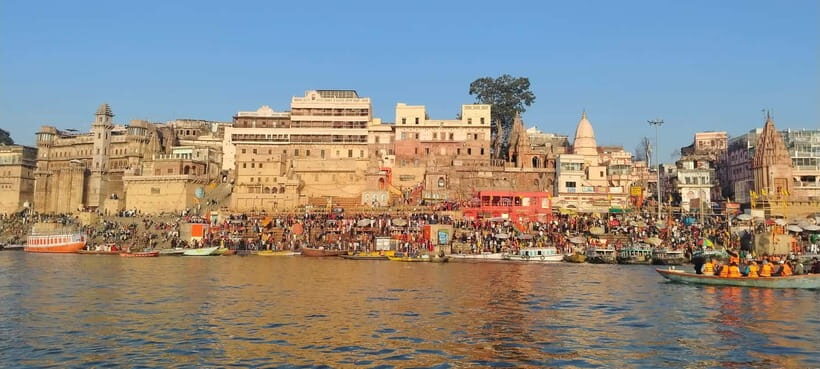
A major highlight is Dashashwamedh-Ghat, one of the most well-known ghats on the river. It’s the kind of place that makes Varanasi feel like Varanasi. From the boat, you can take in the riverfront layout and watch the flow of people as they move in and around the ghat.
This stop works especially well after you’ve already witnessed Subah-e-Banaras. The earlier ceremony gives you a mental frame, so when you arrive at Dashashwamedh, you recognize it as more than a landmark. It becomes part of the same daily rhythm.
You’ll likely take plenty of photos here, but do it with patience. The riverfront can be crowded, and the best shots are often the ones that come after you wait for the right angle, not the ones you grab instantly.
A few more Varanasi tours and experiences worth a look


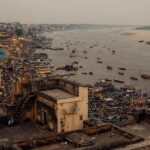
Manikarnika Ghat: solemn cremation rites and how to handle the mood
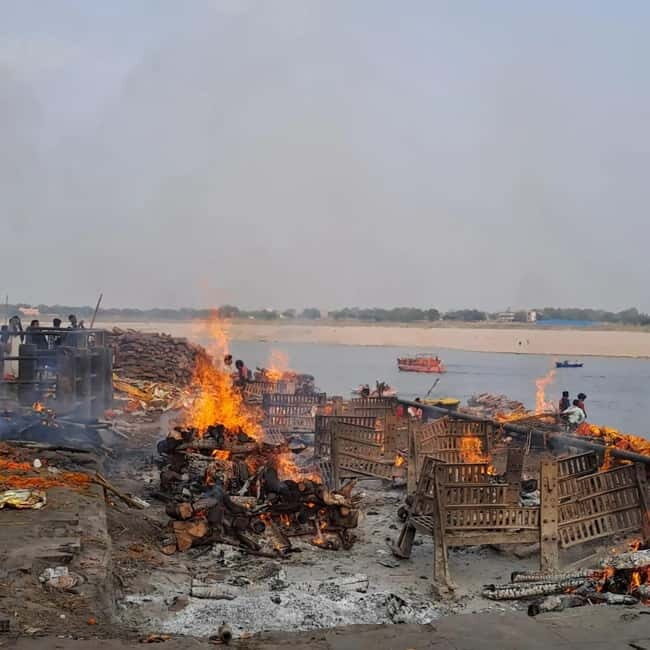
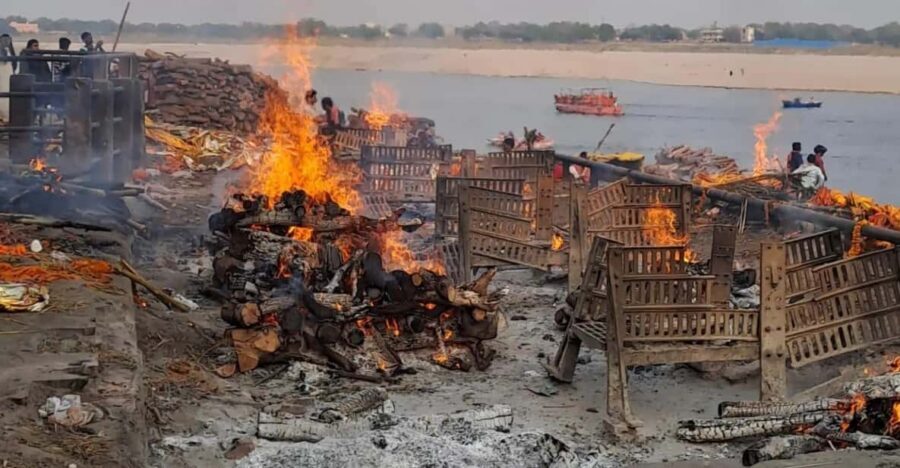
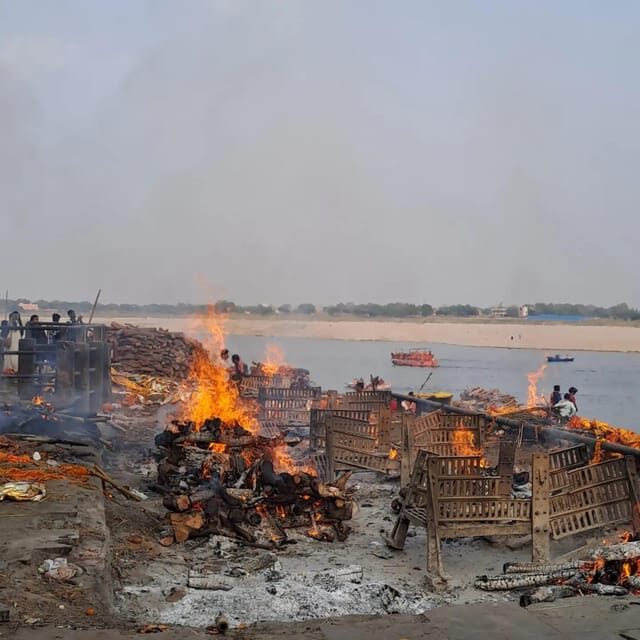
The tour includes Manikarnika-Ghat, described as the most venerated crematorium for Hindu last rites. This is the part where the tour stops feeling like light sightseeing and starts feeling like observing a profound, real-life ritual.
If you’ve never seen cremation rites before, go in with emotional preparation. You don’t need to force feelings. Just keep your distance, stay respectful, and remember that this is not a staged performance. A boat view helps because it naturally positions you at a respectful observational level.
Practically, this is also where your pace slows. You’ll want time to look, but don’t block sightlines for others. If you’re sensitive, keep your plan simple: watch quietly, breathe, and let the seriousness of the place sink in.
Your guide experience: clear explanations and easy communication
You’ll have a live tour guide speaking English and Hindi, and the overall provider is Amarjit Sahani. The guide matters here because ghats aren’t just scenery—they’re layered with meaning, daily ritual, and local life.
When the guide communicates well, you get more than facts. You get context: what the ceremonies are for, why certain ghats are called out, and what to notice along the route. This is also where the tour can feel “small” even though you’re in a public setting. With good communication, you feel guided rather than herded.
One smart tip: bring questions. If something on the riverfront confuses you, ask on the boat. You’ll get better answers while the relevant place is still right there.
Price and value: why $19 can make sense here
At around $19 per person for a 2-hour morning cruise, the price is mostly about coverage and ease. You’re paying for:
- the boat ride and boatman service fee
- chai served in terracotta cups
- the art i-ceremony component included in the morning flow
- live guide time (English/Hindi)
What you’re not paying for is also clear: any other food, drink, or shopping. So if you want breakfast beyond the included chai, plan to buy that separately.
Is it a bargain? For Varanasi, coverage like 60+ ghats plus the morning ritual start is a strong value. If you were trying to stitch together the same experience with taxis, separate guides, and multiple visits, you’d likely spend more and lose the flow that makes the morning feel connected.
When the morning timing gets tricky (and what to do)
This tour is positioned as a morning experience, and the exact feel can depend on conditions. In the past, when water conditions were high due to monsoon weather, the schedule and the boat setup have shifted, and that changed how crowded things felt and how sunrise expectations played out.
You can’t control the river. But you can control your mindset:
- Don’t build the whole day around one specific second of sunrise.
- Come prepared to share the space.
- If you’re traveling in monsoon season, accept that safety may change the plan.
Also, wear layers. A morning on the water can shift from cool to warm quickly.
Who should book this Varanasi morning boat tour
This is a great fit if you want:
- a fast orientation to the ghats
- a morning start that includes arti and havan
- explanations in English or Hindi
- a straightforward 2-hour plan that doesn’t require constant walking
It’s also a strong choice if you value structure. The route includes the big names—Tulsi-ghat, Harishchandra-ghat, Dashashwamedh-ghat, and Manikarnika-ghat—so you get a coherent story rather than a random scramble for riverfront views.
You might choose something else if you’re looking for a private, quiet experience, or if you’re extremely photo-focused and need a guaranteed small-boat setup. The morning river environment is public by nature.
Should you book this Morning Boat Tour in Varanasi?
I’d book it if you want your first Varanasi morning to feel meaningful, not just scenic. The pairing of Subah-e-Banaras with the cruise route across 60+ ghats gives you a clean, memorable arc: ritual first, then riverfront context, then a serious stop at Manikarnika-Ghat.
Just go in with the right expectations: this is a real public river scene. If you respect the space, keep your plans flexible, and let the guide’s explanations do their job, you’ll likely feel like the city made sense faster than it would on your own.
FAQ
FAQ
Where is the meeting point for the boat tour?
You meet at Pizzeria Vaatika Cafe at Assi Ghat.
Where does the boat cruise start, and how long is the tour?
The boat cruise starts from Assi Ghat and lasts about 2 hours.
What happens during the morning part before the boat ride?
At Assi Ghat, the tour includes the Subah-e-Banaras program, including an arti-ceremony and havan, along with classical music and yoga as part of that morning program.
What’s included, and what isn’t included?
Included items are boatman service-fee, Indian chai in traditional terracotta cups, arti-ceremony, and the boating itself. Not included are any other food, drink, or shopping.
What languages does the live guide speak?
The live tour guide provides English and Hindi.
Can I cancel, and is there a pay-later option?
Yes. You can cancel up to 24 hours in advance for a full refund, and you can reserve now and pay later.
Are there restrictions on the tour?
Smoking, red wine, alcohol, and drugs are not allowed. Nudity is also not allowed.