REVIEW · MUMBAI
Lonavla Hill Station Tour
Book on Viator →Operated by Linda Tours Mumbai · Bookable on Viator
A day trip to Lonavala feels like a reset button. You’ll get air-conditioned hotel transfers and an English-speaking driver, then spend hours hopping viewpoints and gardens that make the hills feel close to you. Two things I like a lot are the built-in comfort (AC ride, WiFi onboard, bottled water) and how the stops are practical, timed well, and varied (cliffs, parks, lakes, and temples). One thing to consider: this is a long day, and meals are not included, so plan for snacks and a lunch strategy.
What makes it especially appealing is that it’s not just scenery for the sake of scenery. In monsoon, the tour hits the moments that really change the place (waterfalls and water-filled lakes), and even in the off-season you still get those classic hill views and viewpoints without needing to figure out local transport on your own.
In This Review
- Quick hits before you go
- Mumbai to Lonavala: a hill station day that stays doable
- Who it fits best
- Your guide-driver setup: English support and smooth pacing
- Rajmachi Garden and Rajmachi Point: the fort view that feels close
- Consideration
- Ryewood Park: tall trees and a quiet Shiva temple break
- Consideration
- Lonavla Lake Waterfall: monsoon magic plus street-food time
- Consideration
- Tiger’s Point: cliff views and a legend from Shivaji’s era
- Consideration
- Bhushi Dam and Lion’s Point: waterfalls and fritters energy
- Consideration
- Narayani Dham Temple: a quick, specific stop with marble idols
- Consideration
- Tungarli Lake and the British-era dam: monsoon brings it back
- Consideration
- Shooting Point in Khandala: one last valley view and St. Mary’s villa
- Consideration
- Price and value: $79.72 worth it for this mix
- The main trade-off
- What to eat and how to plan lunch without stress
- How long is the day, really? Timing and realistic pace
- Should you book the Lonavla Hill Station Tour?
- FAQ
- What’s the duration of the Lonavla Hill Station Tour?
- How much does the tour cost per person?
- Is pickup and hotel transfer included?
- Does the tour include admissions or ticket fees?
- Is lunch or breakfast included?
- Is bottled water provided?
- Does the driver speak English?
- What’s the cancellation policy?
Quick hits before you go
- AC transfers + an English-speaking driver mean you’re not spending your time negotiating transport
- Monsoon-focused stops include Lonavla Lake Waterfall and Tungarli Lake, when the area comes alive
- Views with stories at Tiger’s Point, tied to Shivaji and the legend of Tiger’s Leap
- A low-pressure rhythm: about 15 minutes at each stop, so you see a lot without feeling rushed
- Tickets are partly included: some viewpoints/parks are covered, while others (like Tungarli Lake) are not
- Street-food friendly breaks around Lonavla Lake, with options like vada pav, chaat, and gola
Mumbai to Lonavala: a hill station day that stays doable
This tour is built for people who want the hills without sacrificing the evening in Mumbai. The drive time and stop times add up to about 8 to 10 hours, which is long enough to feel like a proper day trip, but short enough that you’re back when you still want a normal bedtime.
The comfort details matter more than they sound on paper. You’ll ride in an air-conditioned vehicle, and there’s WiFi onboard plus free bottled water. Those little perks help when the day is warm, when you’re coming from the city, or if you simply don’t want to spend the day hunting for water and charging your phone.
This is also set up as a private tour, so only your group joins you. That’s a big deal in practice. Fewer awkward pauses, less waiting around for strangers, and more flexibility for your pace.
You can also read our reviews of more tours and experiences in Mumbai.

Who it fits best
If you’re short on time in Mumbai, traveling with mixed experience levels, or you want a day with structure but still plenty of photo moments, this works well. It’s also a smart choice if you don’t want to manage route planning and multiple tickets across several stops.
Your guide-driver setup: English support and smooth pacing
One of the most reassuring parts is the English-speaking driver. You’re not stuck trying to decode bus routes or guess where to stand for the best viewpoint angle. If your team includes Yash (as a guide) and Mahesh (as a driver), you’ll likely get a day that feels organized and calm, the kind of touring rhythm that helps you actually enjoy the scenery instead of tracking logistics.
A quick note on expectations: this day is tour-style sightseeing. You’ll hop from place to place and spend a short window at each stop. That’s why the driver role matters. A good guide-driver pairing helps keep the day on track so you don’t arrive at places after they’ve gotten too busy, too crowded, or too dark.
Rajmachi Garden and Rajmachi Point: the fort view that feels close
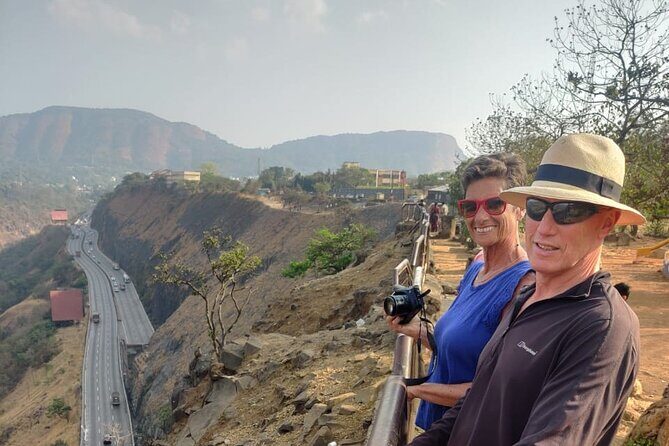
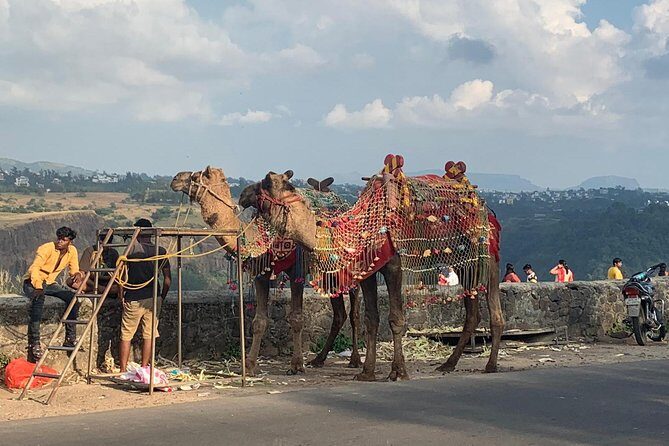
The day starts with Rajmachi Garden and the Rajmachi Point area, about 6.5 km from Lonavla. This is where the hills start talking. From the point, you get a view that includes Shivaji Maharaj’s fort at Rajmachi, plus the wider valley. You’ll also hear mention of Vaghjai Dari here, which adds a sense of place beyond the photo.
What I like about this stop is the way it sets context. You’re not just seeing trees and cliffs—you’re seeing a real historical anchor and a valley that explains why viewpoints matter here.
Time on site: about 15 minutes.
Ticket note: admission is listed as included.
Consideration
Because this is a viewpoint, your experience can depend on weather and visibility. If the sky is hazy, the view may feel less dramatic. Still, the fort-and-valley framing is exactly the kind of first stop that gets your energy up.





Ryewood Park: tall trees and a quiet Shiva temple break
Next up is Ryewood Park, an expansive garden with tall, very old trees. It’s the kind of place where the air feels cooler just because the canopy is doing its job. There’s also an old Shiva temple in the park, which gives the stop a spiritual note without turning the day into a long temple marathon.
This is a good palate cleanser between viewpoints. After the first big hill view, you get shade, a slower-feeling walking area, and a change in sound—more rustle, less road noise.
Time on site: about 15 minutes.
Ticket note: admission is listed as included.
Consideration
If you’re expecting a big walking trail or lots of signage, you might find it more of a calm stroll than a full hike. Plan comfy shoes anyway, but don’t expect a strenuous workout.
Lonavla Lake Waterfall: monsoon magic plus street-food time
This is one of the tour’s most weather-sensitive stops, and that matters. Lonavla Lake Waterfall is only visited in monsoon season because that’s when the waterfall looks its best. In monsoon, the place feels like it’s actively working—water, views, and that unmistakable rainy-season energy.
Here’s the useful contrast for timing: Lonavla Lake dries up during winter and summer, leaving an expanse of green grass that people use for walking and jogging. That’s not a disappointment; it’s a different version of the same scenery.
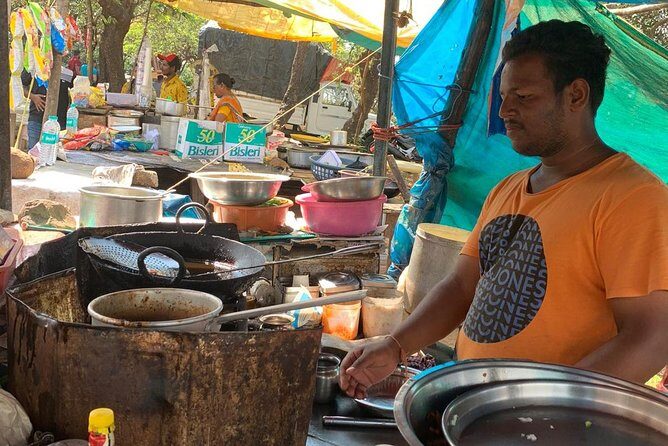
Also, this stop is street-food friendly. The area attracts tourists for snack time, including items like smoked corn on the cob, gola (shaved ice), vada pav, chaat, and hot ginger tea. If you’re hungry later in the day (and you will be), this is one of the easiest moments to handle it.
Time on site: about 15 minutes.
Ticket note: admission is listed as included.
Consideration
Because it’s monsoon-season dependent, you should treat this as a seasonal highlight. If you’re traveling outside monsoon, the waterfall aspect won’t be the focus, though you can still enjoy the lakeside atmosphere and snacks.
Tiger’s Point: cliff views and a legend from Shivaji’s era
Now you climb the drama level. Tiger’s Point (Tiger’s Leap) is a cliff-top viewpoint with a sheer drop over 650 meters, designed for big views and strong photos. The best part is that it’s not random scenery. There’s a legend here: during a chase by a tiger, Shivaji is said to have jumped into a ditch, and the tiger leaped off it into the valley—giving the name Tiger’s Leap.
That story helps you read the place. Standing at a cliff like this makes you understand why legends stick. You’re literally looking at the consequences.
Time on site: about 15 minutes.
Ticket note: admission is listed as included.
Consideration
You’ll want to be comfortable with a viewpoint stop that prioritizes the overlook rather than a long hike. Wear grippy shoes and keep an eye on footing near edges. This is scenic tourism, but the cliff is still a cliff.
Bhushi Dam and Lion’s Point: waterfalls and fritters energy
Two stops that work well together here: Bhushi Dam and then Lion’s Point.
At Bhushi Dam, you’re visiting a waterfall near the dam located between Lonavla and INS Shivaji, with buses stopping along the I.N.S. Shivaji Road. There’s something satisfying about dam-area waterfalls because they look both engineered and natural at the same time.
Then comes Lion’s Point, which is named so not because of actual lions. It doesn’t have them. The name comes from the Lions Club of Lonavala association, but the viewpoint itself overlooks a deep valley and mountains—and it comes with a food connection too. This is an area known for roasted corn and onion fritters.
Time on site: about 15 minutes each.
Ticket notes: Bhushi Dam is listed as free; Lion’s Point is listed as free.
Consideration
These are short stops. If you want lingering, you’ll need to be intentional about how long you spend at the actual viewpoint versus the surrounding area.
Narayani Dham Temple: a quick, specific stop with marble idols
After the outdoors, you get a cultural break at Shree Narayani Dham Temple. This temple was constructed in 2002 in honor of Hindu Goddess Narayani. It also houses marble idols of Durga Mata, Salasar Balaji (Hanuman), and Ganpati.
What I like about including a modern temple like this in the mix is balance. The day isn’t only about cliffs and water. It’s also a window into how religious sites look and function in the present—not just in ancient ruins.
Time on site: about 15 minutes.
Ticket note: admission is listed as free.
Consideration
If you prefer only outdoor stops, this might feel like a short detour. But if you enjoy places with clear, specific details (like the set of idols), it’s a meaningful quick stop.
Tungarli Lake and the British-era dam: monsoon brings it back
Tungarli is another seasonal point of interest. Tungarli Lake and its dam come to life during monsoon, when you’ll see more activity and more water presence. The dam itself was built during the British era, and the surroundings are described as serene, with trees and hillocks.
During monsoon, some people climb toward the mountain top up to the dam area. That’s not a guarantee for everyone, but it’s part of why this stop can feel more active in rain.
Time on site: about 15 minutes.
Ticket note: admission is listed as not included.
Consideration
Because the ticket is not included here, it’s smart to set aside some extra cash just in case you want to access parts of the area beyond the basic viewpoint. If you’re traveling with a tight schedule, confirm on the day what’s covered versus what you’d need to pay.
Shooting Point in Khandala: one last valley view and St. Mary’s villa
The day closes with Shooting Point in the town of Khandala (Bazaar peth). This viewpoint gives you views of the Rajmachi Fort and the valley. It’s also noted as the home for St. Mary’s villa, which gives the spot a distinct local character.
Why this works as a closer: it’s another angle on the same grand geography. Earlier you saw Rajmachi from Rajmachi Point. Here you get a different framing, which makes the valley feel bigger and more layered.
Time on site: about 15 minutes.
Ticket note: admission is listed as included.
Consideration
Even though it’s a short stop, this is where you’ll feel the day’s fatigue a bit. Bring water (there’s bottled water provided) and keep your phone charged since you’ll want photos before heading back to Mumbai.
Price and value: $79.72 worth it for this mix
At $79.72 per person, the key question is what you’re getting beyond convenience. Here’s the value math in plain terms.
You’re paying for:
- Hotel transfers in an air-conditioned vehicle
- An English-speaking driver
- Bottled water
- WiFi onboard
- Admissions at multiple stops (several are marked included, others are free)
You’re not paying for:
- Breakfast, lunch, dinner
In other words, you’re buying a structured day where the big costs—transport and multiple entry points—are already handled for you. That tends to beat the “DIY shuffle” if you’re not already familiar with local routes and ticket timing.
There’s also a scheduling advantage. This tour is typically booked about 31 days in advance on average, which suggests it runs regularly enough for planning, but doesn’t mean you should wait until the last minute if your dates are firm.
The main trade-off
You’re not getting a leisurely, multi-day nature retreat. You’re getting a busy, well-paced sightseeing day. If you love long meals, slow hikes, and hanging out for hours at one spot, you may feel the time pressure.
What to eat and how to plan lunch without stress
Since meals are not included, you’ll want a simple plan. The good news is that the route naturally supports snack breaks, especially around Lonavla Lake with the street-food options like vada pav, chaat, gola, smoked corn, and hot ginger tea.
A practical approach:
- Treat the lake stop as your snack anchor.
- Carry a small snack for later because the day is long.
- If you’re sensitive to spice or street-food styles, stick to what you know you tolerate well.
This is one of those trips where a little planning keeps you from feeling hangry.
How long is the day, really? Timing and realistic pace
Plan for 8 to 10 hours total. That’s the kind of duration where you’ll want to dress for movement, even though each stop is short. You’ll go from garden shade to cliff viewpoints to temple interiors, and you’ll likely do lots of standing and quick walking.
The timing style is consistent—each stop is about 15 minutes, so you can expect:
- quick photo moments
- short walks or viewpoint viewing
- enough time to reset before the next ride
It can feel like a highlights package. That’s the point. It’s how you fit Lonavla’s main hits into one day and still return to Mumbai.
Should you book the Lonavla Hill Station Tour?
Book it if you want a straightforward, comfortable day trip with AC transfers, an English-speaking driver, and a route that hits viewpoints and nature without making you manage transport and tickets yourself. I especially think it’s worth it if you’re traveling around monsoon and want the Lonavla Lake Waterfall moment and Tungarli Lake when water is actually part of the scenery.
Skip it or consider a different style of trip if you want long hikes, unhurried meals, or a day that feels more like a retreat than a tour. This one is efficient. It’s not meant to stretch into a lazy weekend.
If your priorities are hill views, a well-run schedule, and getting out of Mumbai for a breath of fresh air, this tour delivers that cleanly.
FAQ
What’s the duration of the Lonavla Hill Station Tour?
The tour runs about 8 to 10 hours.
How much does the tour cost per person?
The price is $79.72 per person.
Is pickup and hotel transfer included?
Yes. Hotel transfers are provided in an air-conditioned vehicle, and pickup is offered.
Does the tour include admissions or ticket fees?
Some stops list admission tickets as included (like Rajmachi Garden, Ryewood Park, Lonavla Lake Waterfall, Tiger’s Point, and Shooting Point). Other stops are free (Bhushi Dam, Lion’s Point, Shree Narayani Dham Temple). Tungarli Lake is listed as admission not included.
Is lunch or breakfast included?
No. Breakfast, lunch, and dinner are not included.
Is bottled water provided?
Yes, free bottled water is included.
Does the driver speak English?
Yes, an English-speaking driver accompanies you.
What’s the cancellation policy?
Free cancellation is available up to 24 hours in advance for a full refund. If you cancel less than 24 hours before the start time, the amount paid is not refunded.