REVIEW · RISHIKESH
Nag Tibba Snow Trek
Book on Viator →Operated by TrailHikers · Bookable on Viator
A summit day without the long commitment. This overnight Nag Tibba snow trek is a smart way to get Himalaya hiking in, starting from Pantwari and ending back where you began, with camping gear, meals, and a guided climb to the top.
I especially like how you get real camping time without needing a long trek, plus the schedule is built around a pre-dawn summit hike. For first-timers, that structure matters more than people think. If you want a well-run, team-guided experience with staff checking on you (names you may hear like Raman Sharma, Suman Singh, and Ganesh Bhaiya), this one fits.
One thing to consider: it’s still a winter mountain hike. Expect an early start, cold conditions, and a climb that can feel steep when there’s snow—so go in with decent fitness and patience with your pace.
In This Review
- Key things to know before you go
- Why Nag Tibba fits a tight schedule near Rishikesh
- Getting to Pantwari and back: the real convenience
- Day 1: Pantwari to your first campsite (Kathian or Nag Tibba base)
- Day 2: the Nag Tibba summit morning and your return to Pantwari
- Camping setup: tents, sleeping bags, mats, plus a proper camp mood
- Meals included: what’s covered and what you may still need
- Transfers, group size, and meeting times that keep things smooth
- Weather reality: snow trek means you plan around conditions
- Who leads you on the trail: the human side of safety
- Price and value: does $54 actually make sense here?
- Gear tips that match what’s actually missing
- Should you book the Nag Tibba Snow Trek?
- FAQ
- How long is the Nag Tibba Snow Trek?
- What’s included in the price?
- What do I need to bring since gear isn’t fully provided?
- Is the trek suitable for beginners?
- How big are the groups?
- What happens if weather is bad?
Key things to know before you go
- Weekend-friendly Himalayan effort: about 2 days, with a long day on the trail and a fast, early push to Nag Tibba.
- Camping gear is included: tents, sleeping bags, and mats mean you’re not hauling “mission survival” equipment.
- Food is taken care of: dinner and lunch are included, plus breakfast is handled as part of the daily flow.
- Transfers from Dehradun/Mussoorie included: transport to Pantwari and back saves time and hassle.
- Guides are part of the safety plan: you’ll be hiking with a guide, and camp staff look after the group on-site.
- Timing is tentative: mountain schedules shift with pace and conditions, so stay flexible.
Why Nag Tibba fits a tight schedule near Rishikesh
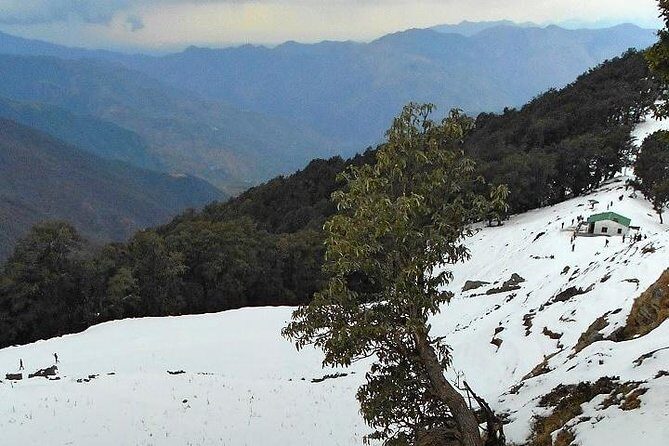
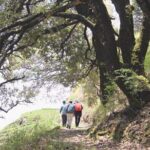
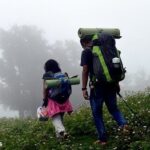
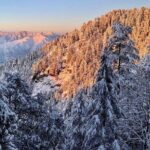
Nag Tibba is one of those Himalayan hikes that feels big without eating your whole vacation. In roughly 2 days, you’re walking in snow country, sleeping in tents, and getting the payoff of a summit morning. The key is that the trek is structured so you don’t need days of acclimatization or weeks of training.
This tour also keeps the experience grounded: you’re not doing sightseeing-by-bus. You’re earning the views with steady walking, then folding into a simple camp rhythm—tea/snacks, bonfire, dinner, sleep, repeat.
If you’re based around Rishikesh or plan a short Uttarakhand trip, this is a practical way to add mountain time without committing to a multi-day trek that can disrupt everything else on your itinerary.
You can also read our reviews of more hiking tours in Rishikesh
Getting to Pantwari and back: the real convenience
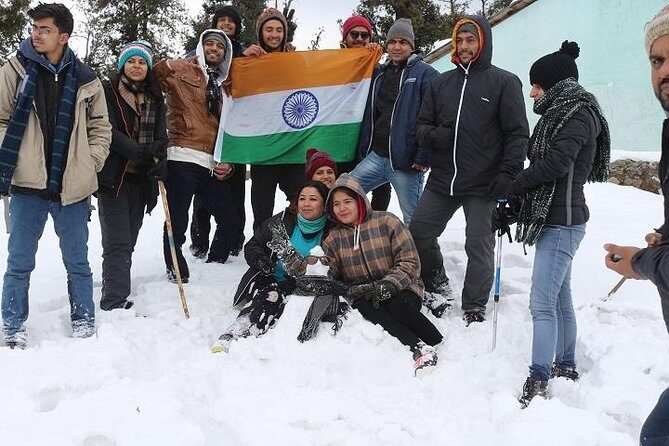
Here’s where this trip scores points for normal humans: round-trip transfers are included from Dehradun / Mussoorie to Pantwari and back. That means you’re not figuring out remote access, local transport timing, or last-mile scrambling while already tired.
You arrive at Pantwari by 10:30 am on Day 1. Then you start hiking at 11:00 am. On Day 2, you’re back at Pantwari by around 4:00 pm, and the drive back is scheduled with arrival timing like Mussoorie by 6:30 pm or Dehradun around 8:00–8:30 pm.
A small but important detail: mountain timings are tentative. Weather and pace can shift things by a bit. Build in breathing room for your next plan in Dehradun/Mussoorie, especially if you’re connecting to a train or flight.
Day 1: Pantwari to your first campsite (Kathian or Nag Tibba base)
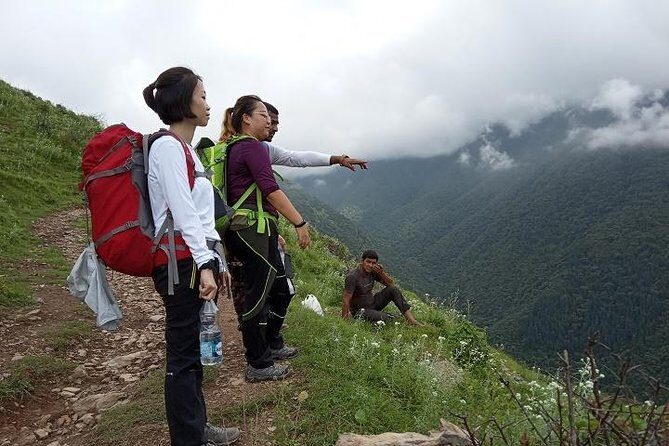
Day 1 is all about starting smoothly and settling in.
- 10:30 am: reach Pantwari
- 11:00 am: begin the trail
- 12:00–12:30 pm: eat a packed lunch on the way toward camp
- 3:30–4:00 pm: arrive at Campsite 1 (Kathian or Nag Tibba base)
After you reach camp, the evening shifts gears from hiking energy to camp energy. You get evening tea/snacks, then a bonfire, followed by dinner at 8:00 pm.
What I like about this first day setup is how it balances effort with arrival comfort. You don’t arrive at camp at midnight or after dark. You’ll have enough daylight to feel oriented—then the bonfire helps turn the cold night into something social.
The only drawback of Day 1 is that it’s still a hike, not a stroll. Three or four hours of walking (plus snow/uneven ground depending on season) can feel longer than you expect, especially if you’re carrying layers and keeping warm. Pace yourself early so Day 2 doesn’t steal your legs.
Day 2: the Nag Tibba summit morning and your return to Pantwari
Day 2 is short, punchy, and very early.
- 5:30 / 6:00 am: wake up time
- 6:00 am: morning tea/snacks/breakfast
- 6:30 am: start to the Nag Tibba summit
- 9:30 am: reach the summit (target time)
- 12:30 pm: back at the campsite
- Lunch served, then you begin descending around 1:30 pm
- 4:00 pm: reach Pantwari
The summit timing is designed so you’re not stuck on the peak for hours. That’s a good thing in winter. Cold air and snow make patience expensive.
One detail worth taking seriously: this is a climb in snow conditions. Even if the route is guided, you’ll be moving over uneven ground, and traction can change your speed. I’d treat the day as a steady climb, not a race.
Also, based on real trip feedback, some groups may find the summit attempt more flexible than the strictest route planning suggests. That said, getting down is non-negotiable—so keep your energy for the descent too. Your legs will thank you.
Camping setup: tents, sleeping bags, mats, plus a proper camp mood
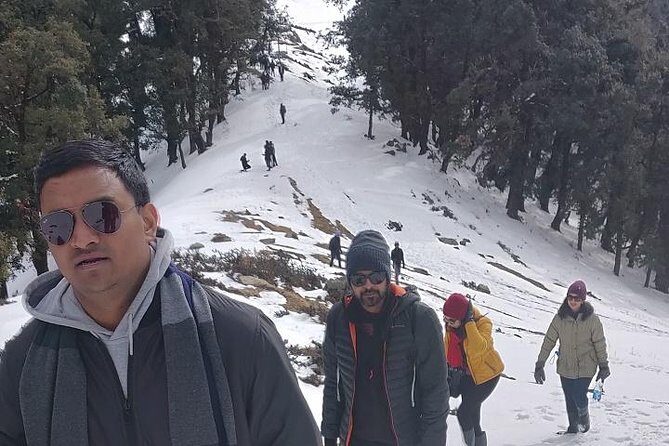
The camping side is a big part of why Nag Tibba works as an easy-to-join Himalayan experience.
This trip includes camping equipment, such as tents, sleeping bags, and mats. That alone is value, because it saves you from either renting gear last-minute or buying winter supplies you’ll never use again.
Once you’re in camp, the mood is simple and comforting:
- tea/snacks in the evening
- a bonfire
- dinner at 8:00 pm
- sleep with the help of a warm bag and basic bedding setup
From the practical side, camp food and warmth are what make the overnight plan actually worth it. If you’ve ever done a day hike and wished you could just stay in the mountains longer, this is that fix—without turning it into a gear headache.
A reasonable consideration: winter camping still means cold floors and chilly air. The included sleeping bag is designed to help, but you should dress in layers and plan to keep yourself warm throughout the evening and morning routines.


Meals included: what’s covered and what you may still need
The tour includes dinner and lunch (2). Breakfast is part of the Day 2 morning routine and also appears as an en-route or as-preferred element on Day 1.
What this means for you: you can hike without constantly thinking about snacks, purchases, or finding a meal stop at the last second. For a short trek, that’s a real win.
What isn’t included: any personal expenses for food or medicines. So if you have a medication schedule, carry what you need. If you’re the type who likes extra sweets or comfort snacks, budget that yourself.
If you’re sensitive to hunger during a long morning climb, it’s worth arriving with a solid mindset: breakfast happens early, then lunch returns you to normal fueling. Stick to the plan and you’ll be fine.
Transfers, group size, and meeting times that keep things smooth
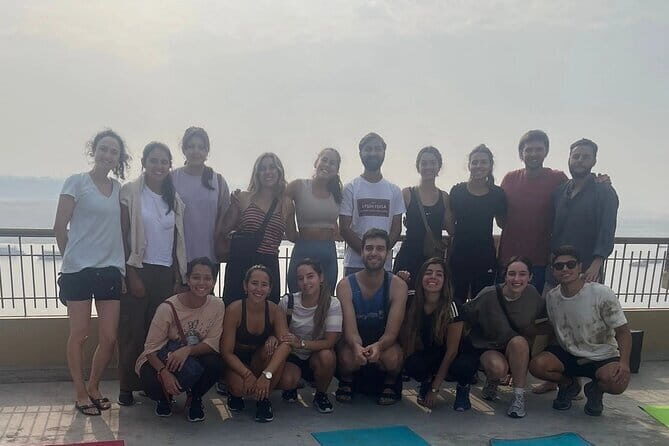
This is capped at maximum 25 travelers, which is large enough to feel social but not so big that you’re lost in a crowd.
You’ll also get mobile ticket support and pickup offered. The operation is designed to run across Monday to Sunday, and the activity window lists early morning timing (6:30 AM to 7:00 AM). In practice, your Day 2 summit start is around 6:30 am, so plan on being up early.
Meeting and pickup details can vary by your exact starting point, but the general flow is: you’re transported to Pantwari, hike in, camp, then hike out and return the same way. It’s the kind of structure that reduces decision fatigue on a day where your brain is already operating at mountain altitude speed.
Weather reality: snow trek means you plan around conditions
This experience requires good weather. If conditions are poor, the trek may be canceled and you’ll be offered a different date or a full refund.
This is common for snow hiking, and it’s not something you can “power through” safely. If you’re booking as part of a larger trip, keep your travel buffer tight, not your schedule.
What I’d do: don’t schedule a hard-to-change commitment immediately after Day 2. Build in some slack because mountain timing is tentative, and weather can influence the day.
Who leads you on the trail: the human side of safety
A good guide turns a cold, steep climb into a manageable challenge—and it shows in the feedback.
You may hear names like Raman Sharma as someone checking in on your well-being, plus local care on-site from Suman Singh. Another name that comes up is Ganesh Bhaiya, described as a motivating local guide who helps with the steep parts of the climb.
Even if you don’t meet everyone by name, the pattern is clear: the team isn’t just sending you up the trail. They’re managing pace, watching group needs, and keeping the camp working smoothly.
That matters for two reasons:
- you get better pacing on the climb
- you’re less stressed about what comes next at camp
Price and value: does $54 actually make sense here?
At around $54 for a 2-day overnight trek, this is positioned as a budget weekend option. The value mostly comes from what’s bundled:
- Camping equipment (tents, sleeping bags, mats)
- Meals (dinner and two lunches, with breakfast included in the daily flow)
- Forest trekking/camping permits
- Transport from Dehradun/Mussoorie to Pantwari and back
- A guide-led hike to Nag Tibba
When you compare that to the cost of doing a DIY version—transport, permits, renting gear, and trying to line up a camping setup—this price starts to look less like a discount and more like a package that removes the expensive friction points.
Still, keep a few “not included” expenses in mind:
- Backpack offloading charges: Rs 250–300 per backpack per day (if applicable)
- Personal gear like jacket, trekking poles, hiking shoes
- Any personal food or medicines
If you already have basic cold-weather hiking gear, your out-of-pocket costs stay low. If you need to buy everything new, the trek might feel cheaper on paper but more expensive in real life.
Gear tips that match what’s actually missing
Since the included list covers core camping gear, focus your shopping list on personal comfort and traction.
Not included:
- jackets
- poles
- hiking shoes
- any personal trekking gear
- any personal medicine or food expenses
So I’d prioritize:
- a warm layer system you can adjust while climbing and while waiting
- hiking shoes with grip (snow makes surfaces slick)
- poles if you use them to manage steep steps
Also, remember the trek involves carrying your personal items, plus there may be backpack offloading charges per backpack per day. Plan how much you want on your back versus in your day bag. Pack smart, then keep it simple.
Should you book the Nag Tibba Snow Trek?
Book it if you want a real Himalayan overnight but can only spare a weekend. This is ideal for:
- first-time trekkers who want guidance and structure
- people who don’t want to shop for camping gear
- anyone based near Rishikesh/Dehradun who wants snow views without a long trek commitment
Skip or reconsider if:
- you hate early mornings and winter cold
- you don’t have suitable footwear or warm layers (because the tour won’t supply them)
- you’re planning a tight travel connection right after Day 2, since mountain timing can shift
If you want a short, guided snow trek that’s built around camping comfort and a summit morning, this one is a strong bet. Bring warm layers, move at a steady pace, and let the team handle the logistics.
FAQ
How long is the Nag Tibba Snow Trek?
It’s about 2 days. Day 1 runs from arriving at Pantwari around 10:30 am to reaching the campsite around 3:30–4 pm, and Day 2 returns to Pantwari by about 4 pm.
What’s included in the price?
The price includes dinner, lunch (2), camping equipment like tents and sleeping bags/mats, forest trekking/camping permits, and transport from Dehradun / Mussoorie to Pantwari and back. Pickup is also offered, and a mobile ticket is used.
What do I need to bring since gear isn’t fully provided?
You’ll need personal trekking gear such as jackets, poles, and hiking shoes. You should also bring any personal medicines and cover personal food expenses.
Is the trek suitable for beginners?
It’s listed for travelers with a moderate physical fitness level. If you’re comfortable with several hours of hiking and a cold, early morning summit effort, it should be manageable with the guide’s support.
How big are the groups?
The tour has a maximum of 25 travelers.
What happens if weather is bad?
The experience requires good weather. If it’s canceled due to poor weather, you’ll be offered a different date or a full refund.