REVIEW · NEW DELHI
Moral Slum Tour in Delhi with hotel pickup & drop
Book on Viator →Operated by Discover Activities · Bookable on Viator
A slum tour can change how you see India. I like the hotel pickup and drop that keeps things simple, and I also value the professional guide who gives real context instead of shock value. One thing to consider: this is a close-up look at poverty, so it may feel emotionally heavy even when it’s handled with respect.
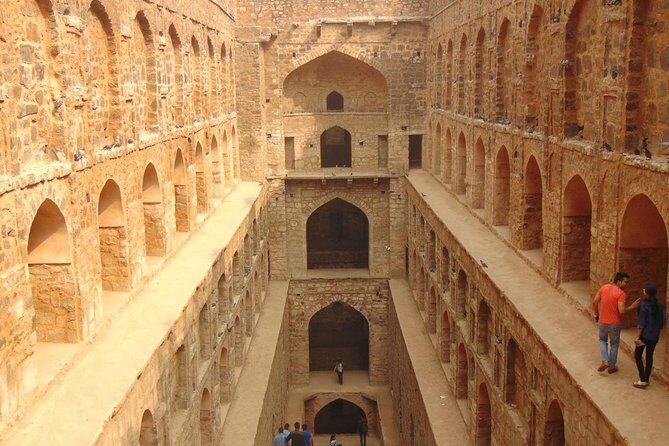
If you want Delhi beyond monuments, this route delivers that. You’ll spend time in Sanjay Colony (Okhla Vihar area) and then head to Agrasen ki Baoli, the stepwell with crisp, symmetrical stonework that feels like a pause button between two worlds.
In This Review
- Key highlights you’ll actually feel
- Hotel pickup and a 3–4 hour plan that respects your energy
- Sanjay Colony in Okhla Vihar: seeing daily life with context
- The guide experience: local voices like Victor and Dolly
- What you’ll notice on the ground (and why it matters)
- Agrasen ki Baoli: a stepwell stop that balances the day
- Price and value: is $69 worth it?
- Who this tour suits best (and who should think twice)
- Practical tips to make the day go smoothly
- Should you book this Delhi Moral Slum Tour?
- FAQ
- Is hotel pickup and drop-off included?
- How long is the tour?
- Is this a private tour?
- Will I have a guide during the entire tour?
- Is the slum visit ticket included?
- Are meals included?
- What if the weather is bad?
- What is the cancellation policy?
Key highlights you’ll actually feel

- Hotel pickup and drop for an easier, lower-stress start and finish
- Sanjay Colony visit with a professional guide focused on context and dignity
- 18-acre Sanjay Colony details and how everyday work keeps families going
- Agrasen ki Baoli stop with standout stepwell architecture on the way back
- Private tour setup so your questions don’t get lost in the crowd
- Mobile ticket plus a straightforward 3–4 hour time window
Hotel pickup and a 3–4 hour plan that respects your energy
This tour is built for people who want the experience without the hassle of figuring out logistics on their own. You’re picked up from your Delhi hotel and returned afterward, and the tour runs about 3 to 4 hours total. That time matters because you’re doing something intense: a real-life neighborhood visit where you’ll be thinking, asking, and processing.
You also get private transportation, which keeps the day from turning into a public-transit scavenger hunt. And because it’s a private tour, it’s just your group—so your guide can pace the conversation to your comfort level. If you’re traveling with family or friends and want the same experience without a big group dynamic, this format is a strong fit.
One note: the guide is listed as being there for the slum visit only. That’s normal for tours like this, but it means your guide time is focused where it counts—at Sanjay Colony—while the stepwell stop is more of a scenic/architectural break.
You can also read our reviews of more tours and experiences in New Delhi.



Sanjay Colony in Okhla Vihar: seeing daily life with context
Your first stop is Okhla Vihar, specifically the Sanjay Colony slum area. It isn’t the same size or scale as the famous slums people hear about in other Indian cities, but it’s still significant: it covers about 18 acres and is home to around 45,000 residents. That “not as large” detail matters because it sets expectations. You’re not viewing a backdrop—you’re visiting a living neighborhood.
Here’s what makes the guided portion worth your time. You’ll get context on how the area formed—people began arriving in 1979, and it had been a forest before dwellers came to the region. Then you’ll learn how locals organize everyday life and work, including the small industries and service spaces that help households survive and sometimes even build stability.
In the visit, expect to see the parts of community life that are often left out when outsiders talk about slums:
- Religious spaces ranging from temples to mosques
- A small doctor’s office and schools
- Garment making units and other working setups
- A mix of cottage-industry-style production areas
This is also where the tour’s tone really matters. The stated goal is to dispel negative stereotypes and encourage a more positive understanding of the community. That doesn’t mean it’s sugar-coated. It means the guide frames what you’re seeing as human, practical, and deserving of respect.
The guided time is about 2 hours, with an admission ticket included for the slum visit portion. Two hours may not sound long on a clock, but it’s enough time to get beyond the surface and understand how routines connect—work, faith, education, and community support.
The guide experience: local voices like Victor and Dolly

A huge part of why this tour scores so well is the guide quality and local perspective. The reviews emphasize how much difference it makes when your guide is someone who understands the area from the inside.
Names that come up include Victor/Viktor and Dolly. The recurring theme is passion and clarity—guides explaining not only what people do, but how daily life fits together. One reviewer specifically noted that having a guide from the area gave insights a standard sightseeing tour couldn’t offer, especially around work in garment-related activity.
Another consistent praise point: the guide sets expectations so you’re not thrown into the neighborhood with only curiosity and confusion. That’s key because the first moments can feel awkward. One review even notes initial worry when people gathered and stared, but the overall tone became friendlier once the guide was leading the way and helping everyone understand what was happening.
If you care about ethical, respectful travel, this is where the value shows up. You’re not just walking through poverty. You’re meeting a community in a structured way—through conversation, explanation, and guided context.
Practical tip from the tone of the experience: if your group wants photos, keep your expectations gentle. Ask first and follow the guide’s cues. The goal isn’t to collect images; it’s to understand what you’re seeing.
What you’ll notice on the ground (and why it matters)
It’s easy to expect a slum visit to be only about hardship. Yes, you’ll see that. But what you should also notice—if you let the guide steer you there—is how much organization and effort exist.
Review feedback leans strongly toward the idea that residents have real agency. People are shown working in their units, keeping daily routines going, and building their livelihoods through practical skills. One description highlights laughter and friendliness that feels contagious, even when the living conditions are far from comfortable.
You’ll likely pick up small but meaningful details during the visit:
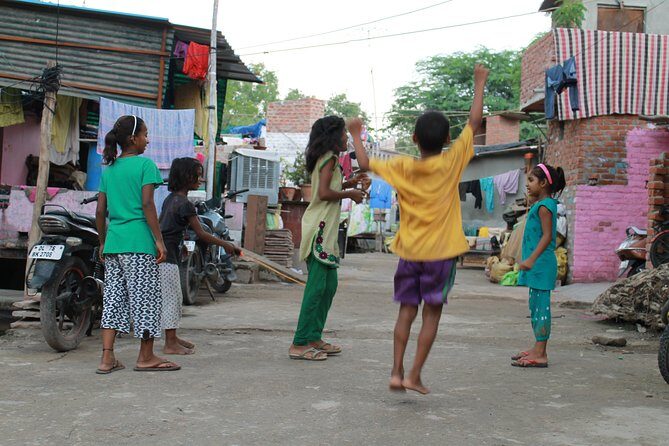
- How children are part of the everyday flow of life, not staged entertainment
- How households structure work and responsibilities
- How religious buildings and schools create anchors in the community
That combination is why a tour like this can change how you think. It’s not about turning away from reality. It’s about recognizing people as people—with plans, pride, faith, and work—rather than treating the area as a sad postcard.
At the same time, keep your own expectations grounded. This is not a curated “tourist neighborhood.” It’s a real community. That means your experience may include moments that feel intense, and it may be emotionally moving in a way you don’t fully control.
Agrasen ki Baoli: a stepwell stop that balances the day
After the Sanjay Colony visit, you’ll head to Agrasen ki Baoli, a historic stepwell known for its beautifully symmetrical architecture. This stop is a different flavor of Delhi—less about everyday life pressures and more about stone geometry and ancient water design.
Why it works after the first stop: the stepwell gives you a mental reset. You go from understanding how communities live and work in the present, to seeing a structure that reflects how people planned, built, and cared for communal water needs long before modern Delhi.
The tour places this stop along the way during the return portion of the day, so you don’t feel like you’re adding another separate half-day commitment. It’s a good balance if you want your itinerary to feel complete rather than only focused on one theme.
If you’re a photography person, this is where your camera will likely have an easier time. The stepwell’s symmetry is naturally photogenic, and you’re not competing with the practical busyness you’ll see earlier.





Price and value: is $69 worth it?
At $69 per person, the headline price looks simple. The real question is whether you’re getting more than just a “door-to-door” experience.
From the included items, you’re getting:
- Round-trip hotel transfers
- Private transportation
- A professional guide during the slum visit
- Admission ticket included for the slum-visit portion
- A full experience time window of about 3–4 hours
In other words, the money is going toward the two things that usually cost time and effort on your own: getting to the right place, and having a guide who can explain what you’re seeing in a respectful way.
It also matters that the tour is private, so you’re not paying for a shared guide experience where your questions get lost. If you’re booking with a friend or family member, the listed features mention group discounts, which can make the value even better.
One more practical factor: this tour seems in demand, with an average booking window of about 49 days in advance. If your dates are fixed, it’s smart to plan earlier rather than later.
And remember: there are no meals included. So if you do this tour mid-day, consider grabbing something light before you go, or plan a meal after you’re back at your hotel.
Who this tour suits best (and who should think twice)
This tour is a strong match if you want:
- A guided, context-first look at life in Sanjay Colony
- An experience that focuses on human stories rather than fear or pity
- A Delhi day that mixes everyday reality with a meaningful architectural stop at Agrasen ki Baoli
- A format with private transfers and a guide who spends the key time with you
It’s also a good choice for couples and small groups, especially if you don’t want the friction of a large group tour.
Who should think twice:
- If you’re very sensitive to scenes of poverty, this might feel heavy even when handled ethically.
- If you hate the idea of being stared at or you’re easily thrown off by social attention, plan for that possibility and let the guide manage the flow.
A little preparation helps. Wear comfortable clothing, bring a water bottle, and set a mindset that this is a learning experience, not a “fixing” mission.
Practical tips to make the day go smoothly
Based on how the experience is described, here are a few things that help your visit go better:
- Bring a calm, respectful attitude. This kind of visit works best when you’re ready to listen more than you talk.
- Keep questions focused on daily life and how people organize work and community.
- Be mindful with photos. If people are gathered around you, follow your guide’s cues and don’t pressure anyone.
- Since meals aren’t included, plan your food timing so you’re not hungry during the most emotional portion of the day.
Also, the experience requires good weather. Delhi weather can swing, so if conditions are poor and the tour is canceled, you’ll be offered a different date or a full refund. (More on that in the FAQ.)
Should you book this Delhi Moral Slum Tour?
I’d book it if you want a Delhi experience that feels real, guided, and grounded in human context. The biggest selling points are the professional guide-led Sanjay Colony visit and the added architectural stop at Agrasen ki Baoli, all wrapped in hotel pickup and drop so the day stays manageable.
Choose something else if your travel style avoids emotional heaviness. This isn’t a comfort tour, even though it’s presented with dignity and aims to reduce stereotypes.
If you do book, go in with curiosity and respect. You’ll leave with a different sense of what “Delhi” means beyond monuments—and you’ll likely remember the guide’s explanations long after the stepwell photos fade.
FAQ
Is hotel pickup and drop-off included?
Yes. You’ll get round-trip transfers from your Delhi hotel, with private transportation for the tour.
How long is the tour?
It runs about 3 to 4 hours total, including the guided slum visit and the Agrasen ki Baoli stop.
Is this a private tour?
Yes. It’s a private tour/activity, so only your group participates.
Will I have a guide during the entire tour?
The guide is included during the slum visit only. After that, the tour continues with transfers and the stepwell stop.
Is the slum visit ticket included?
Yes. The slum-visit portion includes an admission ticket as part of the schedule.
Are meals included?
No. Meals are not included in the tour price.
What if the weather is bad?
The experience requires good weather. If it’s canceled due to poor weather, you’ll be offered a different date or a full refund.
What is the cancellation policy?
You can cancel for a full refund up to 24 hours in advance. If you cancel less than 24 hours before the start time, the amount paid is not refunded.