REVIEW · RISHIKESH
Kedarkantha Trek (Dehradun to Dehradun)
Book on Viator →Operated by Kaushik's Cafe & Trek · Bookable on Viator
Snow starts with a bus ride.
This 5-day Kedarkantha trek is built around a simple idea: get you from Dehradun to the mountains with transfers, then let a guide handle the trail pace and logistics. I like the mix of 2 nights in tents and 2 nights in a homestay, because you’re not stuck in one mode the whole trip. The meals are all included too, which makes a big difference on a cold, high-altitude-style outing. One consideration: the operator lists some winter gear (like micro spikes) as excluded unless your group is large enough, so you may want to plan for that cost.
What also sells me on this trek is the sunrise summit rhythm: early start, time at the top for photos, then warm food back down. Guides such as Munraj bhaiya and Surendra bhaiya were described as patient and steady, and that matters when your legs feel it before your brain catches up. The main drawback to watch for is the weather dependency—they require good conditions, and the plan can shift if conditions are poor.
In This Review
- Key details worth knowing before you go
- Kedarkantha Trek in 5 days: the route in plain terms
- Getting to Sankri from Dehradun: travel that feels like part of the trip
- Day 2 and Day 3: from the first base camp to Kedarkantha base camp
- Day 4 summit morning: sunrise time, then hot lunch and recovery
- Tents, homestays, and food you can actually plan around
- Guides you can trust: Munraj, Surendra, and Amit’s kind of help
- Price and value: what you’re really paying for
- Who should do this trek (and who should reconsider)
- Booking tips: weather, sunrise timing, and packing basics
- Should you book Kedarkantha with Kaushik’s Cafe & Trek?
- FAQ
- FAQ
- How long is the Kedarkantha Trek from Dehradun to Dehradun?
- What’s included in the price?
- Are meals included throughout the trek?
- Where do you sleep during the trek?
- Do I need to bring my own trekking gear?
- What’s the group size limit?
- How much trekking happens on Day 2 and Day 3?
- What if the trek can’t run due to weather?
Key details worth knowing before you go
- Round-trip transfers from Dehradun are included, so you don’t have to figure out the long slog on your own.
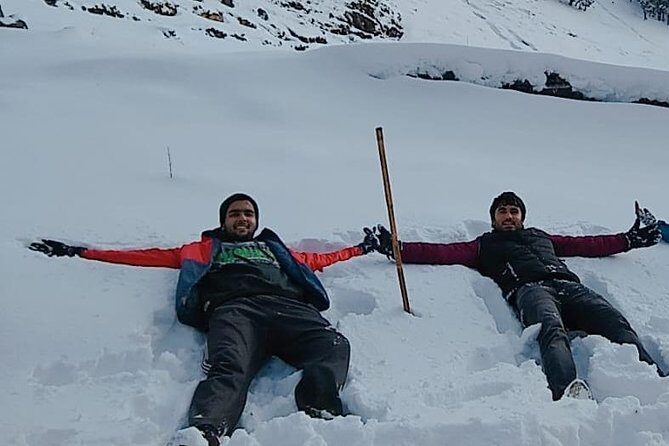
- Two nights in tents + two in a homestay keeps the trip from feeling like one long “camping only” day.
- All meals included (breakfast, lunch, dinner plus snacks) helps you budget and pack smarter.
- Protected-area trekking includes a stop through Govind Pashu Vihar National Park & Sanctuary.
- Sunrise summit timing means an early start and a short but meaningful window at the top for photos.
- Group size max 25 keeps the experience sociable without feeling like a cattle call.
Kedarkantha Trek in 5 days: the route in plain terms
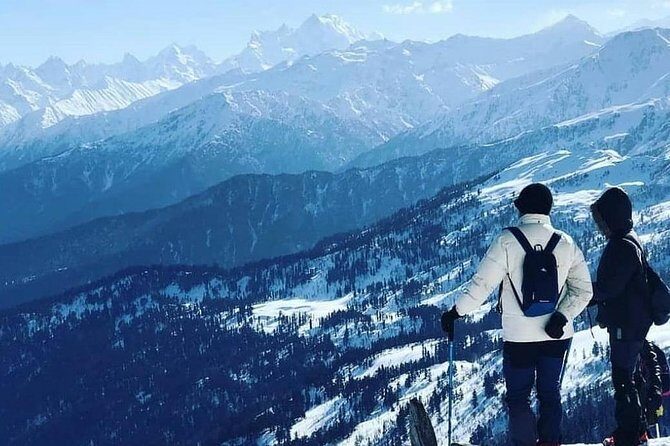
This trek is a loop from Dehradun that focuses on reaching Kedarkantha by way of Sankri. Day 1 is mostly travel, then Days 2 and 3 are about moving camp-to-camp toward base camp. Day 4 is the “do the thing” day—early trek to the summit, sunrise time, then back down for lunch and rest. Day 5 is the return to Dehradun in the afternoon window.
What I like about this layout is how it spaces the effort. You get a couple of shorter trekking segments early on (think 3–4 hours), then you shift into a summit day where timing matters more than distance. It’s a good structure for people who want the magic of the peaks without a long, grind-it-out trek every single day.
Also, the experience is capped at 25 travelers, which usually keeps the group organized and helps the guide manage everyone’s pace. And since it’s guided, you’re not left guessing where to turn when the weather turns.
You can also read our reviews of more hiking tours in Rishikesh
Getting to Sankri from Dehradun: travel that feels like part of the trip
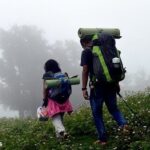
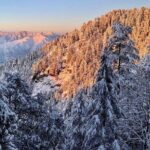
Day 1 covers about 200 kilometers from Dehradun into the hilly region toward Sankri. It’s a long travel day (around 15 hours), but the route passes through areas with mountain and river views, plus plenty of pine forest. That matters because the trek doesn’t feel like an abrupt jump from city life to wilderness—your eyes and senses adjust gradually.
Food is also part of the day. At halt points, you’ll get meals like Chicken Bhaat and Machhli Bhaat, which is a practical reminder that you’re eating the kind of food locals actually run on. If you’re picky about timing, do yourself a favor: plan your hydration and snacks so you don’t arrive hungry and irritated.
One small reality check: you’ll likely want to pack what you need for the ride (a warm layer, water, anything for motion sickness if you’re sensitive). Even though the trek is the headline, Day 1 sets your energy level for the next few days.
Day 2 and Day 3: from the first base camp to Kedarkantha base camp
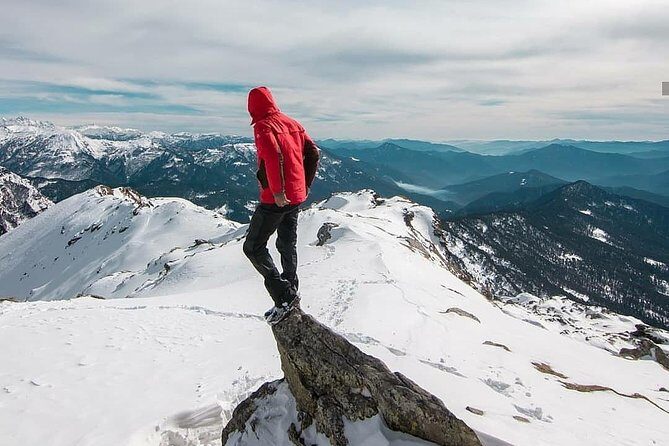
Day 2 is where the trekking starts for real. You trek about 4 kilometers to the first base camp area at Juda ka Talab (JKT), with an estimated 3–4 hours on the trail. After you arrive, you retire to your tents and settle your bags before you get time to take in the area around camp.
Day 3 builds on that. You cover about 3 kilometers to reach the second base camp: Kedarkantha Base Camp at Talkahata, estimated 2–3 hours of trekking. When I see a trek that uses shorter “approach” days like this, I read it as a chance to acclimate and get your rhythm before sunrise day hits.
There’s also the protected-area angle: Day 2 includes Govind Pashu Vihar National Park & Sanctuary. Even without getting overly technical, the practical takeaway is simple: you’re walking in a managed natural zone, and that usually means trails and operations are more structured than off-the-books routes.
At both base-camp stops, you’re given time to rest and reset. That’s not “free time” in the lazy sense—it’s when you actually need to do the boring stuff: dry socks if you can, check your gear, and keep yourself warm so the summit morning doesn’t feel like a surprise attack.
Day 4 summit morning: sunrise time, then hot lunch and recovery
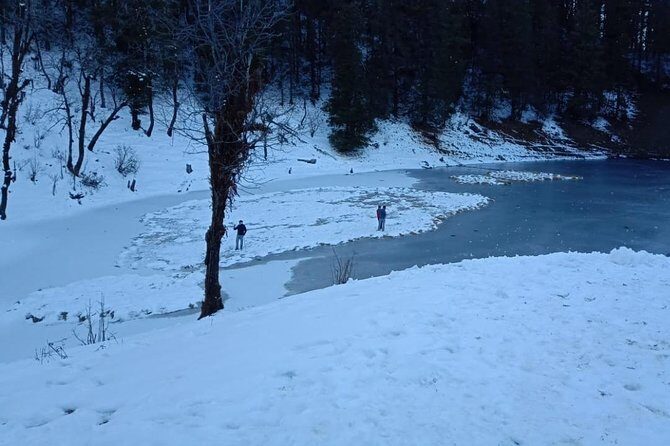
Day 4 starts early so you can witness sunrise. The trek up begins in the morning, and once you reach the top, you get about 30 minutes to 1 hour depending on weather for the photos and memories. That short summit window is the key. You’re not meant to linger and freeze; you’re meant to move, see it, and come down.
After the summit, the plan brings you back to Kedarkantha Base Camp for hot lunch and time to relax. This matters more than it sounds. On cold mountain days, the difference between “I’m just surviving” and “I can breathe again” is warm food and a break that’s planned, not improvised.
Then you head back toward Sankri for your overnight stay in a homestay. If you’ve only done standard day hikes, this part can feel oddly comforting: you get the mountain high, then you land somewhere with a more normal rhythm. That blend is part of why this itinerary works for a wider range of hikers.
Tents, homestays, and food you can actually plan around
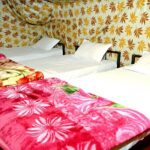
You get two nights in tents and two nights in a homestay. That split is useful because it lets you experience both sides of the trek: the outdoors nights near base camp and the quieter reset at Sankri after the summit day.
Food is another big win. The package includes all meals: breakfast (4), lunch (3), and dinner (4), plus snacks (4). For a cold-weather trek, this is more than comfort—it’s energy management. When food is already handled, you don’t waste mental energy hunting calories. You also don’t risk under-eating because you assumed there’d be something available later.
The first-hand vibe from guides is also food-related. People specifically praised the quality of the meals, calling out the guides’ care and that the food was a highlight. On a trek like Kedarkantha, “good food” translates into practical endurance: less time feeling heavy, more time feeling steady.
There’s also a first aid kit included. It lists items such as dettol, cotton, bandaid, vicks, saridon, crocin, digene, betadine, and volini. It doesn’t replace medical care, but it tells you the crew is thinking ahead.

Guides you can trust: Munraj, Surendra, and Amit’s kind of help
This trek leans hard on the guide team, and that’s a good thing. In the feedback, people highlighted how guides like Munraj bhaiya and Surendra bhaiya stayed patient and helpful, motivating trekkers step by step. That tone matters when you’re tired, your breath is loud, and your brain starts bargaining for one more minute of rest.
Another name that came up: Amit bhai. People described him as especially good, and that lines up with what I expect from solid trekking leadership—guides who keep the group moving at a pace that feels doable without making it slow.
Also, there’s a subtle social benefit: a guided group is an easy way to meet people who are going through the same altitude chills and sore-leg moments. If you want company that isn’t forced, a small-to-medium group size and attentive guides usually create that “we’ve got this together” feeling.
Price and value: what you’re really paying for
At $108.80 per person for about 5 days, the price can look “budget” until you break down what’s included. You’re not just paying for a route and a guide. You’re also getting round-trip transfers from Dehradun, all meals, and mixed accommodations (tents and homestay). That combination is often where trek costs hide—especially when you factor in food and local transport.
So what’s the trade-off? It’s not a luxury trek. And you should check the gear situation. Some items are listed as excluded if the group size is small: headlamp, trek pole, shoes, micro spikes, gaiters, and poncho/rainsuit. If fewer than 6 people join, gear can be made available for an additional INR 700. In other words, your out-of-pocket cost might depend on the group.
Private transportation is also listed as not included. The good news is the trek does include transfers from Dehradun, but if you’re planning your own local connections before or after, you’ll need to handle that separately.
If you’re traveling on a tight budget, this is one of those deals where you feel the value because you don’t have to keep paying for basics like meals. If you’re traveling for a “fully stocked, everything provided” experience, you’ll want to confirm gear expectations early.
Who should do this trek (and who should reconsider)
This is best for people with moderate physical fitness who can handle uphill walking and cold conditions. The itinerary uses shorter trek segments early on (4 km then 3 km), but the summit day is the real test. Even with guidance, you still need the legs and stamina to move early and keep going.
It also suits people who like a structured experience. The days are scheduled, meals are built in, and you have a guide. If you hate uncertainty—like wondering where you’ll sleep or whether food will show up—this format is reassuring.
If you’re sensitive to cold or you haven’t trekked in snow/icy conditions before, pay attention to the gear list and the micro-spike note. You don’t need to be an expert, but you do need to be prepared.
Booking tips: weather, sunrise timing, and packing basics
The experience requires good weather. That doesn’t just mean comfort—it can affect whether the trek proceeds as planned. If conditions are poor, you’ll be offered a different date or a full refund, so it’s worth keeping your schedule flexible.
For packing, follow the logic of what’s excluded if your group is small. Bring or confirm you have: headlamp, trekking poles, good shoes, and the cold-weather traction items. A poncho or rainsuit also makes sense because mountain weather can turn fast.
One more practical thing: the starting window lists 6:00 AM to 8:30 AM at the Prince Chowk, Dehradun meeting point. Even if you’re not late, leaving time for traffic and finding the right pickup spot is smart.
Should you book Kedarkantha with Kaushik’s Cafe & Trek?
Book it if you want a guided trek with a clear rhythm: travel day, two base-camp approach days, a sunrise summit with a short top window, then warm lunch and a homestay reset. The included meals and the tents-to-homestay mix make it feel like real trekking, not just a tour bus with views.
Consider it carefully if you’re hoping everything will be provided without any gear planning. The micro-spikes and other winter gear detail means your group size can change what you personally need to bring. Also, treat weather as a deciding factor—sunrise treks run on conditions, not promises.
FAQ
FAQ
How long is the Kedarkantha Trek from Dehradun to Dehradun?
The trek runs for about 5 days. You’ll arrive back in Dehradun between 2–6 pm on day 5, depending on departure time from Sankri.
What’s included in the price?
Round-trip transfers from Dehradun are included. You also get guided trekking, 2 nights in tents and 2 nights in a homestay, and all meals (breakfast, lunch, dinner) plus snacks.
Are meals included throughout the trek?
Yes. Breakfast is included 4 times, lunch 3 times, dinner 4 times, and snacks 4 times.
Where do you sleep during the trek?
You’ll sleep in tents for two nights and in a homestay for two nights.
Do I need to bring my own trekking gear?
Some gear is excluded if the group is under 6 people. That includes a headlamp, trekking pole, shoes, micro spikes, gaiters, and a poncho/rainsuit. If fewer than 6 join, gear may be available for INR 700.
What’s the group size limit?
The maximum group size is 25 travelers.
How much trekking happens on Day 2 and Day 3?
Day 2 includes about 4 kilometers (estimated 3–4 hours) to the first base camp area. Day 3 includes about 3 kilometers (estimated 2–3 hours) to Kedarkantha Base Camp at Talkahata.
What if the trek can’t run due to weather?
It requires good weather. If it’s canceled due to poor weather, you’ll be offered a different date or a full refund.
If you want, tell me when you’re traveling and your current gear situation, and I’ll help you map out what to pack so the summit morning feels manageable.