REVIEW · JAIPUR
Jaipur Heritage Evening Walk – The Twilight Magic of Pink City
Book on Viator →Operated by LE TOUR DE INDIA · Bookable on Viator
Night in Jaipur feels like a different city, and this guided walk times it well. You’ll get two things I really like right away: a tight loop that hits major sights after dark, and a food-and-craft focus that helps you understand daily life, not just monuments. The evening start also means you avoid the daytime heat and the stress of figuring out where to go next.
The second big plus for me is the built-in comfort: snacks, bottled water, and hot drinks are included, and the guide keeps you moving at a human pace. One drawback to consider: it’s still a lot of walking and lane-time in the old city, so if you’re bringing younger kids (one family shared that kids around 10 felt like a rough fit), you may want to think twice or ask how your guide will pace it.
In This Review
- Quick Hits: What Makes This Twilight Walk Worth Your Time
- A Walk That Starts Before the Streets Set Into Motion
- Ajmeri Gate to the Pink City Crafts Lanes
- Kishanpole Bazar Road at Dusk: Light Turns the Corner Into a Moment
- Tripolia Gate: Markets You Can Actually Understand
- Hawa Mahal Rooftop Tea: The Best “Pause Button” of the Evening
- Johri Bazaar Food Time: Eating Your Way Through the Old Lanes
- Albert Hall Museum Finish: Lights, Distance, and That Last Evening Feel
- Guides Matter: When the Person Holding the Thread Is Strong
- Who This Tour Fits Best (and Who Might Rethink It)
- Price and Value: What $35 Buys You in the Real World
- Getting There and Knowing the Start/End Points
- What to Bring for a Comfortable Night Walk
- Should You Book This Jaipur Heritage Evening Walk?
- FAQ
- How long is the Jaipur Heritage Evening Walk?
- What does the tour cost?
- What are the included refreshments?
- Where does the tour start and end?
- Is hotel pickup included?
- Is it a small group tour?
- What is the policy if weather is bad?
Quick Hits: What Makes This Twilight Walk Worth Your Time
- Small-group size (max 10): easier conversation, better navigation, and less waiting around.
- Artisan-lane stop in the Pink City: you don’t just see the colors—you meet the craft tradition behind them.
- Hawa Mahal rooftop tea break: a simple break that turns into a great photo and people-watching moment.
- Johri Bazaar food hunt: you’re guided through narrow lanes for local eats rather than guessing what’s safe or worth it.
- Battery rickshaw old-city hopping: you cover ground without tiring yourself out before the last lights at Albert Hall.
A Walk That Starts Before the Streets Set Into Motion
This tour is built for the “golden-hour to night” stretch, when Jaipur’s old city changes mood fast. Starting at 4:00 PM lets you catch monuments transitioning from late-day glow into the first rounds of street lighting. You’re not trying to sprint from place to place on your own, and you don’t have to keep checking maps while the city gets busier.
What makes the timing smart is how it matches the sights you’ll see. You begin at Ajmeri Gate, then move deeper into the old city for crafts and market lanes, and you finish with the lighting and open space around Albert Hall Museum. If you like the idea of a guided night stroll that still feels structured, this route does that.
You can also read our reviews of more walking tours in Jaipur


Ajmeri Gate to the Pink City Crafts Lanes
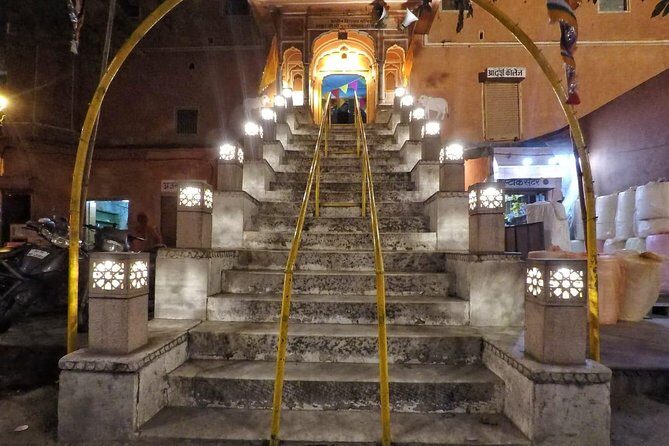
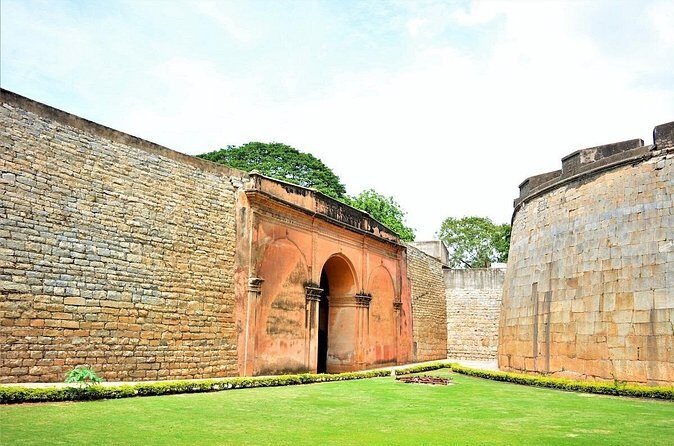
You’ll start at Ajmeri Gate, a classic old-city entry point. The stop is short, but it’s useful: you get a quick orientation before you step into lanes where a wrong turn can cost you time. In practical terms, this is where you get your bearings fast so later you can enjoy the chaos instead of surviving it.
From there you head into the Pink City area for a hands-on-feeling look at artisan work in the lanes. The program centers on crafts practiced for over three centuries, which gives you a sense of how deep the city’s maker culture runs. One reason I’d choose this over a generic sightseeing loop is that the focus isn’t only architecture—it’s also the human routines behind it.
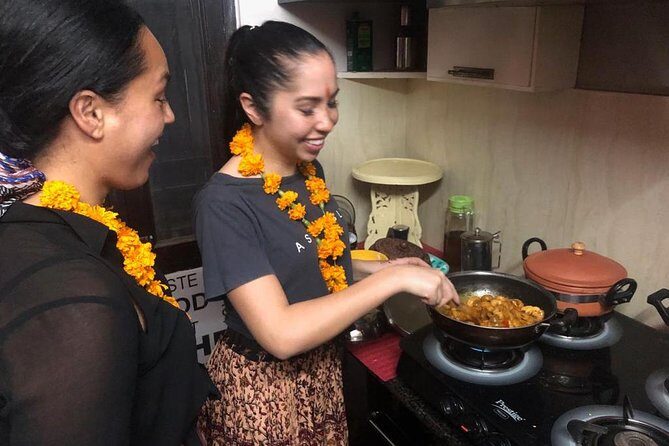
You might also get a participatory moment depending on your guide and the day. One experience shared included a chance to take part in making something simple with the artisans, so if you like learning through doing, keep an open mind.
Kishanpole Bazar Road at Dusk: Light Turns the Corner Into a Moment
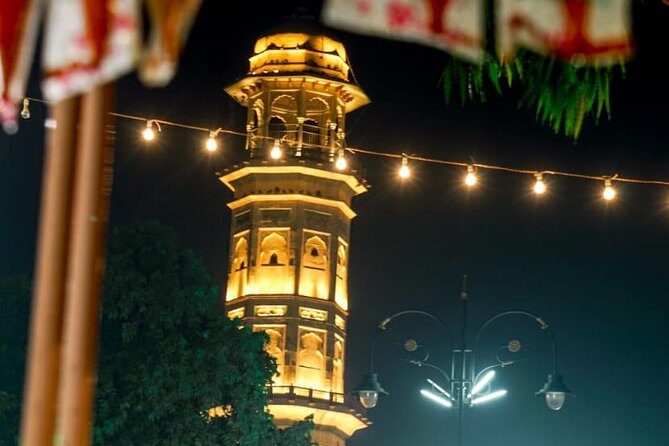
As daylight fades around 5:30 PM, the tour leans into what Jaipur does well after dark: lighting. On Kishanpole Bazar Road, you get a focused look at yellow illumination on temples, windows, gazebos, and historic entrances. This isn’t just for photos (though yes, it’s great for that). It also helps you “read” the old city—shadows and light make details easier to spot than in daylight glare.
This part of the walk is short—about 30 minutes—but it works because it breaks up the longer stretch through lanes. You get a breath, a scene change, and a reason to slow down before you hit more market shopping.
Tripolia Gate: Markets You Can Actually Understand
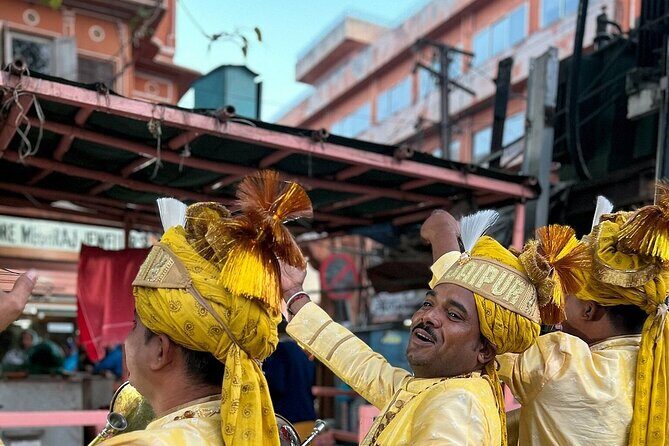
Around 6:00 PM you’ll reach Tripolia Gate and shift into local market time. The emphasis here is less on shopping for the sake of shopping and more on learning what people buy and why—especially around textiles and festive wear. You’ll pass places showing Indian sarees, wedding attire, and accessories that catch the light.
A night market has its own logic. When you’re with a guide, you’re less likely to get pulled into tourist traps because you’re learning what to look for. If you enjoy craft and clothing traditions, this stop is a good match.
If you’re the kind of person who wants to buy something, go in with a plan. Decide what you’re willing to carry home and what budget makes you feel good before the prices start flying in.
Hawa Mahal Rooftop Tea: The Best “Pause Button” of the Evening
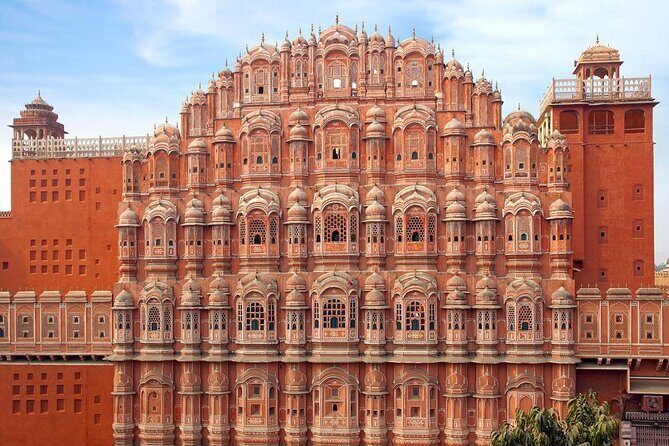
At about 6:30 PM, the walk reaches Hawa Mahal (Palace of Wind) for a rooftop tea break. This is one of the best-value parts of the tour because you’re not just standing around waiting for views—you’re stopping to drink something warm while the city turns pinker and brighter.
The program notes describe the pink-tinted walls and corridors becoming more illuminated at night. Even if you’ve seen Hawa Mahal in photos before, this timing tends to change what you notice: you can actually appreciate the building’s rhythm without the day crowd. And tea gives you a real reset, especially if your legs are starting to feel it from earlier lanes.
You can also read our reviews of more city tours in Jaipur
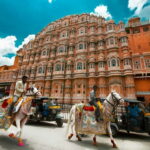





Johri Bazaar Food Time: Eating Your Way Through the Old Lanes
At about 6:45 PM, you head to Johri Bazaar for a culinary exploration in the tight old-city streets. The tour’s food angle is one of its defining strengths: you’re not left to guess what’s good or what’s safe. The pace here is built around snack-and-sample style eating and the guide helps you navigate menus and local habits.
A practical point: the tour includes snacks plus bottled water and hot drinks, so you can enjoy the food part without feeling like you must eat a full meal. It’s ideal for food lovers who want to taste a few things and keep moving rather than committing to one heavy dinner.
If you have dietary needs, I can’t promise how perfectly they’ll match without more detail, so it’s smart to message the operator before booking. At minimum, ask whether the food stops can accommodate allergies or preferences.
Albert Hall Museum Finish: Lights, Distance, and That Last Evening Feel
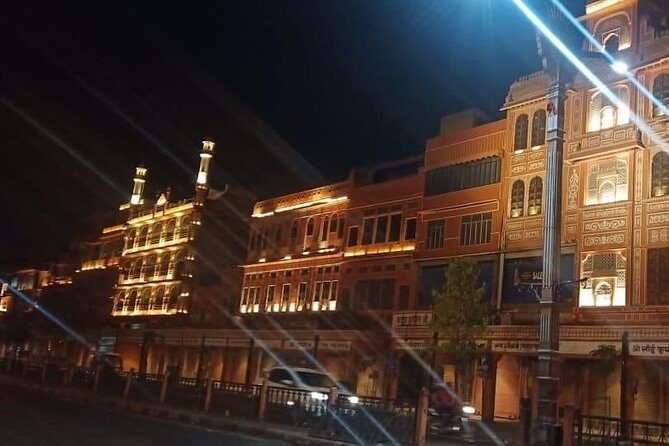
The tour ends at Albert Hall Museum, in the Ram Niwas Garden area. It’s a good finish point because the area gives you space to breathe after the lane walking, and the museum lighting keeps the “night story” going right until the end.
There’s also a battery rickshaw ride part of the plan near the end, described as a slow ride to see the lights and feel a light breeze. Here’s the one thing to double-check: the program materials include “battery rickshaw ride” in the final segment, but the “not included” section flags it. Since the included list also mentions covering maximum distance by battery-operated rickshaw, your safest move is to confirm during booking what you pay and what’s covered.
Guides Matter: When the Person Holding the Thread Is Strong
A guided walk lives or dies on the guide’s ability to explain what you’re seeing while keeping things fun. In this case, the guide focus is on religious history, mythology, and day-to-day lifestyle in Jaipur. That’s a lot more useful at night than you might expect, because temples and street shrines can look similar at first glance. Context turns “random carvings” into a reason to slow down.
You might get a guide with a strong reputation, including names like Rajov, Himmad, Archie, Khush, and Archit. The consistent theme in the shared experiences is that the guides make the walk feel personal—someone can explain symbolism, point out how neighborhoods work, and keep everyone from getting separated.
Customization also shows up in the way the tour can flex. One experience described a guide adapting the route due to a local kite event and then inviting the group to his rooftop. That’s not something you should count on, but it’s a sign that the guide relationship can be more than a script.
Who This Tour Fits Best (and Who Might Rethink It)
I think this is a great fit if you:
- want a safe way to see Jaipur’s old city at night without feeling lost
- like food with guidance, not just restaurant hopping
- enjoy crafts and want a sense of how artisans work, not only what monuments look like
It may be less ideal if you’re:
- traveling with small kids who need lots of breaks (one shared note suggested that kids around 10 may be tough for the format)
- expecting a purely “major monuments only” itinerary with long photo stops at every highlight
It’s also best for travelers who enjoy walking in narrow spaces. Even with battery rickshaw segments, there’s still a lot of moving through lanes and market areas.
Price and Value: What $35 Buys You in the Real World
At $35 per person for about 3 to 4 hours, this tour is priced like a smart evening plan rather than a big-ticket “private everything” experience. The value comes from the combination of guidance plus small touches that reduce your own hassle:
- snacks, bottled water, coffee/tea
- private transportation supporting the movement between areas
- a guide who focuses on context, not just directions
- a route designed to cover old-city sights efficiently
Also, it’s a mobile ticket setup, which typically means less paperwork and fewer headaches on arrival. And because the group size is capped at 10 travelers, you’re less likely to feel like a number in a crowd.
Two costs to watch for:
- hotel pickup/returns are not included, so plan to arrive at the start point on your own
- confirm details around the battery rickshaw ride since the materials don’t agree cleanly on whether it’s included
Getting There and Knowing the Start/End Points
The meeting point is at Le Tour De India, address: 14-B near Mirza Ismail Road, Panch Batti, Jayanti Market, New Colony, Jaipur, Rajasthan 302001. The tour ends at Albert Hall Museum, Ram Niwas Garden, Ashok Nagar, Jaipur, Rajasthan 302004.
Being near public transportation is helpful, especially if you’re staying central and don’t want to burn time on logistics. If your hotel is far from Panch Batti or Ashok Nagar, build in extra buffer time so you’re not sprinting to make a 4:00 PM start.
What to Bring for a Comfortable Night Walk
This is Jaipur in the evening, so pack for city walking, not beach weather. I’d bring:
- comfortable shoes with grip for lane surfaces
- a light layer if you run cool
- a small cash reserve for market items
- any personal water or snack backup if you’re sensitive to new foods
Since it’s a weather-dependent experience, bring a little flexibility to your schedule. If weather is poor, the tour may be changed or refunded.
Should You Book This Jaipur Heritage Evening Walk?
Book it if you want an organized, low-stress way to see Jaipur’s old city after dark, especially if food and crafts are your priority. The inclusion of tea/coffee and snacks, plus the way the route times light, markets, and views, makes the evening feel like a complete arc rather than a string of random stops.
Skip (or at least ask questions first) if you need lots of kid-friendly pauses, require strict dietary accommodations, or dislike walking through busy lanes at night. And do confirm what’s included around the battery rickshaw so you don’t get surprised late in the evening.
FAQ
How long is the Jaipur Heritage Evening Walk?
The tour lasts about 3 to 4 hours.
What does the tour cost?
It costs $35.00 per person.
What are the included refreshments?
The tour includes snacks, bottled water, coffee and/or tea, plus hot drinks.
Where does the tour start and end?
It starts at Le Tour De India near Mirza Ismail Road, Panch Batti (Jayanti Market area) and ends at Albert Hall Museum at Ram Niwas Garden.
Is hotel pickup included?
No. Transfers from the hotel to the start and endpoint are not included.
Is it a small group tour?
Yes. The tour has a maximum of 10 travelers.
What is the policy if weather is bad?
This experience requires good weather. If it’s canceled due to poor weather, you’ll be offered another date or a full refund.