REVIEW · JAIPUR
Jaipur: Spice Market and Street Food Walking Tour
Book on GetYourGuide →Operated by Ultimate Urban Adventures Pvt. Ltd. · Bookable on GetYourGuide
This is a sensory shortcut to old Jaipur. You start at Shri Chandpol Hanuman Ji Temple, then walk straight into the sights, smells, and grind of spices in the city’s big market, with a guide pacing you through the crowds. I especially like how the tour mixes food with real market life, not just a quick photo stop.
I also love the payoff: multiple street-food tastings plus chai in the old city, ending near Raj Mandir Cinema. One drawback to plan for is the walking and crowd level—this is not a laid-back stroll, and it’s not suitable for wheelchair users or anyone who struggles with lots of foot traffic.
In This Review
- Key points to know before you go
- Shri Chandpol Hanuman Ji Temple to the Spice Market: a smart way to start
- Jaipur’s oldest spice market: watch the grinding and learn how spices travel
- Tuk-tuk hops to Tripolia Gate and the old-city walk-through
- Chai and vegetarian street food near Chaura Rasta: the tastings are the point
- Logistics that actually matter: shoes, crowds, photography, and timing
- Price and value (around $21): what you’re really buying
- Should you book the Jaipur spice market and street food walking tour?
- FAQ
- FAQ
- Where does the tour start?
- How long is the tour?
- What will I taste during the tour?
- Are tuk-tuk rides included?
- What language is the guide?
- What should I bring?
- Is this tour suitable for wheelchair users?
- Is there a free cancellation option?
Key points to know before you go
- Starts at Shri Chandpol Hanuman Ji Temple so you get your bearings in the pink city fast
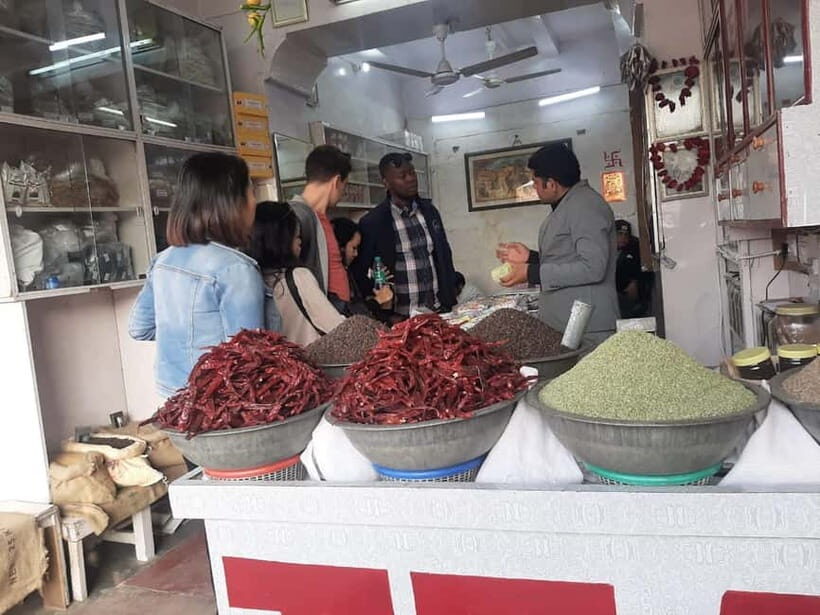
- Shows spice grinding by locals and helps you connect spices to how people actually cook
- Includes two short tuk-tuk rides to cut through distance and reposition quickly
- Stops at 5–6 authentic food stalls for vegetarian snacks and chai
- Ends at Raj Mandir Cinema, near Chaura Rasta Street by Tripolia Gate
Shri Chandpol Hanuman Ji Temple to the Spice Market: a smart way to start
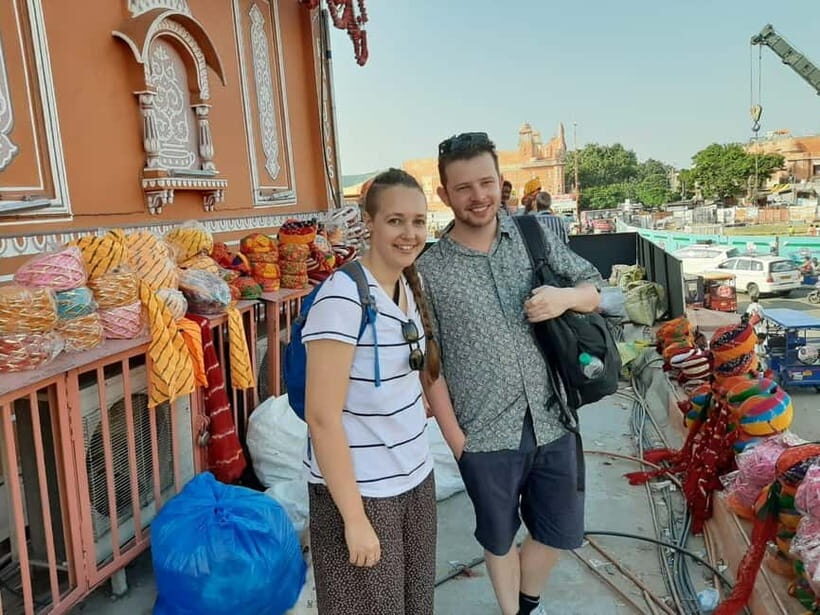
Meeting just outside Shri Chandpol Hanuman Ji Temple is a great move. Temples like this are more than scenery—they’re how locals still organize daily life—so you start with context instead of jumping into a tourist-only strip.
From there, you head toward Jaipur’s oldest and biggest spice market. Expect tight lanes, overlapping conversations, and the steady rhythm of people working. You’ll see spices handled the way they’re meant to be handled: ground, mixed, sorted, and sold with zero drama.
What I like most here is the pacing. A live English guide keeps the noise and confusion from swallowing your trip. If you’re the type who wants to understand what you’re seeing—rather than just filming it—you’ll appreciate how the route is designed to keep you moving while still stopping often enough to learn.
You can also read our reviews of more walking tours in Jaipur

Jaipur’s oldest spice market: watch the grinding and learn how spices travel
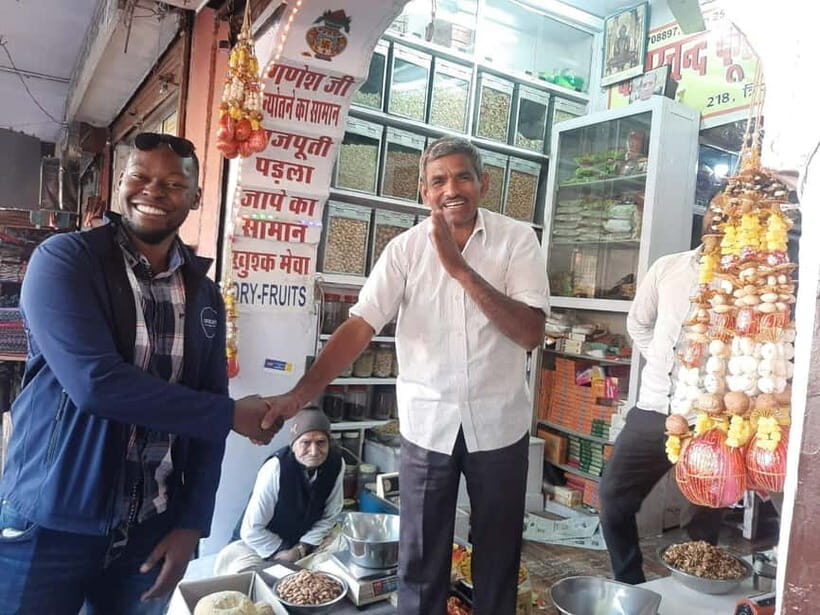
This is the main event. You’ll spend about two hours in the market area with a guide pointing out what matters: which spices are used commonly, what you’ll typically find for sale, and how locals think about them in everyday cooking.
One of the most praised parts of this tour is how guides explain spice use beyond the basics. You might hear the connection between spices and cooking methods, and even talk that touches health-minded traditions like Ayurveda. Either way, the point is practical: you leave with names, uses, and a better sense of why certain spice blends show up again and again in Rajasthan food.
And yes, you’ll see the grinding. That detail matters because it turns spices from abstract powder into something tactile. You can almost smell the difference between whole spice and freshly ground spice, and the market makes that contrast obvious.
Practical note: markets are crowded and fragrant. Bring your best “slow down” posture. If you rush, you’ll just step around elbows and miss the small learning moments.
Tuk-tuk hops to Tripolia Gate and the old-city walk-through
After the spice market, you get a couple of short tuk-tuk rides—just enough to feel the pink city without burning your legs. These quick hops also help you reposition toward Tripolia Gate and the old-city food stops.
The walking between points also matters. You’ll pass familiar historic areas and landmarks while the market energy stays in the background. It’s a good way to experience Jaipur as a lived-in city: history isn’t trapped behind rope; it’s right where people shop, eat, and move.
If you’re a photographer or filmmaker, this is where you’ll get frame after frame. But keep it respectful. In places like this, the best photos come when you move patiently and don’t block sellers or customers.
I also like that the guide handles the flow. Even when you hit a busy day, the tour is designed to keep you on track rather than letting chaos decide your schedule.
Chai and vegetarian street food near Chaura Rasta: the tastings are the point
Here’s the payoff most people remember: the food. After the spice walk and short rides, you stop at five to six authentic food shops and then end with chai and snacks near Chaura Rasta Street, close to Tripolia Gate, with the tour finishing at Raj Mandir Cinema.
You’ll be eating vegetarian street food in the old city, which is smart for a few reasons. First, it’s usually easier to sample widely without worrying about complicated sourcing. Second, it lets the spices you learned about show up immediately on your plate. You go from seeing spice powders to tasting how they behave in real food.
Chai is a centerpiece here—simple, comforting, and a great reset after the market intensity. And the snack stops give you choices: you get variety in texture and flavor without needing a full meal at each location.
Food tips from how guides work on this route: if you’re unsure what to order, ask the guide what to try next in the same style. The tastings aren’t random; they’re sequenced so your taste buds can follow the story.
Logistics that actually matter: shoes, crowds, photography, and timing
This tour runs about 2.5 hours, with comfortable shoes as the first requirement. You’re on foot in a crowded market setting, so your comfort affects everything else—your photos, your appetite, and how much you can enjoy the explanations.
Photography is encouraged, but you’ll need common sense. If you’re shooting close-ups of spice stalls, ask yourself whether you’re blocking a worker or forcing customers to navigate around you. A small shift in position makes a big difference.
You’ll also want to go in mentally ready for sensory overload. Sounds and smells can be intense in the best way. This is not the kind of tour where you can retreat into silence every five minutes. Instead, it trains you to focus on what matters: labels, uses, and flavors.
Included basics help you last the distance. You get a water bottle, two tuk-tuk rides, and the guide stays with the group throughout.
You can also read our reviews of more food & drink experiences in Jaipur






Price and value (around $21): what you’re really buying
At $21 per person, you’re paying mostly for three things: time with a local guide, access to good street-food stops, and a route that connects old-city landmarks to the spice market.
If you tried to DIY this, you could walk the spice market on your own. But DIY comes with three problems: figuring out where to eat safely and comfortably, learning what the spices actually do in cooking, and navigating the crowd without losing time. This tour solves those issues with structure.
It also saves you from some common travel friction. You skip the ticket line (useful for the ending area), and you don’t have to figure out how to move between pockets of old Jaipur on your own.
Overall, the value is strongest if you like food, photos, and learning in the same trip. If your idea of fun is quiet museums and empty streets, this may feel too energetic. If you want the real Jaipur street level, it’s a strong deal.
Should you book the Jaipur spice market and street food walking tour?
Book it if you want a short, focused experience that connects Jaipur’s spice market to chai and vegetarian street food in the old city. I think it’s especially worth it if you care about understanding what you’re eating, not just consuming it. And if you’re the type who plans to go home and cook with better spice instincts, you’ll likely get a lot out of the market explanations.
Skip it (or at least consider another option) if walking crowds are hard for you, or if you need step-free routes. Also, if you dislike strong smells, plan for that reality before you go—this tour is built around exactly that.
If you do go, show up with comfortable shoes and a curious mindset. Then let the guide do what guides do best: keep your day from turning into random wandering.
FAQ
FAQ
Where does the tour start?
You meet the guide just outside Shri Chandpole Hanuman Ji Temple.
How long is the tour?
The tour lasts 2.5 hours.
What will I taste during the tour?
You’ll have food tastings at 5 to 6 authentic food shops, plus chai and snacks.
Are tuk-tuk rides included?
Yes. You get two short tuk-tuk rides, including a ride to the Tripolia Gate area.
What language is the guide?
The tour is guided in English.
What should I bring?
Bring comfortable walking shoes. Photography is encouraged, but be respectful of locals.
Is this tour suitable for wheelchair users?
No. It is not suitable for people with mobility impairments or wheelchair users.
Is there a free cancellation option?
Yes. You can cancel up to 24 hours in advance for a full refund.