REVIEW · JAIPUR
Jaipur : Night Heritage Walk & Street Food Tasting in Jaipur
Book on GetYourGuide →Operated by North India Tour · Bookable on GetYourGuide
Jaipur at night turns the Pink City into a walkable, food-focused experience, and I really like that this tour mixes storytelling with 7+ local tastings (not just photos). You’ll also get real moments of everyday Jaipur—old lanes, long-running food shops, and landmark stops—so the city feels personal fast. One thing to consider: this is a walking-and-eating style tour, so if you’re not into crowds, street activity, or spicy food, you’ll want to speak up early about your preferences.
The tour is built for people who want both the taste and the context: your guide tells you why dishes exist, where flavors come from, and what to notice as you move through the bazaars. In at least one booking, the guide was named Najish—described as a historian—so you can expect a more interpretive, less generic style of explaining Jaipur.
In This Review
- Key highlights you’ll actually feel
- Why Jaipur’s Night Heritage Walk Feels More Local
- Price and Value: What $13 Really Buys You
- Meeting Up, Pickup, and How the Evening Runs
- Chaura Rasta: The Pink City Marketplace Start
- Badi Chaupar: A Photo Stop With Meaning
- Tripolia Bazar and Choti Chaupar: Market Corners and Crowd Control
- Food Tastings: 7+ Delicacies, Masala Chai, and How to Eat Smart
- The Storyteller Factor: Why the Guide Changes Everything
- Duration, Pace, and Who This Tour Fits Best
- Things to Watch Before You Go
- Should You Book Jaipur Night Heritage Walk & Street Food Tasting?
- FAQ
- How long is the Jaipur Night Heritage Walk & Street Food Tasting?
- What’s included in the price?
- Is hotel pickup and drop-off included?
- Do I get a guide, or can I go on my own?
- What language is the guide available in?
- Is the tour wheelchair accessible?
- Can I cancel, and how late can I cancel?
Key highlights you’ll actually feel
- 7+ authentic food tastings plus masala chai tea built into the route
- Story-led wandering through classic Jaipur lanes and old bazaars
- Major photo stops at Badi Chaupar, Tripolia Bazar, and Choti Chaupar
- Flexible experience: go on your own or add a guide for value
- Private group format for a calmer pace and easier food adjustments
Why Jaipur’s Night Heritage Walk Feels More Local
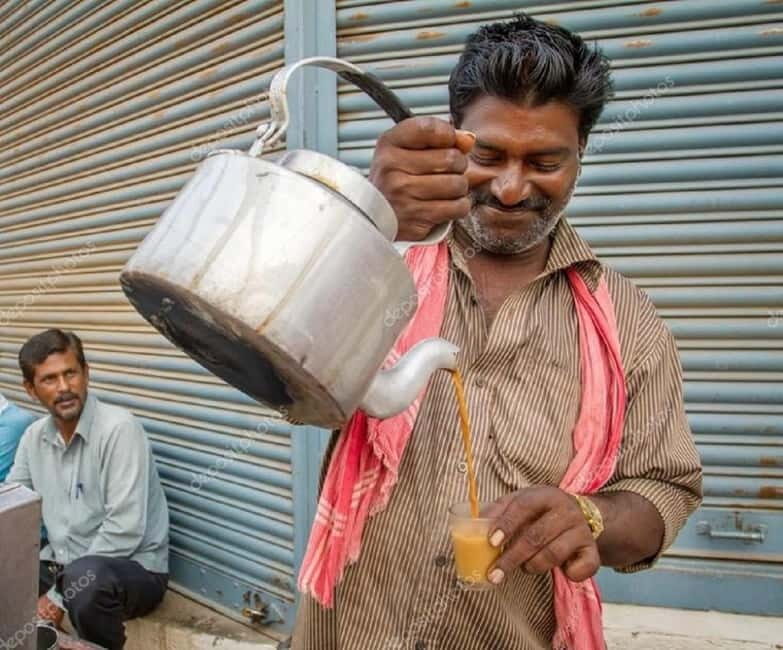
Jaipur’s day is about heat and big sights. At night, the city shifts gears. The streets you’ll walk through feel less like a checklist and more like daily life: shopfronts, people chatting, and food being prepared in rhythms you can see. That’s the real appeal here. You’re not just tasting; you’re watching how food culture moves through the Pink City after dark.
This is also a good kind of “soft sightseeing.” You’ll hit major landmarks at reasonable moments—often with photo stops—so you get the iconic shapes without spending the whole evening trapped in the most crowded viewpoints. The walk format means you can pause when something catches your eye, ask quick questions, and keep moving when you’re ready.
And yes, the focus is food. This tour includes 7+ local delicacies, a traditional masala chai, and local lunch, which is a big deal for value in a city where eating “on your own” can become guesswork and price guessing.
You can also read our reviews of more walking tours in Jaipur


Price and Value: What $13 Really Buys You
At around $13 per person, this tour is priced like a budget-friendly evening—yet it doesn’t feel like a “cheap sampler.” You’re paying for three things that cost extra when you do them separately: a live guide, multiple tastings, and guided pacing through areas that are easier to navigate with local context.
Here’s how the value works in practice:
- A guide who can explain dishes and street food culture saves time. You’re not just eating; you’re learning what you’re tasting.
- The food quota matters. 7+ tastings plus chai and lunch means the tour isn’t relying on one standout meal.
- The walk-based route can replace the need for multiple short activities. In a single 3–7 hour block, you get streets, stories, landmark stops, and eating.
One caution on value: food tours usually swing based on your appetite and your spice tolerance. If you’re a picky eater or you hate spice, you may not enjoy the same variety. But this setup is designed to adapt, and one review specifically mentioned dishes being adjusted to personal preferences—so it’s worth telling your guide what you like or avoid.
Meeting Up, Pickup, and How the Evening Runs
This is a walking tour with optional pickup, which matters because Jaipur can be spread out. Hotel pickup and drop-off aren’t included, but pickup is optional: a driver can pick you up from your location, and the guide meets you at monuments. If you’re staying centrally, you may find the meeting is easy; if you’re farther out, you’ll want to plan for travel time so you don’t arrive rushed.
The tour duration is flexible—3 to 7 hours depending on the starting time and how your group moves. In real terms, that means you should expect a slower, snack-and-story pace rather than a fast “see everything” sprint.
Because it’s a private group, you also get a more comfortable vibe than joining a large crowd. That tends to matter on food stops: it’s easier to hear the guide, ask questions, and request adjustments without feeling like you’re holding up strangers.
Chaura Rasta: The Pink City Marketplace Start
Your evening begins with Chaura Rasta, a well-known old market area that sets the tone immediately. This is where you start getting the sensory load: shop fronts, street energy, and the kind of tightly woven food-and-trade atmosphere Jaipur is famous for. You’ll spend about 45 minutes here, with time to walk, learn, and take in the street views.
What I like about using Chaura Rasta as a starting point is that it helps you “get your bearings fast.” Once you’ve got your first lane orientation, the rest of the route feels easier. You’ll be less likely to feel lost when you’re later moving through bazaars and crossing to other landmark areas.
Potential drawback: market starts can be intense if you’re sensitive to noise or crowds. If you’re the type who wants quiet sightseeing, consider choosing a start time that feels calmer for you—and keep an eye on your comfort level from the first 10 minutes.
Badi Chaupar: A Photo Stop With Meaning
Next up is Badi Chaupar, another classic Jaipur landmark area with a photo stop and guided walk. You’ll get around 45 minutes here, with the guide bringing context as you move.
This is the moment where the tour turns from pure street-watching into “why this place matters.” Even if you’re not a serious architecture person, landmarks like Chaupar areas connect the city’s design to its social life—where people met, traded, and moved through town.
The tradeoff is simple: photo stops are time-boxed. If you love lingering in one spot, you might wish there were more time. But the structure keeps the evening flowing and prevents you from spending half your night trying to get the perfect angle.
You can also read our reviews of more food & drink experiences in Jaipur






Tripolia Bazar and Choti Chaupar: Market Corners and Crowd Control
Then you’ll head into Tripolia Bazar for another photo stop and guided walking segment. Expect around 45 minutes. After that, Choti Chaupar follows with another photo stop and time to visit and walk—again about 45 minutes.
This pairing is smart for two reasons:
- You see Jaipur’s market life at different intensities rather than staying in one pocket.
- You get enough structure to avoid getting trapped in the busiest moments for too long.
Tripolia Bazar tends to feel like the kind of place where you can understand Jaipur’s food culture just by watching. Vendors, storefronts, and the steady flow of locals create a reality check that you can’t get from a bus tour. Choti Chaupar adds a change in feel—more of a landmark-and-lane transition—so the evening doesn’t become repetitive.
If you’re traveling with someone who gets impatient with walking, this is where a private group format helps. You can keep the pace comfortable and ask the guide to slow down around your favorite stops.
Food Tastings: 7+ Delicacies, Masala Chai, and How to Eat Smart
This is the heart of the tour. You’ll taste over 7 authentic local delicacies at handpicked food joints, and you’ll also sip masala chai as you walk. That chai piece isn’t just a warm-up drink—it’s a chance to understand spice logic. You’ll usually find that the flavors in Rajasthan street food aren’t random. They follow patterns your guide can point out as you move.
You’re also getting local lunch included. That makes the tour easier to plan, because you’re not stuck hunting for a proper meal later. It’s also helpful if your energy dips—mid-tour food keeps you going for the rest of the walk.
One of the standout details from a review: a pudding-like sweet was called out as a highlight. That tells me you should keep some space in your stomach. Another review mentioned a spontaneous add-on involving a barber, and another group described learning about chapati in a home-style way. Those aren’t guaranteed for every night, but they hint that the guide’s approach can be flexible and relationship-based, not just a rigid “stop A to stop B.”
Practical tip: tell your guide your spice level and dietary preferences at the start. This tour’s setup supports conversation and adjustment, and one review specifically mentioned meals being matched to participants’ preferences.
The Storyteller Factor: Why the Guide Changes Everything
If you’ve done enough city food tours, you know the difference between a guide who knows facts and a guide who knows people. This one leans toward storytelling and context. You’re not just eating while someone counts steps. You’re hearing how Jaipur’s food culture connects to daily life and city identity.
The most praised guides in the reviews shared a strong “explainer” style. Najish was mentioned as a historian, which is a huge advantage if you like your landmarks to come with real context instead of generic blurbs. Another review highlighted a professional, friendly, prepared guide who helped the group discover lesser-known places and feel the local culture up close.
What you get from a good storytelling guide:
- Faster learning: you remember what you tasted because you know the why.
- Better choices: you’ll know what to order and what to notice.
- Less confusion: in markets, it’s easy to feel overwhelmed. A guide turns that noise into a route.
Duration, Pace, and Who This Tour Fits Best
For 3–7 hours, you should expect a full evening of walking and eating, not a quick hit. The exact feel depends on the starting time and how often you stop for photos and tastings, but the structure is steady: market lanes, landmark photo points, then food sampling throughout.
This tour suits you if:
- You want street food in a guided, low-stress way.
- You enjoy learning as you go, especially with a historian-style approach.
- You like night walking in older neighborhoods and don’t mind narrow lanes and active markets.
- You’re traveling with friends or family and want the comfort of a private group.
It’s less ideal if:
- You hate walking or have limited stamina. This is still a walking tour.
- You strongly dislike spice or have very restrictive dietary needs and don’t want to communicate.
- You expect a formal sit-down cooking class. The experience is more about shared eating and cultural learning than a structured classroom.
Things to Watch Before You Go
Food tours are fun, but they have a few real-world edges. Keep these in mind:
- You’ll likely eat multiple items in succession. If you’re sensitive to rich food, pace yourself and ask for what’s mild.
- Markets can be busy and noisy. Wear comfortable shoes and plan for standing during tastings.
- Bring a light layer if evenings feel cool for you. (Rajasthan nights can feel pleasant compared to daytime heat.)
- If you’re a first-time Jaipur visitor, this tour helps you connect the dots early. If you already know the major sights well, you might still enjoy the food focus, but you’ll want to lean into the tastings and stories rather than expecting long landmark lectures.
Also, the tour includes skip the ticket line, which can help reduce friction around any small access points you encounter during the evening.
Should You Book Jaipur Night Heritage Walk & Street Food Tasting?
I’d book this if you want an evening that feels like Jaipur rather than “a list of sights with snacks.” The price-to-content ratio is strong: masala chai, 7+ tastings, and local lunch plus a guide who tells stories (and in some cases, brings historian-level explanations). The route through places like Chaura Rasta, Badi Chaupar, Tripolia Bazar, and Choti Chaupar gives you a mix of iconic photo energy and real street life.
Don’t book it if you’re looking for a quiet, low-effort stroll or a guaranteed vegetarian-only (the data doesn’t promise menu specifics). If you’re unsure about spice or dietary needs, just message those preferences before you go and bring that conversation to the guide right away.
If you want Jaipur at night in one memorable, practical package, this is the kind of tour that earns its time.
FAQ
How long is the Jaipur Night Heritage Walk & Street Food Tasting?
It runs for 3 to 7 hours, depending on the selected starting time and how the tour schedule is set for your group.
What’s included in the price?
The tour includes a live storyteller/guide, local lunch, masala chai tea, and street food tastings (7+ local delicacies are mentioned). It also includes local tips and recommendations.
Is hotel pickup and drop-off included?
Hotel pickup and drop-off are not included. Pickup is optional via a driver who picks you up from your provided location, and the guide meets you at monuments.
Do I get a guide, or can I go on my own?
You can visit on your own, or choose a guided option for added value.
What language is the guide available in?
The live guide is available in English and Hindi.
Is the tour wheelchair accessible?
Yes, it is wheelchair accessible.
Can I cancel, and how late can I cancel?
You can cancel up to 24 hours in advance for a full refund.