REVIEW · VARANASI
Banaras Photography Tours
Book on Viator →Operated by Vinay Singh · Bookable on Viator
Ghat life moves fast, and you’ll want help framing it. This 3 to 4 hour Varanasi photography outing is built around an early-morning boatride at Assi Ghat and then follows with on-foot photo time at major ghats, where the action is real and the light changes quickly. I love how the guide keeps you focused on shot-making moments, not wandering, and how street-level photo direction turns a chaotic riverfront into clear images. One thing to consider: these are sacred, emotionally intense spaces, so you’ll need patience, sensitivity, and a willingness to work with crowds and sometimes harsh conditions like smoke and strong smells.
The best part for most photographers is the human factor. Vinay Singh, your guide, runs this as a private experience for your group and can tailor the route to your interests, including options like a sunrise-style boat focus, market walks, and even time aimed at documenting parts of Varanasi culture that many visitors miss. There are also practical touches like pickup offered, group discounts, and a mobile ticket, which make a short tour feel smoother.
In This Review
- Key highlights before you go
- Why Varanasi ghat photos need a local guide
- Meeting at Assi Ghat and getting your shot plan in place
- Assi Ghat: early-morning boatride and narrow-lane compositions
- Dashashwamedh Ghat: older steps for pilgrims, monks, and motion
- Manikarnika Ghat: cremation flames, storytelling, and boundaries
- Vinay Singh’s guide style that keeps you from missing moments
- Price and what $127 gets you in real value
- What to bring and how to stay comfortable on the river and lanes
- Who should book this Varanasi photography tour
- Should you book Banaras Photography Tours?
- FAQ
- How long is the Banaras Photography Tours experience in Varanasi?
- How much does the tour cost?
- Where do I meet for the tour?
- Does the tour include pickup?
- Is the tour private?
- What are the main places you visit during the tour?
- Is there a boatride during the tour?
- Are admission tickets included?
- Who is the guide for Banaras Photography Tours?
- What is the cancellation policy?
- Is the tour accessible to everyone?
Key highlights before you go
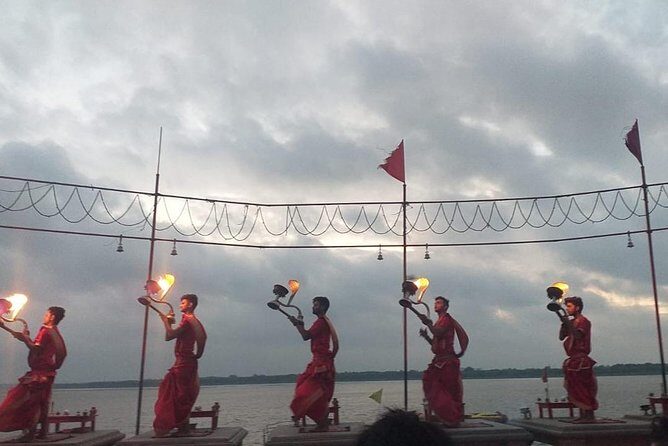
- Early boat views at Assi Ghat: Start with river activity and ceremony scenes while the light is still working for you
- Three iconic ghat backdrops: Assi Ghat, Dashashwamedh Ghat, and Manikarnika Ghat in a tight window
- Photo guidance that saves time: You get pointed toward the best angles instead of guessing where to stand
- Vinay Singh’s local connections: He’s built a reputation for knowing where scenes and moments are happening
- Tailored options: You can shape the emphasis toward markets, food, and more culture-focused subjects
- Simple group setup: Private for your group, with pickup offered and a mobile ticket
Why Varanasi ghat photos need a local guide
Varanasi is not the kind of place where you can just show up and hope for magic. The river steps are packed, people move unpredictably, and the most meaningful moments often happen in the space of a breath. A local guide helps you find the flow of activity and position yourself so you can shoot, not just stare.
I also like that this tour is geared toward documentary-style seeing. You’re not being marched through a museum. Instead, you’re guided through lived-in ritual spaces where photographing thoughtfully matters, and where your best images usually come from being ready when the scene shifts.
And yes, you’ll likely end the tour with more than one good photo. The reviews focus heavily on the guide’s ability to get people to the right photo opportunities, and that practical skill matters here more than gear tricks.
You can also read our reviews of more photography tours in Varanasi
Meeting at Assi Ghat and getting your shot plan in place
You meet at Assi Ghat, on Nagwa Rd near Shivala in Varanasi (Assi Ghat, Shivala, Varanasi, Uttar Pradesh 221005). The tour ends back at the same meeting point, so you’re not worrying about transport or how to get across the city after you’re done shooting.
Because it’s scheduled as a 3 to 4 hour experience, timing is the deal. You’ll want to arrive with a clear idea of what you shoot: people, river motion, religious moments, or detail shots like hands, offerings, and clothing. A short tour rewards focus. When you’re prepared, the guide’s job becomes easier: turning brief moments into images you’ll actually keep.
You should also plan on movement. Even when the boat provides a different angle, you’ll still be walking river lanes and switching between viewpoints at the ghats. If you’re sensitive to stairs or crowding, that’s worth thinking about before you commit.
Assi Ghat: early-morning boatride and narrow-lane compositions
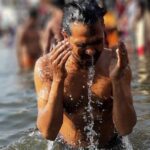
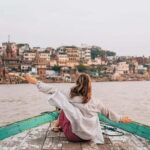
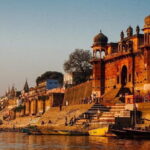
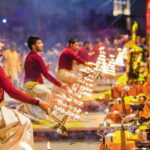
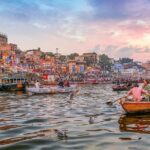
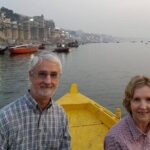
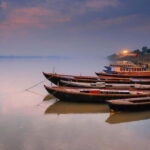
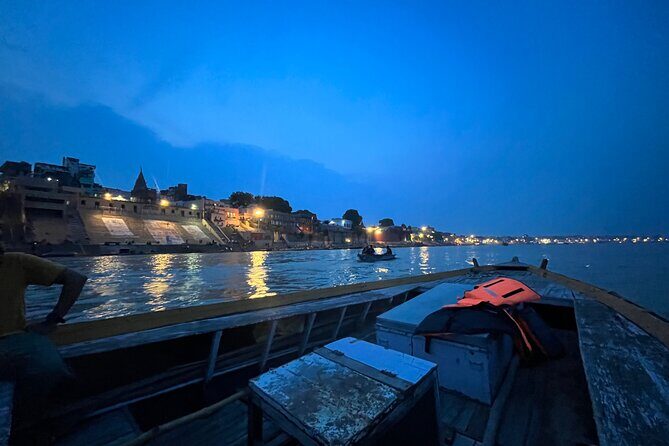
Assi Ghat is where the tour starts, and the early timing is the whole point. You’ll begin with an early morning ceremony boatride where you can see local Varanasi life on the river—people bathing, praying, and practicing yoga. The atmosphere here tends to feel layered: motion on the water, stillness in prayer, and color in everyday clothing.
From a photographer’s perspective, the boat position is useful because it naturally frames movement. You’re not standing in the densest crowd, and you can capture a wider slice of the ghat rhythm. The included ticket applies to this part, so you can focus on shooting rather than figuring out what costs what.
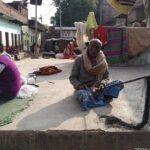
After the boat time, you’ll shift to walking through the narrow lanes nearby. This is where a lot of great photo opportunities show up: faces close to the camera, small interactions, and alley compositions that don’t look like generic postcards. Narrow lanes also mean less “where do I stand?” pressure, because the scene guides you toward angles.
A possible drawback at this stop is that early mornings in Varanasi can be chilly or windy even when the city feels warm later. Dress for the time of day, and don’t assume your comfort will match the midday weather forecast.
Dashashwamedh Ghat: older steps for pilgrims, monks, and motion
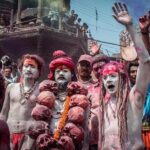
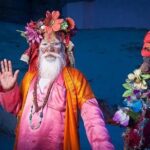
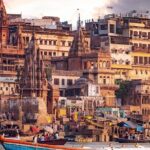
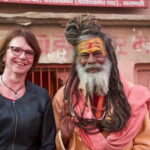
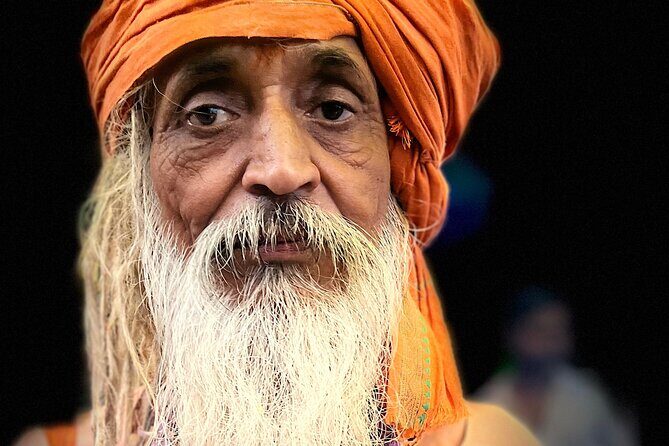
Next you head to Dashashwamedh Ghat, one of the oldest and most important ghats in Varanasi. This stop is built for you to photograph the intensity of real pilgrimage life: locals and visiting pilgrims moving through the steps, with scenes that often include Hindu sadhus and monks.
What I like about this part is that it’s not only about grand wide shots. You can ask for photo moments and work the angles as people gather and activity cycles. The ghat creates natural foregrounds—figures, ritual objects, and layered architecture—so your images can have depth even when the background is crowded.
You’ll also have an easier ticket situation here: the admission is free for this stop. That means your mental bandwidth stays on the scene, not on logistics. With only about an hour at Dashashwamedh Ghat, you’ll want to move with purpose: pick a few “anchor” positions, shoot steadily, then relocate as the light and crowd flow shift.
One consideration: the energy here can feel intense in a different way than Assi Ghat. You may encounter heavier foot traffic and more jostling. Keep your camera skills sharp, but your elbows and patience sharper.
Manikarnika Ghat: cremation flames, storytelling, and boundaries
Manikarnika Ghat is the stop that changes how you see Varanasi. Here you’ll experience the cremation holy fire and learn about the cultural idea of death as part of life in Indian tradition. It’s a place where the spiritual meaning is not “explained” so much as shown through ritual.
For photography, this stop requires a careful mindset. Scenes connected to cremation are sacred and emotionally heavy, so you’ll want to stay respectful with your distance and timing. The goal should be documentation with care: photographing the ceremony as part of Varanasi’s spiritual story rather than treating it like spectacle.
You’ll have a brief window near nearby better photo subjects, and the tour notes admission free for this stop. That short time is likely intentional because the ceremony space can be busy and sensitive. Be ready for the fact that your best shot might happen fast, and then the moment moves on.
A practical reality: this area can involve smoke, intense sensory details, and close physical proximity. If you’re uncomfortable with that, or if you’re expecting a gentle sightseeing vibe, set your expectations before you come.
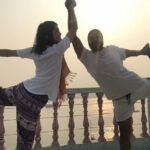
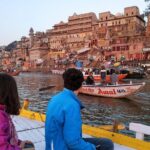
Vinay Singh’s guide style that keeps you from missing moments
If you’re choosing a photography tour in Varanasi, the guide can make or break the experience. Vinay Singh comes up again and again in the feedback for being friendly, knowledgeable, and directly helpful with both photo opportunities and everyday logistics.
One of the strongest praised aspects is how Vinay helps you find scenes that you’d likely miss without local direction. Varanasi is full of possible angles, but not all are photogenic in the moment you’re there. A guide who understands where people gather, when activity peaks, and how to access meaningful viewpoints saves you time and frustration.
Another big plus in the reviews is food guidance. Vinay can lead you to restaurants or street food that’s safe to eat for travelers. Even if you’re focused on photography, getting fed well matters, because you’ll shoot better when you’re not hungry or stuck. This is also part of the cultural experience: you’re not just taking photos of life, you’re participating in how visitors actually sustain themselves here.
The tour can also be tailored. If you want a stronger documentary angle, you can ask to include other culture-focused subjects, such as Aghori sadhus, traditional wrestling, or additional time tied to cremation ceremonies. That flexibility makes this more than a fixed checklist.
Price and what $127 gets you in real value
At $127, this is a short, focused Varanasi photography experience. The price is easy to justify if you value time and local guidance more than you value having a long schedule.
You’re getting several things folded together: a guided route across key ghats, an early morning boat component at the start (with an included ticket for that part), and admission-free stops for the other two ghat sections. Add in pickup offered and a mobile ticket, and you’re reducing common annoyances that eat up time in a place as busy as Varanasi.
Where the value really lands is in the guiding. When a guide consistently helps people find the best photo opportunities, you’re not paying just for access—you’re paying for decision-making. In a short tour window, that matters.
If you’re the kind of photographer who already knows Varanasi well, you might find parts duplicative. But most first-timers and many return visitors still benefit, because the riverfront changes constantly and your personal vantage points are hard to figure out alone.
What to bring and how to stay comfortable on the river and lanes
This tour is built around moving between water and steps, plus walking narrow lanes. That means you should think beyond your camera bag.
Wear clothing you can adjust for early morning. Bring comfortable shoes with grip, because the ghat environment can be uneven. Keep your camera strap secure and your hands free when you’re stepping close to crowds.
If you plan to photograph ceremonies, you’ll also want a calm, respectful approach. Don’t rush people, don’t block paths, and be ready to pause when the scene becomes too crowded. Good documentary photos often come from timing and restraint, not from pushing forward.
Water and light matter too. Boat time and river walking put you near reflective surfaces, so your camera settings may shift quickly. If you use a phone camera or compact camera, keep an eye on glare off the river.
Who should book this Varanasi photography tour
This works best if you want a focused photo outing rather than a long day of wandering. It’s also a good fit if you’re new to Varanasi and want to understand how the city’s sacred life unfolds at the ghats.
You’ll likely enjoy it if you shoot people, rituals, and street-level moments and you appreciate a guide who can point you to what’s actually happening right now. It’s also a strong choice for documentary crews or culturally minded travelers who want access to authentic scenes in a respectful way.
A few practical notes from the tour info: service animals are allowed, it’s near public transportation, and most travelers can participate. It’s private, so it’s only your group, which helps you move at your pace.
If you hate crowds, smoke, and emotionally intense subject matter, you may find the Manikarnika stop too much. In that case, ask about tailoring before booking so your priorities match the route.
Should you book Banaras Photography Tours?
Book it if you want high-impact Varanasi photography in just a few hours and you value local guidance that actually gets you to the right moments. Vinay Singh’s reputation centers on friendliness, local know-how, and steering you toward strong photo opportunities, plus food recommendations that keep you comfortable and fueled.
Skip it or tailor carefully if you’re seeking a gentle, purely sightseeing-style experience. Cremation-related scenes at Manikarnika are powerful and not light viewing, and the tour expects you to handle sacred spaces with care. Also consider whether you want a longer shoot time; this is a compact route, so you’ll get intensity, not hours of wandering.
If you’re okay with that trade-off, this tour is a smart value: $127 buys you both access to major ghats and a guide who helps you shoot with purpose.
FAQ
How long is the Banaras Photography Tours experience in Varanasi?
It lasts about 3 to 4 hours.
How much does the tour cost?
The price is $127.
Where do I meet for the tour?
You meet at Assi Ghat, Nagwa Rd, Assi Ghat, Shivala, Varanasi, Uttar Pradesh 221005.
Does the tour include pickup?
Pickup is offered.
Is the tour private?
Yes. It’s private, so only your group participates.
What are the main places you visit during the tour?
The tour includes Assi Ghat, Dashashwamedh Ghat, and Manikarnika Ghat.
Is there a boatride during the tour?
Yes. The tour includes an early morning ceremony boatride at Assi Ghat, and a sunrise-style boat focus can be tailored if you want.
Are admission tickets included?
Admission is included for the Assi Ghat portion, and it’s free for Dashashwamedh Ghat and Manikarnika Ghat.
Who is the guide for Banaras Photography Tours?
The experience provider is Vinay Singh.
What is the cancellation policy?
Free cancellation is available up to 24 hours in advance for a full refund.
Is the tour accessible to everyone?
Service animals are allowed, it’s near public transportation, and most travelers can participate.
![Traditional Indian Cooking Class in Goa, Anjuna [vegetarian] - Your 3:30 PM Start: How the Class Actually Plays Out](https://9.theindiatraveller.com/wp-content/uploads/traditional-indian-cooking-class-in-goa-anjuna-vegetarian.jpg)