REVIEW · NEW DELHI
Delhi to Ranthambore Daily Tiger Safari Tour
Book on Viator →Operated by Travel With Us · Bookable on Viator
Tiger chances go up fast here.
This Delhi to Ranthambore trip is built around 3 wildlife safaris in the park, so you’re not crossing your fingers with just one game drive. I also like how the tour bundles the logistics—round-trip transfers from Delhi plus hotel time and meals—so you can focus on watching for Bengal tigers, leopards, nilgai, and wild boar instead of wrangling schedules. The main consideration: tiger spotting is never guaranteed, and the safari vehicles may be shared (a canter can replace a jeep if needed).
On the ground, the pacing is straightforward: drive into Rajasthan on Day 1, do serious park time on Day 2, then an early push on Day 3 before heading back to Delhi for your next step. You still get the comfort of a private tour setup for your group, and you’ll have an English-speaking safari guide. Just know that monument entry fees (like the fort) are separate, and hotel quality can vary by property and season.
In This Review
- Key moments worth knowing before you go
- The big idea: why this tour does 3 safaris
- Price and logistics: what you’re actually paying for
- Day 1: Drive in from Delhi and get your first sights
- Day 1 in the real world: your vehicle and your comfort level
- Day 2: Morning and afternoon safaris inside Ranthambore
- The safari vehicle reality: jeep vs canter
- Day 2 hotel and meal setup: you’ll be glad it’s included
- Day 3: Early drive, then back to Delhi
- Guides and helpful drivers: the difference between good and great
- Season and expectations: set your hopes the right way
- Who this tour fits best
- Should you book this Delhi to Ranthambore tiger safari tour?
- FAQ
- How long is the Delhi to Ranthambore tour and how many safaris do I get?
- What’s included in the price?
- Are monument entry fees included?
- What vehicle will I ride in during safaris?
- Is the safari guide English-speaking?
- What’s the refund policy if I cancel?
Key moments worth knowing before you go

- 3 safaris in 2 days: a practical way to improve your odds compared with one single drive
- Delhi-to-Ranthambore transfers included: fewer logistics headaches for a short trip
- Shared safari vehicles: expect a shared jeep, or a larger canter if a jeep isn’t available
- On-site guides are English-speaking: easier for spotting calls and wildlife explanations
- Hotel meals are mostly covered: 2 breakfasts, 2 lunches, and 2 dinners (when you choose the hotel option)
- Ranthambore Fort is optional-style sightseeing: you’ll get a historic stop, but entry fees aren’t included
The big idea: why this tour does 3 safaris
Ranthambore National Park is famous for Bengal tigers, but the reality is simple: wildlife is wildlife. You can do everything right—timing, seat location, staying quiet, following the guide’s cues—and still walk away with only tracks and goosebumps. That’s why I like the structure here: you get multiple safaris across the trip (morning and afternoon on Day 2, plus an early drive on Day 3). More hours in the park usually means more chances to notice the patterns tigers use—water sources, prey movement, and the areas guides know tend to hold activity.
Another smart piece is that the tour keeps you fed and rested enough to enjoy those long drive days. With unlimited water bottles included and meals built into the hotel plan, you’re less likely to feel wrecked midway through the wildlife schedule. And if you’re coming from Delhi, the included transfers mean you aren’t spending your whole trip on the road—your day is more “safari” than “transportation.”
A few more New Delhi tours and experiences worth a look


Price and logistics: what you’re actually paying for
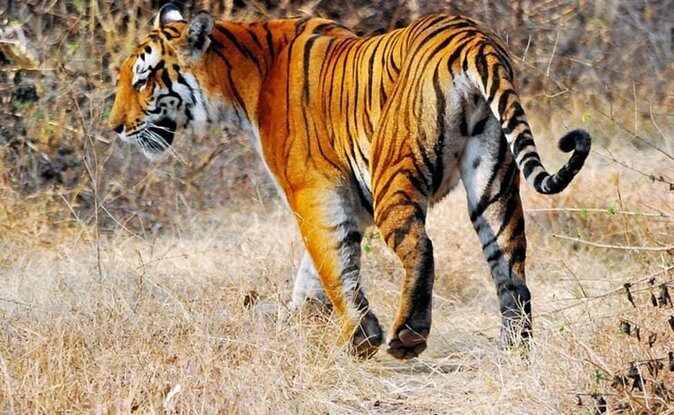
At $271.20 per person for a 3-day / 2-night package, the value mainly comes from the bundle: transport from Delhi, hotel nights, and 3 safari rides as part of the itinerary. It’s not just a ticket to the park—it’s the full rhythm of getting there, doing safaris, and returning without you having to piece it all together.
Here are the costs to watch:
- Monument entry fees aren’t included (for example, Ranthambore Fort admission is separate).
- Tips and personal expenses are not included.
- The package is non-refundable and can’t be changed once booked. If your dates are flexible, double-check your certainty before paying.
One more useful reality check: this is described as a private tour for your group, but the safaris themselves are sharing basis. That usually means you’re not stuck with other tour groups for every part of the trip, but your jeep/canter may still be shared on the wildlife side. It’s common in Ranthambore, and it doesn’t have to hurt your experience—just don’t expect total solitude in the vehicle.
Day 1: Drive in from Delhi and get your first sights

Day 1 starts with pickup from Delhi-area locations like Delhi Airport, Gurugram, Aerocity, Noida, Ghaziabad, or Faridabad. The drive to Ranthambore is roughly 6 hours, give or take traffic and timing. This matters because you’ll want to arrive with enough energy for check-in and an evening that feels like travel, not punishment.
Once you reach the area, the itinerary includes a visit to Ranthambore Fort, usually about 1 hour. The fort stop is a good “orientation” moment. It helps you connect the wildlife experience to the place’s human history—views over the area, strong architecture, and that sense of Rajasthan’s scale. The one downside: entry fees for the monument aren’t included, so plan for that if you want to go inside.
Then it’s back to a leisurely evening at your hotel. The idea is simple: don’t cram too much on Day 1. You’re building toward safaris, and Day 2 is where the park time gets serious.
Day 1 in the real world: your vehicle and your comfort level
Your ground transport depends on group size:
- 1–2 people typically get a 3-seater sedan (Toyota Etios or similar)
- 3–5 people get a 6-seater SUV (Toyota Innova or similar)
- 6–10 people travel in a 10-seater van (Tempo Traveler)
Why this matters: Ranthambore drives are long enough that seat comfort and vehicle choice can affect how you feel the next morning. A sedan works fine for couples or solo travelers; an Innova-style SUV is usually the sweet spot for comfort with fewer “tight space” moments.
Also, you’ll have unlimited water bottles during the tour, which sounds small but helps on long hot or dry stretches.
Day 2: Morning and afternoon safaris inside Ranthambore
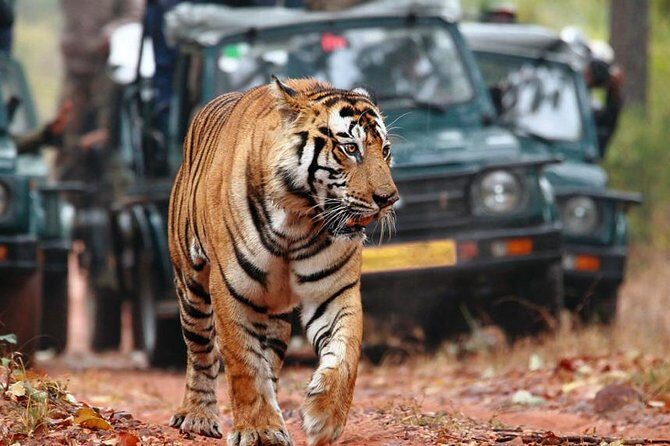
Day 2 is the main event. You’ll do two safari sessions—morning and afternoon—with about 5 hours of total park time built around the drives. Ranthambore National Park is known for Bengal tigers, but you’re also in a habitat with other big sightings: leopards, nilgai, and wild boar are all specifically mentioned.
How to think about these drives: early mornings tend to feel quieter and cooler, while afternoons can deliver different animal behavior. The guide’s job is to read signs and steer you toward the most promising zones in that window. Since the safari guide is English-speaking, it’s easier to follow what you’re seeing—track patterns, calls, and where the action might move next.
A key point from the experience notes (and it matches what wildlife travel always teaches): spotting a tiger is subject to luck. That’s not a cop-out—it’s the truth. You can go to Ranthambore expecting tiger photos and still get other great wildlife moments. Focus on enjoying the full day: birds, mammals, the ecosystem, and the “almost there” moments when guides call out movement.






The safari vehicle reality: jeep vs canter
For the safaris, the tour aims for shared jeep rides. If a jeep isn’t available, they’ll arrange a shared canter, which is larger.
What that means for you:
- A jeep can feel more nimble and gives a “closer” feeling in the vehicle.
- A canter can be easier for distributing people, but it can also mean you feel a bit less “tight” around the viewing.
Either way, the goal stays the same: find wildlife and position well within the zone.
Also, remember that even on a shared vehicle, the guide’s spotting skills and the timing are what make the difference.
Day 2 hotel and meal setup: you’ll be glad it’s included
Two breakfasts, two lunches, and two dinners at the Ranthambore hotel are included when you choose the hotel option. For many wildlife travelers, this is a hidden value. You’re not hunting for food between long park windows, and you’re not dealing with the stress of where you’ll eat after a morning drive that starts early.
One caution: hotel ratings are not all equal. In one highlighted case, Ranthambore Heritage Haveli was described as 3-star out of five, with good staff service. Translation: expect a decent base, not a luxury resort. The hotel’s job here is to give you a clean place to rest so you can wake up and enjoy the next safari.
Day 3: Early drive, then back to Delhi
Day 3 starts with an early morning safari in Ranthambore National Park, about 2 hours. Early drives can be the most rewarding, because animals are often more active and the light helps spotting. This is also the drive where it’s easy to feel excited and a bit tired at the same time—so keep your patience. If your first two safaris were exciting, this one can top it off. If your previous drives were lighter, this is where you hope the timing turns.
After the safari, you’ll have breakfast at the resort, then start the roughly 6-hour transfer back to Delhi areas including Delhi, Gurugram, Aerocity, Noida, Ghaziabad, or Faridabad.
This return day is why the trip is only 3 days. You get the wildlife time without losing a full day to transit on either side.
Guides and helpful drivers: the difference between good and great
The biggest on-the-ground quality signal in the feedback is the driver and overall support. One guest singled out the Delhi driver Siyam as especially patient and accommodating—adjusting the day to fit requests such as leaving later and still making time for the fort. That kind of flexibility matters when you’re mixing traffic, hotel check-in, and fixed safari windows.
Another name that came up was Naval, who was described as helpful with coordinating safari zone visits. In Ranthambore, being organized about zones and timing is the difference between feeling like the trip runs smoothly versus feeling like you’re guessing your way through.
Your safari guide is English-speaking, which helps you understand what you’re seeing and what the guide is trying to achieve in that specific zone and time slot.
Season and expectations: set your hopes the right way
Ranthambore is a tiger destination, but the park experience is not a guaranteed tiger-finding mission. One guest specifically felt that the first week of September wasn’t ideal if tiger sightings were the top priority. Another guest also noted the safari was fun but recommended bringing a raincoat if you’re traveling during monsoon time because it can get wet.
So here’s the practical takeaway:
- If tigers are your only goal, ask the operator what their recommendations are for your dates.
- Pack for weather. Even if you don’t know what it will be like, you’ll be happy to have a light rain layer.
And remember: your enjoyment shouldn’t be only about the final photo. Watching animals move, learning the park cues, and seeing leopards or other wildlife can still be the “I’m glad I went” memory.
Who this tour fits best
This is a strong fit if you want:
- A short, structured trip from Delhi with minimal planning on your end
- Three safari chances instead of one
- Comfortable logistics: pickup/drop-off, hotel nights, and meals mostly taken care of
- A private-group feel for the road portion, with safari rides arranged as needed
It’s not ideal if you:
- Need fully private safari vehicles only (the rides are sharing basis)
- Can’t handle a bit of “luck” in wildlife spotting
- Expect a high-end hotel experience every night (the property quality can be solid but not luxury in some cases)
Should you book this Delhi to Ranthambore tiger safari tour?
I’d book it if you want maximum safari time within a tight window and you value having the transport and meals handled. The biggest strength is the design: three park sessions plus two nights on the ground, which is exactly what you want for a tiger reserve that rewards repeated time and good timing.
Skip it or ask lots of questions first if you’re very sensitive to uncertainty. Wildlife travel is always luck-based, and safari vehicles may be shared with others.
If you do book, plan smart:
- Bring a light raincoat if traveling in wetter months
- Set realistic expectations about tiger sightings while staying open to the full wildlife show
- If fort history matters to you, budget for monument entry fees since those aren’t included
FAQ
How long is the Delhi to Ranthambore tour and how many safaris do I get?
It’s a 3-day, 2-night tour and includes 3 safari rides according to the itinerary. You’ll have safari time on Day 2 (morning and afternoon) and an early safari on Day 3.
What’s included in the price?
The tour includes hotel or airport pick-up and drop-off, toll tax/parking/driver allowance, unlimited water bottles, 3 safari rides, and 2 nights’ accommodation. It also includes 2 breakfasts, 2 lunches, and 2 dinners at the Ranthambore hotel when you choose the hotel option.
Are monument entry fees included?
No. Monument entry fees aren’t included, and the fort stop (Ranthambore Fort) notes that admission isn’t included.
What vehicle will I ride in during safaris?
The tour tries to provide a shared jeep for safaris. If a jeep isn’t available, a shared canter (larger vehicle) may be arranged.
Is the safari guide English-speaking?
Yes. The safari guide at Ranthambore National Park is English-speaking.
What’s the refund policy if I cancel?
The experience is non-refundable and cannot be changed for any reason, so the amount you paid won’t be refunded if you cancel or request an amendment.