REVIEW · JAIPUR
Interactive Cooking Class with a Local Family in Jaipur
Book on Viator →Operated by The Ultimate Urban Adventures · Bookable on Viator
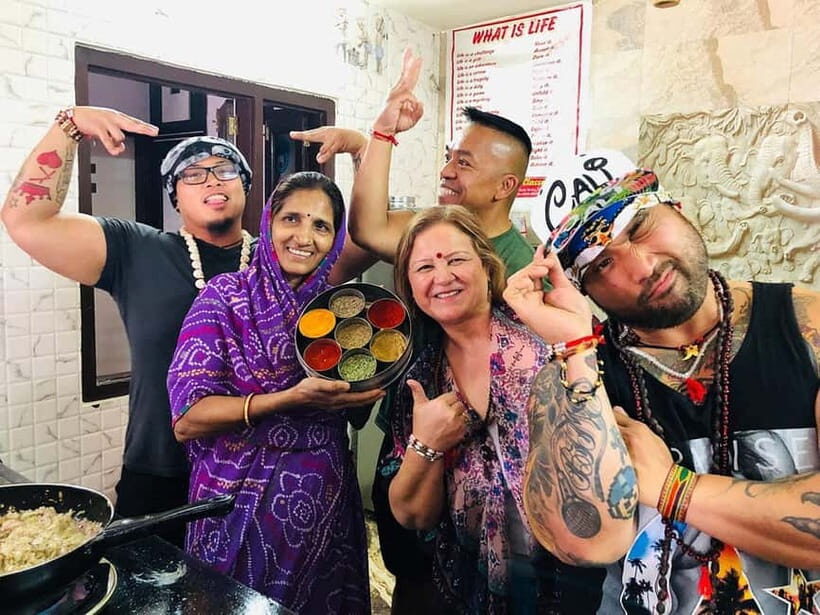
Cooking in a real Jaipur home is the point here, not a staged show. You get a welcome drink, a kitchen briefing, and hands-on help from a local family—so you’re actually making chapati/paratha and North Indian curries, not just watching someone else work. I like that the class includes a dessert already prepared, so the meal feels complete. One thing to consider: there’s no hotel pickup, and the meeting point is in a residential area, so you’ll want to plan your route carefully.
The class runs about 2 hours 30 minutes, with a maximum of 5 people, which keeps the attention personal. From what you’ll be taught (garlic bhindi, aloo gobhi, dal, pumpkin curry, carrot curry, paneer masala, tinda curry, eggplant masala, baigan bharta, gutaa curry) you’ll get a practical North India snapshot—plus you can choose vegetarian or non-vegetarian options. You’ll also receive the recipes by email after the class, which is a big deal if you want to cook the same flavors later at home.
In This Review
- Key highlights worth planning for
- Jaipur Home Cooking With a Local Family: What It Really Feels Like
- Your First Stop: Welcome Drink and Kitchen Briefing
- The Main Lesson: North India Cooking Skills You Can Actually Repeat
- Chapati and Paratha Bread Work
- Seasonal Vegetable Curries (and how Indian cooking stays practical)
- Vegetarian and Non-Vegetarian Options
- The Family Meal: Welcome Drink, Brunch, Lunch, and Dinner
- What the Recipes Email Means for Your Future Self
- Private Class and Timing Options: When to Choose This Format
- Meeting Point and Getting There Without Stress
- Price and Value in Jaipur Cooking Terms
- Who This Cooking Class Is Best For
- Should You Book? My Practical Take
- FAQ
- FAQ
- How long is the cooking class?
- Where do I meet the host family?
- Is hotel pickup included?
- Is the class vegetarian-friendly?
- Is this a large group activity?
- What do I get to eat?
- Will I receive the recipes after the class?
- What’s the cancellation policy, and what if weather is bad?
Key highlights worth planning for
- Small group size (max 5): more hands-on attention and less waiting around.
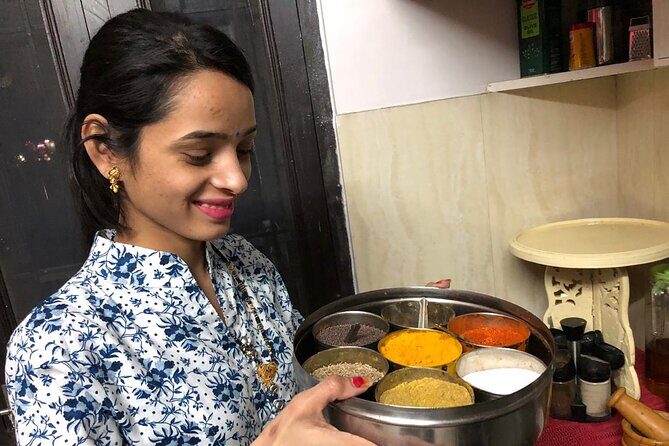
- Local family instruction in their own kitchen: you learn the home-cooking approach, not “restaurant technique.”
- North India focus: chapati/paratha plus seasonal curries like aloo gobhi, dal, and baigan bharta.
- Food comes with the lessons: lunch, brunch, and dinner are included, so you’re not hungry while you learn.
- Recipes emailed afterward: helps you repeat what you made instead of relying on memory.
- Private class option: ideal for couples or friends who want a quieter setting.
Jaipur Home Cooking With a Local Family: What It Really Feels Like
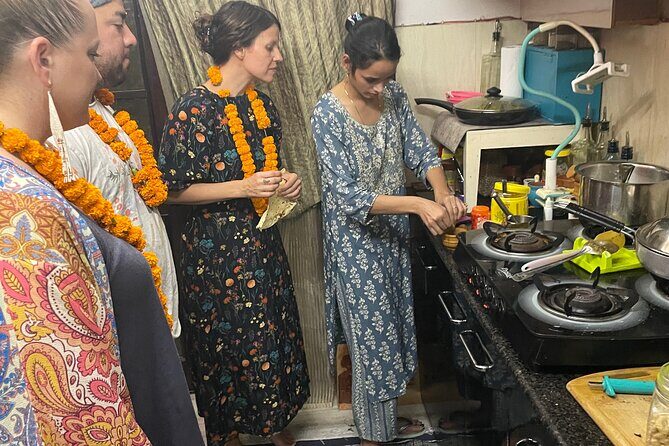
This is the kind of experience that makes Jaipur feel smaller—in a good way. Instead of thinking of Indian food as something you order, you’ll see how it’s built at home: spices used with intention, breads made to match the day’s cooking rhythm, and curries that flex based on what’s seasonal.
The vibe is also part of the value. You’re welcomed into the family home with a drink, introduced to the kitchen, and then guided through what you’ll cook. Reviews highlight how clean and organized the space was when people arrived, which matters more than you’d think. A cooking class is hard to enjoy if you’re dodging clutter or standing in chaos. Here, the setup sounds calm, and that turns the focus back to learning.
What you’re learning has a strong “use this at home” angle. North India dishes like chapati and paratha aren’t just food—they’re skills. Once you understand the dough, the heat, and the timing, you can apply the same method to other fillings and variations.
You can also read our reviews of more cooking classes in Jaipur

Your First Stop: Welcome Drink and Kitchen Briefing
When you arrive at 166, Gopalpura Bypass Rd (Prem Nagar Vistar, Mangal Vihar area), you’re not walking into a classroom. You’re stepping into someone’s daily life. That starts with a welcome drink and a straightforward orientation.
Here’s what that briefing helps you do:
- Get oriented to the kitchen setup before you start cooking.
- Understand the range of Indian cuisines they’ll talk about, even though the lesson emphasizes North India.
- Set expectations for what’s coming next, which makes the hands-on work less intimidating.
You’ll get a clear explanation of the kitchen basics and how the session will flow. And because the class is in a home, you’ll likely notice small details that never show up in cooking demos—how tasks get divided, how utensils are laid out, and how the cook times different components so everything lands together for eating.
The Main Lesson: North India Cooking Skills You Can Actually Repeat
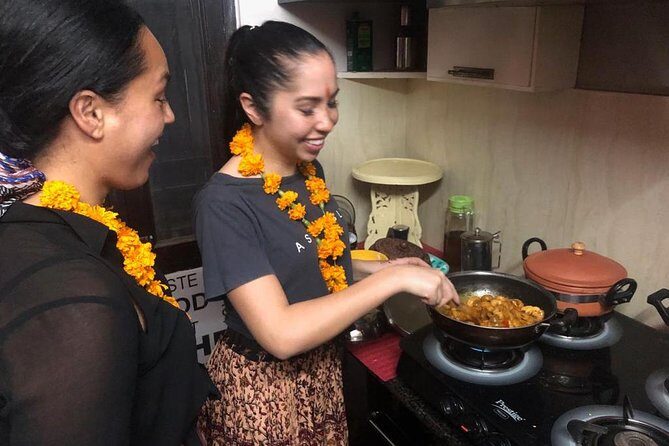
The cooking work centers on North India comfort food. You’ll focus in more detail on dishes that show up again and again in homes across the region—especially breads and curries.
Chapati and Paratha Bread Work
If there’s one reason this class is worth your time, it’s that you don’t just taste Indian bread. You practice making it. Chapati and paratha are approachable when you get guidance, but they can feel tricky if you try them alone. In a class like this, the help is the difference between guesswork and competence.
You’ll learn the basics of making breads that pair with curries—so your meal isn’t just a set of separate dishes. Everything is connected.
Seasonal Vegetable Curries (and how Indian cooking stays practical)
The course covers multiple seasonal curries, including options like:
- Garlic bhindi
- Aloo gobhi
- Dal
- Pumpkin curry
- Carrot curry
- Paneer masala
- Tinda curry
- Eggplant masala (baigan masala style)
- Baigan bharta
- Gutaa curry
Even if you don’t end up making every single listed dish in one session, the lesson is designed around home-cooking patterns: how vegetables are treated, how spices are layered, and how thick or light a curry is adjusted for the dish.
That practical skill is what you’ll benefit from later. At home, you rarely have the exact same vegetables. But once you understand the method—especially how these curries build flavor—you can swap ingredients and still get a similar result.
A few more Jaipur tours and experiences worth a look





Vegetarian and Non-Vegetarian Options
This experience offers both vegetarian and non-vegetarian options. That’s useful because it means you can pick a menu that matches your group’s preferences without turning the class into a compromise.
If your food choices are strict (no eggs, no meat, etc.), it’s worth making your preferences clear when booking, since the data only confirms availability in general—not how specific swaps are handled.
The Family Meal: Welcome Drink, Brunch, Lunch, and Dinner
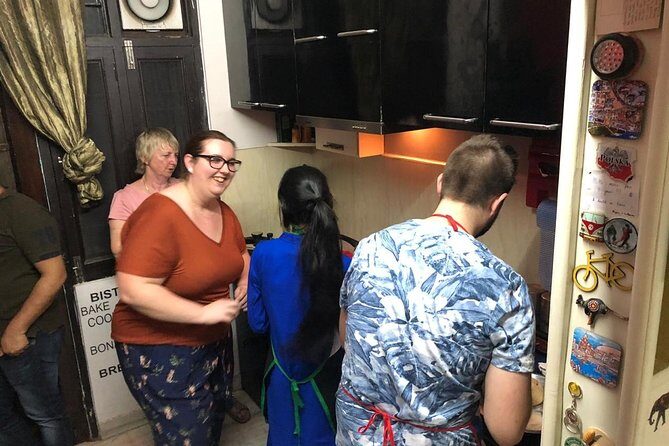
This package is built around eating as part of the lesson. The included items list lunch, brunch, and dinner, plus non-alcoholic beverages and bottled water. So you should plan to arrive hungry and not treat this like a quick snack stop.
A good sign here is that there’s also an Indian dessert prepared beforehand. That tells me the meal is meant to feel rounded, not like you’ll work up an appetite and then leave without the finish.
One practical tip: wear something comfortable. Even a 2.5-hour cooking session can involve standing, moving between stations, and tasting along the way. Comfortable clothes make the experience feel less like work and more like hanging out in a real kitchen—only with very specific recipes.
What the Recipes Email Means for Your Future Self
The highlight that I think matters most after you leave Jaipur is the email of recipes after the cooking classes. Learning in the moment is fun, but the real payoff is being able to recreate the same flavors later.
This is especially helpful for Indian cooking because:
- spice ratios can be hard to remember,
- bread technique needs a reference,
- curry steps can blur after a few trips and meals.
Having the written recipes means you can avoid the classic problem: tasting something amazing and then repeating it at home using only memory and a few guesses.
Private Class and Timing Options: When to Choose This Format
You can book a private class, and there are variety of timings available to fit your schedule. Private makes sense if:
- you’re traveling as a couple or small group,
- you want more direct attention for bread and curry techniques,
- you prefer a quieter pace.
Small group size (max 5) already gives you more access than a large class, but private can make it even easier to ask questions without waiting your turn.
Also, since the experience is typically booked about 8 days in advance on average, you’ll want to lock in your preferred time when you can—especially if you’re visiting during peak weeks.
Meeting Point and Getting There Without Stress
There’s no hotel pickup and drop-off. That’s common, but it changes how you plan the day.
The good news:
- It’s near public transportation.
- The class ends back at the meeting point.
So you’ll want to map your route ahead of time and allow a buffer for local traffic. If you’re using a taxi or ride-hail, you’ll have the full address ready, which makes things smoother.
Price and Value in Jaipur Cooking Terms
At $26.00 per person for about 2 hours 30 minutes, the price lands in a very reasonable zone for what you get.
Here’s what you’re actually paying for:
- Hands-on instruction from a local family.
- A meal structure that includes lunch, brunch, and dinner (not just a taste).
- A welcome drink and bottled water.
- Recipes emailed after the class.
- A small group setting (max 5).
If you’re comparing this to cooking classes that are mostly demonstration or more “tourist-lab,” the value is stronger because the focus is on technique you can repeat. The low-ish price makes it easier to justify as a high-impact Jaipur experience—one that adds skills, not just photos.
Who This Cooking Class Is Best For
This works well for:
- food lovers who want more than a restaurant meal,
- couples or friends who like hands-on activities,
- anyone curious about North Indian staples like chapati, paratha, and vegetable curries,
- people who want to learn in a small setting rather than a large group tour.
If you’re the type who gets bored by long lectures, this should suit you. The class is designed as a practical, hands-on cooking session where you’re working during the whole time.
Should You Book? My Practical Take
Yes—if you want a real Jaipur kitchen experience and you care about learning how dishes are made, not just eating them.
Book it if:
- you’ll enjoy hands-on cooking with guidance,
- you want chapati/paratha and North India curry skills,
- you like the idea of recipes emailed after you go home,
- you’d rather spend your time with a small group than a big, chaotic class.
Skip or rethink it if:
- you want a class with hotel pickup convenience,
- you prefer food experiences that are shorter or less hands-on,
- you’re unsure about your ability to reach a residential meeting point with no pickup.
FAQ
FAQ
How long is the cooking class?
The experience runs for about 2 hours 30 minutes.
Where do I meet the host family?
The meeting point is at 166, Gopalpura Bypass Rd, Prem Nagar Vistar, Mangal Vihar, Ganesh Vihar, Arjun Nagar, Jaipur, Rajasthan 302018, India. The activity ends back at the meeting point.
Is hotel pickup included?
No. Hotel pickup and drop-off are not included.
Is the class vegetarian-friendly?
Yes. Vegetarian and non-vegetarian options are available.
Is this a large group activity?
No. The maximum group size is 5 travelers, so the experience stays small.
What do I get to eat?
The experience includes lunch, brunch, and dinner, along with non-alcoholic beverages and bottled water.
Will I receive the recipes after the class?
Yes. Recipes are sent to your email after the cooking classes.
What’s the cancellation policy, and what if weather is bad?
You can cancel for free up to 24 hours in advance for a full refund. The experience requires good weather, and if it’s canceled due to poor weather, you’ll be offered a different date or a full refund.