REVIEW · SHIMLA
Shimla: Wildlife Sanctuary & Water Catchment Guided Tour
Book on GetYourGuide →Operated by Wonders of Himalaya · Bookable on GetYourGuide
A quiet slice of Shimla waits off-road. This guided tour feels like a fast escape from the city, with forest walking, off-road cycling, and an explanation of how the area still supports Shimla’s water. I especially like the calm, green setting and the way guides such as Raghav and Pawan connect the natural scenery to how the catchment system was built and maintained.
One thing to consider: the terrain can be uneven and it isn’t for everyone—this tour isn’t suitable for people with back problems, and it also runs only Tue to Sun, with the sanctuary closed on Mondays. If you prefer flat, easy strolls, plan for mild hikes and a bit of road riding through forest routes.
In This Review
- Key things worth knowing before you go
- Why Shimla’s water catchment sanctuary feels different
- Your best transport option: bike, E-rickshaw, or guided walk
- Riding the jungle by bicycle
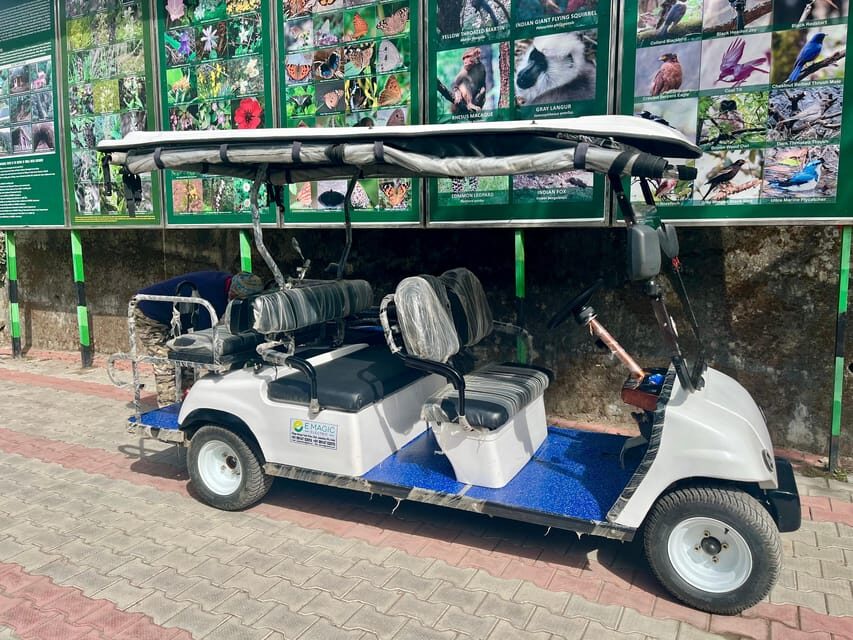
- Doing the wildlife on an E-rickshaw
- Choosing a guided walk
- The 4 to 5 hour loop, stop by stop
- Pickup in central Shimla
- Shimla Water Catchment Wildlife Sanctuary (your first hour)
- Seog Water Tank break (about one hour)
- Shimla Water Catchment Wildlife Sanctuary (your second hour)
- Back to Shimla
- The water system: why this tour is more than a nature stroll
- Wildlife expectations: peace over promises
- When to go and what to pack for real comfort
- Guides make the difference: how Raghav and Pawan raise the bar
- Price and value: $26 for a half-day with permits and guidance
- Who should book this (and who should skip it)
- A quick decision guide: should you book?
- FAQ
- What is the duration of the Shimla Wildlife Sanctuary & Water Catchment guided tour?
- Where does the tour take place?
- What options do I have for getting around?
- What does the tour include?
- What time is the sanctuary open to visitors?
- What should I bring?
- Is this tour suitable for everyone?
- Are there rules about what I can’t do during the tour?
Key things worth knowing before you go
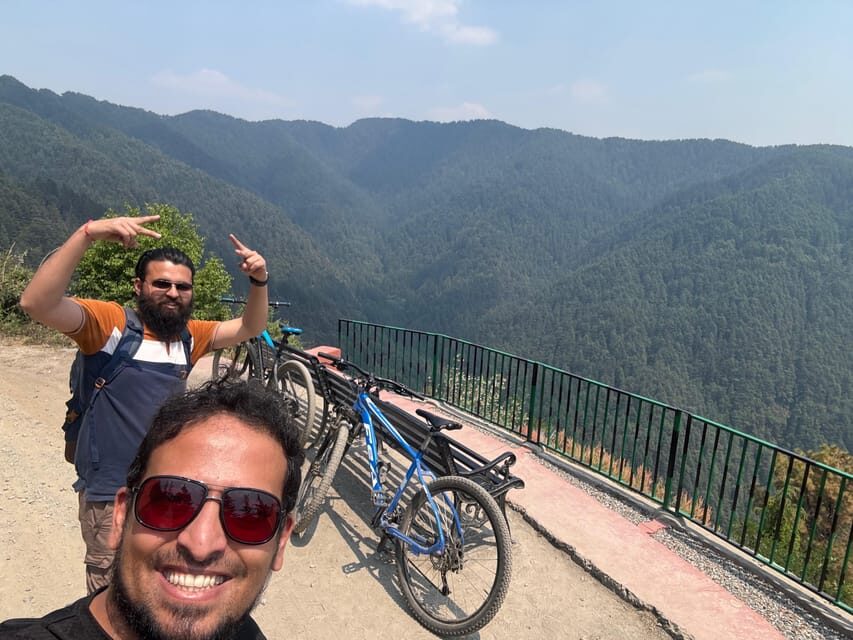
- Private guide and permits: you get a local guide plus the entry permit, so you’re not figuring it out on your own.
- Multiple ways to move: choose bicycle, E-rickshaw, or a guided walk depending on your comfort and energy.
- A working water story: you’ll hear how the water catchment feeds Shimla through filtering and old infrastructure like tanks and pumps.
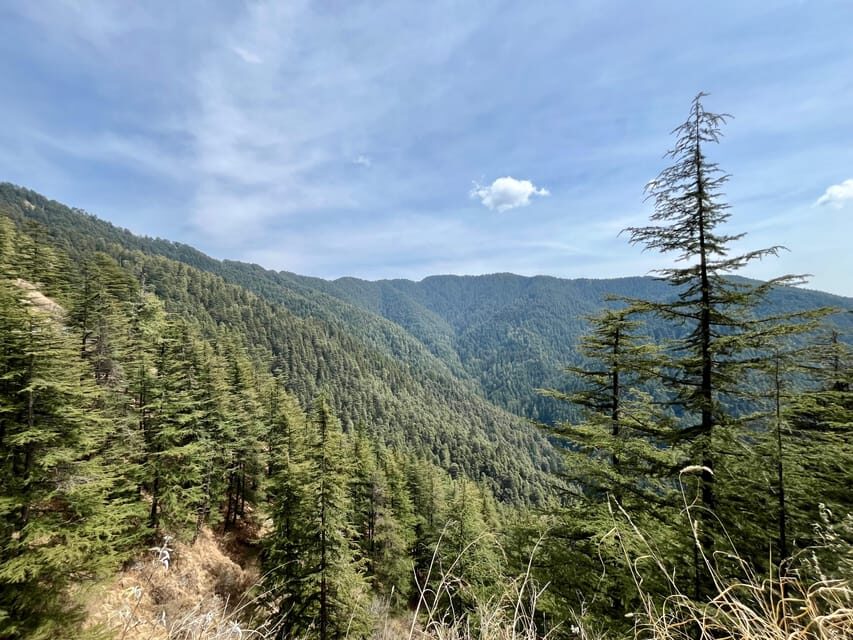
- Streams, altitude, and real forest conditions: at roughly 1900–2620 meters, expect cool air and thick greenery year-round.
- Wildlife viewing is quieter than you might expect: the sanctuary prioritizes animal protection, so sightings aren’t the main promise.
- A short, focused loop: the route is designed to fit into about 4–5 hours without turning into an all-day hike.
Why Shimla’s water catchment sanctuary feels different
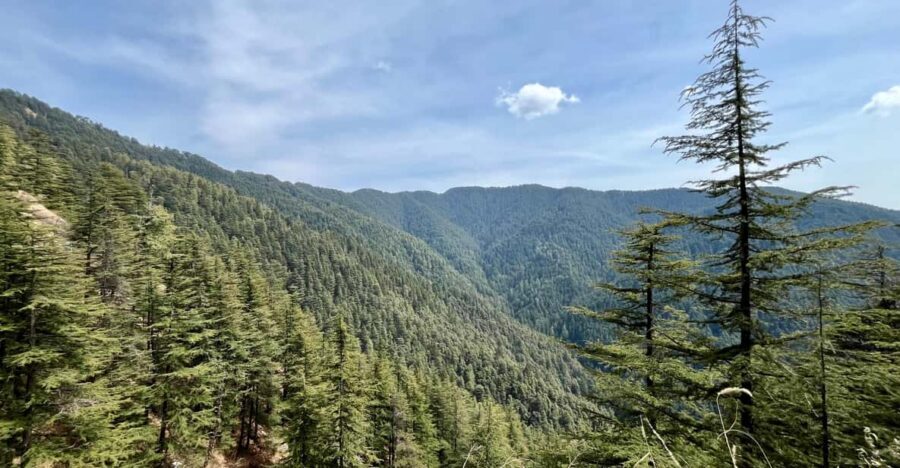
Shimla’s “real life” is usually wrapped in traffic, shops, and crowds. This tour flips the script by taking you into a protected water catchment and wildlife sanctuary, where the city noise thins out fast. The whole area spreads over about 10.25 square kilometers, sits at 1900–2620 meters, and gets around 1600 mm of rain each year—so even when the city feels dry, the forest tends to feel lush.
I like that the experience isn’t built around a checklist of big tourist sights. Instead, you’re walking, riding, and stopping where nature and water infrastructure overlap. And because the sanctuary has no zoning, the forest feels more like a continuous habitat than a divided showpiece.
You also get a strong sense of continuity. This place isn’t just “pretty nature”—it was a major part of Shimla’s water supply back in the British era, and it still matters today. When a guide explains the old system, the forest starts to feel engineered for survival, not just scenery.
You can also read our reviews of more guided tours in Shimla


Your best transport option: bike, E-rickshaw, or guided walk
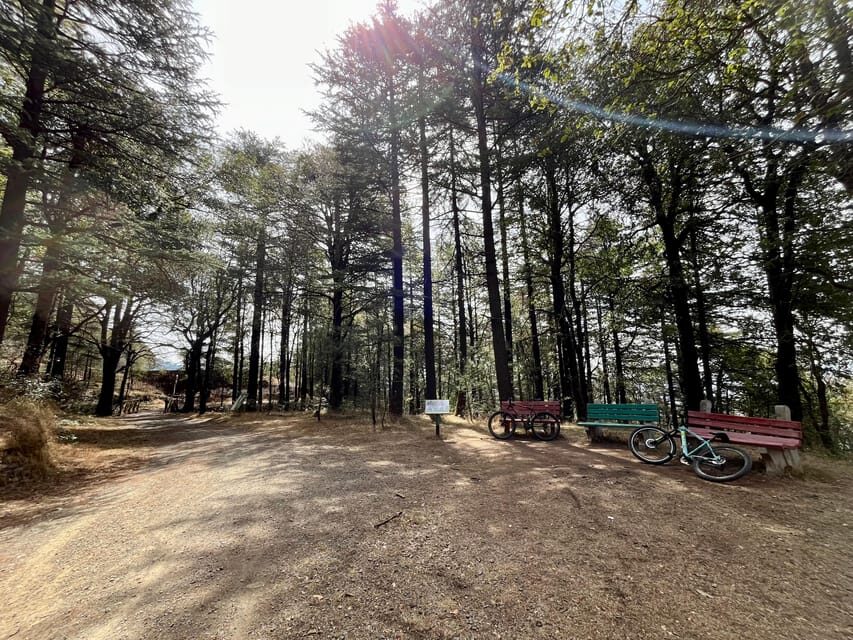
One of the smart parts of this tour is that it gives you choices. You can do it as a bike tour, by E-rickshaw for the wildlife part, or as a guided walk if you want the simplest pace.
Riding the jungle by bicycle
If you’re comfortable cycling, you’ll probably get the most joy out of the off-road feel. The ride goes through forest edges and quieter routes where you’re not stuck in city traffic. One of the strongest themes from the experience is that the cycling feels like a true escape—off-road enough to feel adventurous, and generally not crowded, which helps if you don’t cycle often.
Practical note: even if it isn’t an intense mountain ride, you still need comfortable shoes and a steady pace. The forest environment can mean uneven surfaces and occasional slopes.
Doing the wildlife on an E-rickshaw
If you’d rather save energy, the E-rickshaw option makes the wildlife portion easier. It’s a good fit for people who want the tour experience without pushing the body too hard. You still get the guided context, and you can stay focused on what you’re seeing rather than on the mechanics of travel.
Choosing a guided walk
A guided walk is ideal when you want to slow down and absorb details. The best version of this is when your guide points out how the forest works—the streams, the plants, and the way the water system fits into the habitat. In past tours, guides like Raghav have kept the hike at a manageable level while sharing lots of history and nature facts.






The 4 to 5 hour loop, stop by stop
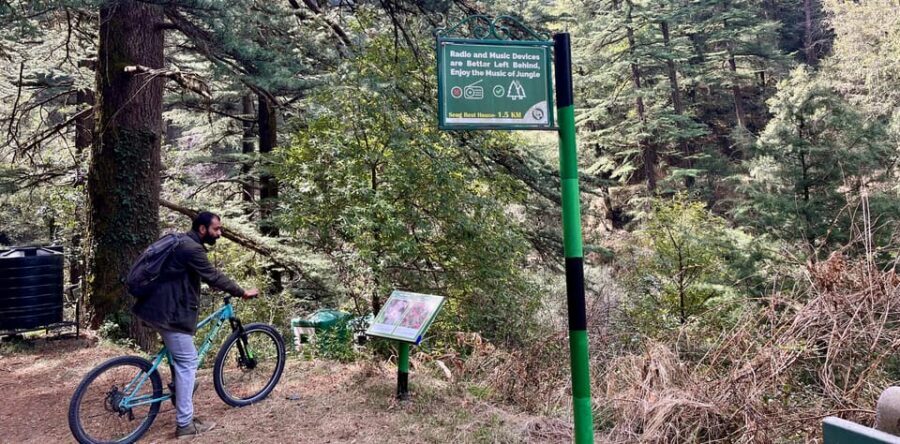
The timing is one reason this tour works. You get enough time to feel like you left Shimla behind, but it doesn’t eat the whole day.
Pickup in central Shimla
The tour starts with pickup from a centrally located hotel area. That matters because you don’t waste your morning negotiating transport. You also get a private setup with your guide, which tends to make the route feel flexible to your group’s pace.
Shimla Water Catchment Wildlife Sanctuary (your first hour)
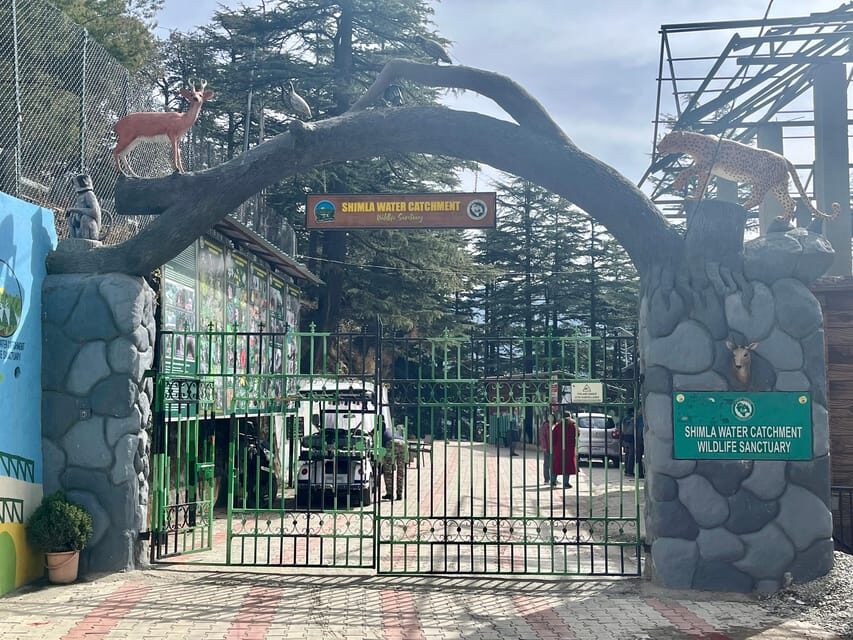
Your first active stretch is inside the Shimla Water Catchment & Wildlife Sanctuary. Expect a mix of walking and cycling routes, plus guided stops that connect what you see—dense greenery, forest paths—to what the place does. Since the sanctuary is preserved for animals and plants, the goal is protection, not chasing wildlife.
This is where the atmosphere is usually the payoff. People describe it as peaceful and calming, which makes sense: once you’re away from the city center, the forest absorbs sound. Even if you’re not a hardcore nature person, the shift in air and shade can reset your energy fast.
Seog Water Tank break (about one hour)
Then you hit the Seog Water Tank for a break. This stop is more than a pause. It ties the scenery back to the main theme of the tour: water catchment.
Tank stories can sound dry until someone explains why it mattered. Here, you learn that a large tank was built more than 100 years ago to store stream water during rains, so supply could continue later. And the old arrangement used steam pumps, which is a genuinely memorable detail when you’re standing near the tank and seeing how water is routed.
Practical tip: this is a good time to refuel. Bring snacks and water, because food isn’t included, and you’ll want energy for the second sanctuary segment.
Shimla Water Catchment Wildlife Sanctuary (your second hour)
After the break, you return for another round inside the sanctuary. This second segment helps because it isn’t just repeating the same route. It gives you more time in the forest under different light and a better chance to notice different plant cover and trail sections.
If you’re cycling, this second stretch tends to feel like the continuation of that off-road “jungle ride” feeling. If you’re walking, it often turns into a slow guided stroll where you pay attention to what the guide highlights rather than where you’re stepping.
Back to Shimla
You wrap up and return to central Shimla. The best part of a half-day tour is that it doesn’t force you into a hotel-only afternoon. You can still plan a casual dinner later without feeling wiped out.
The water system: why this tour is more than a nature stroll
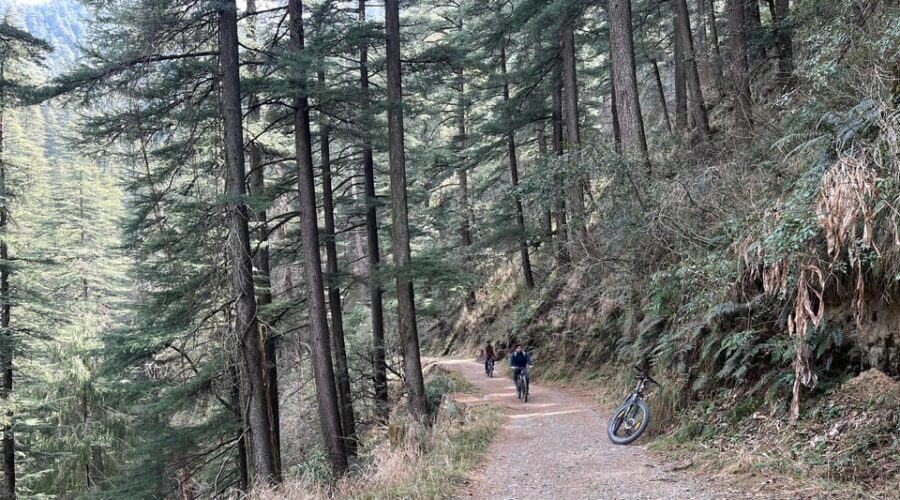
Lots of tours show you trees. This one explains why this forest matters to a city.
The sanctuary has 25 perennial streams flowing through it. The two most important ones are God Ki Nala and Churat Nala. When you hear that, the area stops being a generic forest and becomes a functioning network—streams feeding water collection, water stored in tanks, water filtered and managed for the city.
You’ll also learn that the sanctuary connects to Chail Sanctuary through a forest corridor. Corridors matter for wildlife movement, which is why animal protection is so central here. Even if you don’t see much wildlife in the moment, the setting is designed for animals to live naturally.
One detail that I’d call the “wow, that’s practical” moment: the sanctuary surrounds Charabara Village on three sides. That kind of geography helps explain why people and nature share the same space and why managing water sources is serious business.
Wildlife expectations: peace over promises
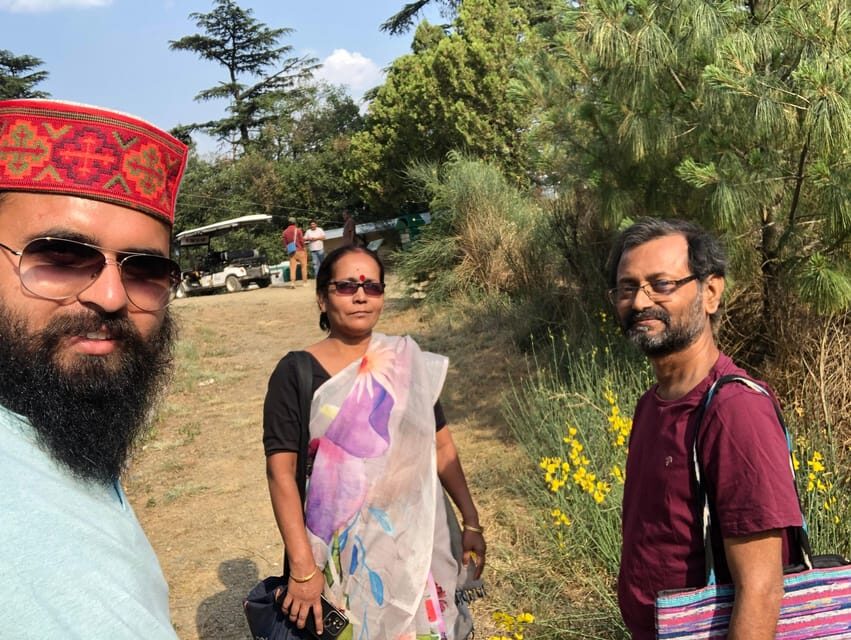
Here’s the honest way to think about wildlife on this tour. The sanctuary’s mission is to protect animals so they can live naturally. That means wildlife sightings are not forced, scheduled, or guaranteed.
And that’s okay. For many people, the best part is the quiet. The forest feels like it’s doing its own thing, and you’re the visitor who needs to respect it.
Also remember: you might not see animals even if the sanctuary is healthy and active. The forest can be dense, and the goal is minimal disturbance. Instead of getting frustrated, focus on what you can control—your patience, your quiet, and your attention to the guide’s explanations about habitat and water.
When to go and what to pack for real comfort
Timing matters in Shimla, and this tour gives you two good seasonal windows.
- October to November (winter months) is ideal.
- April to mid-June (summer) also works well.
The sanctuary is open Tuesday to Sunday, 10:00 to 16:00, and it’s closed on Mondays. If your trip lands on Monday, you’ll need an alternate plan for that day.
Weather in the mountains can shift fast. Bring warm clothing, even if the afternoon feels mild. The tour duration is 4–5 hours, so you’ll be outside long enough for temperature changes to matter.
What to pack from the practical list:
- Comfortable shoes
- Warm clothing
- Camera
- Snacks and food (not included)
- Water
Also follow the rules: no pets, no smoking, no alcohol or drugs, no littering, and no fireworks or noise. This is a sanctuary, so keeping things calm isn’t just polite—it’s part of how wildlife protection works.
Guides make the difference: how Raghav and Pawan raise the bar
A tour like this stands or falls on the guide. You’re not just moving through scenery—you’re learning why the forest and water system exist, and how it works at a human scale.
Guides like Raghav have led walking tours that feel informative without being exhausting. One standout pattern is how they tie history and nature together: Shimla’s regional background, the fauna and flora, and the catchment method. Another is how they keep the hike gentle, so you can enjoy the winding forest route without feeling battered.
Pawan also gets praise for going above and beyond with coordination. In at least one case, he contacted a booking ahead of time to confirm pickup and to ask about mobility needs. That kind of care matters, because it reduces stress before you even start the hike.
If you’re the type who likes your “nature tour” to come with real explanations, this is where you’ll feel the value.
Price and value: $26 for a half-day with permits and guidance
At about $26 per person, this is priced as an accessible half-day activity. What pushes it toward good value isn’t just the bike or the guide. It’s the combination of:
- a private local guide
- pickup and drop from centrally located Shimla
- permit access to enter the sanctuary
- and the choice of bicycle hire, E-rickshaw ticket, or guided walk, plus access to the hiking trails
You’re also buying time well. Four to five hours is long enough to feel satisfied but short enough to fit around sightseeing in central Shimla. If you’re already spending days in the city, this gives you something different without forcing a full-day commitment.
In plain terms: if you want a calm escape into forest and water history without the hassle of organizing routes and entry on your own, this price feels reasonable.
Who should book this (and who should skip it)
This is a strong fit if you:
- want a peaceful, less crowded nature experience
- enjoy walking or cycling at a moderate pace
- like learning how water systems and landscapes support real life
- appreciate wildlife protection more than hunting for sightings
It’s not suitable if you:
- are pregnant
- have back problems
Even when a hike isn’t described as strenuous, the sanctuary environment can still be uneven. If you have mobility concerns, consider the E-rickshaw option if your needs fit the route, and ask your operator what will work best for your condition.
A quick decision guide: should you book?
Book this tour if you want a half-day in the hills that feels quiet, guided, and purposeful. The water catchment history adds meaning, and the cycling or walking helps you experience the forest at human speed.
Skip it if you’re after guaranteed wildlife sightings or you want totally flat ground. This is about protection and habitat, not about forcing close encounters.
If you’re visiting Shimla and you’ve already done the city viewpoint circuit, this is one of the better ways to trade crowds for shade, learn the practical story of the city’s water, and spend a few hours genuinely away from the rush.
FAQ
What is the duration of the Shimla Wildlife Sanctuary & Water Catchment guided tour?
The tour runs for about 4 to 5 hours.
Where does the tour take place?
It takes place in Himachal Pradesh, in and around Shimla at the Shimla Water Catchment & Wildlife Sanctuary.
What options do I have for getting around?
You can do it as a bicycle tour, by E-rickshaw, or as a guided walk.
What does the tour include?
It includes a private local guide, hotel pickup and drop from centrally located Shimla, the right entry access (permit) to enter the sanctuary, bicycle hire or an E-rickshaw ticket or guided walk (based on your option), and access to hiking trails.
What time is the sanctuary open to visitors?
The sanctuary is open Tuesday to Sunday from 10:00 to 16:00, and it is closed on Mondays.
What should I bring?
Bring comfortable shoes, warm clothing, a camera, and also pack food, snacks, and water since these aren’t included.
Is this tour suitable for everyone?
It is not suitable for pregnant women or people with back problems.
Are there rules about what I can’t do during the tour?
Yes. Pets are not allowed, and you should not smoke, drink alcohol or use drugs, litter, use fireworks, or make noise.