REVIEW · NEW DELHI
Golden Triangle Tour 3 Night 4 Day by Car Tiger Safari from Delhi
Book on Viator →Operated by Saniya Tour & Travels · Bookable on Viator
Four days, three cities, one car. This Golden Triangle tour is a smart way to see Delhi, Agra, and Jaipur with a private guide and the classic headline acts, including a sunrise Taj Mahal run. I like the early starts because they help you beat the rush and still have time for the next sights. One thing to plan for: many major monument entries are marked not included, so you’ll want some cash or card ready for tickets.
If you prefer your sightseeing organized but not rushed-within-reason, this route hits the big names and adds the “how did they build that?” stops like Qutub Minar and Jantar Mantar. Breakfast is included, you get a stocked vehicle with unlimited bottled water, and the safari day is handled with a sunrise pickup that matches wildlife-viewing timing.
In This Review
- Key highlights to pay attention to
- Golden Triangle by Car: What 4 Days Really Means
- Day 1 in Delhi: Jama Masjid, India Gate, Humayun’s Tomb, Lotus Temple, Qutub Minar
- Sunrise Taj Mahal and Agra Fort: Making Agra Day 2 Count
- Fatehpur Sikri to Ranthambore: The Wildlife Day That Changes the Tone
- Jaipur City Sights: Panna Meena ka Kund, Amber Fort, Jal Mahal, City Palace, Jantar Mantar, Hawa Mahal
- Price and What’s Actually Included for $200 per Person
- Should You Book This Golden Triangle Car Tour?
- FAQ
- How long is the Golden Triangle tour?
- What cities are included in this tour?
- Do I get pickup in Delhi and nearby areas?
- Is the Taj Mahal ticket included?
- Are meals included?
- What kind of safari is included in Ranthambore?
- Is the Tonga ride in Agra included?
- What kind of accommodations are provided?
- What is the cancellation window?
Key highlights to pay attention to
- Sunrise timing for the Taj Mahal that sets the tone for the whole Agra day
- Ranthambore safari in an open jeep or canter on a shared basis, plus a fort visit afterward
- A guide who helps with real-world details, including photo help noted in past feedback (Imran Khan is one example)
- Classic monuments plus one extra ride: the included Tonga ride in Agra
- Hotel nights with breakfast, not just sightseeing hours
Golden Triangle by Car: What 4 Days Really Means
The best part of a Golden Triangle road trip is that you stop treating each city like a separate vacation. Instead, you get a single flow: Delhi landmarks on Day 1, Agra icons on Day 2, Ranthambore wildlife on Day 3, then Jaipur’s pink-and-gold palace day on Day 4. You’ll be picked up from your Delhi/Noida/Gurugram hotel, airport, or another preferred spot, and you’ll use a private vehicle for the sightseeing transfers.
Timing matters here. Day 1 is a long day in the car and on your feet, and Day 2 starts very early with Taj Mahal pickup around 5:30 AM. If you like early mornings, you’ll feel like you’re in control of the day. If you don’t, build in a simple plan: pack comfortable clothes for sunrise shifts, and don’t schedule anything intense right after breakfast.
Also note the tour style: it’s a private tour/activity for your group, but the Ranthambore safari itself is conducted on a shared basis (in an open jeep or canter). That’s common for safari operations, and it usually means you get more chances to spot animals while keeping the day manageable.
Finally, remember the math of what’s included vs. not included. Breakfast and transport are handled. Many monument admission tickets are not. So your total trip budget depends partly on what you choose to pay at each site.
You can also read our reviews of more evening experiences in New Delhi


Day 1 in Delhi: Jama Masjid, India Gate, Humayun’s Tomb, Lotus Temple, Qutub Minar
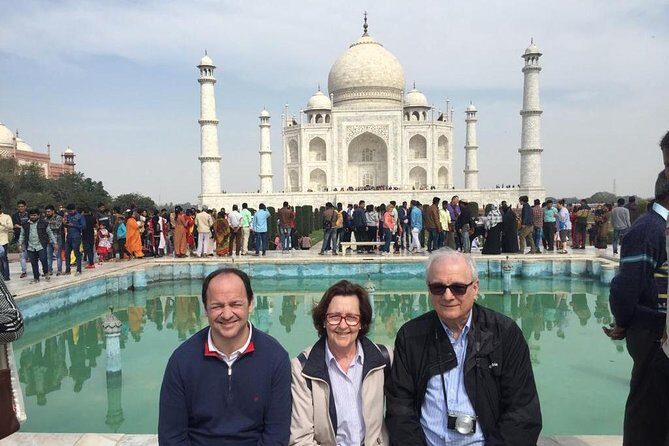
Delhi can feel overwhelming fast, which is exactly why I like this first-day structure. You’re not just driving past famous things; you’re building a picture of the city across eras.
Jama Masjid is a strong start. It’s tied to Mughal emperor Shah Jahan and sits in the heart of Old Delhi’s religious life. This stop is marked as admission not included, but the time on-site (about an hour) gives you room to look around, absorb the scale, and take photos. Practical note: religious sites can have dress expectations and security checks, so go with easy clothing and patience.
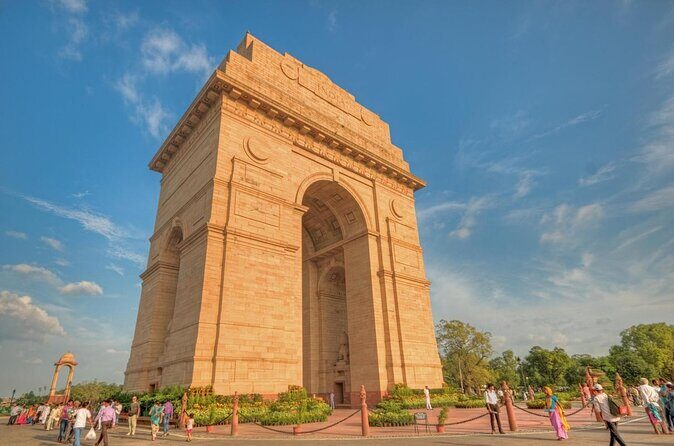
Next comes India Gate, a large war memorial in central New Delhi built in 1921 by Edwin Lutyens. It’s short on time, but it’s a quick way to get oriented. If you’re jet-lagged, it’s also a calmer stop: you can take in the monument without needing hours of ticket lines.
Then you’ll hit Humayun’s Tomb, another Mughal landmark. Like Jama Masjid, it’s marked as admission not included, and the itinerary lists a very short visit. That’s not automatically a bad thing in Delhi—short stops can work if you want to keep momentum—but it does mean you’ll want to arrive ready to look closely right away.
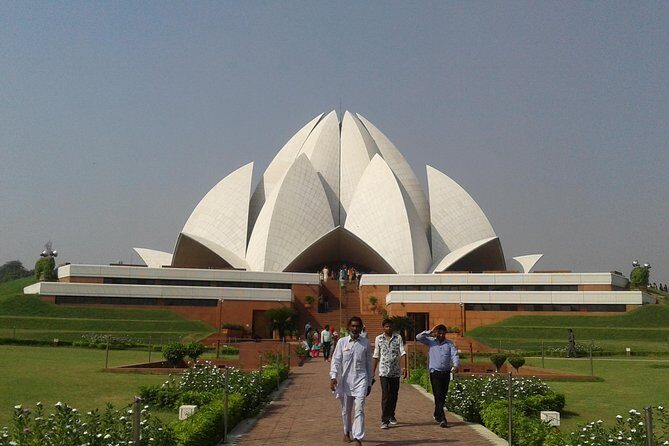
Lotus Temple is a great palette-cleanser between older Mughal sites and the later medieval grandeur. It’s free in the program and typically feels more modern and light, with that distinctive lotus shape and a calm atmosphere.
Finally, Qutub Minar is the big vertical wow. The program schedules about three hours at Qutub Minar, even though admission is marked not included. This is the kind of site where you’ll understand why the tower became a landmark. If you’re sensitive to sun, bring water (you get unlimited bottled water in the vehicle, which helps) and plan for shade whenever possible.
Day 1 is a mix of religion, empire, and memorials. If you want Delhi to make sense quickly, this is a solid lineup.
Sunrise Taj Mahal and Agra Fort: Making Agra Day 2 Count
Agra is where you start collecting unforgettable images. The headline is, of course, the Taj Mahal—but what I like is how the day is paced around it.
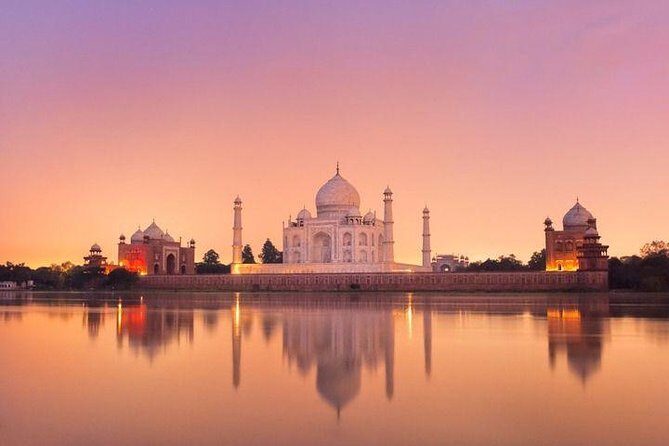
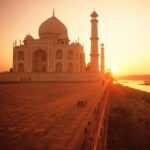
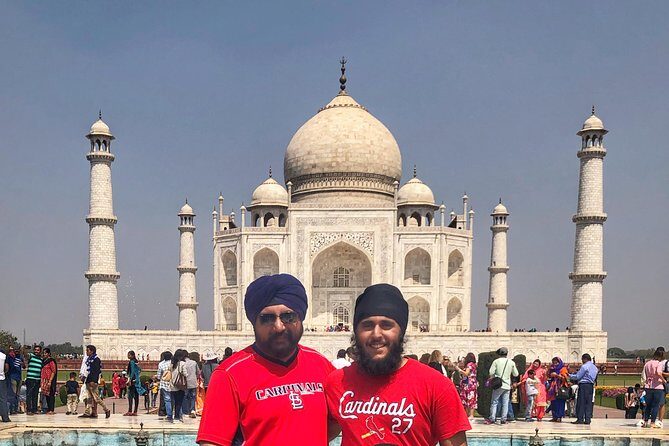
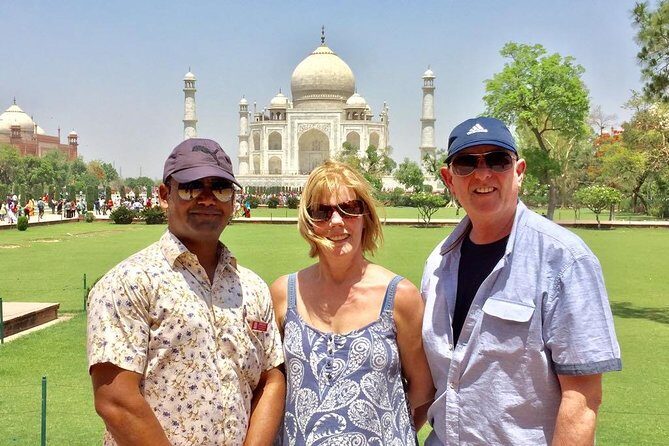
Your Taj Mahal morning starts with pickup from Agra around 5:30 AM, and the visit is scheduled for about 2 hours 30 minutes. Admission is marked not included. But that early timing is the real value: you’re there when the light is soft and the day hasn’t fully turned into tourist traffic.
A useful mindset: don’t rush the Taj Mahal as if it’s only a photo stop. Spend part of your time just looking for details—symmetry, calligraphy, and the way the whole complex is designed as one composed scene. If you go in expecting more than one moment, you’ll come away happier.
After that, you’ll move to Agra Fort, a UNESCO site built in the 16th century. The itinerary places this at about 50–70 minutes, with ticket admission marked not included. This fort gives you a different view of Agra than the Taj complex does. It’s more about fortress life, palaces within the larger walls, and the layering of Mughal architecture.
Then there’s Fatehpur Sikri, which the plan calls out as a ghost city or abandoned city. The time allotted is long—about 4 hours—and admission is marked free. You’ll see it described as a planned wall city of the Mughal empire, built under Akbar. In practice, this long stop is important. The place is massive, and if you only had an hour, you’d miss the sense of scale.
One more thing: the trip includes a Tonga ride in Agra. That’s not just for fun; it’s also a change of pace. You’re traveling the same region, but by changing the mode you often slow down enough to notice details you’d otherwise skip.
Agra Day 2 is packed but logical: sunrise icon, fortress context, then a big “left behind” city that helps you understand the Mughal empire’s ambition.
Fatehpur Sikri to Ranthambore: The Wildlife Day That Changes the Tone
Ranthambore is the swing in mood you didn’t know you needed. After temple domes and fort walls, the day shifts to wildlife, sunrise, and a quieter kind of focus.
On Day 3, you get picked up for Ranthambore National Park at sunrise for a safari on a shared basis. The safari rides are in an open jeep or canter. The program lists safari admission as free, and while the wording can differ by operator, the key is that the safari itself is built into the plan.
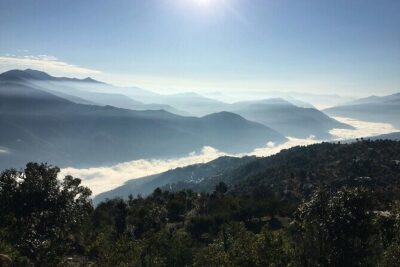
One practical reality: open-jeep safaris mean you’ll feel temperature changes quickly. Morning can be cool, then it warms up fast. Wear layers if you can, and bring something simple for sun protection.
After the safari, you’ll have a short rest and breakfast break, then you visit Ranthambore Fort, located inside the park. The itinerary gives about 30 minutes, and admission is marked not included. The fort stop is short, so it works best if you treat it like a payoff: you’ve already spent your morning scanning for wildlife, so this is your chance to grab a bit of history without turning the day into a museum sprint.
Also, the itinerary notes you’ll drive from Fatehpur Sikri toward Ranthambore for the night stay. That means Day 3 isn’t just one activity; it’s a full reset day. If you’re the type who loves switching gears—architecture to animals—you’ll enjoy this part more than you might expect.
Jaipur City Sights: Panna Meena ka Kund, Amber Fort, Jal Mahal, City Palace, Jantar Mantar, Hawa Mahal
Jaipur is the reward at the end: a concentrated dose of viewpoints, royal spaces, and optical-design city planning.
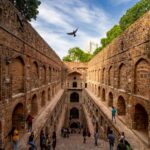
You start with Panna Meena ka Kund, a stepwell near the market area of Jaipur. The visit is short—about 15 minutes—and admission is marked not included. Stepwells can look like simple architecture until you notice the engineering and how they were used to manage water. Even in a short stop, this one can change how you see the city’s planning.
Next is Amber Fort, just outside Jaipur. It’s scheduled for about 2 hours and described as a 16th-century hilltop fortress with a blend of Rajput and Mughal architecture. Admission is not included. This is one of those places where you’ll feel the geometry: walls, courtyards, and palace spaces that were built for status and defense. If you like forts, this is a must-hit on a Golden Triangle trip.
Then there’s Jal Mahal, the Water Palace, set in the Man Sagar Lake. The stop is short (about 20 minutes) and admission is marked not included. Jal Mahal is more about the view and the visual trick—how it appears to float—than about long time inside. If you’re chasing photos, this stop helps you add a different look to your Jaipur day.
After that, you’ll visit City Palace of Jaipur, a royal complex and residence of the Maharajas. It’s about 1 hour, with admission not included. This stop is valuable because it’s not just one building; it’s a whole functioning story of how royal life was organized in the city. If you’re into how power shows up in design, you’ll appreciate it.
Then comes Jantar Mantar, an 18th-century astronomical observatory built by Maharaja Sawai Jai Singh II. The itinerary lists about 1 minute, and admission is marked not included. That’s very short. So go in with a quick plan: know that the big instruments are meant to measure time and track the sky in precise ways, and use the brief visit to spot the most recognizable structures.
Finally, Hawa Mahal (Palace of Wind) is the iconic ending. It’s scheduled for about 20 minutes and admission is marked not included. Built in 1799 by Maharaja Sawai Pratap Singh, it’s the five-story pink sandstone honeycomb facade you’ve probably seen on calendars. Even a short visit works here because the palace’s impact is visual: the grid pattern and sheer facade make it memorable fast.
Jaipur wraps the trip with color, viewpoint energy, and a few different kinds of “how the city thinks” moments—architecture, astronomy, and palace life.
A few more New Delhi tours and experiences worth a look





Price and What’s Actually Included for $200 per Person
At $200 per person, this tour can feel like either a bargain or a budget stretch, depending on how you handle admissions and your food choices.
Here’s what you’re getting for the money:
- Private tour with a professional guide for the sightseeing listed
- Transport by private vehicle for the city-to-city parts and the daytime stops
- Breakfast included
- Unlimited bottled mineral water in the vehicle
- Hotel nights in Delhi (listed as a 3-star option) and homestay-style options in Jaipur (including Homestay Gupta Vilas and Marigold Inn, depending on availability)
- Mobile ticket
- Pickup offered
- Group discounts (if you’re traveling in a group)
What’s not included:
- Food and drinks are not included
- Many monument entries are marked admission not included (Taj Mahal, Agra Fort, Qutub Minar, Amber Fort, City Palace, Jantar Mantar, Hawa Mahal, and others)
So the value equation is simple. If you’re okay paying typical site-entry fees and you prefer guided routing, the $200 price can be very fair for a tight Golden Triangle schedule plus a Ranthambore safari day. If you want a fully prepaid “no extra spending” trip, then you’ll likely need more clarity on which entries you’ll personally pay.
Also, the tour’s structure matters for value. You’re not just doing three cities; you’re swapping one of the busiest sights days (Delhi and Jaipur) for a safari day that uses sunrise timing and park logistics. That’s part of why people like this format for a first Golden Triangle trip.
And yes, there’s a practical bonus from past feedback: one Canada couple singled out Imran Khan as their Taj Mahal guide and also noted he helped with professional-style photos. That kind of guidance can be worth real time, especially if you care about getting your shots without wasting your limited daylight.
Should You Book This Golden Triangle Car Tour?
I’d recommend this tour if you want a first Golden Triangle trip that stays organized: guided Delhi landmarks, a sunrise Taj Mahal visit, a full Agra day with Fatehpur Sikri, and a Ranthambore safari that breaks up the monument circuit. The included breakfast, hotel nights, private transport, and bottled water all reduce the small stress that can pile up.
I’d think twice if you hate paying admission fees on the spot, because the program marks many big-ticket sites as not included. I’d also check your comfort with early mornings. The Taj Mahal start at 5:30 AM is not negotiable in the day plan, and that pace is the core of the experience.
If you like guides who can handle timing and help you get the most from the main stops, this one fits. With 21 reviews averaging 5 stars and a 100% recommendation signal, it’s clearly landing well for people who want a structured, memorable Golden Triangle by car.
FAQ
How long is the Golden Triangle tour?
The tour is scheduled for 4 days (about 3 nights / 4 days).
What cities are included in this tour?
You’ll visit Delhi, Agra, Ranthambore National Park, and Jaipur, with driving by car between them.
Do I get pickup in Delhi and nearby areas?
Yes. Pickup is offered from your hotel, airport, or a desired location in Delhi, Noida, or Gurugram.
Is the Taj Mahal ticket included?
The Taj Mahal admission is marked as not included in the itinerary.
Are meals included?
Breakfast is included. Food and drinks during the day are not included.
What kind of safari is included in Ranthambore?
The safari is conducted on a shared basis in an open jeep or canter at sunrise.
Is the Tonga ride in Agra included?
Yes. The tour overview states that a Tonga ride in Agra is included.
What kind of accommodations are provided?
The inclusions list a Delhi hotel option (listed as 3-star) and Jaipur accommodation options including Homestay Gupta Vilas (a boutique homestay) and Marigold Inn (homestay).
What is the cancellation window?
You can cancel up to 6 days in advance for a full refund, with smaller refund amounts for cancellations made closer to the start time.