REVIEW · MUMBAI
Full Day Mumbai Sightseeing Tour with Dharavi Slum
Book on Viator →Operated by Dream City Tours and Travels · Bookable on Viator
Mumbai can hit you fast. This tour slows things down.
You’ll see major landmarks like Gateway of India and Chhatrapati Shivaji Terminus, then go to Dharavi to understand daily life, homes, and work in Asia’s biggest slum area. It’s a long day, but the mix of famous sights and real neighborhoods keeps it interesting.
I like that the experience is guide-led with a private guide and an air-conditioned vehicle, so you’re not stuck figuring out routes between big, crowded places. I also love the contrast in the day: temple and mosque stops for spiritual architecture, then Dharavi for the on-the-ground business energy that Mumbai is famous for.
One consideration: you should expect a moderate walking day and busy public spaces (rail station areas, crowded religious sites, and Dharavi). If you want a slow, quiet sightseeing pace, this might feel intense.
In This Review
- Key Highlights
- Entering Mumbai’s Big Icons and Dharavi’s Real Life
- Gateway of India: A Quick Start at the Waterfront
- Chhatrapati Shivaji Terminus Area: Rail Architecture and Photo Energy
- Shri Siddhivinayak Ganapati Mandir: When Worship Shapes the Visit
- Haji Ali Mosque: Architecture on an Islet and a Coastal Mood Change
- Dharavi: Seeing Commerce and Homes, Not Just a Label
- Other Key Stops You’ll Likely Pass or Visit: Mumbai Beyond the Main Icons
- Price and Timing: Does $100 Feel Fair for This Much Ground?
- What a Private Guide Really Changes in Mumbai
- How to Plan Your Day So You Don’t Feel Rushed
- Who This Tour Fits Best (And Who Should Rethink It)
- Final Call: Should You Book This Dharavi and Mumbai Icons Tour?
- FAQ
- How long is the full-day Mumbai sightseeing and Dharavi tour?
- Is pickup included?
- What’s included in the price?
- Is lunch included?
- Are admission tickets included for all stops?
- Is it a private tour?
- What kind of physical condition do I need?
- What is the cancellation policy if plans change?
Key Highlights
- Two Mumbai worlds in one day: landmark Mumbai plus Dharavi’s commercial and residential areas
- Private guiding with real explanations: guides like Viresh, Shailendra, and Suraj are known for patient, detailed context
- Iconic stops with practical timing: short visits at Gateway of India and the Chhatrapati Shivaji Terminus area
- Culture stops that are active, not staged: Shri Siddhivinayak Ganapati Mandir and Haji Ali Mosque
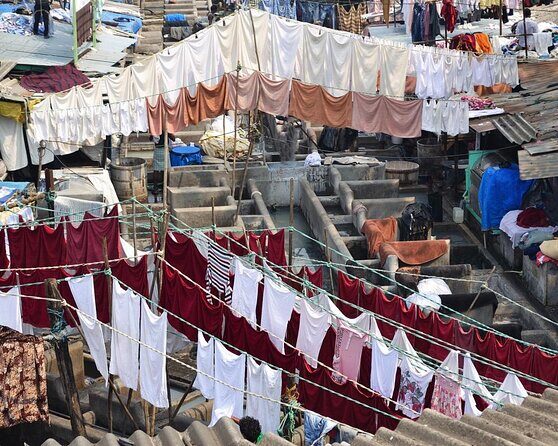
- Dhobi Ghat access on the route: Mumbai’s huge laundry scene is a memorable sensory stop
Entering Mumbai’s Big Icons and Dharavi’s Real Life
Mumbai can feel like a movie set from the roadside, then a street corner turns the volume up. This full-day tour is built for that exact feeling. You start with big, recognizable landmarks, then move into the neighborhoods where Mumbai’s economy is happening every day—especially in Dharavi.
What makes this outing stand out is that it’s not only about looking. You’re guided through places that people actually use: a major waterfront monument, a world-famous railway terminus area, active worship sites, and Dharavi’s mix of homes and small industries. If you enjoy city context—why a place looks the way it does and who it serves—this kind of structure will work for you.
A few more Mumbai tours and experiences worth a look


Gateway of India: A Quick Start at the Waterfront
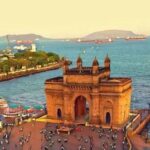
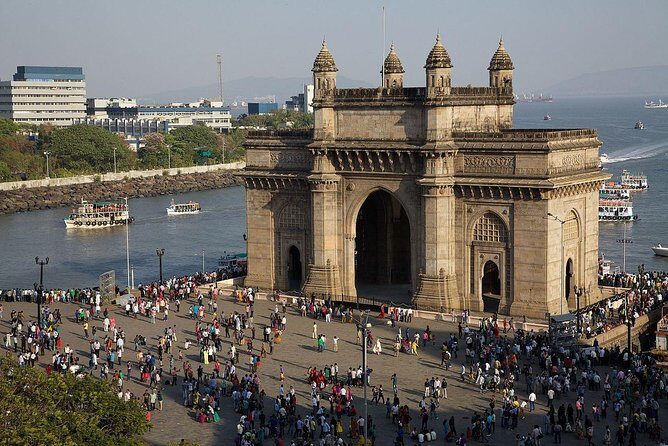
You begin at Gateway of India, a well-known arch monument that commemorates the landing of King George V and Queen Mary. Even if you’ve seen photos, being there in person changes the feel. It’s a landmark people reference constantly, so it gives you an easy mental anchor for the rest of the day.
What I like about this stop: it’s short and sweet. You get a chance to orient yourself near one of the city’s most famous views without burning half your day on one spot. The admission ticket is free, so there’s no pressure to rush because of a timed ticket.
What to watch for: this area can be active, and you’ll likely be stepping in and out of vehicle/foot traffic. Keep your day bag simple and be ready to move.
Chhatrapati Shivaji Terminus Area: Rail Architecture and Photo Energy
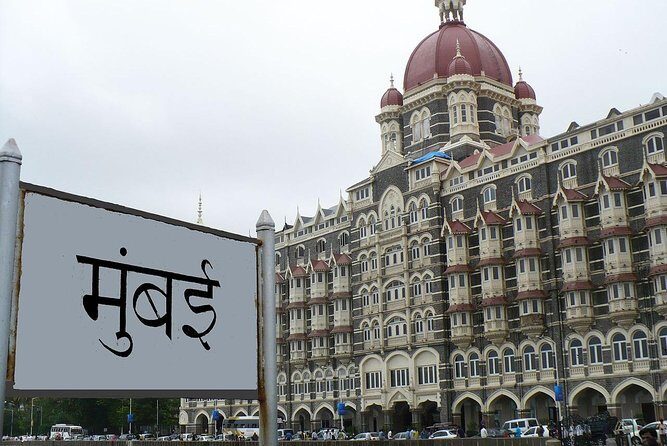
Next comes the Chhatrapati Shivaji Terminus area (listed as Chhatrapati Shivaji Terminus, a UNESCO World Heritage railway terminus). This stop is a practical choice for a full day: it’s a strong visual payoff, but it doesn’t demand long ticket time. Admission here is free.
I like this timing because it sets your mental theme: Mumbai isn’t only waterfront and temples. It’s also infrastructure—built to move people and goods. A railway terminus is a city in miniature.
Drawback to consider: like any major station area, it can be busy. If you don’t love crowds, plan to keep your phone secure and expect some noise.
Shri Siddhivinayak Ganapati Mandir: When Worship Shapes the Visit
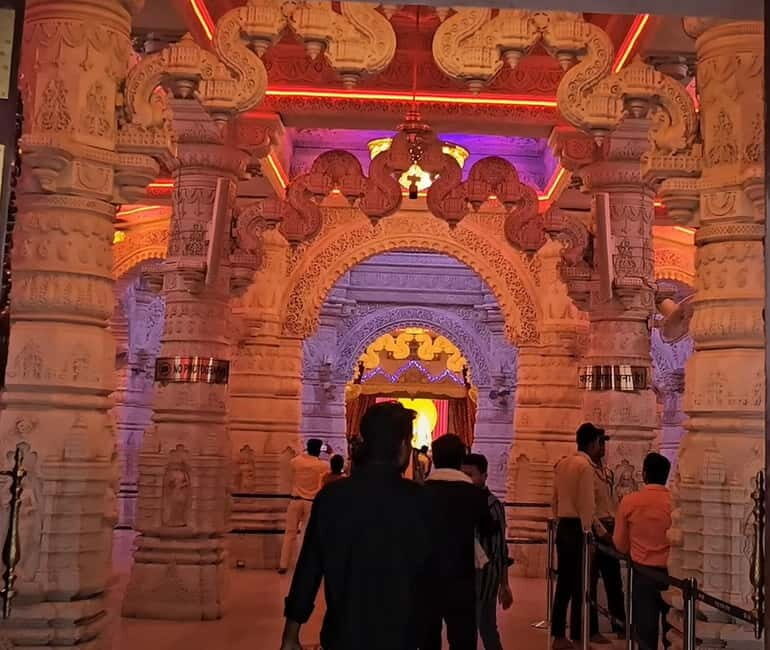
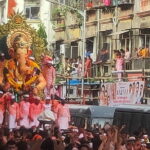
Then you move to Shree Siddhivinayak, a Hindu temple dedicated to Ganesha, in the Prabhadevi neighborhood. This is one of the most recognizable devotional stops on the route, and the tour includes admission ticket time.
This is where the day shifts from “sightseeing” to “watching how people pray.” Even a short visit can teach you a lot about Mumbai’s spiritual rhythms. If you arrive with respectful behavior and patience, you’ll get more from the experience than if you rush for photos.
Practical tip: dress modestly and keep your actions calm. In places like this, the best photos happen when you’re not blocking others.
Haji Ali Mosque: Architecture on an Islet and a Coastal Mood Change
After the temple, the itinerary heads to Haji Ali Mosque (Haji Ali Dargah), built on an islet off the coast of Worli. This is listed as Indo-Islamic architecture, and the tour includes admission time.
Here’s why this stop matters: it changes the feel of the day. You get a strong sense of Mumbai’s coastline and how religious spaces are tied to water and place. The short time slot works well because it gives you the moment without turning it into a long, tiring wait.
What to keep in mind: the site is coastal. Expect wind and a mood shift from the inland stops. Wear something comfortable you can handle in changing air.





Dharavi: Seeing Commerce and Homes, Not Just a Label
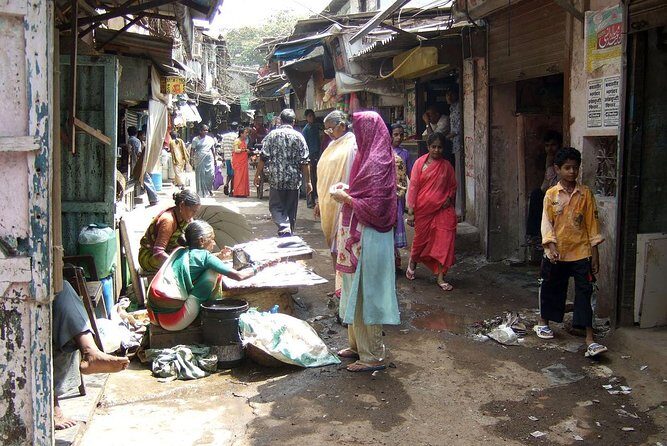
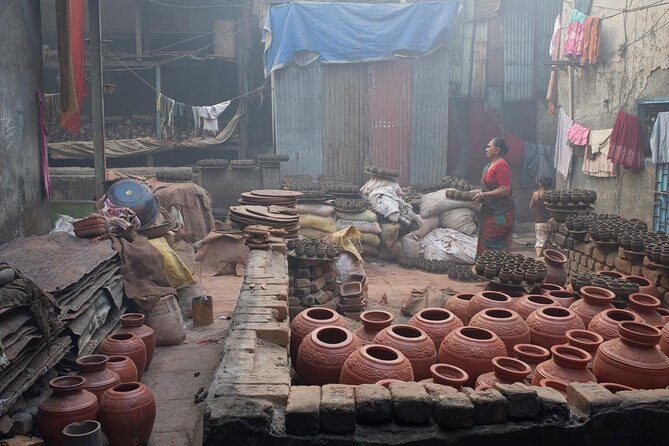
Now the day’s biggest question mark: Dharavi. The tour takes you into Dharavi’s commercial and residential parts, and admission is included.
This is the heart of the experience. Dharavi isn’t presented as a single image—it’s presented as a working neighborhood. Small industries, services, and day-to-day life exist side by side. The best guided visits help you see how people organize work, how communities function, and why the area is talked about so much around the world.
I also appreciate how this tour frames Dharavi as more than a shock-value stop. You’re there to understand a reality, not to gawk. A careful guide matters a lot here—someone who can keep explanations clear and help you stay respectful.
One consideration: Dharavi can feel crowded and intense. If you’re sensitive to close quarters, keep your expectations grounded. You’re seeing a working area of real people, so your best attitude is calm curiosity.
Other Key Stops You’ll Likely Pass or Visit: Mumbai Beyond the Main Icons
Beyond the major named stops, the day is designed to connect the dots across the city. The tour description also calls out several important places you may see as part of the route, such as Marine Drive, Bombay High Court, Mumbai University, Mani Bhavan, and Dhobi Ghat (the largest washing laundry in the world is how it’s described).
Here’s how these additions typically help your day:
- Marine Drive helps you understand Mumbai’s coastal style and the city’s long “after work” energy. Even a brief look can give context for why Mumbai feels like it lives outdoors.
- Bombay High Court adds a sense of formal power and colonial-era urban planning influence, which helps when you’re looking at the city’s big institutional buildings.
- Mumbai University gives you a clue about how many people move through the city for education and ideas—another engine besides business.
- Mani Bhavan is often a meaningful pause because it connects you to a human story behind the city’s modern identity.
- Dhobi Ghat is a sensory stop. Laundry work on a large scale turns into a visual lesson about Mumbai’s logistics and daily labor.
You might also have time for a local street food moment depending on how your guide times things. If that happens, follow your guide’s lead and don’t pressure yourself if you’re not in the mood—this is a long day, and comfort matters.
Price and Timing: Does $100 Feel Fair for This Much Ground?
At $100 per person for about 7 to 8 hours, this is the kind of tour that only works if you’re using the day efficiently. You’re getting:
- Pickup offered
- An air-conditioned vehicle
- Bottled water
- A private guide
- Admission tickets included for several key sites (temple, mosque, Dharavi), with free admissions at Gateway of India and the railway terminus area
- A mobile ticket
The value is in the structure. Mumbai is big and traffic can be unpredictable, so having an organized, vehicle-based plan matters. Also, the private guide angle is a big deal for Dharavi—context changes everything there.
What’s not included: lunch. That’s the main tradeoff. You’ll want to plan a meal around the day’s timing rather than counting on lunch being handed to you.
What a Private Guide Really Changes in Mumbai
A private guide sounds like a luxury item, but in Mumbai it becomes practical. You’re hopping between places that are culturally different (temples, mosques, heritage architecture, and a working neighborhood). A good guide helps you:
- make sense of what you’re seeing fast
- avoid awkward moments through basic etiquette cues
- understand why a site matters beyond what the camera captures
- adjust the day when crowds or pacing require it
In the same spirit, the guides tied to this experience—names like Viresh, Shailendra, and Suraj—are often described as patient and detail-focused. That kind of patience matters most when you’re in Dharavi or at worship sites, where the questions are real and the answers aren’t always obvious.
How to Plan Your Day So You Don’t Feel Rushed
This is a full-day plan, and the itinerary includes short blocks at multiple stops (some as short as 15 minutes). That means the day can feel like a sequence of moments rather than one long lingering visit.
To make it comfortable, I recommend you:
- wear light layers and comfortable shoes
- keep your phone and wallet secure during crowded station/temple moments
- plan for a meal you can grab nearby since lunch isn’t included
- bring water awareness even though bottled water is provided (you’ll thank yourself)
Also, keep a flexible mindset. Mumbai’s pace is not always your schedule’s pace. A private guided day works best when you accept that the city is the boss.
Who This Tour Fits Best (And Who Should Rethink It)
This tour is a strong fit if you want:
- a one-day overview of Mumbai’s major landmarks plus a real neighborhood visit
- guided context that connects religion, heritage architecture, and everyday economic life
- a private format where you can ask questions and move according to the guide’s pacing
It may be less ideal if you:
- prefer a slow, low-traffic day with minimal walking
- want purely scenic sights with little cultural or social complexity
- get overwhelmed easily by dense urban environments
The tour is listed as requiring moderate physical fitness, so be honest with yourself about your comfort level.
Final Call: Should You Book This Dharavi and Mumbai Icons Tour?
I’d book this tour if you want more than postcards. The combination of famous Mumbai stops and a guided look at Dharavi’s commercial and residential reality is the point. The private guide format also helps you stay respectful and informed in places where context matters.
I wouldn’t book it if you’re looking for a relaxed day with only major viewpoints and minimal human interaction. This experience includes real neighborhoods and busy public spaces. If that’s your kind of travel—curious, respectful, and willing to learn—you’ll likely come away with a clearer picture of Mumbai.
FAQ
How long is the full-day Mumbai sightseeing and Dharavi tour?
It runs about 7 to 8 hours.
Is pickup included?
Yes, pickup is offered.
What’s included in the price?
The tour includes an air-conditioned vehicle, bottled water, and a private guide. Admission tickets are included for specific stops as listed.
Is lunch included?
No, lunch is not included.
Are admission tickets included for all stops?
Gateway of India and the Chhatrapati Shivaji Terminus area are listed as free. Admission is included for Shree Siddhivinayak, Haji Ali Mosque, and Dharavi.
Is it a private tour?
Yes. Only your group will participate.
What kind of physical condition do I need?
The tour notes a moderate physical fitness level.
What is the cancellation policy if plans change?
You can cancel for a full refund if you cancel at least 24 hours in advance. If you cancel less than 24 hours before the start time, the amount paid is not refunded.