REVIEW · MUMBAI
From Colaba: Half-Day Sightseeing Tour with Elephanta Caves
Book on GetYourGuide →Operated by Yo Tours · Bookable on GetYourGuide
Big stone faces, short boat ride. This half-day outing takes you from the Gateway of India area out to Elephanta Caves, where you’ll see massive Shiva sculptures and myth scenes carved into temple rock. It’s a UNESCO-listed stop that mixes Hindu and Buddhist artwork in one compact, learnable route.
What I like most is how fast you get to the island—there’s a one-hour ferry ride with big harbor views—and how the guide turns the carvings into stories you can actually follow. The complimentary local snacks are a small thing, but they make the day feel cared for instead of rushed. One watch-out: the tour can start a little messy for some people, especially around where to meet and how tickets are handled, so you’ll want to confirm the exact pickup spot before you go.
In This Review
- Key highlights to look for
- Gateway of India to Elphanta Island: the ferry ride you’ll remember
- Elephanta Caves context: why UNESCO carved rock matters here
- The seven major caves vs. the three you’ll actually see
- Inside the main Shiva cave: scale, myth scenes, and what to look for
- Toy train at the plateau: saving your legs for the good carving
- Snacks and local tips: the small things that improve the tour
- Price and value: what $35 covers and what to double-check
- The biggest risk: start-to-finish organization can vary
- Who this tour fits best (and who should consider alternatives)
- Should you book this Elephanta Caves half-day tour from Colaba?
- FAQ
- Where does the tour start and end?
- How long is the ferry ride?
- How many caves will I see?
- Is there a toy train ride?
- Are snacks included?
- Is the historical site entry fee included?
Key highlights to look for
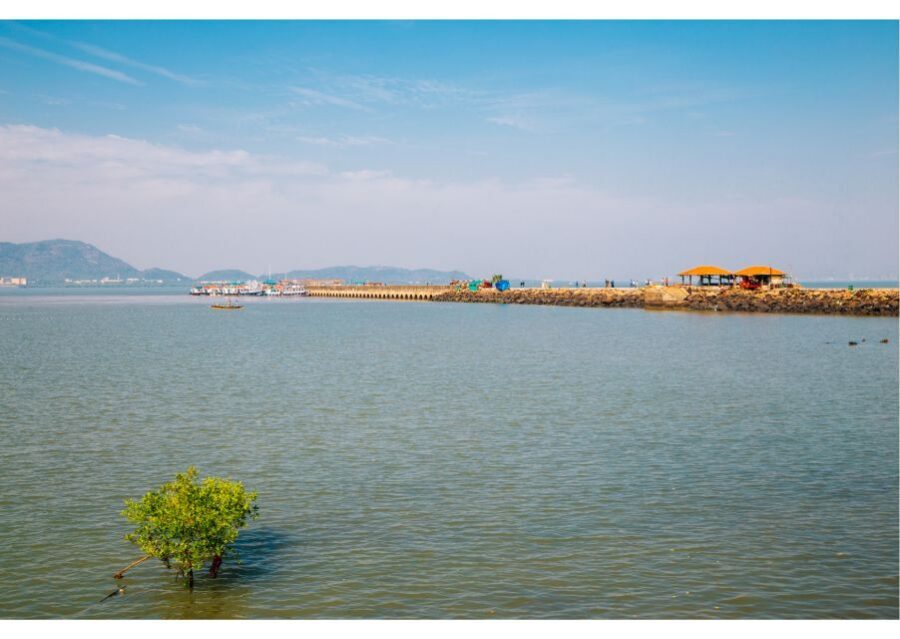
- One-hour ferry across Mumbai Harbor for real seaside scenery before the caves
- UNESCO-listed rock-cut caves with Hindu and Buddhist figures and reliefs
- Seven major cave excavations, with the tour focusing on the most important three
- Toy train ride to save steps and get you to the main temple area
- Shiva narratives at the plateau, where carvings and relief panels do the talking
- Complimentary snacks and a water bottle to keep energy up on the island
Gateway of India to Elphanta Island: the ferry ride you’ll remember
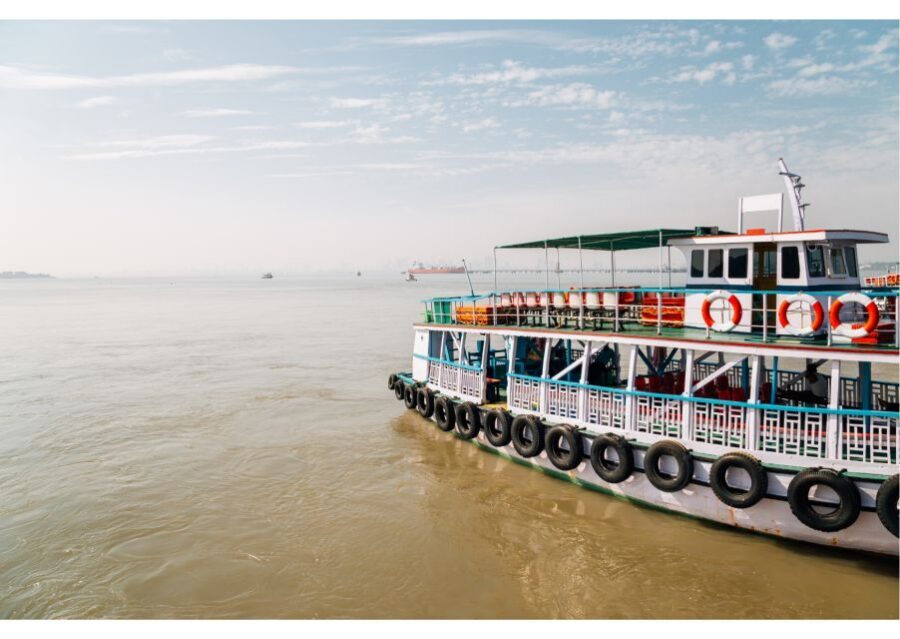
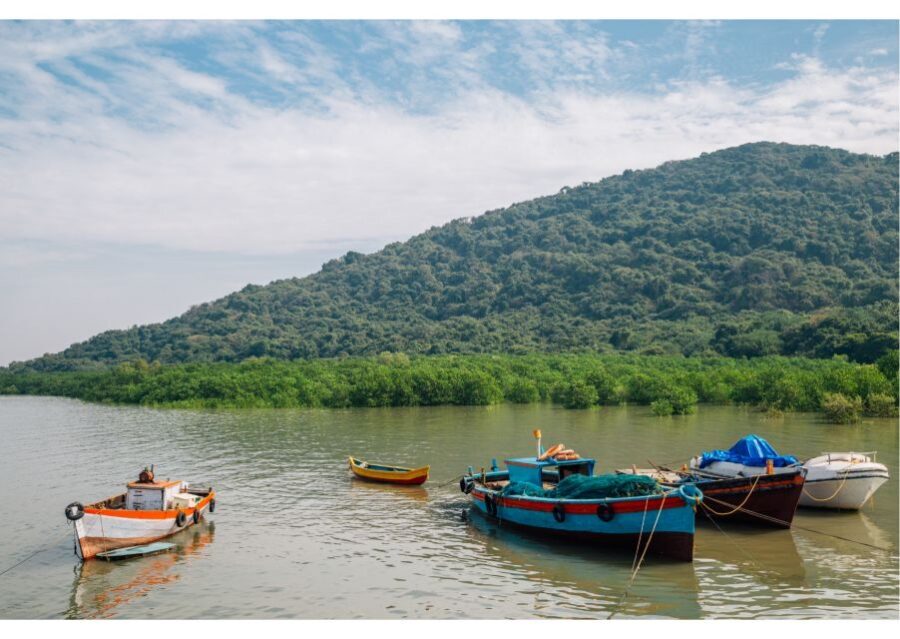
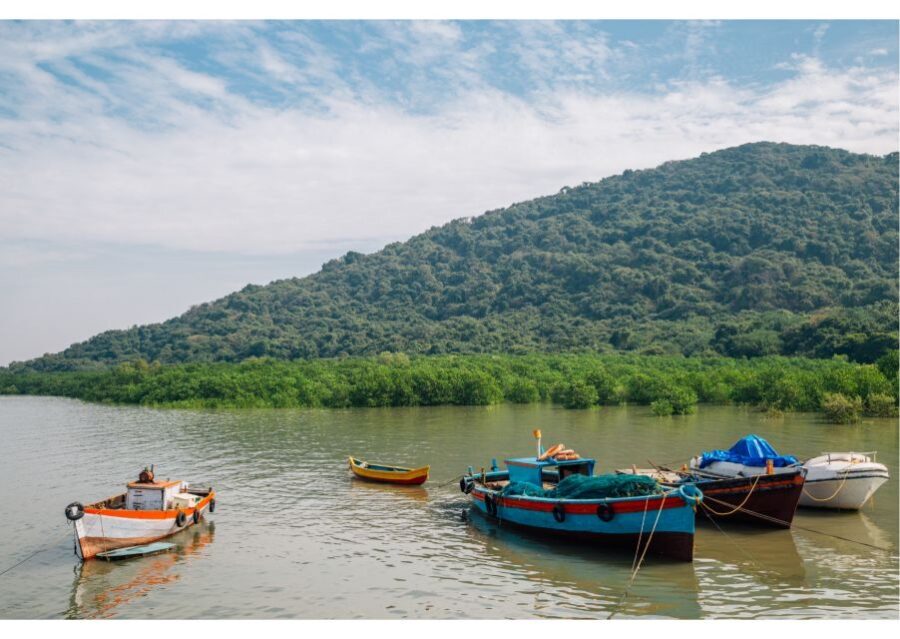
The day starts at the Gateway of India. From there, you take a ferry out to Elephanta Island, and the ride is a proper warm-up: Mumbai Harbor scenery, shoreline angles, and constant movement of boats and water traffic. Even if you’re not a ferry person, this part works because it resets your pace before you tackle carved stone.
Plan to be mentally ready for crowds around the start area. One of the big themes from past experiences is that meeting-point clarity can be imperfect, so your first job is simple: find your guide quickly and avoid last-minute panic. Once you’re on the ferry, things usually settle into a smoother rhythm.
You’ll have around an hour on the water. That’s just enough time to relax, take photos without sprinting, and still arrive with energy for walking the island’s cave-temple area.
A few more Mumbai tours and experiences worth a look

Elephanta Caves context: why UNESCO carved rock matters here
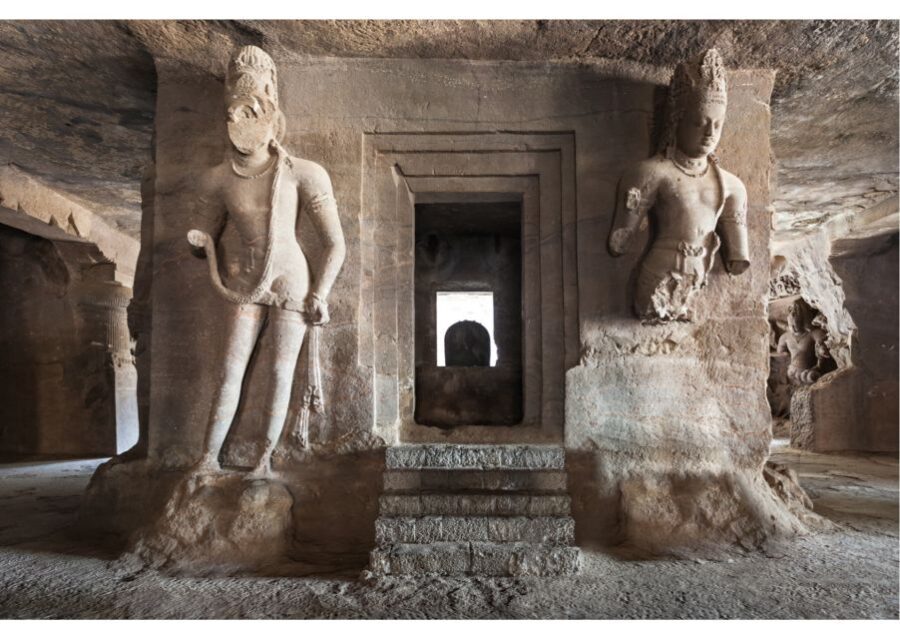
Elephanta Caves are UNESCO-listed for good reason: the site isn’t just one temple or one era. You’re looking at layers—rock art believed to date back to around 500 BC, and later carvings, sculptures, and relief work dated between the 5th and 9th century. The artwork is tied to different Hindu dynasties, and you also see Buddhist elements in the sculpture and relief tradition.
This mix is what makes the caves more than a photo stop. When you understand that you’re moving through centuries of religious ideas, the big faces and story panels start to feel like a visual timeline rather than random stone. A good guide matters here, and this tour is built around a storytelling approach in English and Hindi.
What you’ll actually notice as you walk is how much of the cave interior is designed to guide your eyes. The scale grabs you first. Then the guide helps you make sense of what those scenes likely represent—especially the major Shiva-focused imagery.
The seven major caves vs. the three you’ll actually see
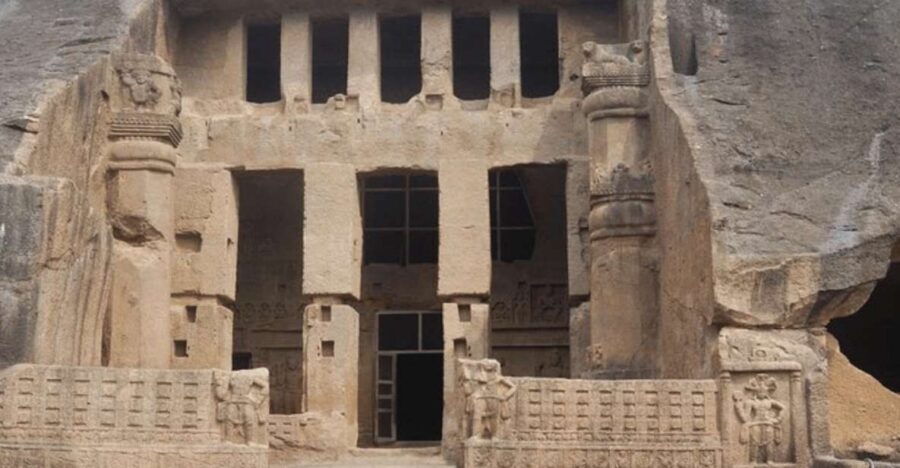
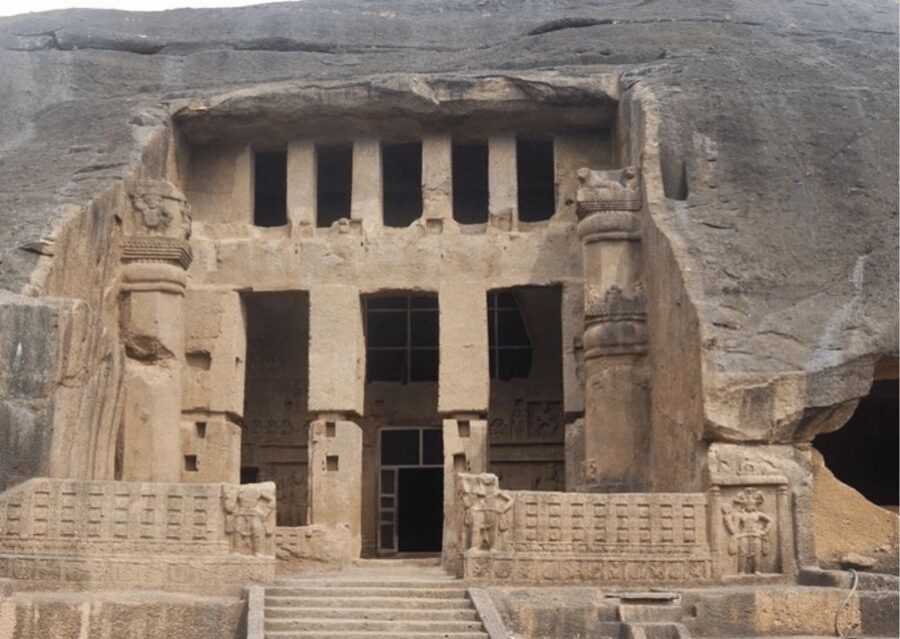
Elephanta is often described as having seven major excavations, each with its own doorway, chamber style, and set of carvings. Your tour experience focuses on three caves: the large Hindu cave, a Buddhist cave, and the main Shiva cave.
That split is practical. Seven caves sounds like a lot, but a half-day tour is only going to do so much. By prioritizing these three, you still get the core comparison: Hindu myth storytelling, Buddhist sculpture presence, and the centerpiece Shiva sculpture program.
Here’s how each cave generally helps your understanding:
- The large Hindu cave sets the myth-and-deity tone, with scenes tied to Hindu religious narratives.
- The Buddhist cave lets you see the Buddhist side of the island’s spiritual artwork, including sculptures and relief style.
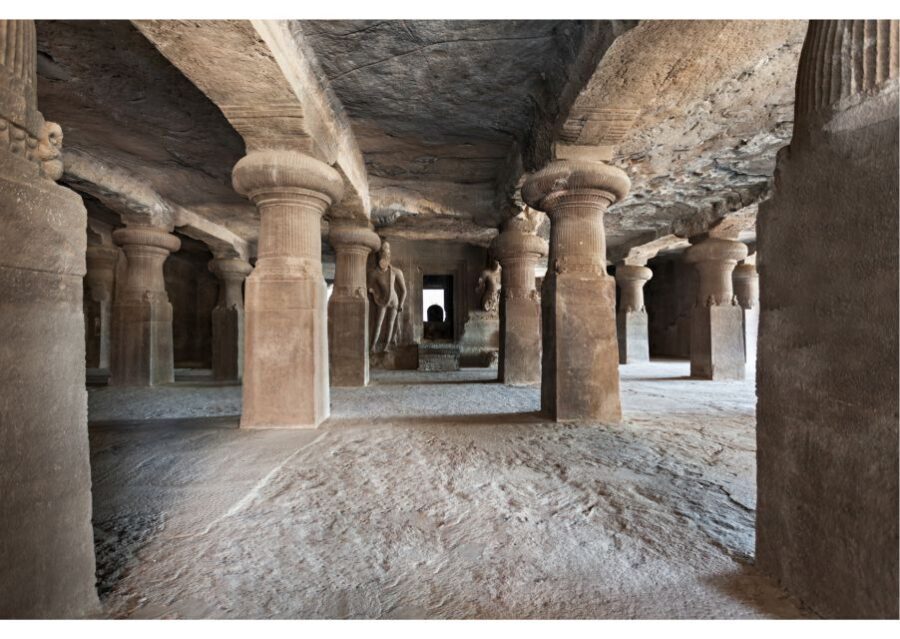
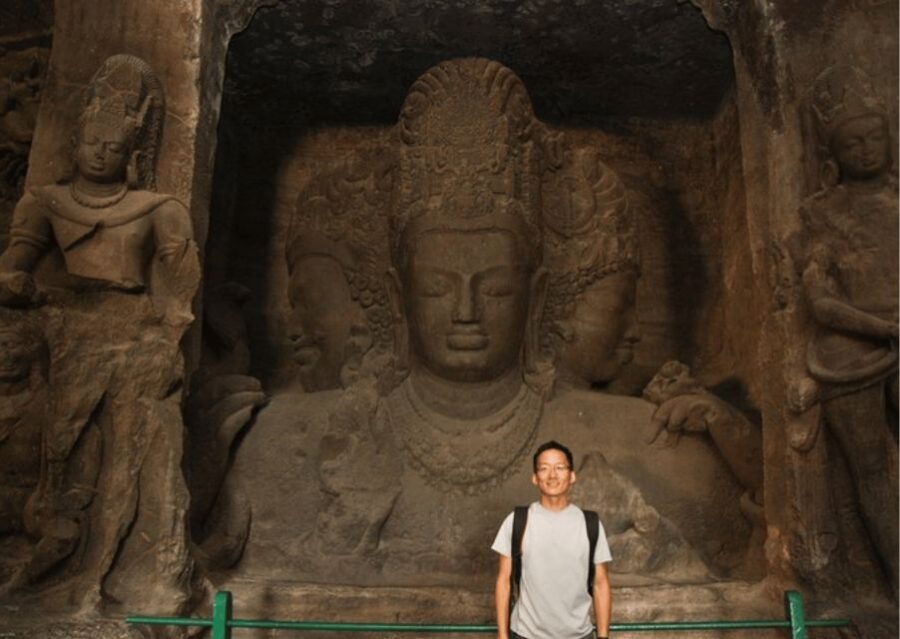
- The main Shiva cave is where you’ll feel the scale shift—huge Shiva sculptures and dramatic myth imagery dominate your first clear view inside the cave space.
So even though you don’t cover every cave chamber, you come away with a balanced sense of what makes Elephanta distinctive: it’s not one religion expressed in one stone block. It’s two traditions, layered across time, living inside the same island-temple setting.
Inside the main Shiva cave: scale, myth scenes, and what to look for
The star of the show is the main Shiva cave. You’ll spend time with the big Shiva imagery and the surrounding Hindu mythological scenes carved into the cave walls. This is where you’ll see the site shift from “cool ruins” to “wow, someone planned this carefully.”
What helps most is having a guide who can connect the carving themes to the religious ideas behind them. The tour description emphasizes discussions about the religious aspect, beliefs, and local importance, and that’s exactly what you need here. Without that context, you can still enjoy the craftsmanship, but the site can feel like a maze of statues. With it, you start seeing recurring story themes and symbolism.
Also, don’t ignore the smaller elements. Relief carvings, paintings, and inscriptions (mentioned as part of what’s studied for dating and attribution) are the kind of details that reward slow glances. Your guide’s job is to point you toward what those marks likely mean in terms of era and dynasty connections.
If you’re the type who normally only takes photos, this is the tour where you’ll probably end up standing still for longer than planned. That’s not wasted time. It’s the difference between looking at stone and reading a message carved into it.
Toy train at the plateau: saving your legs for the good carving
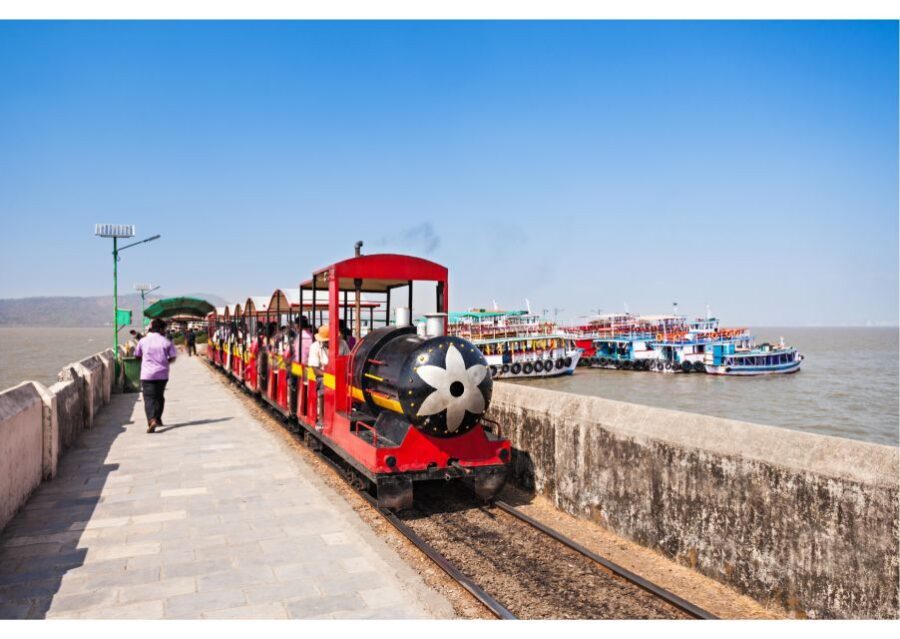
Elephanta Island is not a flat walk-and-done stop. To manage energy, the tour includes a toy train ride. It’s a small add-on that makes the schedule easier, especially if you’re traveling with kids, older family members, or you just know you’ll be tired after the ferry.
Once you reach the plateau area, you’ll notice the carvings more clearly. The tour focuses on the complex, detailed reliefs and carvings depicting narratives connected with goddess Shiva. This is the part where you’ll probably slow down again. Relief panels can be visually dense, and the difference between average and great is whether someone helps you know where to look first.
A toy train ride won’t sound like “history” on paper, but in practice it changes how you experience the caves. When you arrive less exhausted, you can actually pay attention to the story scenes instead of counting steps and wishing for a bench.





Snacks and local tips: the small things that improve the tour
Food on an island tour can be hit or miss. Here, snacks are complimentary, and you’ll also have a water bottle as part of the experience. That matters because cave-temple walking can take longer than you expect, and dehydration is never a fun subplot.
Beyond snacks, the tour includes great local tips and recommendations. Even when you’re doing only a half day, those suggestions can help you make smarter choices after the tour—especially around where to spend time, what to look for next, or how to navigate your remaining hours back in the city.
One more practical upside: the guide is described as highly trained and friendly, speaking English and Hindi. In a place where you’ll be staring at symbols and stone narratives, clear explanations are not a luxury. They’re the tool that turns a scattered set of carvings into a coherent experience.
Price and value: what $35 covers and what to double-check
The price is listed as $35 per person, which is fairly reasonable considering you’re paying for a guided experience plus transport and on-site activities. You get the ferry ride to the island, a toy train ride, and island village entry tickets. That package approach often beats trying to coordinate everything on your own when time is limited.
But there’s an important detail to keep in mind: entry fee to any historical site is not included. That wording suggests there could be additional cave entry costs depending on how the operator structures the inclusions. Before you go, it’s worth confirming whether your ticket covers cave entry specifically, or if you’ll need to pay separately on arrival.
If the cave entry ends up being extra, your real cost may be higher than $35. Still, the combination of UNESCO caves plus ferry-plus-island transportation is the type of experience that can be hard to replicate smoothly without a guided setup.
The biggest risk: start-to-finish organization can vary
This tour can be excellent once you’re underway. Several experiences describe a smooth round once the guide is found and the group is escorted properly through the cave area. On the flip side, some people reported problems at the beginning that can knock the day off track.
The issues described include confusion about the exact meeting spot near the start area and trouble with ferry vouchers not being accepted, forcing additional ferry ticket purchases. There are also reports of the tour time being changed close to departure, which can be especially painful if you’ve scheduled your morning tightly.
My practical advice is simple:
- Confirm the exact meeting point details in advance, not just the general area.
- Plan to arrive early so you have time to sort out where the guide is waiting.
- Keep your voucher and backup payment method handy so you’re not stuck if something doesn’t scan.
Once you’re on the island with the guide and the group is settled, the cave experience itself seems to land well, especially because the guide helps you understand what you’re seeing.
Who this tour fits best (and who should consider alternatives)
This half-day format suits you if you want UNESCO-level sights without giving up an entire day. If your schedule is tight, you still get the main Shiva focus, the Buddhist cave presence, and the island experience with ferry views and a toy train ride.
It also fits well if you like guided context. The caves are visually powerful, but they’re even better with explanations about religious beliefs and the artwork’s eras.
I’d think twice if you hate any uncertainty around meeting points or time changes. Since organization can be inconsistent at the start for some departures, you need patience and a backup plan.
Should you book this Elephanta Caves half-day tour from Colaba?
I think it’s a good booking if you’re prepared—and you do two things before you go. First, confirm the exact meeting spot details near the Gateway of India so you don’t lose time searching. Second, verify whether cave entry is included or paid separately, because the pricing information doesn’t fully remove that question.
If you do those checks, you’ll likely enjoy the heart of what matters: the ferry ride across Mumbai Harbor, a structured look at the cave complex (with a focus on the large Hindu cave, Buddhist cave, and main Shiva cave), plus the plateau relief panels that connect to Shiva narratives. Add in complimentary snacks and a toy train ride, and the half-day format feels like good value for your effort.
If you want a worry-free start with zero chance of delays, you might consider looking for a more strictly timed alternative. But if you can handle a slightly shaky beginning and you’re there for the caves themselves, this tour is absolutely worth considering.
FAQ
Where does the tour start and end?
The tour starts with meeting your guide at the Gateway of India in Mumbai. It ends back at the same meeting point.
How long is the ferry ride?
The ferry ride from the Gateway of India area to Elephanta Island is about one hour.
How many caves will I see?
The experience includes exploring seven major cave excavations in the area, and it specifically covers three caves: the large Hindu cave, a Buddhist cave, and the main Shiva cave.
Is there a toy train ride?
Yes. The tour includes a toy train ride along the island.
Are snacks included?
Yes. You get a water bottle and complimentary snacks during the tour.
Is the historical site entry fee included?
Entry fee to any historical site is listed as not included, so you may need to pay additional entry costs depending on what is required at the caves.