REVIEW · NEW DELHI
Four Days Private Golden Triangle Tour – Delhi Agra Jaipur
Book on Viator →Operated by Anaisha journey · Bookable on Viator
Golden Triangle is the fastest way to see India’s big monuments. This private 4-day Delhi–Agra–Jaipur road trip adds structure, with air-conditioned driving and guides who explain what you’re actually looking at. I like the practical pace and clear context—especially when a guide can turn a pile of stone into a timeline. One name popped up in the feedback again and again: Lucky in Agra, plus excellent driving from Manik. The main drawback to plan for is simple: monument tickets are not included, so you’ll want to budget entry fees on top.
What really makes the tour feel easy is how it’s packed with the “must-see” UNESCO stops without making you coordinate everything yourself. You get bottled water for long days, breakfast for multiple mornings, and stays in superior hotels—so you’re not hunting for basics after sightseeing. That also means it’s not a slow, wander-at-will vacation. If you prefer to drift with no schedule, you might feel the timing a bit tight.
Still, if you want classic stops like Taj Mahal, Qutub Minar, Amber Fort, and Fatehpur Sikri done efficiently—this format works.
In This Review
- Key things worth noticing before you go
- A 4-day Golden Triangle that feels built for real sight-seeing
- Entering Delhi: Red Fort, Jama Masjid, Qutub Minar, and Raj Ghat
- A Delhi drawback to plan around
- Taj Mahal day: why the “big two” plus sunset garden work
- Timing tip for your comfort
- Fatehpur Sikri: when Akbar’s royal plan changes the vibe
- The watch-out
- Jaipur highlights: Amber Fort, City Palace, Jantar Mantar, and Hawa Mahal
- Jaipur travel reality
- Guides and the human touch: Lucky and Manik in the spotlight
- Price and what you really pay for
- Comfort and timing: what a 6:00 am start means for you
- Who this tour suits best
- Should you book this Golden Triangle tour?
- FAQ
- What cities are included in this Golden Triangle tour?
- How long is the tour?
- What time does the tour start?
- Is pickup offered?
- What’s included in the price?
- Are monument tickets included?
- Is this tour private?
- Can I cancel for a full refund?
Key things worth noticing before you go
- Private group only: you travel with your group, not a big mixed crowd.
- AC vehicle and water included: comfort matters on road days.
- Guides you can learn from: history and architecture explanations are part of the plan.
- UNESCO-heavy route: Delhi, Agra, and Jaipur classics are built in.
- Monument tickets are extra: budget time and money for entry fees.
- Early start (6:00 am): you’ll beat some crowds if you’re ready to rise.
A 4-day Golden Triangle that feels built for real sight-seeing
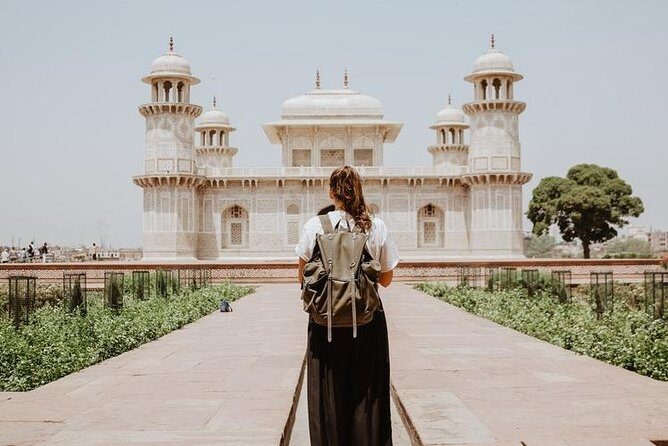
This tour is designed like a road trip with a job to do: cover Delhi, Agra, and Jaipur in a way that hits major sights without wasting your daylight. The meeting time is 6:00 am, which signals the whole style—early starts, structured visits, and a clear end-of-day finish back at your hotel.
You’ll be in an air-conditioned car most of the time between cities and sights. That matters in North India, where the heat and traffic can turn “one more stop” into a grumpy mood. The added hydration—bottled water and soft drinks—helps you stay functional during longer viewing windows.
One more practical point: it’s a private tour with only your group. That usually means you’re not waiting around for strangers, and your guide can adjust the pace when someone needs a break.
You can also read our reviews of more private tours in New Delhi


Entering Delhi: Red Fort, Jama Masjid, Qutub Minar, and Raj Ghat

Delhi kicks off with a strong set of landmarks that span different eras of power and belief.
Red Fort is where the trip opens with scale. Built by the Mughals using red sandstone, it’s known for Islamic architectural styling. The visit time is about an hour, which is enough to grasp the layout and see why this fortress became a symbol of Mughal authority. It’s also a good first stop because it gives you a visual “base map” for how Delhi’s monumental architecture works.
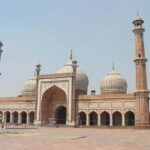
Next is Jama Masjid, described as India’s largest mosque, constructed under Shah Jahan (the 5th Mughal). You’ll get around an hour here too. Even if you’re not a religious-history specialist, you can’t help noticing the size and the sense of civic space—this mosque isn’t tucked away; it’s meant to be seen and used.
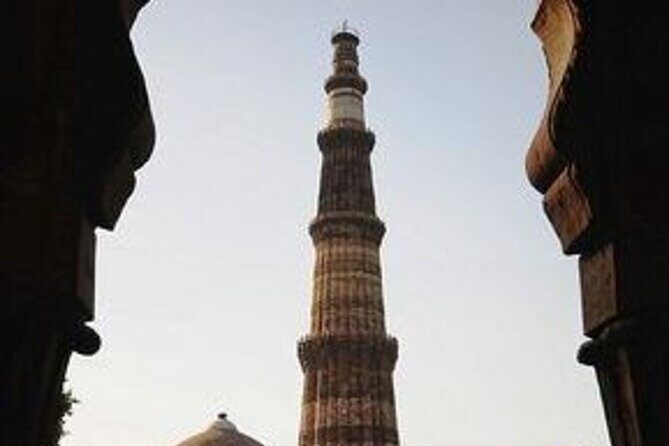
Then comes Qutub Minar, tied to the early Delhi Sultanate period: construction started under Qutb-ud-din Aibak and was completed by his son-in-law Iltutmish. This is the kind of stop that changes how you look at the city because it shows how different dynasties built on different styles.
The pace is thoughtfully bookended with Raj Ghat, the memorial dedicated to Mahatma Gandhi. It’s a quieter reset after towering monuments. And your guide will typically weave context so it doesn’t feel random in the schedule.
There’s also India Gate mentioned as a memorial for soldiers who died in the first world war and the Anglo-Afghan War. Since the time isn’t clearly stated in the plan notes, treat it as a stop that may be shorter than the big three above.
A Delhi drawback to plan around
Delhi monuments can involve walking and crowds, and your day starts early. If you’re sensitive to morning crowds or you hate standing around waiting for entrance lines, come with patience—and use good walking shoes.
Taj Mahal day: why the “big two” plus sunset garden work
Agra is the next act, and it’s set up to deliver both drama and variety.
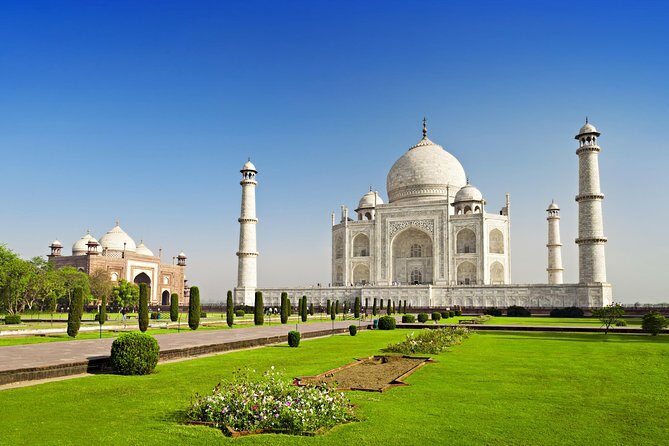
First is Taj Mahal, allotted about two hours. You’re looking at white marble with intricate inlay work, built by Shah Jahan in memory of his wife. The reason this stop fits so well into a tight schedule is that once you understand the basic layout—symmetry, gardens, and the way the mausoleum sits in its setting—everything else starts to click.
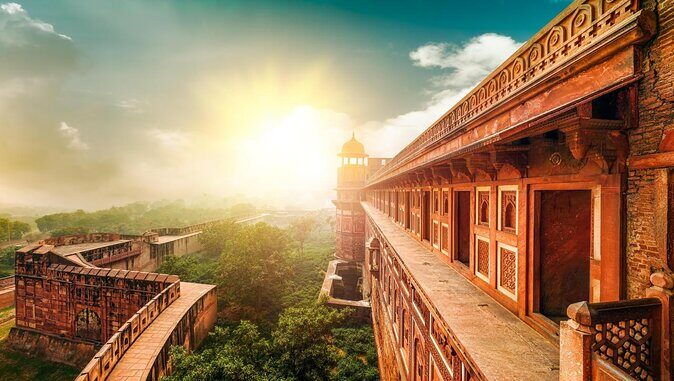
Then you move to Agra Fort, a major fortress linked to Akbar (the 3rd Mughal). The tour notes highlight Hindu and Mughal architecture blending together, and it connects to why Agra mattered politically: it served as a capital when Akbar shifted power from Delhi to Agra.
Next is Tomb of Itimad-ud-Daulah, also nicknamed the Baby Taj. This one is a favorite because it’s more intimate than the Taj, yet still showcases the Mughal taste for marble and ornament. Noor Jahan built it for her parents’ graves, and that family connection makes the artistry feel more personal than purely ceremonial.
Finally, there’s time for Mehtab Bagh, the garden known for a sunset view of the Taj Mahal and the river perspective. This is a smart add-on because it gives you a different vantage point. Even if sunset doesn’t go perfectly, the garden setting adds breathing room after dense marble.
Timing tip for your comfort
Taj Mahal and the surrounding area can be sun-intense depending on the season. If you get sweaty easily, use the bottled water and plan for a hat or sunglasses even if you’re not told to bring them. Your comfort becomes the difference between enjoying details and feeling rushed.
A few more New Delhi tours and experiences worth a look



Fatehpur Sikri: when Akbar’s royal plan changes the vibe
Day 3 centers on Fatehpur Sikri, the fortified city built by Akbar. The tour notes mention it includes Buland Darwaza and the dargah of Saint Salim Chishti. Even with about an hour on the clock, it’s the kind of place that gives you a big “wow” moment because the scale is hard to fake with photos.
What I like about adding Fatehpur Sikri here is the contrast. After Agra’s focus on Mughal monuments and tombs, Fatehpur Sikri shifts you toward the feel of a royal complex—city planning, religious significance, and monumental gates all in one stop.
The watch-out
Because time is limited, you’ll want to focus on the big highlights your guide points out. If you try to absorb everything at once, you’ll feel behind by the time the group moves on. Let your guide’s explanations steer your attention.
Jaipur highlights: Amber Fort, City Palace, Jantar Mantar, and Hawa Mahal
Jaipur is built for monuments you can’t “just” walk past. This is Rajasthan’s royal stage, and the schedule hits four key pillars.
First is Amber Palace (Amber Fort), about two hours. The tour notes say it was made by Raja Man Singh in Amer, mixing Rajputana and Mughal architectural styles. Amber Fort works because it’s not one single view—it’s a sequence of spaces, courtyards, and defensive grandeur. Two hours is a practical length for getting the feel without sprinting.
Then comes City Palace. You’ll spend around an hour here. The plan describes it as built after the capital moved from Amber to Jaipur, with the palace now partly a museum and partly linked to the royal family’s residence. City Palace is a good stop if you want to understand Jaipur as a living system, not just a photo set.
Next: Jantar Mantar, Jaipur’s observatory built by Raja Sawai Jai Singh II, and placed near City Palace. The tour notes make it clear this is about astronomy. In the real world, this site is more interesting than most people expect once you learn what the instruments are for.
And finally there’s Hawa Mahal, also near City Palace and Jantar Mantar. Even if you don’t linger long, it’s an instantly recognizable façade—built by Raja Pratap Singh. It helps close the loop between royal life and city design.
Jaipur travel reality
Because Jaipur has multiple close-together stops, you can feel efficient here. But also plan for some walking between viewpoints. Comfortable footwear is not optional if you want to enjoy the details.
Guides and the human touch: Lucky and Manik in the spotlight
This is a private tour, so the guide matters. The feedback shared specific names that stand out: Lucky as a guide in Agra and Manik as the driver noted for perfect driving.
That matters more than people think. Big monuments are easy to see; they’re harder to understand. When your guide can explain Mughal and Sultanate timelines, why certain buildings look the way they do, and how each city fits into power shifts, you get something more than a photo. You get a mental map.
This tour also promises proper explanations around history, culture, and architecture, and that lines up with the kinds of comments that highlight knowledge and guidance.
Price and what you really pay for
At $365.87 per person for a 4-day private Golden Triangle, you’re paying for more than transport. The included package lists:
- Air-conditioned vehicle
- Guide services
- Stay in superior hotels
- All fees and taxes
- Bottled water
- Breakfast (3)
Monument tickets are not included, so expect additional spending once you tally entry fees at each site.
Here’s how I’d judge the value: if you tried to DIY this route with a driver, guides, hotel planning, and entry timing, the cost would likely climb fast. The real value is in how the tour coordinates stays, meals (breakfast), and guidance so you spend your energy on seeing—not organizing.
This package also reduces stress. That’s not a luxury word; it’s practical. When you’re moving between three cities, saving mental bandwidth is worth money.
Comfort and timing: what a 6:00 am start means for you

The day starts at 6:00 am, which tells you the tour is designed to maximize daylight. If you’re traveling in warmer months, you’ll probably appreciate seeing key sights earlier.
There are also planned visit durations like about one hour for several Delhi and Agra stops, two hours for Taj Mahal, and two hours for Amber Fort. Those time blocks are helpful because they prevent a classic vacation problem: getting exhausted by “just one more place.”
Just remember: short listed time blocks don’t always equal zero waiting. Entry procedures, lines, and moving the group can add friction. Wear patience like a jacket. It’s worth it.
Who this tour suits best
This is a great match if you want:
- Classic Golden Triangle sights without handling tickets, routing, and city-to-city driving yourself
- A private group format so the schedule feels controlled
- Guided context—especially for Mughal architecture and historical timeline connections
It’s less ideal if you want lots of free time to wander alone for half a day, or if you hate early starts. This plan is structured, not lazy.
Should you book this Golden Triangle tour?
If your priority is to see Delhi, Agra, and Jaipur’s top monuments in a smooth 4-day road trip with AC comfort, strong guidance, and stays handled for you, then I’d book it. The “private” part plus the repeated praise for safe driving and guide help (Manik and Lucky specifically) are the kind of details that make a big difference on a busy route.
I’d only hesitate if you want to keep your budget strictly all-in with no added monument entry fees, since tickets aren’t included. If you’re okay planning for those extra costs and waking up early, this tour is a solid way to get the Golden Triangle done right.
FAQ
What cities are included in this Golden Triangle tour?
The tour covers Delhi, Agra, and Jaipur.
How long is the tour?
It runs for 4 days (approx.).
What time does the tour start?
The meeting time is 6:00 am.
Is pickup offered?
Yes, pickup is offered.
What’s included in the price?
The package includes guide services, an air-conditioned vehicle, superior hotel stays, all fees and taxes, bottled water, and breakfast (3).
Are monument tickets included?
No. Any monument ticket is listed as not included.
Is this tour private?
Yes. It is a private tour/activity, and only your group participates.
Can I cancel for a full refund?
Yes. You can cancel up to 24 hours in advance for a full refund. If you cancel less than 24 hours before the start time, the amount paid is not refunded.